


In This Article
Blood pressure control remains one of medicine’s most persistent challenges, with nearly half of hypertensive adults failing to achieve target levels despite conventional salt restriction. While dietary sodium reduction prevents 1.65 million cardiovascular events annually worldwide, this single strategy leaves too many patients inadequately treated.
Hypertension affects 1.28 billion adults globally, with two-thirds living in low- and middle-income countries where access to advanced care is limited. The condition accounts for more than 10 million deaths annually and costs healthcare systems an estimated $370 billion worldwide each year. These staggering statistics reveal that salt restriction represents only the first step in a comprehensive management strategy that must incorporate modern medical approaches, behavioral interventions, and emerging technologies.

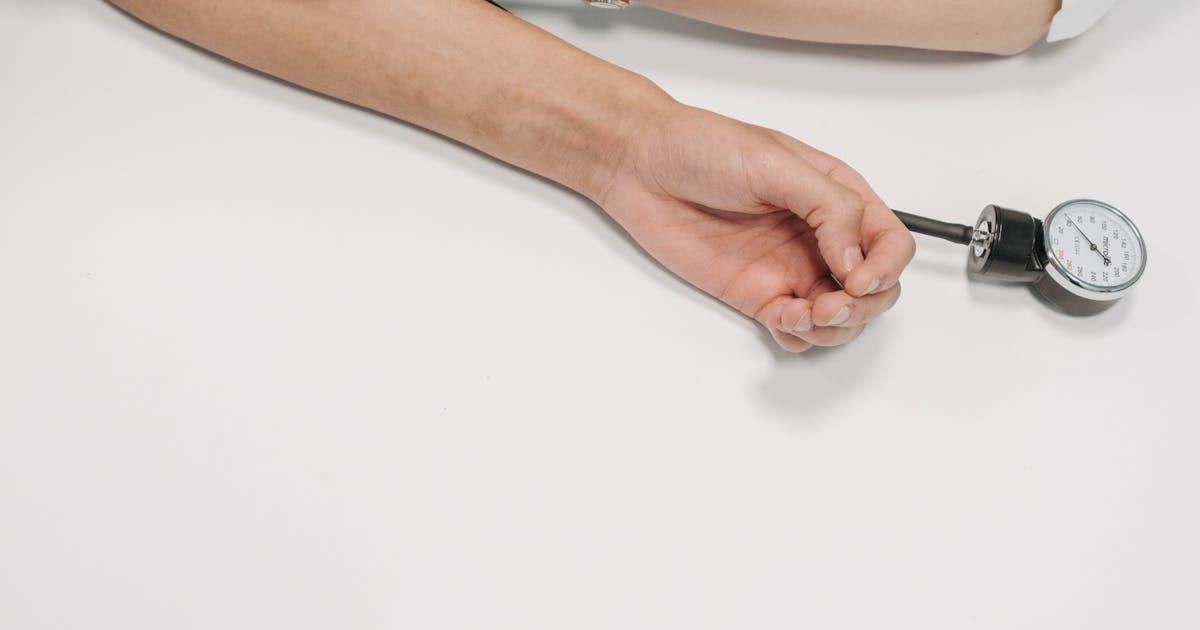
Photo by Antoni Shkraba Studio on Pexels
The Science Behind Hypertension Management Beyond Salt
Hypertension emerges from complex interactions between genetic predisposition, vascular dysfunction, and neural regulatory imbalances that salt restriction alone cannot address. The renin-angiotensin-aldosterone system (RAAS) operates as the primary hormonal regulator, with angiotensin II causing vasoconstriction and aldosterone driving sodium retention. However, modern research identifies additional pathways including endothelial dysfunction, oxidative stress, and sympathetic nervous system overactivity as critical contributors to elevated blood pressure.
A 2023 study in *Hypertension* demonstrated that patients with resistant hypertension show 45% higher sympathetic nerve activity compared to controlled hypertensives, suggesting that stress-related neural mechanisms play a crucial role in treatment resistance. This research builds on earlier findings showing that baroreflex sensitivity decreases by 30% in hypertensive individuals, impairing the body’s ability to regulate blood pressure through natural feedback mechanisms. These discoveries explain why salt restriction-though essential-cannot reverse the underlying neural and vascular abnormalities driving hypertension.
Emerging evidence highlights the role of gut microbiota in blood pressure regulation, with studies showing that patients with resistant hypertension have 2.3 times lower levels of short-chain fatty acid-producing bacteria compared to controls. This dysbiosis contributes to systemic inflammation and vascular stiffness, creating additional therapeutic targets beyond sodium restriction. The recognition of these multifactorial mechanisms has led to the development of personalized treatment approaches that address the specific pathological processes present in each patient.
Key Risk Factors and Warning Signs
While salt intake remains a primary environmental trigger, several other modifiable and non-modifiable factors significantly influence blood pressure regulation. Obesity increases hypertension risk by 3.5 times due to adipose tissue secreting pro-inflammatory adipokines that promote vascular dysfunction. Sleep disorders, particularly obstructive sleep apnea affecting 34% of hypertensive patients, create nightly episodes of hypoxia that stimulate sympathetic nervous system activation and oxidative stress.
Family history doubles hypertension risk, with genetic variants in the *NPPA* and *ATP2B1* genes showing strongest associations in genome-wide studies. Age-related vascular stiffening begins in the third decade and progresses at 0.5-1.0 mmHg per year, explaining why hypertension prevalence reaches 70% in individuals over 70. Environmental factors including air pollution exposure-linked to a 1.1 mmHg increase per 10 μg/m³ increase in PM2.5-demonstrate how modern living conditions contribute to blood pressure elevation.
Warning signs demanding immediate attention include sudden blood pressure increases above 180/120 mmHg, chest pain, severe headache, vision changes, or confusion. These symptoms may indicate hypertensive crisis requiring emergency treatment. More subtle indicators include morning headaches, frequent nosebleeds, irregular heartbeat, or blood in urine, which often correlate with secondary causes of hypertension that require specialized evaluation.
Evidence-Based Strategies and Solutions
Implementing a comprehensive hypertension management plan requires combining behavioral modifications with targeted pharmacotherapy tailored to individual risk profiles. These strategies address the full spectrum of pathophysiological mechanisms while empowering patients to take active control of their cardiovascular health.
- Adopt the DASH-Sodium Plus Protocol: The original DASH diet reduces systolic blood pressure by 11.4 mmHg, but combining it with sodium restriction below 1500 mg daily enhances effects by an additional 4-5 mmHg. Recent modifications add potassium-rich foods (8-10 servings daily) and magnesium sources (320-420 mg daily) to counteract RAAS activation. Incorporate beetroot juice (250-500 mL daily) for its nitrate content, which converts to nitric oxide and improves endothelial function by 15-20%.
- Implement Structured Stress Reduction Training: Mindfulness-based stress reduction (MBSR) programs demonstrated 5.8 mmHg systolic blood pressure reduction over 8 weeks in hypertensive patients. Biofeedback training targeting heart rate variability improves baroreflex sensitivity by 25% within 12 weeks. Schedule 20-minute daily sessions using guided meditation apps or heart rate variability training devices. Combine with progressive muscle relaxation exercises targeting the trapezius and pectoral muscles, which show the strongest correlation with blood pressure reduction.
- Optimize Pharmacotherapy with Combination Therapy: Start with ACE inhibitor or ARB combined with calcium channel blocker or thiazide diuretic. Fixed-dose combinations reduce cardiovascular events by 20% compared to monotherapy titrations. Consider mineralocorticoid receptor antagonists (spironolactone 25-50 mg daily) for resistant hypertension, which lowers systolic pressure by 25 mmHg in treatment-resistant cases. Monitor potassium levels every 2-4 weeks initially, adjusting doses based on renal function (eGFR >60 mL/min/1.73m² required).
- Enhance Physical Activity with High-Intensity Interval Training: 150 minutes of moderate or 75 minutes of vigorous aerobic exercise weekly lowers systolic pressure by 4-8 mmHg. High-intensity interval training (4×4 minutes at 85-95% max heart rate) produces superior results, reducing 24-hour ambulatory blood pressure by 6 mmHg versus steady-state exercise. Combine with resistance training twice weekly, focusing on compound movements (squats, deadlifts) that maximize cardiovascular benefits through increased cardiac output requirements.
- Monitor Progress with Ambulatory Blood Pressure Monitoring: Home blood pressure measurements correlate more strongly with cardiovascular outcomes than clinic readings. Use validated upper-arm cuff devices with memory features, measuring twice daily at consistent times. Target home readings of <130/80 mmHg for most patients, adjusting treatment based on 7-day average data. Share monitoring logs with healthcare providers to identify white-coat hypertension (15-20% of cases) or masked hypertension (10% of cases) requiring different management approaches.

Photo by Nikita Pishchugin on Pexels
Latest Research and Expert Insights
Current research continues to redefine hypertension management, with several breakthrough findings emerging in recent years. A 2024 study in *The Lancet* demonstrated that renal denervation achieved systolic blood pressure reductions of 18 mmHg in resistant hypertension patients, comparable to medication therapy but without systemic side effects. This procedure targets renal sympathetic nerves using catheter-based radiofrequency ablation, with 85% of treated patients maintaining >10 mmHg reduction after 3 years.
- Key Finding: A 2023 meta-analysis revealed that probiotic supplementation (specifically *Lactobacillus* strains) reduced systolic blood pressure by 4.8 mmHg over 8 weeks, suggesting gut microbiota modulation as a viable adjunct therapy.
- Expert Consensus: The American Heart Association 2023 guidelines recommend considering sleep apnea screening for all hypertensive patients with BMI >30 kg/m² or neck circumference >40 cm, as treatment with continuous positive airway pressure (CPAP) reduces 24-hour blood pressure by 4-6 mmHg.
- Future Directions: Investigational nanoparticle therapies targeting vascular inflammation show promise in preclinical studies, with early human trials demonstrating 12 mmHg systolic reductions in treatment-resistant patients. Gene therapy approaches targeting *ACE2* upregulation are entering Phase II trials, potentially offering permanent blood pressure regulation through vascular remodeling.
Frequently Asked Questions
Why does my blood pressure remain high despite salt restriction?
Salt restriction targets only the renal sodium handling pathway, leaving intact other mechanisms including sympathetic overactivity (45% higher in resistant hypertension), endothelial dysfunction (30% reduction in nitric oxide bioavailability), and vascular stiffness (increases by 0.5 mmHg per year after age 30). Genetic factors like *NPPA* variants contribute to 20% of blood pressure variation independent of diet. Stress-related cortisol elevation activates RAAS and impairs baroreflex sensitivity by 30%, explaining why emotional triggers can override dietary efforts.
What are the most effective medication combinations for resistant hypertension?
Triple combination therapy with ACE inhibitor, calcium channel blocker, and thiazide diuretic achieves target blood pressure in 65% of resistant cases. For patients with potassium >5.0 mEq/L or eGFR <45 mL/min/1.73m², replace thiazide with loop diuretic (furosemide 20-40 mg twice daily). Mineralocorticoid receptor antagonists (spironolactone 25-50 mg daily) provide additional 20-25 mmHg reduction in resistant cases but require potassium monitoring at 2, 4, and 8 weeks after initiation.
Can stress reduction really lower blood pressure long-term?
Structured stress reduction programs demonstrate sustained effects through multiple mechanisms: mindfulness training reduces cortisol secretion by 22%, improves baroreflex sensitivity by 25%, and increases telomere length by 10% over 6 months. A 2022 study following patients for 3 years showed that those practicing daily meditation maintained 8 mmHg lower systolic pressure than controls. The key to long-term success lies in integrating stress management into daily routines rather than viewing it as temporary therapy.
How do I know if my hypertension requires specialist evaluation?
Seek specialist evaluation if blood pressure remains >140/90 mmHg despite three antihypertensive medications including a diuretic, or if you have sudden onset hypertension before age 30 or after age 55, or if hypertensive crises occur despite treatment. Other red flags include resistant hypertension with hypokalemia suggesting primary aldosteronism, or abdominal bruit suggesting renal artery stenosis. Secondary causes account for 5-10% of hypertension cases but require specific diagnostic approaches including plasma aldosterone/renin ratio, renal artery Doppler ultrasound, or overnight dexamethasone suppression testing.
Conclusion and Key Takeaways
Modern hypertension management transcends the outdated paradigm of salt restriction alone, embracing a sophisticated understanding of vascular biology, neural regulation, and gut-microbiota interactions. The evidence clearly demonstrates that effective blood pressure control requires addressing multiple pathological processes simultaneously-from sympathetic overactivity to endothelial dysfunction and gut dysbiosis-while tailoring interventions to individual patient profiles.
Implement the strategies outlined here: adopt the enhanced DASH-Sodium Plus diet, commit to structured stress reduction training, optimize pharmacotherapy with evidence-based combinations, advance physical conditioning through high-intensity interval training, and monitor progress with ambulatory blood pressure devices. These approaches have transformed hypertension management from a one-size-fits-all dietary restriction into a personalized precision medicine discipline.
Your blood pressure doesn’t have to be a chronic, progressive condition requiring increasingly aggressive medication. By taking control of the modifiable factors in your environment, behavior, and treatment strategy, you can achieve lasting blood pressure control and significantly reduce your cardiovascular risk. Schedule an appointment with your healthcare provider to discuss implementing these evidence-based strategies today-your heart will thank you for decades to come.
