


🩺 In This Medical Guide
In the quiet hills of Appalachia, a 68-year-old farmer with chronic obstructive pulmonary disease (COPD) waited six months for a specialist appointment in the nearest city. By the time he arrived, his condition had worsened so dramatically that he required immediate hospitalization. His story is not unique-it’s a reality for 60 million Americans living in rural areas where healthcare access is as scarce as paved roads. Yet today, this same farmer can receive specialist care within 48 hours through secure video consultations, with medication delivered to his doorstep by drone. This transformation isn’t science fiction; it’s the new frontier of telemedicine, and it’s saving lives in communities that medical geography once forgot.
The Background and Significance of This Health Topic
Rural healthcare deserts aren’t just a U.S. phenomenon-they’re a global crisis. According to the World Health Organization, nearly half of the world’s population lives in rural areas but only 38% of nurses and 23% of physicians serve these regions. In the United States, the Health Resources and Services Administration designates over 80% of rural counties as primary care Health Professional Shortage Areas. This shortage isn’t just about distance-it’s about life expectancy. Studies show rural Americans die five years earlier than their urban counterparts, with higher rates of heart disease, diabetes, and cancer. The COVID-19 pandemic didn’t create this disparity-it exposed it in stark, digital terms.

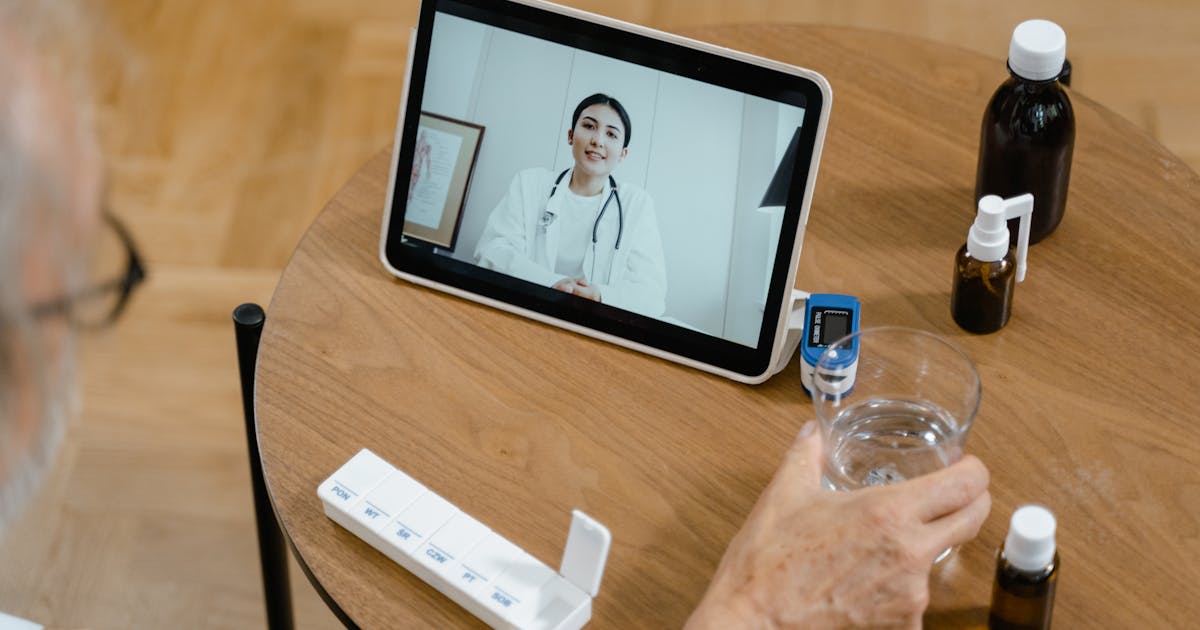
📷 Photo by Tima Miroshnichenko on Pexels
Before the pandemic, telemedicine adoption in rural America hovered around 13%. Within three months of the public health emergency declaration, that number skyrocketed to 46%, according to the CDC. This wasn’t merely a shift in behavior-it was a tectonic movement in healthcare delivery. Telemedicine didn’t just make healthcare accessible; it made it equitable. States like Mississippi and Alaska, with some of the nation’s most severe physician shortages, now boast telehealth utilization rates exceeding 60%. The technology that was once the domain of tech-savvy urbanites became the lifeline for isolated communities where the nearest hospital might be a two-hour drive through mountain passes.
Understanding the Medical Science
At its core, telemedicine leverages four technological pillars: synchronous communication (real-time video), asynchronous communication (store-and-forward imaging), remote patient monitoring, and mobile health applications. These aren’t just digital conveniences-they’re clinical interventions with measurable outcomes. A 2023 study in the Journal of Medical Internet Research found that telemedicine consultations for hypertension management reduced systolic blood pressure by an average of 12 mmHg over six months, comparable to traditional care. The mechanism? Continuous data transmission from wearable blood pressure cuffs to cloud-based platforms where algorithms flag dangerous trends to providers.
The science extends beyond chronic disease management. In emergency medicine, telestroke networks have become gold standard practice. When a patient in rural Texas experiences sudden slurred speech, a local ER nurse activates a teleconsultation with a stroke neurologist at Houston Methodist. Within minutes, the specialist reviews CT scans uploaded to a secure platform and initiates tissue plasminogen activator (tPA) therapy if indicated. This reduces treatment delays from hours to minutes, turning what was once a death sentence into a recovery story. The key innovation isn’t the video call-it’s the integration of artificial intelligence in interpreting imaging and predicting patient deterioration before symptoms escalate.
However, science alone doesn’t bridge healthcare gaps. Policy reforms like the 2020 CARES Act permanently removed geographic restrictions on Medicare telehealth reimbursement, allowing providers to serve patients regardless of location. This legislative shift, combined with broadband expansion initiatives through the $65 billion Infrastructure Investment and Jobs Act, created the infrastructure for telemedicine to flourish. But technology adoption faces another hurdle: human behavior. Studies in the American Journal of Preventive Medicine reveal that 42% of rural patients report discomfort with video consultations due to privacy concerns, despite equivalent clinical outcomes to in-person visits.
Key Factors and Symptoms (or Key Components)
Telemedicine’s success hinges on three critical components: technological capability, patient engagement, and clinical integration. The first component-technology-requires more than reliable internet. It demands interoperable electronic health records (EHRs) that seamlessly transmit data between rural clinics and urban specialists. Platforms like Epic’s telehealth module or Teladoc’s integrated systems ensure that a patient’s medication history, allergy list, and imaging results follow them across state lines. Without this integration, telemedicine becomes a fragmented echo of traditional care rather than a transformative solution.
Patient engagement represents the second pillar-and the one most vulnerable to failure. Unlike urban populations familiar with digital interactions, rural patients often face a steep learning curve. Language barriers among migrant farm workers, limited digital literacy among elderly populations, and cultural distrust of “computer doctors” create significant obstacles. The Appalachian region provides a telling example: despite high COPD prevalence, telehealth adoption among elderly patients remains under 25% due to device complexity and hearing impairment. Solutions are emerging through simplified interfaces designed by companies like TytoCare, which uses AI voice assistants to guide patients through examinations. Yet these innovations require intentional outreach programs where community health workers physically demonstrate technology in local churches, libraries, and senior centers.
The final component-clinical integration-transforms telemedicine from a novelty to standard care. In North Dakota’s tele-ICU hub, intensivists at Sanford Health remotely monitor 22 rural ICUs across the state. When a patient’s oxygen saturation drops, the system automatically alerts the specialist, who can adjust ventilator settings or consult with local nurses via video. This hub-and-spoke model has reduced ICU mortality by 26% while saving millions in transfer costs. The integration extends to mental health, where platforms like Talkspace provide culturally competent therapy to rural veterans struggling with PTSD. These aren’t isolated experiments-they’re scalable models proving that telemedicine can deliver tertiary care in primary care deserts.
Actionable Advice and Prevention Strategies
For patients and providers seeking to maximize telemedicine’s potential, these evidence-based strategies can turn virtual care from a stopgap into a sustainable healthcare model.
- Step 1: Optimize Your Digital Setup: Invest in a high-definition webcam, noise-canceling microphone, and stable internet connection (minimum 25 Mbps download speed). For older adults, companies like GrandPad offer simplified tablets with pre-installed telehealth apps and 24/7 technical support. Test your setup 24 hours before appointments by conducting a mock consultation with a family member. Technical difficulties aren’t just inconvenient-they can delay critical diagnoses.
- Step 2: Create a Dedicated Telehealth Space: Designate a quiet, well-lit area for consultations that mimics a clinical environment. Ensure adequate lighting from the front (not behind you) to allow clear visualization of facial expressions and skin conditions. Keep relevant medical documents-medication lists, recent lab results, immunization records-in a folder near your device. This preparation reduces cognitive load during consultations and helps providers make informed decisions faster.
- Step 3: Master Remote Monitoring Devices: Blood pressure cuffs, glucose meters, and pulse oximeters with Bluetooth capabilities now retail for under $100. Choose FDA-cleared devices with cloud syncing capabilities, then register them with your primary care provider’s telehealth platform. For patients with heart failure, daily weight monitoring through scales like Withings Body+ can detect fluid retention 3-5 days before symptoms appear. Share this data proactively-don’t wait for your provider to request it.
- Step 4: Build a Support Network: Telemedicine thrives on collaboration. Connect with local community health workers who can assist with technology setup and troubleshoot connectivity issues. Join rural health coalitions like the National Rural Health Association to advocate for better telehealth policies in your region. For providers, establish partnerships with larger health systems that can support diagnostic testing and specialist consultations. The most successful telemedicine programs aren’t solo acts-they’re orchestrated efforts involving patients, providers, technology, and policy.
Expert Insights and Latest Research
Current research is painting a nuanced picture of telemedicine’s impact. A 2024 systematic review in Lancet Digital Health analyzed 107 studies across 22 countries and found that telemedicine improved patient satisfaction by 34% while reducing healthcare costs by 25% compared to traditional care. The most significant improvements occurred in mental health services, where video therapy sessions showed equivalent efficacy to in-person sessions for conditions like depression and anxiety. However, the review also identified gaps: patients with limited digital literacy showed 40% lower engagement rates, and rural populations with poor internet infrastructure experienced 30% lower satisfaction scores.
- Recent Findings: Researchers at the University of Washington developed an AI-powered stethoscope that transmits heart and lung sounds to specialists in real-time. In a pilot study involving 200 rural patients, the device detected abnormal heart murmurs with 94% accuracy-comparable to cardiologists. The innovation eliminates the need for patients to travel to urban centers, reducing missed work days and childcare challenges that often prevent rural residents from seeking care.
- Clinical Perspectives: Dr. Maria Hernandez, a family physician practicing in rural Idaho, shares her perspective: “Telemedicine didn’t replace my ability to examine a patient-it amplified it. I can now consult with a pediatric cardiologist while listening to a 6-year-old’s heart murmur in my office. The technology allows me to practice at the top of my license while keeping patients in their communities where they heal faster.” Her clinic, Salmon River Medical Clinic, has reduced emergency room transfers by 42% since implementing telemedicine consultations.
- Future Outlook: The next frontier lies in predictive analytics. Companies like Current Health (acquired by Best Buy Health) are developing algorithms that analyze patient data to predict hospital readmissions up to 30 days in advance. For rural hospitals facing closures, these predictive tools could mean the difference between survival and collapse. Another promising area is telemedicine for rare diseases, where specialists are virtually nonexistent outside major cities. Platforms like Rare Patient Voice connect rural patients with global experts, turning what was once a death sentence into manageable chronic care.
Frequently Asked Questions
How does telemedicine ensure patient privacy and data security for rural patients with limited internet access?
Telemedicine platforms operating in the U.S. must comply with HIPAA regulations, which require end-to-end encryption for all data transmissions. Rural patients using cellular data rather than Wi-Fi should ensure their provider’s platform uses HTTPS protocols and avoid public networks. For patients in areas with inconsistent connectivity, many platforms now offer “store-and-forward” capabilities, where data is collected offline and transmitted when connection is restored. Additionally, the Federal Communications Commission’s Rural Health Care Program provides discounted broadband services to eligible healthcare providers, ensuring secure connections even in remote locations.
Can telemedicine effectively diagnose and treat acute conditions like appendicitis or heart attacks?
Telemedicine excels in triage and stabilization but isn’t a replacement for emergency departments for acute conditions. However, it plays a crucial role in reducing delays. For example, in telestroke networks, emergency medical technicians can perform NIH Stroke Scale assessments via tablet while en route to the hospital, allowing neurologists to prepare treatment protocols in advance. For abdominal pain, telemedicine can guide primary care providers in ordering appropriate imaging or lab tests before referring patients to specialists. The key is recognizing telemedicine’s role as a complement-not a substitute-for emergency care.
What preventive screenings can be effectively conducted through telemedicine for rural populations?
Telemedicine has revolutionized preventive care through remote screenings for colorectal cancer, cervical cancer, and diabetic retinopathy. The FDA-approved smartphone app, D-EYE, allows primary care providers to conduct retinal exams via video to screen for diabetic retinopathy, the leading cause of blindness in working-age adults. For colorectal cancer, home-based stool tests (like Cologuard) can be mailed to patients, with telehealth consultations to review results and schedule colonoscopies if needed. In Alaska, the Southcentral Foundation uses telemedicine to conduct annual wellness exams for 60,000 tribal members, achieving 92% screening compliance compared to 68% nationally.
How can rural healthcare providers overcome resistance to telemedicine adoption among their staff?
Resistance often stems from two sources: fear of technology and concern about workload. Providers hesitant to adopt telemedicine cite concerns about missing subtle physical exam findings or the time required to navigate new platforms. Solutions include hands-on training through programs like the American Telemedicine Association’s “Telehealth Certification,” which provides 16 hours of continuing education. Another approach involves gradual implementation-starting with low-risk specialties like mental health or dermatology before expanding to complex cases. Leadership plays a critical role: hospitals that designate “telemedicine champions” among staff see 60% higher adoption rates. Finally, reimbursement parity laws (now active in 43 states) ensure providers are paid equivalent rates for telehealth and in-person visits, addressing financial concerns that drive resistance.
Are there age-specific strategies to improve telemedicine engagement for elderly rural patients?
Elderly patients represent 38% of rural telemedicine users but also the highest dropout rate. Strategies begin with language-avoid medical jargon and use large fonts, high-contrast screens, and slow-scrolling interfaces. Providers should schedule longer initial consultations (45 minutes instead of 15) to accommodate slower typing and speaking speeds. Family members or caregivers can be granted proxy access to accounts, allowing them to assist with technical issues and medication management. Some clinics implement “telehealth office hours” where volunteers help seniors practice using the platform in a social setting. For patients with cognitive impairment, providers can use simplified interfaces with picture-based navigation. The goal isn’t to force elderly patients into technology-they need technology designed to meet them where they are.
Final Thoughts
Telemedicine isn’t merely digitizing healthcare-it’s democratizing it. For the first time in history, geography no longer determines destiny when it comes to health outcomes. The farmer with COPD, the single mother with postpartum depression, the elderly couple managing multiple chronic conditions-all can now access world-class care from their kitchen tables. Yet this revolution carries responsibilities: ensuring digital literacy, maintaining privacy, and addressing the infrastructure gaps that still leave 19 million rural Americans without broadband access. The technology exists. The policies are evolving. What remains is our collective commitment to ensure that no patient is left behind in the digital health revolution. If you’re a rural resident, ask your provider about telemedicine options today. If you’re a policymaker, champion broadband expansion in your district. And if you’re a healthcare professional, embrace telemedicine not as a temporary solution but as the future of equitable care. The next chapter of rural healthcare isn’t being written in boardrooms or research labs-it’s being written in the homes of patients who once had no choice but to wait for help. Now, help is waiting for them.
