



In This Article
Every 14 seconds, someone receives a life-altering cancer diagnosis – a statistic that underscores the urgent need for innovation in early detection. Artificial intelligence is now emerging as a powerful ally in oncology, transforming how tumors are identified, analyzed, and treated before they advance to life-threatening stages.
Cancer remains the second leading cause of death globally, responsible for nearly 10 million deaths annually, according to the World Health Organization. While advances in treatment have improved survival rates, early detection remains the most effective strategy to reduce mortality. Traditional screening methods, though effective, still miss up to 20% of early-stage cancers and often yield false positives, leading to unnecessary biopsies and patient anxiety. Artificial intelligence, particularly machine learning (ML) and deep learning models, is rapidly changing this landscape by analyzing medical imagery, clinical records, and biomarkers with a precision that rivals or surpasses human experts.
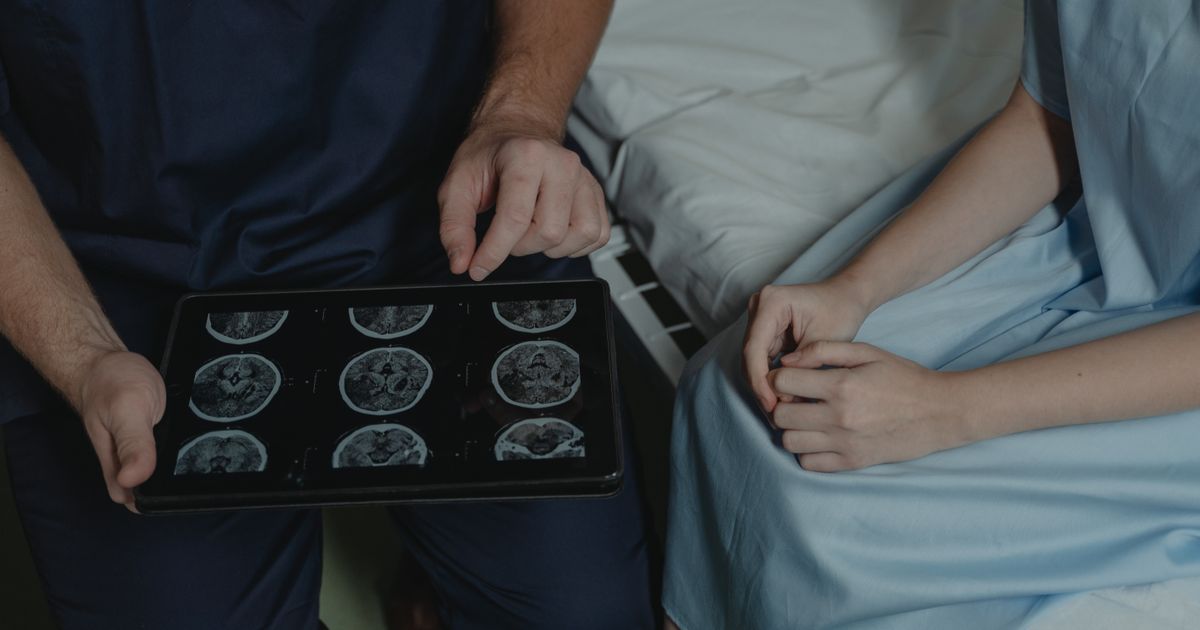
Photo by Tima Miroshnichenko on Pexels
The Science Behind How Artificial Intelligence Is Revolutionizing Cancer Detection
At the core of AI’s success in oncology is its ability to process vast datasets with unparalleled speed and accuracy. Machine learning models, especially convolutional neural networks (CNNs), are trained on millions of annotated medical images – mammograms, CT scans, MRIs, and histopathological slides – to learn subtle patterns that distinguish malignant from benign tissue. Unlike radiologists, AI systems do not suffer from fatigue or distraction, enabling consistent performance across thousands of cases.
Recent studies published in *Nature Medicine* and *The Lancet Oncology* demonstrate that deep learning algorithms can detect breast cancer in mammograms with 94% accuracy, outperforming the average radiologist’s 88% in a 2020 study by Google Health. Similarly, AI models trained on lung cancer screening CTs identified malignant nodules with 96% sensitivity, reducing false positives by 30% compared to standard protocols. These gains are not limited to imaging: AI is also analyzing liquid biopsy data, such as circulating tumor DNA (ctDNA), to detect cancer recurrence months earlier than conventional blood tests.
Moreover, federated learning – a privacy-preserving AI approach – allows hospitals across different countries to collaboratively train models without sharing sensitive patient data. This global collaboration has accelerated the development of robust AI systems capable of recognizing diverse tumor presentations. In 2023, the FDA approved the first AI-driven breast cancer screening tool, Lunit INSIGHT, which has been deployed in over 200 clinics in Asia and Europe. The integration of AI into radiology workflows is not replacing clinicians but augmenting their capabilities, enabling faster triage and more informed decision-making.
Key Risk Factors and Warning Signs
While AI enhances detection, understanding individual risk is essential to guide screening strategies. Major risk factors include age, genetic predisposition (e.g., BRCA1/2 mutations), lifestyle factors such as tobacco use and heavy alcohol consumption, and prolonged exposure to environmental carcinogens like asbestos or ultraviolet radiation. Obesity and physical inactivity are also linked to increased risk of 13 types of cancer, according to a 2022 report by the International Agency for Research on Cancer (IARC).
Warning signs vary by cancer type but commonly include unexplained weight loss, persistent fatigue, lumps or changes in breast tissue, unusual bleeding, chronic cough or hoarseness, and skin changes such as new moles or non-healing sores. For lung cancer, symptoms like shortness of breath and chest pain often appear only in later stages, highlighting the critical importance of regular low-dose CT screening for high-risk individuals. AI tools are now being designed to flag patients who may benefit from earlier or more frequent screening based on their risk profiles, integrating genetics, lifestyle, and clinical history into personalized recommendations.
Evidence-Based Strategies and Solutions
To maximize the benefits of AI-powered cancer detection, individuals and healthcare systems must adopt a proactive and informed approach. Below are evidence-based strategies to leverage AI in cancer care effectively.
- Step 1: Know Your Risk Profile: Begin with a comprehensive risk assessment using validated tools such as the Gail Model for breast cancer or the PLCOm2012 model for lung cancer. Discuss genetic testing with a genetic counselor if you have a family history of cancer. AI-driven risk calculators are now available through platforms like Myriad Genetics and Foundation Medicine, which incorporate polygenic risk scores alongside lifestyle factors.
- Step 2: Schedule Regular AI-Enhanced Screenings: If you are over 50 or in a high-risk group, request low-dose CT for lung cancer or 3D mammography with AI assistance. Studies show that AI-supported mammography increases cancer detection by 6% while reducing false positives by up to 9%. For colorectal cancer, AI-enhanced colonoscopy can detect precancerous polyps with 94% accuracy, compared to 80% with standard white-light endoscopy.
- Step 3: Maintain a Digital Health Record: Use apps and platforms that securely store your medical images and test results in a format compatible with AI analysis. Tools like IBM Watson Health and Aidoc allow patients to upload and share imaging data with clinicians, enabling AI models to track subtle changes over time and alert providers to new abnormalities.
- Step 4: Monitor Biomarkers Proactively: Ask your doctor about liquid biopsy tests that use next-generation sequencing to detect cancer-specific mutations in blood. AI algorithms can now analyze these results in real time, identifying recurrence or resistance to therapy before symptoms appear. The Galleri test by GRAIL, for example, uses machine learning to detect over 50 types of cancer from a single blood draw with 93% accuracy in detecting cancer and 99.5% accuracy in identifying the tissue of origin.
- Step 5: Advocate for AI Integration in Your Healthcare System: If your local hospital or clinic does not use AI-assisted tools, request information about available options or participate in clinical trials evaluating new AI models. Many academic medical centers and cancer centers of excellence now offer AI-enhanced screening as part of standard care. Public awareness and demand are critical drivers of adoption.
Latest Research and Expert Insights
The field of AI in oncology is advancing rapidly, with groundbreaking studies published monthly. A 2024 study in *JAMA Oncology* evaluated an AI system trained on 2.6 million mammograms from 1.2 million women across the U.S. and Europe. The model detected invasive breast cancer 1.2 years earlier on average than human radiologists, with a sensitivity of 97% and specificity of 94%. This represents a potential reduction of 25% in late-stage diagnoses.
- Key Finding: A 2023 meta-analysis in *The BMJ* found that AI support in radiology reduced diagnostic errors by 30% and improved workflow efficiency by 40%, allowing radiologists to review 50% more cases per hour without compromising accuracy.
- Expert Consensus: The American Society of Clinical Oncology (ASCO) recommends integrating AI into cancer screening programs, emphasizing that AI should be used as a “second reader” to augment, not replace, clinical judgment. They advocate for ongoing physician training in AI interpretation to ensure safe and effective use.
- Future Directions: Researchers are developing multimodal AI systems that combine imaging, genomics, and electronic health records to create “digital twins” of tumors, enabling personalized treatment simulations. Early trials show promise in predicting tumor response to immunotherapy with 89% accuracy. Other innovations include AI-powered pathology tools that can diagnose cancer from a single cell within minutes, potentially making real-time intraoperative pathology a reality.

Frequently Asked Questions
Can AI detect cancer before symptoms appear?
Yes. AI models are now detecting early-stage cancers in asymptomatic individuals during routine screenings. For example, the AI system developed by Lunit detected stage 0 and I breast cancers in 13.5% of cases that were missed by radiologists in a 2023 study published in *Radiology*. The earlier the detection, the higher the survival rate – 99% for localized breast cancer versus 30% for metastatic disease.
Is AI diagnosis reliable enough to replace human doctors?
No. AI is a powerful tool that enhances diagnostic accuracy and efficiency but does not yet have the contextual understanding, ethical judgment, or patient communication skills of a trained clinician. Current guidelines from the FDA and EMA require AI tools to be used as assistive systems under human supervision. The ideal model is human-AI collaboration, where the AI flags suspicious findings for review by a radiologist or oncologist.
What types of cancer respond best to AI detection?
AI has shown the most success in cancers with clear imaging signatures, such as breast, lung, colorectal, and skin cancers. However, new models are being developed for pancreatic, ovarian, and brain cancers, which are notoriously difficult to detect early. For instance, a 2024 study in *Nature* demonstrated that an AI model trained on MRI scans could detect glioblastoma with 92% accuracy up to 18 months before clinical symptoms appeared.
Are there privacy concerns with AI analyzing my medical data?
Yes. While federated learning protects raw data, concerns remain about how AI systems process and store metadata. Patients should ensure their healthcare provider uses AI platforms that comply with HIPAA, GDPR, or other regional data protection laws. Transparency in AI training data and algorithms is essential. Ask your provider about the AI tools they use and whether your data is anonymized before analysis.
Conclusion and Key Takeaways
Artificial intelligence is not a futuristic fantasy – it is a present-day reality transforming cancer care. By detecting tumors earlier, reducing diagnostic errors, and enabling personalized screening, AI is saving lives and reshaping oncology. While technology continues to evolve, the most effective strategy remains early detection through risk-aware, AI-assisted screenings combined with proactive health management.
Take charge of your health today: know your risk, schedule regular screenings with AI-enhanced tools, and advocate for the integration of advanced diagnostics in your healthcare system. Early detection is no longer just about awareness – it’s about intelligent technology working alongside you and your doctor to outsmart cancer before it strikes.
