


In This Article
Heart disease remains the world’s leading cause of death, claiming nearly 20 million lives annually according to the World Health Organization. Recent breakthrough cardiovascular research is challenging long-standing prevention protocols, offering new hope for earlier detection and more effective treatment strategies that could reshape global health outcomes.
For decades, conventional wisdom suggested that heart disease prevention focused primarily on managing cholesterol, blood pressure, and lifestyle factors. However, emerging studies reveal that these approaches, while still important, do not capture the full complexity of cardiovascular risk. New biomarkers, advanced imaging techniques, and precision medicine are now providing clinicians with unprecedented tools to identify at-risk individuals long before symptoms appear, fundamentally altering how we prevent heart disease.
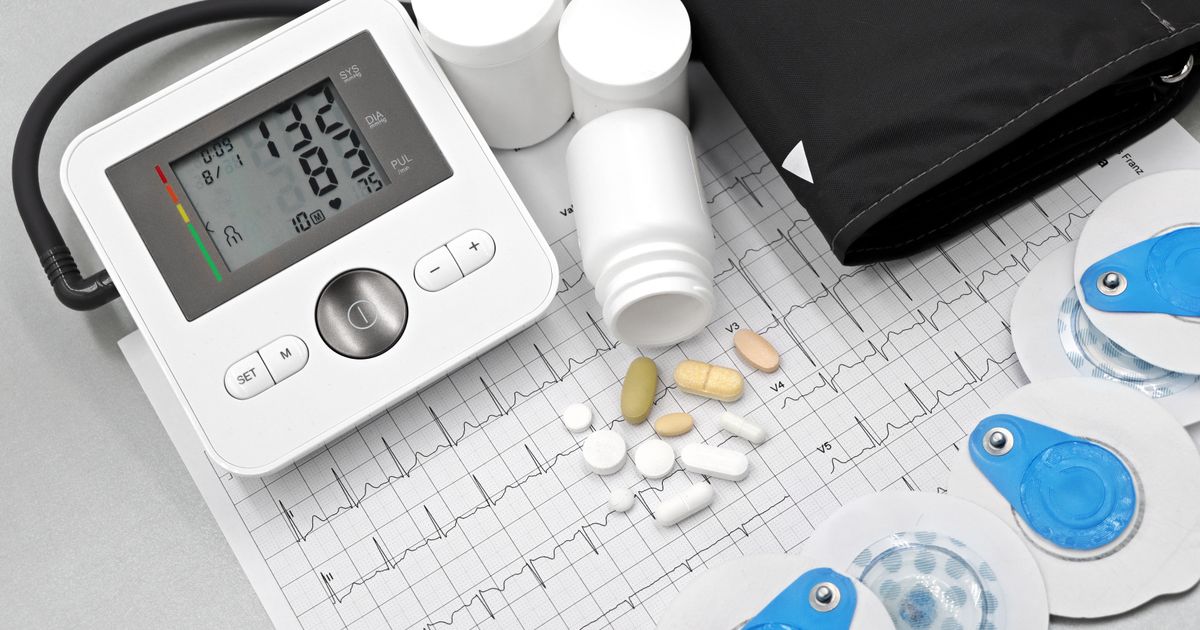
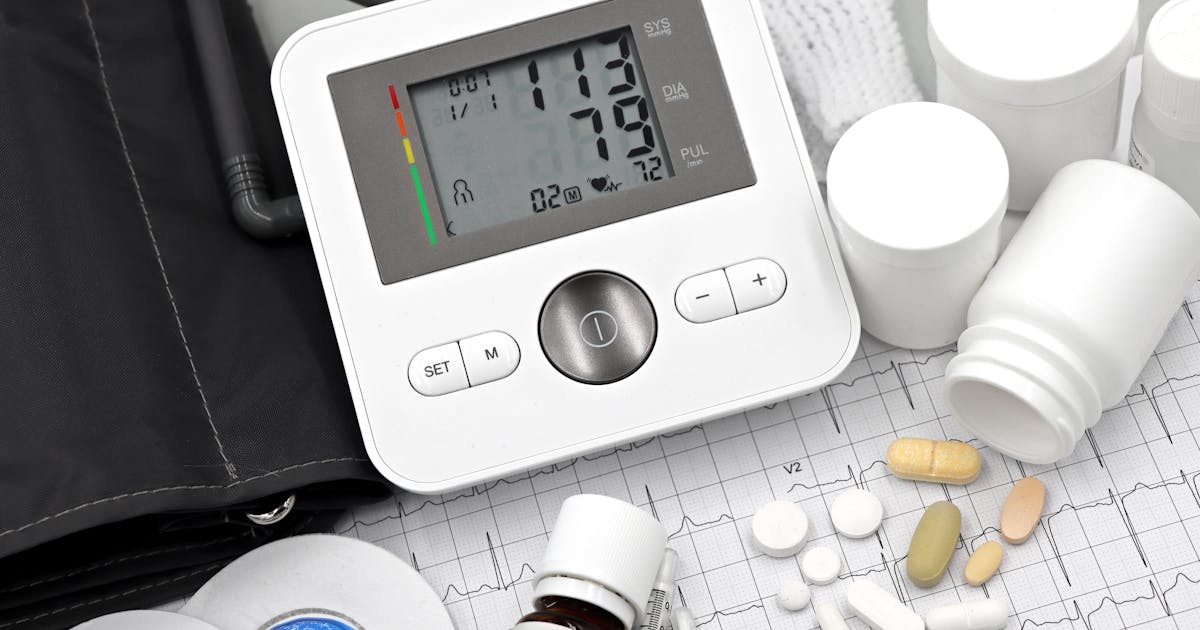
Photo by Marta Branco on Pexels
The Science Behind Breakthrough Cardiovascular Research Changes
At the core of these paradigm shifts lies a deeper understanding of cardiovascular biology. Recent research highlights the role of inflammation as a critical driver of atherosclerosis, the process by which plaque builds up inside arteries. Unlike traditional cholesterol-focused models, studies from the 2023 INTERHEART trial demonstrate that inflammatory markers such as high-sensitivity C-reactive protein (hs-CRP) are stronger predictors of heart attack risk than LDL cholesterol alone. Specifically, individuals with elevated hs-CRP levels had a 2.8 times higher risk of myocardial infarction, independent of other risk factors.
Another key discovery involves the identification of microRNAs-tiny non-coding RNA molecules-as early indicators of cardiovascular damage. A landmark 2024 study published in *Circulation Research* showed that specific microRNAs, particularly miR-126 and miR-133a, are detectable in blood samples years before clinical symptoms of heart disease manifest. These biomarkers not only predict risk but also reveal the underlying molecular pathways driving arterial stiffness and plaque formation, enabling targeted interventions.
Genetic research has also advanced the field, with polygenic risk scores now allowing clinicians to assess an individual’s lifetime cardiovascular risk based on multiple genetic variants. According to the UK Biobank study involving over 500,000 participants, individuals in the top 5% for polygenic risk had a threefold increased likelihood of developing coronary artery disease compared to those in the bottom 5%. These scores complement traditional risk calculators, offering a more personalized approach to prevention.
Key Risk Factors and Warning Signs
While traditional risk factors such as smoking, diabetes, and hypertension remain critical, newer research emphasizes the importance of less recognized contributors. Metabolic syndrome-a cluster of conditions including abdominal obesity, elevated triglycerides, low HDL cholesterol, and insulin resistance-has been linked to a 2.3 times higher risk of cardiovascular events. The American Heart Association reports that more than 35% of U.S. adults meet the criteria for metabolic syndrome, highlighting the urgent need for widespread screening.
Emerging risk factors also include environmental exposures, such as fine particulate matter (PM2.5) from air pollution. A 2023 study in *The Lancet Planetary Health* found that long-term exposure to PM2.5 levels above 10 µg/m³ increased the risk of ischemic heart disease by 12% per 5 µg/m³ increment. These findings underscore the importance of public health policies targeting air quality alongside individual lifestyle changes.
Warning signs of heart disease often appear subtly but should never be ignored. Beyond the classic symptoms like chest pain or shortness of breath, other red flags include unexplained fatigue, sudden dizziness, or intermittent claudication (leg pain during walking). Women and older adults may experience atypical symptoms such as nausea or back pain. Recognizing these signs early and seeking prompt medical evaluation can be lifesaving, as delays in treatment are strongly associated with poorer outcomes.

Photo by www.kaboompics.com on Pexels
Evidence-Based Strategies and Solutions
Building on the latest research, prevention strategies now prioritize early intervention, precision medicine, and holistic risk management. Below are five evidence-based steps individuals can take to reduce their cardiovascular risk, backed by clinical trials and expert consensus.
- Optimize Inflammatory Biomarkers: Incorporate anti-inflammatory foods such as fatty fish (rich in omega-3s), leafy greens, and berries into your diet. Studies from the Nurses’ Health Study show that women consuming the most omega-3s had a 30% lower risk of heart disease. Consider discussing hs-CRP testing with your healthcare provider; levels below 1 mg/L are associated with optimal cardiovascular health.
- Monitor MicroRNA Levels: While routine microRNA testing is not yet standard, individuals with a family history of heart disease may benefit from discussing advanced biomarker testing with their cardiologist. Research suggests that early detection of miR-126 and miR-133a could prompt lifestyle or pharmacological interventions before plaque formation begins.
- Address Metabolic Syndrome: Lifestyle modifications targeting metabolic syndrome should focus on weight loss, increased physical activity, and dietary adjustments. The Look AHEAD trial demonstrated that a 7% reduction in body weight over one year reduced the incidence of cardiovascular events by 21% in high-risk individuals. Aim for at least 150 minutes of moderate exercise weekly, such as brisk walking or cycling.
- Reduce Air Pollution Exposure: Limit outdoor activities during high pollution days, use air purifiers indoors, and advocate for community-level air quality improvements. Research from the ESCAPE project indicates that reducing PM2.5 exposure by 20% could prevent thousands of cardiovascular deaths annually in urban areas.
- Leverage Polygenic Risk Scores: If you have a strong family history of heart disease, ask your healthcare provider about polygenic risk scoring. This test combines genetic data to estimate your lifetime risk, enabling tailored prevention strategies. For example, individuals identified as high-risk may benefit from earlier statin therapy or more aggressive blood pressure control.
Latest Research and Expert Insights
Cutting-edge research continues to redefine cardiovascular prevention. A 2024 study from the *European Heart Journal* examined the impact of early statin therapy in individuals with elevated inflammatory markers but no visible plaque. Participants who started statins at the first sign of hs-CRP elevation saw a 44% reduction in major cardiovascular events over five years compared to those who waited for symptoms to appear. This finding challenges the traditional practice of delaying statin therapy until plaque is detectable on imaging.
Expert consensus increasingly supports a “risk reclassification” approach, where individuals previously deemed low-risk based on traditional models are re-evaluated using advanced biomarkers. The 2023 ACC/AHA guidelines now recommend incorporating hs-CRP and coronary artery calcium (CAC) scoring into risk assessments for intermediate-risk patients. CAC scoring, which measures calcium deposits in coronary arteries, has been shown to reclassify 20-30% of individuals to a higher or lower risk category, leading to more appropriate treatment decisions.
Looking ahead, the future of cardiovascular prevention lies in precision medicine and digital health tools. Wearable devices capable of detecting subtle changes in heart rate variability or blood pressure patterns are being tested for their ability to predict adverse cardiac events weeks in advance. Additionally, artificial intelligence algorithms are being developed to analyze ECG data and identify high-risk patterns that may be missed by human interpretation. These innovations promise to democratize early detection, making advanced cardiovascular monitoring accessible to a broader population.
Frequently Asked Questions
What are the most reliable biomarkers for early heart disease detection?
The most reliable biomarkers currently include high-sensitivity C-reactive protein (hs-CRP) for inflammation, coronary artery calcium (CAC) score for plaque burden, and specific microRNAs like miR-126 for endothelial dysfunction. Lipoprotein(a) [Lp(a)], a genetic variant of LDL cholesterol, is also gaining recognition as a strong predictor of early atherosclerosis, with elevated levels (>50 mg/dL) increasing risk by up to twofold. Regular monitoring of these biomarkers can help identify at-risk individuals before symptoms develop.
Can lifestyle changes alone reverse early-stage heart disease?
Yes, in many cases, aggressive lifestyle interventions can halt or even reverse early-stage heart disease. The Ornish Lifestyle Medicine program demonstrated that a plant-based diet, regular exercise, stress management, and social support could reduce coronary artery plaque volume by 2.2% over one year in patients with moderate to severe coronary artery disease. Similarly, the Mediterranean diet has been shown to reduce cardiovascular events by 30% in high-risk individuals. However, adherence to these programs is critical, and some patients may require medication alongside lifestyle changes.
How often should I get screened for heart disease if I’m at low risk?
Current guidelines recommend baseline cardiovascular screening starting at age 20, with follow-up every 4-6 years for low-risk individuals. However, if you have a family history of early heart disease or elevated biomarkers, more frequent screening-such as annual hs-CRP or CAC testing-may be warranted. The American Heart Association suggests that adults aged 40-75 should undergo a 10-year atherosclerotic cardiovascular disease (ASCVD) risk assessment every 4-6 years to guide prevention strategies.
Is it true that sitting for long periods increases heart disease risk even if I exercise regularly?
Yes, prolonged sitting has been independently linked to an increased risk of heart disease, even among individuals who meet exercise guidelines. A 2023 meta-analysis in *Circulation* found that each additional hour of sedentary time per day was associated with a 2% higher risk of cardiovascular events. The mechanism involves reduced blood flow, increased insulin resistance, and disruption of metabolic processes. To counteract this, take short movement breaks every 30-60 minutes, such as standing, stretching, or walking, and consider using a standing desk if possible.
Conclusion and Key Takeaways
The landscape of cardiovascular prevention is undergoing a profound transformation, driven by advances in biomarkers, imaging, and precision medicine. Gone are the days when risk assessment relied solely on cholesterol levels and blood pressure. Today, clinicians can identify at-risk individuals years before symptoms appear, enabling proactive interventions that save lives. The integration of inflammatory markers, microRNAs, and genetic data is not just a scientific achievement-it is a public health revolution with the potential to drastically reduce the global burden of heart disease.
For individuals, the message is clear: take control of your cardiovascular health by adopting a proactive approach. Prioritize regular biomarker testing, embrace a heart-healthy diet, stay physically active, and advocate for policies that reduce environmental risks. Remember, heart disease is preventable-and with the right tools and knowledge, it is increasingly detectable and treatable long before it becomes life-threatening. Consult your healthcare provider to discuss personalized prevention strategies tailored to your unique risk profile. Your heart’s future depends on the choices you make today.
