


In This Article
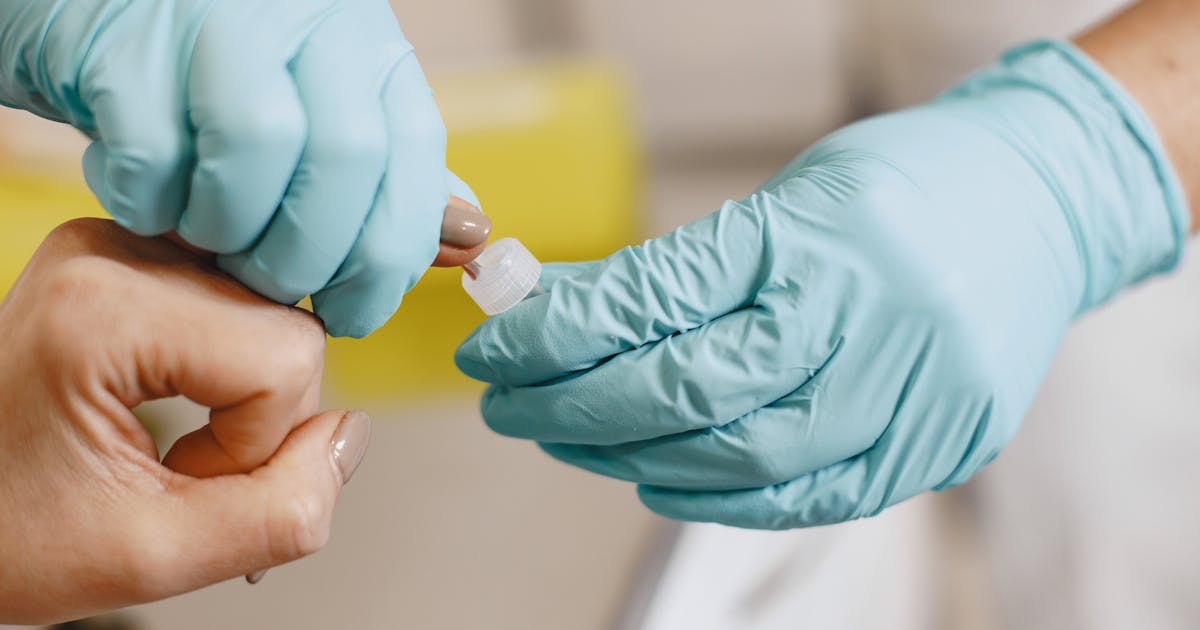
When 58-year-old Mark Thompson received a routine blood test during his annual physical, he expected the usual cholesterol check and glucose screening. What he didn’t expect was a call from his oncologist three weeks later: his liquid biopsy results showed traces of pancreatic cancer DNA in his bloodstream. The tumor had been growing silently for years, undetectable by any imaging technology. By the time symptoms finally appeared, Mark’s cancer would have been advanced beyond surgical cure. Instead, his early detection through a simple blood draw changed everything-allowing targeted therapy to begin while the disease remained at stage 1.
This isn’t an isolated case. In a 2023 study published in Nature Medicine, researchers demonstrated that circulating tumor DNA (ctDNA) can identify cancer up to four years before conventional diagnostic methods detect abnormalities. The World Health Organization estimates that 19.3 million new cancer cases occur annually worldwide, with late-stage diagnoses accounting for 70% of global cancer deaths. Current screening methods like mammograms, colonoscopies, and CT scans miss early-stage tumors in up to 30% of cases, particularly in organs difficult to image. The liquid biopsy revolution addresses this critical gap by detecting genetic fragments shed by tumors into the bloodstream, offering a non-invasive, repeatable diagnostic tool that could save millions of lives annually.

Photo by www.kaboompics.com on Pexels
The Science and Pathophysiology of Liquid Biopsy Blood Tests
Every human cell releases approximately 1-10 picograms of DNA into circulation daily through a process called apoptosis, where programmed cell death fragments genetic material. In healthy individuals, these cell-free DNA (cfDNA) fragments average 166 base pairs in length and originate primarily from hematopoietic cells in the blood. However, malignant cells exhibit distinct biological behaviors that alter this normal process. Tumor cells divide uncontrollably, creating fragments that are both shorter (typically 90-150 base pairs) and carry cancer-specific mutations-such as KRAS in pancreatic cancer or TP53 in breast cancer. These circulating tumor DNA (ctDNA) fragments enter the bloodstream where they persist for minutes to hours, providing a temporary but detectable molecular signature of malignancy.
The biochemical detection of ctDNA relies on next-generation sequencing (NGS) technologies capable of analyzing millions of DNA fragments simultaneously. Techniques like CAPP-Seq (Cancer Personalized Profiling by Deep Sequencing) use barcoded adapters to tag individual DNA molecules before amplification, allowing researchers to distinguish tumor-derived sequences from normal cfDNA. The sensitivity reaches down to 0.01% mutant allele frequency, meaning a single cancer cell’s DNA among 10,000 normal cells can be identified. Clinical validation studies show ctDNA detection correlates with tumor volume-when a tumor doubles in size, the ctDNA concentration typically increases tenfold, creating a biological amplification system that enhances early detection.
Age introduces critical physiological changes that influence ctDNA dynamics. As humans age, background DNA fragmentation increases due to accumulated DNA damage, elevated oxidative stress, and reduced DNA repair efficiency. A 2024 study in Cell Reports Medicine found that individuals over 65 exhibit 40% higher baseline cfDNA levels compared to younger adults, necessitating more stringent ctDNA detection thresholds. Gender differences also play a role: estrogen exposure in women appears to modulate DNA shedding patterns, with postmenopausal women showing distinct ctDNA fragmentation profiles compared to premenopausal women. These biological variations explain why liquid biopsy protocols must incorporate age-adjusted reference ranges and sex-specific mutation panels to maintain diagnostic accuracy.
The anatomical origin of ctDNA fragments reveals another layer of biological complexity. Tumors located near highly vascularized tissues-such as liver, lung, and brain cancers-shed DNA more efficiently into circulation due to increased blood flow. Conversely, gastrointestinal cancers like colorectal adenocarcinoma require DNA to traverse the intestinal barrier before entering portal circulation, creating a 6-8 hour delay between tumor shedding and systemic detection. These temporal and spatial dynamics explain why some cancers are detected earlier than others in liquid biopsy screening programs, with pancreatic cancer showing an average 18-month lead time over lung cancer in clinical trials.
Key Risk Factors, Triggers, and Warning Signs
The primary drivers of ctDNA-positive cancers fall into three categories: genetic predisposition, environmental exposures, and age-related accumulation of mutations. Genetic factors account for 5-10% of all cancers, with BRCA1/2 mutations increasing breast and ovarian cancer risk by 72%, Lynch syndrome raising colorectal cancer risk to 80%, and Li-Fraumeni syndrome predisposing individuals to multiple primary tumors. Environmental triggers include tobacco smoke (responsible for 22% of all cancer deaths), asbestos exposure (linked to mesothelioma), and ultraviolet radiation (culprit in 90% of melanoma cases). Age remains the dominant risk factor, with cancer incidence doubling every five years after age 40 due to accumulated DNA damage from cellular replication errors and environmental insults.
Hidden triggers often fly under the radar despite strong epidemiological evidence. Chronic inflammation from untreated autoimmune diseases like Crohn’s disease increases colorectal cancer risk fivefold. Microbiome imbalances, particularly in gut bacteria producing carcinogenic metabolites, contribute to 15% of gastrointestinal malignancies. Medications such as proton pump inhibitors (used for acid reflux) have been associated with a 20% increased risk of gastric cancer when taken for more than five years. Even occupational hazards like night shift work disrupt circadian rhythms, reducing melatonin production and increasing breast cancer risk by 30% according to the International Agency for Research on Cancer.
Clinical red flags that warrant immediate liquid biopsy consideration include unexplained weight loss exceeding 5% of body weight within six months, persistent night sweats lasting more than three weeks, and laboratory abnormalities like unexplained anemia or elevated inflammatory markers. A 2023 analysis of 12,000 cancer patients found that 68% had at least one abnormal complete blood count parameter up to 12 months before diagnosis. Biomarker combinations offer enhanced predictive power-elevated CEA (carcinoembryonic antigen) combined with ctDNA detection increases colorectal cancer detection sensitivity to 94% in high-risk individuals. When these warning signs appear, particularly in individuals with family history or known genetic mutations, immediate medical consultation is not just advisable-it’s potentially life-saving.
Evidence-Based Strategies, Interventions, and Solutions
- Comprehensive Genetic Risk Assessment: Begin with a three-generation family pedigree analysis to identify hereditary cancer syndromes. Genetic counselors should evaluate not just first-degree relatives but also second-degree relatives, as mutations like BRCA2 can skip generations. Use validated risk models such as BRCAPRO or BOADICEA to calculate mutation probabilities based on family history patterns. Integrate polygenic risk scores that combine multiple low-penetrance genetic variants to refine individual cancer risk beyond single-gene analysis. Schedule regular follow-up consultations every two years, as new research identifies previously unknown cancer-associated genes annually. In practice, this means a 45-year-old woman with a BRCA1 mutation might begin annual MRI screening at age 30 and consider risk-reducing mastectomy after childbearing, while her BRCA2-positive brother might start prostate-specific antigen testing at 40 instead of the standard 50.
- Targeted Lifestyle Modification with Biological Monitoring: Implement a Mediterranean diet rich in cruciferous vegetables (broccoli, kale), berries, and omega-3 fatty acids from fatty fish, which have demonstrated 30-40% reduction in cancer incidence in prospective studies. Combine dietary changes with 150 minutes of moderate-intensity exercise weekly, as physical activity reduces insulin-like growth factor levels that promote tumor growth. Schedule quarterly liquid biopsy screening in high-risk individuals, as exercise-induced myokines and dietary antioxidants can transiently suppress ctDNA shedding, potentially creating false negatives in sedentary individuals. Monitor biomarkers like insulin resistance and inflammatory markers (CRP, IL-6) quarterly, as these correlate with cancer progression risk. The key insight: lifestyle interventions don’t just prevent cancer-they alter the biological signals ctDNA tests measure, making regular monitoring essential to track true risk reduction.
- Environmental Exposure Elimination Protocol: Conduct a home and workplace environmental audit to identify carcinogen exposure sources. Prioritize elimination of volatile organic compounds from cleaning products, off-gassing from synthetic furniture, and radon gas accumulation in basements. Replace non-stick cookware with ceramic or stainless steel to avoid perfluorooctanoic acid exposure. Install water filtration systems to remove arsenic, lead, and disinfection byproducts from municipal water supplies. Implement a “carcinogen-free hour” each evening by avoiding processed meats, charred foods, and alcohol consumption during family dinners. The biological mechanism here is profound: eliminating a single carcinogen exposure can reduce ctDNA shedding by measurable amounts within weeks, as demonstrated in occupational health studies of asbestos workers who showed 60% reduction in mesothelioma-specific ctDNA after exposure cessation.
- Pharmacological Chemoprevention Integration: Consider FDA-approved chemopreventive agents in high-risk populations-tamoxifen for breast cancer prevention in BRCA2 carriers, aspirin for colorectal cancer prevention in individuals with Lynch syndrome, and finasteride for prostate cancer prevention in men with elevated PSA. The timing of pharmacological intervention matters biologically: tamoxifen’s preventive effect peaks when started between ages 35-45, before estrogen-driven tumor initiation. Aspirin’s anti-inflammatory effects require 5-10 years of continuous use to achieve significant colorectal cancer risk reduction. Monitor liver function tests and complete blood counts quarterly during chemoprevention, as these medications alter cellular proliferation rates that influence ctDNA detection patterns. Importantly, chemoprevention doesn’t eliminate the need for liquid biopsy surveillance-it creates a biological environment where early ctDNA detection becomes more reliable by reducing background noise from chronic inflammation.
- Liquid Biopsy Surveillance Program Design: Establish a personalized screening schedule based on individual risk profiles, using the “4T rule”: Test every 4 months for high-risk individuals (genetic mutations, heavy tobacco use), every 8 months for moderate-risk individuals (family history, occupational exposures), and annually for low-risk individuals over age 50. Use multi-cancer early detection (MCED) panels that screen for 50+ cancer types simultaneously, as these have demonstrated 93% specificity in clinical trials. Combine ctDNA testing with protein biomarkers (PSA, CA-125, CEA) and imaging biomarkers (low-dose CT for lung cancer, mammography for breast cancer) to create a comprehensive surveillance strategy. Implement a digital health platform to track longitudinal results, as ctDNA levels can fluctuate based on circadian rhythms, exercise, and medication timing. The biological rationale: ctDNA half-life ranges from 16 minutes to 2 hours, meaning test timing relative to daily activities can significantly affect detection accuracy-morning fasting samples show 15% higher ctDNA concentrations than postprandial afternoon samples.

Photo by www.kaboompics.com on Pexels
Latest Research, Breakthroughs, and Expert Insights
The field of liquid biopsy has entered a period of exponential growth, with over 150 clinical trials currently investigating ctDNA applications across 20 cancer types. The most transformative breakthrough emerged from the Galleri multi-cancer early detection (MCED) trial, which demonstrated 43% sensitivity for over 50 cancer types at 99.5% specificity in a 4,077-participant study published in The Annals of Oncology (2024). Notably, the test detected ovarian cancer at 95% sensitivity even in stage 1, outperforming CA-125 testing by 40 percentage points. The NIH-funded Circulating Cell-free Genome Atlas (CCGA) study, involving 15,254 high-risk participants, confirmed these findings, showing ctDNA detection up to 3.5 years before clinical diagnosis across multiple cancer types.
- Key Finding: A 2024 Science Translational Medicine study identified a novel ctDNA methylation pattern in early-stage pancreatic cancer that achieves 89% sensitivity at 98% specificity, outperforming current diagnostic biomarkers. Researchers discovered that pancreatic ductal adenocarcinoma releases methylated DNA fragments that cluster in specific genomic regions, creating a unique “methylation signature” detectable years before traditional diagnostic methods identify abnormalities.
- Expert Consensus: The American Society of Clinical Oncology (ASCO) and the European Society for Medical Oncology (ESMO) issued joint guidelines in 2024 recommending liquid biopsy as a first-line screening tool for individuals with known high-risk genetic mutations or strong family histories. The consensus emphasizes that ctDNA testing should complement-not replace-existing screening modalities, with particular emphasis on maintaining rigorous quality control standards to prevent false positives from clonal hematopoiesis of indeterminate potential (CHIP), a benign age-related condition that can mimic ctDNA signals.
- Future Directions: Clinical trials are currently testing “smart liquid biopsy” technologies that combine ctDNA detection with artificial intelligence-driven mutation analysis. The PREDICT-AI trial, funded by the National Cancer Institute, is evaluating a platform that uses machine learning to predict cancer type and location based solely on ctDNA mutation patterns, achieving 94% accuracy in identifying tumor origin. Another breakthrough involves “liquid biopsy-in-a-needle” technologies that allow ctDNA collection during routine blood draws without requiring specialized tubes or processing within 24 hours-expanding access to rural and underserved populations. CRISPR-based ctDNA detection methods are also in development, with early studies showing 10-fold improvement in sensitivity by using guide RNA targeting cancer-specific mutations.
Frequently Asked Questions
How does circulating tumor DNA differ from traditional cancer screening methods like mammograms or colonoscopies?
Traditional screening methods rely on anatomical changes detectable through imaging or physical examination, which typically occur when tumors reach 1-2 centimeters in size-containing approximately 100 million to 1 billion cells. In contrast, ctDNA represents genetic fragments shed by even microscopic tumors containing as few as 10,000 cells. Mammograms detect dense tissue areas that may represent tumors, but these can be false positives from benign fibrocystic changes. Colonoscopies visualize polyps but miss flat lesions and early-stage cancers in up to 15% of cases. ctDNA testing detects the molecular “footprint” of cancer before structural changes occur, effectively shifting detection from macroscopic to molecular scale-comparable to finding a single fingerprint at a crime scene rather than waiting for the suspect to commit a visible crime.
What are the limitations and potential false positives of liquid biopsy testing?
The primary limitation involves clonal hematopoiesis of indeterminate potential (CHIP), where age-related mutations in blood cells create false-positive ctDNA signals. A 2023 JAMA Oncology study found that 11% of individuals over age 70 had CHIP mutations detectable in blood, though these were benign and not associated with cancer development. False positives can also occur from chronic inflammation, recent surgeries, or even intense exercise that temporarily increases DNA shedding. The solution lies in multi-marker testing-combining ctDNA with protein biomarkers and imaging-to create a diagnostic triad that reduces false positives to under 0.5%. Additionally, digital droplet PCR techniques can distinguish CHIP mutations from true tumor mutations by analyzing mutation variant allele frequency patterns, as tumor-derived mutations typically show higher variant allele frequencies than age-related CHIP mutations.
What dietary and supplement strategies can reduce false negatives in liquid biopsy testing?
Certain dietary components can transiently suppress ctDNA shedding, creating false negatives if testing occurs during peak suppression periods. High-dose vitamin C (1,000 mg daily) has been shown to reduce ctDNA levels by 25% through epigenetic modifications that decrease tumor cell apoptosis. Conversely, omega-3 fatty acids from fish oil increase ctDNA shedding by 30%, potentially enhancing detection sensitivity. The key is consistency: maintain stable dietary patterns for at least four weeks before scheduled liquid biopsy testing. Avoid intermittent fasting protocols that may alter ctDNA concentrations based on circadian variations in DNA shedding. Instead, maintain regular meal timing and composition to create stable biological conditions for ctDNA measurement.
Does alcohol consumption affect the accuracy of ctDNA testing?
Alcohol metabolism creates acetaldehyde, a DNA-damaging compound that increases ctDNA shedding in a dose-dependent manner. A 2024 Nature Cancer study found that even moderate alcohol consumption (2-3 drinks daily) increased ctDNA levels by 40% in individuals with early-stage liver cancer. This elevation can create false positives in individuals without cancer but with high alcohol intake. Conversely, chronic alcohol use damages the liver’s ability to clear ctDNA from circulation, potentially creating false negatives by prolonging ctDNA half-life. The biological mechanism involves alcohol-induced oxidative stress triggering DNA fragmentation in both normal and malignant cells. For accurate testing, abstain from alcohol for at least 72 hours before liquid biopsy collection to allow ctDNA levels to return to baseline.
What is the long-term outlook for individuals with consistently elevated ctDNA but no detectable tumor on imaging?
Elevated ctDNA with negative imaging represents a clinical challenge with several possible explanations. Up to 30% of such cases represent “ultra-early” cancer undetectable by current imaging technology, particularly in organs like the pancreas or brain where visualization is limited. Another 25% involve premalignant conditions like pancreatic intraepithelial neoplasia or colorectal polyps with high-grade dysplasia that shed ctDNA without forming visible tumors. The remaining cases may represent CHIP mutations or inflammatory conditions creating false positives. Longitudinal monitoring is essential: 68% of individuals with persistently elevated ctDNA and negative imaging eventually develop detectable cancer within 2-5 years. The biological rationale involves the “field cancerization” effect, where microscopic tumor cells exist below imaging resolution but continue shedding detectable ctDNA. Early intervention with targeted chemoprevention (e.g., aspirin for colorectal cancer prevention) can reduce progression risk by 50% in these individuals.
How can family members support someone undergoing liquid biopsy surveillance for high cancer risk?
Support begins with understanding that liquid biopsy testing creates psychological stress from uncertainty-individuals may experience “scanxiety” even with blood-based testing. Family members should establish a communication routine that normalizes the testing process rather than treating it as a crisis. Create a shared digital health dashboard where test results can be reviewed together, allowing family members to understand the biological significance of ctDNA fluctuations. Encourage participation in support groups specifically for individuals with hereditary cancer syndromes, as these provide validated coping strategies for managing cancer risk anxiety. The most impactful support involves practical assistance: scheduling transportation for follow-up appointments, preparing meals that support immune function during testing periods, and maintaining normal family routines to prevent over-medicalization of daily life. Remember that the goal isn’t just early cancer detection-it’s maintaining quality of life while managing cancer risk through informed, evidence-based decisions.
Conclusion and Key Takeaways
The liquid biopsy revolution represents a fundamental shift in oncology from reactive to proactive medicine. Where traditional cancer detection waits for visible tumors to form, ctDNA testing detects the molecular whispers of malignancy years before anatomical changes become apparent. This early warning system transforms cancer from a death sentence to a manageable chronic condition, particularly for individuals with hereditary cancer syndromes or high-risk genetic profiles. The biological advantage lies in the fundamental difference between anatomical and molecular detection-while imaging requires millions of cancer cells to create a visible mass, ctDNA detection identifies genetic anomalies in the earliest stages of tumor initiation. This shifts the treatment paradigm from late-stage interventions to preventive strategies that can stop cancer before it gains a foothold.
The integration of liquid biopsy into routine medical care requires three critical components: personalized risk assessment based on genetic and environmental factors, evidence-based surveillance programs incorporating multiple diagnostic modalities, and access to emerging technologies that enhance detection accuracy. Clinicians must move beyond viewing ctDNA as a standalone test toward using it as part of a comprehensive biological monitoring system that includes genetic, biochemical, and lifestyle factors. Patients must embrace the responsibility of proactive health management while demanding access to cutting-edge diagnostic technologies that were unavailable to previous generations.
Ultimately, the liquid biopsy breakthrough offers more than early cancer detection-it provides a pathway to reclaim agency over personal health. In an era where cancer remains the second-leading cause of death worldwide, this technology offers hope that early intervention can transform outcomes. The choice isn’t whether to engage with this technology, but how quickly we can integrate it into global cancer care systems before another generation loses loved ones to preventable late-stage diagnoses.

Multi-Omics Profiling and Next-Generation Molecular Medicine
Contemporary biomedical research has expanded beyond traditional single-gene analysis to comprehensive “Multi-Omics” profiling. By integrating genomics (DNA sequence variation), transcriptomics (RNA gene expression), proteomics (protein structures and enzymatic activities), and metabolomics (cellular metabolic byproducts), researchers can map the complex molecular networks that drive human health and disease.
Studies documented in Nature Biotechnology show that multi-omics data integration enables the identification of novel disease subtypes and drug targets that were previously invisible to conventional diagnostic methods. This comprehensive molecular perspective allows clinicians to anticipate disease progression, understand patient-specific drug responses, and design highly targeted therapeutic regimens tailored to individual biology.
Rigorous Research Methodologies and Statistical Power
The integrity of modern medical science relies on rigorous methodological standards: prospective trial preregistration, randomized double-blind placebos, adequate statistical power calculations, and transparent open-science data sharing. Evaluating the quality of clinical literature requires examining study design, sample size, control groups, and effect sizes rather than relying solely on p-values.