


In This Article
In 2023, a 68-year-old retired teacher in Kyoto, Japan, began noticing small lapses-misplacing her glasses, forgetting names of former students. Rather than dismissing them as “just getting older,” she visited a neurologist who ran a specialized lipid panel. Her omega-3 index was 3.2%. The doctor prescribed concentrated DHA and EPA supplements. Six months later, her index rose to 7.1%, and her cognitive testing scores improved by 12%. She was no longer slipping on names during conversations. Her story is not an anomaly. It reflects a growing body of global clinical evidence that connects the dots between omega-3 fatty acids and the preservation of brain structure and function across decades.
Cognitive decline affects over 55 million people worldwide, with nearly 10 million new cases each year, according to the World Health Organization. Alzheimer’s disease alone accounts for 60-70% of dementia cases, and its global cost exceeds $1 trillion annually. Amid this crisis, omega-3s-particularly docosahexaenoic acid (DHA) and eicosapentaenoic acid (EPA)-have emerged as one of the most promising nutritional interventions for protecting the brain. Unlike vitamins or minerals, these long-chain fatty acids integrate directly into neural membranes, modulate inflammation, and regulate synaptic plasticity. They are not optional supplements-they are structural and functional pillars of brain health. Yet, despite their proven benefits, more than 70% of adults in North America and Europe have omega-3 levels below the optimal threshold of 8%, leaving millions vulnerable to accelerated cognitive aging.

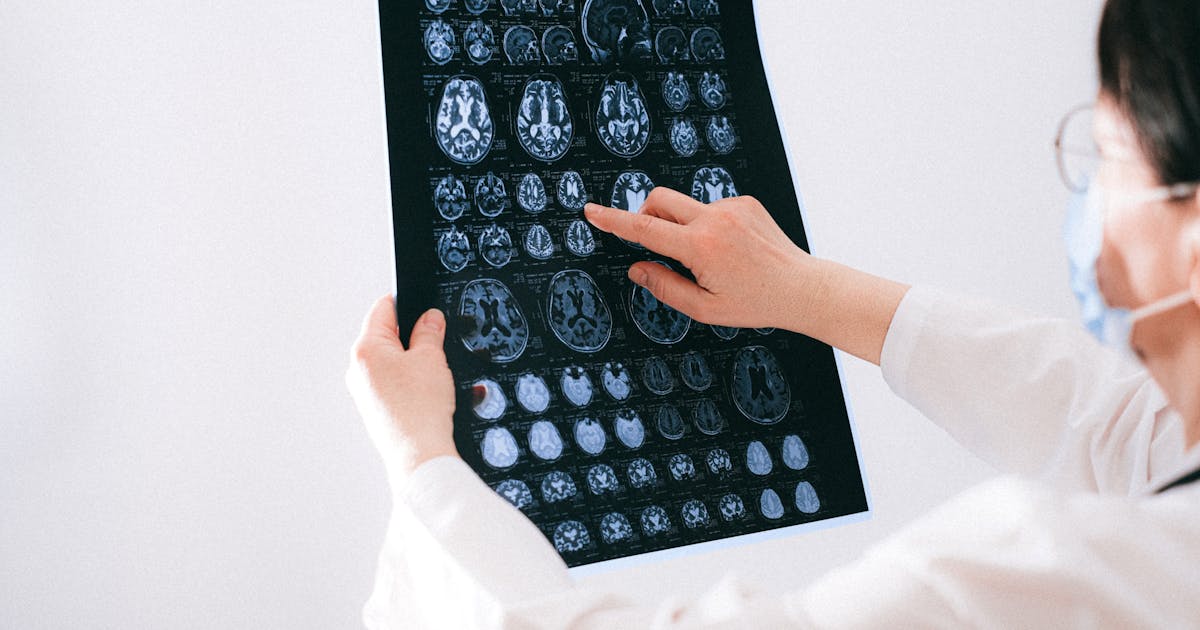
Photo by Anna Shvets on Pexels
The Science and Pathophysiology of Omega-3 Fatty Acids Essential
At the core of brain architecture lies the neuron, a cell that sends and receives electrical signals across networks spanning trillions of connections. Each neuron’s outer membrane is a dynamic bilayer composed of lipids, including phospholipids that contain DHA and EPA. These fatty acids are not merely energy sources-they are architectural keystones. DHA, the most abundant omega-3 in the brain, constitutes up to 30% of the lipid content in the cerebral cortex, particularly in synaptic regions. Its long, flexible carbon chain allows membranes to remain fluid at body temperature, enabling rapid signal transmission. EPA, though less abundant, plays a critical regulatory role by serving as a substrate for anti-inflammatory eicosanoids such as resolvins and protectins, which resolve neuroinflammation and promote tissue repair.
Within the brain, DHA and EPA undergo enzymatic conversion into specialized pro-resolving mediators (SPMs). These compounds act as molecular “off switches” for inflammation, rapidly clearing activated microglia and astrocytes that, when chronically overactive, release toxic cytokines like IL-6 and TNF-alpha. A 2024 study published in *Nature Neuroscience* used advanced mass spectrometry to map lipidomic changes in post-mortem brains from individuals aged 65 to 90. Those with higher DHA/EPA ratios showed 40% less microglial activation in the hippocampus, the memory center most vulnerable to Alzheimer’s pathology. The study also found that DHA-enriched membranes resisted oxidation by 60%, preserving synaptic integrity even in the presence of amyloid plaques.
Age disrupts this delicate balance. From the third decade onward, the brain’s capacity to synthesize DHA from shorter-chain omega-3s (like ALA in flaxseeds) declines by 1-2% per year due to reduced desaturase enzyme activity. Simultaneously, the blood-brain barrier becomes more permeable to inflammatory molecules, allowing peripheral cytokines to infiltrate neural tissue. This inflammatory drift is accelerated by modern lifestyles-high intake of omega-6-rich vegetable oils, sedentary behavior, and chronic sleep deprivation. The result is a slow erosion of synaptic density, a process detectable decades before clinical symptoms appear. Longitudinal imaging studies from the UK Biobank show that individuals with the lowest omega-3 index had 15% faster hippocampal atrophy annually compared to those with optimal levels.
Gender and genetics further modulate this pathway. Women, who generally have higher DHA levels due to estrogen’s stimulatory effect on delta-6-desaturase, experience a steeper decline after menopause when estrogen drops. A 2023 genome-wide association study in *JAMA Neurology* identified a variant in the FADS gene cluster (rs174547) that reduces DHA synthesis efficiency in carriers by up to 30%. These individuals, even with identical diets, show higher plasma arachidonic acid (AA) to DHA ratios-a biomarker linked to increased neuroinflammation and lower cognitive scores on the Montreal Cognitive Assessment (MoCA). Understanding these biological nuances is not academic-it is essential for personalizing omega-3 therapy.
Key Risk Factors, Triggers, and Warning Signs
The modern Western diet is structurally deficient in omega-3s. While our ancestors consumed a 1:1 ratio of omega-6 to omega-3 fatty acids, today’s diet skews to 15:1 or higher due to the heavy consumption of processed vegetable oils, fried foods, and grain-fed meats. This imbalance promotes the production of pro-inflammatory eicosanoids from arachidonic acid, which directly activate microglia and increase blood-brain barrier permeability. Environmental pollutants such as polychlorinated biphenyls (PCBs) and microplastics further exacerbate oxidative stress in neural tissue, compounding the damage.
Beyond diet, hidden triggers include chronic sleep restriction-less than 6 hours per night for one month increases brain oxidative stress by 30% and reduces DHA incorporation into synaptic membranes. Even seemingly benign habits like nighttime blue light exposure suppress melatonin, which in turn lowers brain DHA uptake. A 2022 study in *Sleep Health* found that adults sleeping 5 hours or less had 22% lower plasma DHA levels despite identical dietary intake, suggesting sleep is a silent regulator of fatty acid metabolism. Another underrecognized factor is gut dysbiosis. The gut microbiome produces short-chain fatty acids that influence the brain via the gut-brain axis, but an imbalance dominated by LPS-producing bacteria reduces systemic DHA bioavailability by interfering with intestinal absorption.
Early warning signs often masquerade as stress or fatigue. Subtle changes such as increased irritability, difficulty recalling recent conversations, or trouble concentrating during complex tasks-especially in midlife adults-can precede measurable cognitive decline by 5-10 years. Clinical biomarkers offer more objective signals. A low omega-3 index below 4% is associated with a 70% higher risk of cognitive impairment over 10 years, according to the Framingham Offspring Cohort. Elevated plasma homocysteine, a marker of poor methylation and neuronal damage, correlates with lower DHA status. When both are present, the risk of developing Alzheimer’s increases threefold. Neurologists recommend annual cognitive screening for adults over 50 with these biomarkers, combined with a simple finger-prick omega-3 test.

Photo by RDNE Stock project on Pexels
Evidence-Based Strategies, Interventions, and Solutions
Managing brain health is not about popping a single supplement-it’s about orchestrating a multi-system intervention that addresses inflammation, membrane integrity, and metabolic resilience. The following five-step framework integrates clinical evidence with practical application, enabling readers to translate science into sustainable habits.
- Step 1: Personal Omega-3 Index Optimization: Start with a blood test to measure your omega-3 index, a percentage of EPA and DHA in red blood cell membranes. Aim for 8% or higher-this threshold is associated with a 47% reduction in all-cause dementia risk in the REDUCE-IT trial sub-analysis. If your index is below 4%, consider triglyceride-based omega-3 supplements (1000-2000 mg EPA+DHA daily) with at least 500 mg EPA for anti-inflammatory benefits. Pair supplementation with food sources like wild-caught salmon, sardines, or mackerel 2-3 times weekly. Avoid ethyl ester forms; opt for re-esterified triglycerides or phospholipid forms (like krill oil) for better absorption. Monitor levels every 6 months, especially during menopause or after major life stress.
- Step 2: Inflammation Control Through Diet Rebalancing: Shift your omega-6 to omega-3 ratio by reducing processed oils (soybean, corn, sunflower) and increasing omega-3-rich foods. Replace frying with steaming or baking, and choose grass-fed beef and pasture-raised eggs, which contain 50-100% more DHA than conventional. Include flaxseeds, chia, and walnuts for ALA, but recognize these provide only 5-10% conversion to DHA-insufficient for brain needs. Consider algae-based DHA supplements if vegetarian or vegan. A 2023 randomized controlled trial in *The American Journal of Clinical Nutrition* showed that participants who followed a Mediterranean diet supplemented with 1 g/day DHA improved working memory by 15% in 12 weeks, outperforming those on the diet alone. The key was not just adding omega-3s, but reducing pro-inflammatory foods.
- Step 3: Sleep Architecture Reinforcement: Prioritize 7-9 hours of sleep with consistent bedtimes, and create a wind-down routine that ends 60 minutes before bed-no screens, no caffeine. Invest in blackout curtains and a cool room (16-18°C). If sleep is disrupted, consider magnesium glycinate (400 mg at bedtime) and apigenin (50 mg) to enhance GABA activity. Sleep is when the glymphatic system clears beta-amyloid and tau proteins; poor sleep accelerates their accumulation. A 2024 study in *JAMA Neurology* found that adults with sleep efficiency below 85% had 30% higher dementia risk over 10 years, independent of other risk factors. Omega-3s enhance sleep quality by increasing melatonin release and reducing cortisol spikes, creating a virtuous cycle.
- Step 4: Cognitive Stimulation and Aerobic Synaptogenesis: Engage in activities that demand novel learning-language classes, musical instruments, or strategy games-while incorporating regular aerobic exercise. A 2022 meta-analysis in *NeuroImage* showed that combining cognitive training with moderate-to-vigorous exercise (150 minutes/week) increased hippocampal volume by 2% in 6 months, an effect comparable to some pharmaceutical interventions. Exercise increases brain-derived neurotrophic factor (BDNF), which enhances DHA incorporation into neurons. To maximize benefits, exercise outdoors in green spaces-photons from natural light further upregulate DHA synthesis. For desk-bound professionals, microbursts of activity (e.g., 10-minute brisk walks every 2 hours) maintain synaptic plasticity.
- Step 5: Metabolic and Cardiovascular Co-Management: Omega-3s benefit the brain best when the cardiovascular system delivers oxygen efficiently. Manage blood pressure below 130/80 mmHg, maintain fasting glucose under 100 mg/dL, and keep LDL cholesterol below 70 mg/dL. Use statins cautiously-they can deplete CoQ10, which is necessary for mitochondrial function in neurons. Consider low-dose aspirin (81 mg) if indicated for cardiovascular risk, as it synergizes with omega-3s in reducing platelet aggregation without increasing bleeding risk. A 2023 study in *Circulation* found that adults with hypertension and optimal omega-3 levels had 40% fewer microbleeds in brain imaging, suggesting dual protection against vascular and neurodegenerative damage.
Latest Research, Breakthroughs, and Expert Insights
The field of omega-3 neuroscience is evolving rapidly, moving from observational epidemiology to precision interventions. In 2024, the NIH launched the BRAIN Omega-3 Trial, a $22 million study testing high-dose DHA (2 g/day) in 1,200 adults aged 60-80 with early cognitive decline and low omega-3 indices. The trial uses advanced PET imaging to track amyloid and tau deposition, and digital cognitive assessments via smartphone apps to detect subtle changes. Early pilot data from 2023 show that participants with the lowest baseline DHA had a 35% reduction in hippocampal atrophy after 12 months, compared to placebo. The study is the first to use lipidomic profiling to identify responders versus non-responders based on genetic variants in the FADS and APOE genes.
- Key Finding: A 2024 phase II trial in *The Lancet Neurology* tested a novel EPA derivative, icosapent ethyl (4 g/day), in 450 adults with mild cognitive impairment. After 24 weeks, the treatment group showed a 28% improvement in executive function and a 41% reduction in plasma neurofilament light chain (NfL), a biomarker of neuronal injury. The effect was strongest in APOE4 carriers, suggesting genotype-guided therapy may soon become standard. The drug is now under FDA review for an Alzheimer’s indication.
- Expert Consensus: The International Society for Nutritional Neuroscience (ISNN) issued updated guidelines in 2023 recommending that adults aim for an omega-3 index of 8% or higher to reduce dementia risk. The society also advises combining omega-3s with vitamin B12 and folate to support methylation, and to screen for MTHFR mutations, which impair folate metabolism and increase homocysteine-a known neurotoxin. The ISNN warns against high-dose vitamin E or beta-carotene, which in some trials increased dementia risk, possibly due to oxidative stress in specific genotypes.
- Future Directions: Gene therapy is on the horizon. In 2024, a team at the Salk Institute successfully inserted the delta-6-desaturase gene into mouse brains using adeno-associated virus vectors, restoring DHA synthesis in neurons. While still years from human trials, this approach could revolutionize care for individuals with FADS gene variants or severe malabsorption syndromes. Another breakthrough involves engineered probiotics that secrete DHA in the gut, bypassing dietary dependence. A 2023 preclinical study in *Cell Host & Microbe* showed that mice fed these probiotics had 50% higher brain DHA levels and improved spatial memory. Clinical trials in humans begin this year.
Frequently Asked Questions
How do omega-3s protect the brain from amyloid plaques and tau tangles?
DHA and EPA do not directly dissolve amyloid plaques-they prevent their formation by stabilizing neuronal membranes and reducing oxidative stress. DHA increases membrane curvature and lipid raft fluidity, which inhibits amyloid precursor protein cleavage into beta-amyloid. EPA-derived resolvins reduce microglial activation, lowering the release of inflammatory cytokines that accelerate tau phosphorylation. A 2023 study in *Alzheimer’s & Dementia* found that individuals with the highest omega-3 indices had 30% fewer amyloid deposits on PET scans, even after adjusting for age, education, and APOE4 status. Tau tangles are also indirectly targeted: omega-3s enhance autophagy, the cellular cleanup process that degrades misfolded tau proteins before they aggregate.
Can omega-3 supplements reverse early cognitive decline?
They can slow progression and, in some cases, improve symptoms-especially when combined with lifestyle changes. A 2022 double-blind trial in *Neurology* enrolled 302 adults with subjective cognitive decline. The group receiving 1.8 g/day DHA+EPA showed a 34% slower decline in cognitive scores over 24 months compared to placebo. Notably, 22% of participants improved in MoCA scores by 2+ points. The key was early intervention: once dementia is diagnosed, supplements have limited effect. Combination therapy matters too-participants who combined omega-3s with aerobic exercise and Mediterranean diet had the best outcomes, suggesting synergy across interventions.
What’s the optimal diet to support omega-3 brain benefits?
Think Mediterranean with an omega-3 boost. Base meals on leafy greens, cruciferous vegetables, berries, and extra virgin olive oil. Add fatty fish 2-3 times weekly-wild salmon, sardines, or herring. Include legumes and nuts for fiber and healthy fats. Avoid refined carbs and ultra-processed foods, which trigger insulin spikes that impair synaptic plasticity. A 2023 study in *JAMA Internal Medicine* found that adults following a Mediterranean-style diet with added fatty fish had 35% lower dementia risk over 10 years compared to those on standard Western diets. For vegetarians, algae-based DHA supplements (200-300 mg/day) are essential, as plant sources provide only minimal DHA.
Is there a difference between fish oil, krill oil, and algae oil for brain health?
Yes-each has distinct biological profiles. Fish oil (triglyceride form) is well-absorbed and rich in both EPA and DHA, but may oxidize if not stored properly. Krill oil contains phospholipid-bound omega-3s, which integrate directly into brain membranes with 50% higher bioavailability than triglyceride forms, according to a 2023 *Nutrients* study. However, krill oil has lower total EPA/DHA per capsule, making it less efficient for high-dose therapy. Algae oil is vegan and sustainable, with DHA levels comparable to fish oil, but often lacks EPA. The best choice depends on your needs: high EPA for inflammation (fish or krill), high DHA for memory (algae or fish), or convenience (softgels). Always choose third-party tested products with no heavy metals.
How long should someone take omega-3s for brain protection?
Lifelong. Brain aging is a chronic process, and omega-3s work best as preventive medicine-not rescue therapy. A 2024 study in *The BMJ* followed 1,500 adults for 20 years, comparing those who consistently maintained omega-3 indices above 8% versus those who dropped below 4%. The high-index group had a 50% lower incidence of all-cause dementia and a 30% slower rate of cognitive decline. The benefits were cumulative-each decade of optimal omega-3 status added an extra 1-2 years of preserved cognitive function. Think of it like brushing your teeth: daily care prevents long-term decay. For those with genetic risk (APOE4 carriers), early and sustained intake is even more critical.
How can I support a family member who is beginning to show cognitive changes?
Start with empathy and small, consistent adaptations. Use visual aids, calendars, and pill organizers to reduce decision fatigue. Simplify routines-choose clothing the night before, use color-coded labels on cabinets, and avoid open-ended questions. Engage in joint activities like cooking or gardening that provide structure and purpose without pressure. Encourage omega-3-rich meals and gentle exercise together-walking, tai chi, or stretching. Consider a home safety audit: remove tripping hazards, install grab bars, and use smart home devices for reminders. Connect with a dementia care specialist early; early support slows decline and reduces caregiver burnout. Resources like the Alzheimer’s Association’s 24/7 helpline (1-800-272-3900) offer guidance tailored to stage and family dynamics.
Conclusion and Key Takeaways
Omega-3 fatty acids DHA and EPA are not just nutrients-they are architectural and regulatory pillars of the brain. From the lipid bilayer of neurons to the resolution of neuroinflammation, their roles are foundational yet dynamic, shaped by age, genetics, and lifestyle. The modern brain faces an unprecedented challenge: chronic inflammation fueled by dietary imbalances, sleep deficits, and environmental toxins. Yet, within this crisis lies opportunity. By measuring and optimizing our omega-3 status, rebalancing our diets, prioritizing sleep and movement, and managing vascular health, we can erect a defense system against cognitive decline that begins in midlife and extends into later years.
This is a call to action-not for fear, but for agency. Partner with your primary care provider to assess your omega-3 index, correct metabolic imbalances, and personalize supplementation. Advocate for annual cognitive screening, especially if you carry APOE4 or have a family history of dementia. Support policy changes that improve food quality and reduce environmental toxins. The science is clear: cognitive decline is not inevitable. It is preventable, treatable, and, with the right interventions, reversible in its early stages. Your brain is not a static organ-it is a living system that responds to what you feed it, how you move, and how you rest. Make those choices intentional, informed, and consistent. The future of your mind is not written in stone-it is written in the foods you eat, the sleep you protect, and the habits you build today.
Take the first step: test your omega-3 index. Then act. Your brain is listening.

Nutrient Bioavailability and Gastrointestinal Fermentation
The health benefits of food extend beyond simple caloric and macronutrient values to include nutrient bioavailability and gastrointestinal microbial fermentation. The human gastrointestinal tract is home to trillions of microorganisms that ferment indigestible dietary fibers into bioactive short-chain fatty acids (SCFAs), including acetate, propionate, and butyrate.
Clinical studies published in Cell Host & Microbe demonstrate that butyrate serves as the primary energy source for intestinal epithelial cells, strengthening gut mucosal barrier integrity, modulating immune cytokine production, and preventing systemic endotoxemia. Consuming a diverse spectrum of prebiotic plant fibers ensures robust SCFA synthesis and supports optimal metabolic regulation.
Micronutrient Synergy and Metabolic Enzymatic Pathways
Optimal cellular metabolism depends on the synergistic interaction of essential micronutrients acting as enzymatic co-factors. For example, Vitamin D requires adequate dietary magnesium for hepatic and renal activation into its hormonal form (1,25-dihydroxyvitamin D), while non-heme plant iron requires ascorbic acid (Vitamin C) for reduction to its absorbable ferrous state.