


In This Article
Every time a child takes a breath in a major city, invisible pollutants are entering their lungs with each inhale. The World Health Organization estimates that 99% of the global population breathes air containing dangerous levels of particulate matter. This silent invasion is not merely a nuisance – it’s a biological assault that rewires developing respiratory systems, setting the stage for lifelong illness.
In 2023, the Global Burden of Disease study reported a 34% rise in asthma cases among children living in high-pollution urban zones over the past decade. Urbanization has outpaced environmental safeguards, transforming cities into veritable respiratory minefields. Hospitals in Delhi, Beijing, and Los Angeles now report that nearly one in five pediatric emergency visits is linked to pollution-triggered asthma exacerbations. This emerging crisis demands urgent attention from parents, clinicians, and policymakers alike.

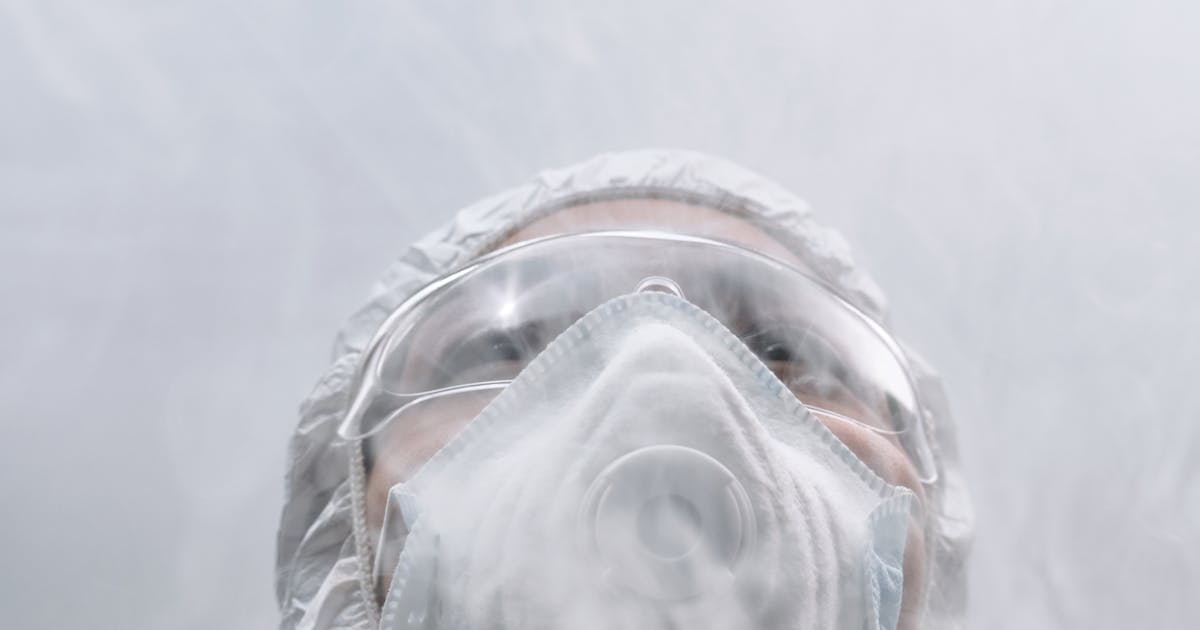
Photo by Artem Podrez on Pexels
The Science Behind Air Pollution Linked to Respiratory Disease
Air pollution consists primarily of fine particulate matter (PM2.5), nitrogen dioxide (NO2), ozone (O3), and sulfur dioxide (SO2), each wielding unique biological weapons against human lungs. PM2.5 particles are less than 2.5 micrometers in diameter – small enough to bypass nasal hairs and lodge deep in alveolar sacs. Once embedded, these particles trigger oxidative stress, releasing free radicals that inflame lung tissue and damage epithelial cells. This process mimics chronic smoking damage in nonsmokers, especially in children whose lung development is still incomplete.
A landmark 2022 study published in *The Lancet Respiratory Medicine* tracked 3,200 children from birth to age 12 across six global cities. Researchers found that for every 10 µg/m³ increase in PM2.5 exposure, lung function declined by 3.1% in children, equivalent to a one-year deficit in lung growth. The study also identified NO2 as a key contributor to airway hyperresponsiveness, with exposed children showing a 28% higher risk of developing asthma by age five. These findings provide a biological blueprint for how invisible city toxins reshape respiratory destiny.
Chronic exposure doesn’t just trigger acute attacks – it reprograms the immune system. Pollutants activate dendritic cells in the lungs, which then prime T-helper 2 cells to overproduce interleukin-4 and interleukin-5. This skewed immune response promotes allergic inflammation, mucus overproduction, and airway remodeling. Over time, these changes can lead to irreversible lung scarring, increasing the risk of chronic obstructive pulmonary disease (COPD) in later life. The earlier the exposure, the greater the vulnerability, making early childhood a critical window for intervention.
Key Risk Factors and Warning Signs
Urban children face varying levels of pollution risk depending on their proximity to major roads, industrial zones, and public transportation hubs. Studies show that children living within 100 meters of a busy highway have a 45% higher risk of asthma than those living 300 meters away. Similarly, children attending schools near ports or airports experience elevated NO2 and black carbon levels, which correlate with a 30% increase in wheezing episodes. Socioeconomic status compounds the risk, as lower-income families are more likely to reside in polluted neighborhoods with limited access to clean indoor air solutions.
Parents and caregivers must recognize early warning signs that may indicate pollution-triggered respiratory damage. Persistent coughing, especially at night or during outdoor play, should raise concern. Wheezing, chest tightness, and shortness of breath – particularly after physical activity – are red flags. Children may also exhibit fatigue, reduced stamina, or increased susceptibility to viral respiratory infections. A sudden increase in inhaler use or emergency visits warrants immediate evaluation. Clinicians should consider pollution history as a standard part of pediatric respiratory assessments, particularly in urban settings.
Evidence-Based Strategies and Solutions
While systemic change requires policy action, families can implement immediate, science-backed measures to protect their children’s lungs. These evidence-based strategies combine behavioral changes, environmental controls, and technological solutions tailored to urban living.
- Create Clean Air Zones at Home: Use portable air purifiers with HEPA and activated carbon filters in bedrooms and play areas. Studies show that HEPA purifiers can reduce PM2.5 levels by up to 85% within 30 minutes. Place purifiers at child height to ensure maximum exposure reduction. Avoid gas stoves and opt for induction cooktops, which emit no NO2. Seal windows during high-pollution days and use weatherstripping to prevent outdoor particle infiltration.
- Optimize Outdoor Activity Timing: Avoid outdoor play during peak pollution hours, typically between 6 AM and 10 AM and 4 PM and 8 PM, when vehicle emissions peak. Use real-time air quality apps like AirVisual or BreezoMeter to monitor PM2.5 and PM10 levels. Schedule outdoor time after rain, when particulate matter is naturally scrubbed from the air, or during early morning hours when ozone levels are lower.
- Promote Nasal Hygiene and Hydration: Encourage children to use saline nasal sprays or rinses twice daily to flush out trapped pollutants. Adequate hydration thins mucus, aiding clearance of inhaled particles. Studies show that children who drink at least 1.5 liters of water daily maintain better mucociliary clearance, reducing pollutant retention in the airways.
- Advocate for Structural Change: Join community campaigns for low-traffic neighborhoods, green school zones, and pedestrian-first urban design. Support policies that limit diesel vehicle use, expand public transit, and increase urban green spaces. Trees and vegetation can reduce PM2.5 by up to 60% within 30 meters, offering measurable protection for children attending city schools.
- Strengthen Immune Resilience: Ensure children receive age-appropriate vaccinations, including annual influenza and pneumococcal vaccines, to reduce secondary infections that worsen pollution-related lung damage. A balanced diet rich in antioxidants – such as berries, leafy greens, and nuts – supports immune defense against oxidative stress caused by pollutants.

Photo by Eky Rima Nurya Ganda on Pexels
Latest Research and Expert Insights
In June 2024, researchers from the Barcelona Institute for Global Health published a meta-analysis of 13 international studies involving 350,000 children. The analysis confirmed a dose-response relationship between PM2.5 exposure and asthma incidence, with a 10 µg/m³ increase associated with a 22% rise in new asthma diagnoses. Notably, the effect was strongest in children under six, highlighting the irreversible damage that occurs during early lung development.
- Key Finding: Children exposed to PM2.5 levels above WHO’s annual guideline of 5 µg/m³ experienced a 40% increase in severe asthma attacks requiring hospitalization, according to a 2023 study in *JAMA Pediatrics*.
- Expert Consensus: The American Academy of Pediatrics recommends that pediatricians screen children for pollution exposure during well-child visits, especially in urban areas, and counsel families on mitigation strategies. Experts also call for mandatory air quality monitoring in schools and daycare centers.
- Future Directions: Emerging research explores nanoparticle-based therapies that may reverse pollution-induced lung damage. Early trials using antioxidant-loaded nanoparticles in mice have shown up to 60% reduction in airway inflammation after PM2.5 exposure. Additionally, smart air purifiers with AI-driven pollution forecasting are being developed to provide real-time, room-specific air quality guidance for families.
Frequently Asked Questions
How do I know if my child’s asthma is caused by air pollution and not allergies?
Pollution-related asthma often presents with symptoms that worsen after outdoor exposure, particularly during high-traffic times or in industrial areas. Unlike classic allergic asthma, pollution-induced symptoms may persist even indoors if the home has poor air filtration. A detailed environmental history – including school location, commute routes, and indoor air sources – can help identify pollution as a trigger. Spirometry and fractional exhaled nitric oxide (FeNO) testing can reveal airway inflammation typical of pollution exposure.
What is the most effective type of face mask for children in polluted cities?
N95 or KN95 masks are most effective at filtering PM2.5, but they must fit snugly without gaps. For younger children, look for masks with adjustable straps and pediatric sizes. Avoid surgical masks or cloth coverings, which offer minimal protection against fine particles. A properly fitted N95 can reduce inhaled PM2.5 by up to 95%, but compliance and comfort are major challenges for children. Consider using masks during high-pollution events or outdoor sports, and pair with air-purifying indoor spaces.
Can diet protect my child from pollution harm even if they live in a high-pollution area?
Yes. Diets rich in omega-3 fatty acids (found in fish, flaxseeds), vitamin C (citrus fruits, bell peppers), and flavonoids (berries, dark chocolate) have been shown to reduce oxidative stress and inflammation caused by pollutants. A 2023 study in *Nutrients* found that children consuming these nutrients had 25% lower levels of inflammatory biomarkers in their blood, even when exposed to high PM2.5. Hydration and fiber intake also support gut-lung axis health, enhancing immune defense against pollution-driven damage.
Is it safe for children with asthma to live in cities with high pollution levels?
While complete avoidance is often impossible, proactive management can significantly reduce risk. Children with asthma in polluted cities should use daily controller medications as prescribed, maintain a rescue inhaler, and avoid outdoor exertion during high pollution alerts. Schools should have asthma action plans, and caregivers must monitor air quality daily. With proper medical supervision and environmental controls, many children with asthma live healthy, active lives in urban environments. Early intervention and family education are key to long-term respiratory health.
Conclusion and Key Takeaways
Urban air pollution is not an abstract threat – it is a present and preventable cause of childhood respiratory disease. Scientific evidence now demonstrates a clear, causal link between microscopic pollutants and lung damage that can last a lifetime. While systemic change requires collective action, families are not powerless. Simple, evidence-based steps – from air purifiers to activity timing – can reduce exposure and protect developing lungs.
Take control today: assess your child’s daily environment, consult a pediatric pulmonologist if symptoms arise, and join community efforts to clean the air our children breathe. The future of respiratory health begins with the choices we make today.
