


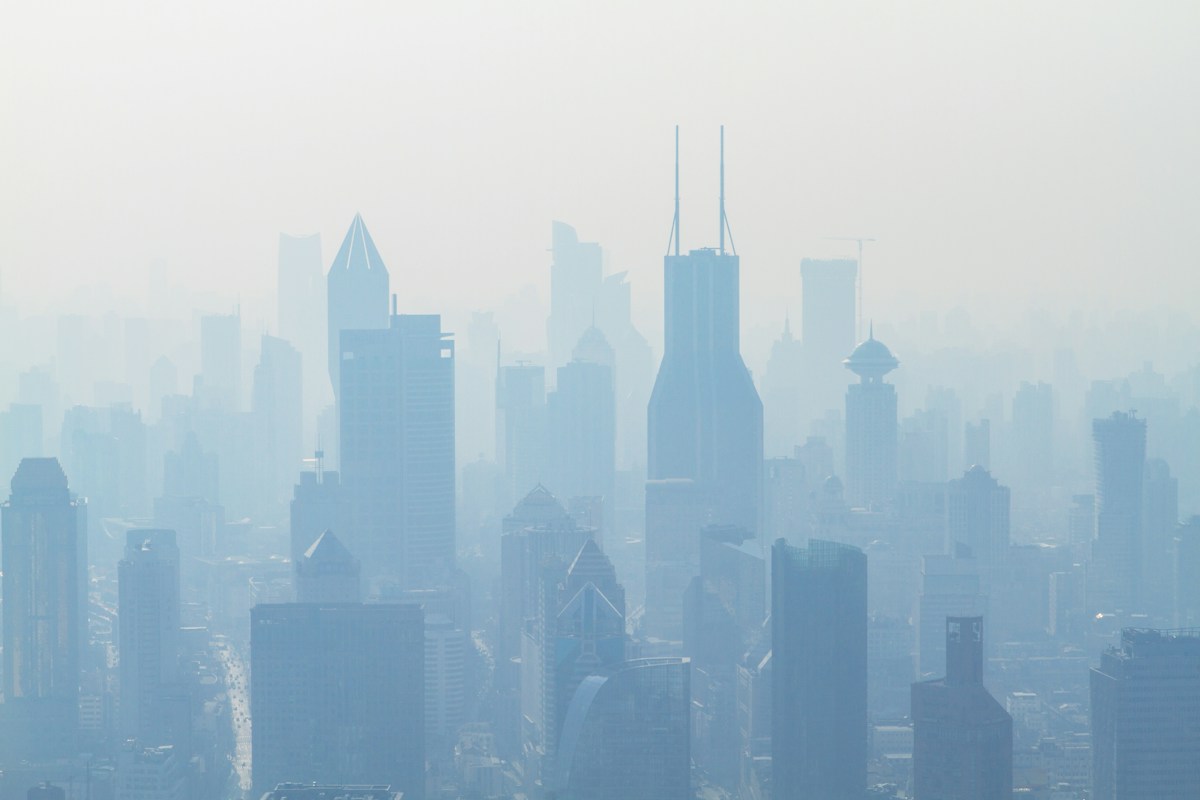
In the contemporary urbanized world, over 56 percent of the global population resides in cities, a proportion projected by the United Nations to surge beyond 68 percent by 2050. As metropolitan areas expand, the replacement of natural vegetative canopy, permeable soils, and open water bodies with dense impervious surfaces – such as asphalt paving, concrete structures, dark roofing membranes, and high-density geometric building canyons – has engineered an artificial, localized microclimatic anomaly universally designated the Urban Heat Island (UHI) effect. Under the UHI phenomenon, urban core temperatures consistently exceed surrounding rural and suburban baselines by 4 to 12 degrees Celsius, with the most dangerous thermal differentials manifesting during nocturnal hours when dense thermal mass reradiates stored heat.
Crucially, extreme urban heat does not operate within an environmental vacuum; rather, it acts synergistically with anthropogenic air pollution, most dangerously with fine particulate matter (PM2.5, particles with aerodynamic diameters <= 2.5 micrometers) and tropospheric ground-level ozone (O3). High ambient thermal radiation accelerates atmospheric photochemical smog reactions while persistent thermal inversion layers trap toxic vehicular emissions, heavy metals, and polycyclic aromatic hydrocarbons within breathing zones. When inhaled concurrently during extreme heat waves, particulate matter and thermal stress trigger a catastrophic physiological 'compound exposure' cascade: hyperthermia accelerates respiratory minute ventilation, increasing the pulmonary deposition of PM2.5, which breaches alveolar-capillary membranes to induce systemic microvascular endothelial injury, acute autonomic decoupling, systemic inflammation, and fatal cardiorespiratory collapse.
This comprehensive environmental medicine and public health treatise analyzes the physical architecture, biological mechanisms, and epidemiological consequences of Urban Heat Island synergies with air pollution. We dissect the biophysics of urban surface energy balance and boundary-layer meteorology, examine the cellular pathophysiology of heat-shock protein exhaustion and particulate translocation, evaluate clinical mortality metrics across vulnerable elderly and pediatric populations, review evidence-based municipal cooling interventions – including urban forestry, high-albedo cool roofs, and permeable pavements – and establish clinical emergency response protocols designed to shield urban populations from escalating climate extremes.
Physical Architecture of the Urban Heat Island: Radiative Energy Balance
The Urban Heat Island (UHI) effect is governed by fundamental principles of thermodynamics, atmospheric physics, and radiative energy balance across urban surface materials.
Natural vegetated landscapes maintain thermal equilibrium primarily through evapotranspiration: solar energy is consumed as latent heat to vaporize water from soil and plant stomata, maintaining cool surface temperatures.
In urban environments, natural vegetative cover is stripped away and replaced by impervious materials possessing high thermal mass and high volumetric heat capacity – primarily asphalt, concrete, granite, and masonry.
These low-albedo (solar reflectance < 0.10 to 0.20) materials absorb up to 90 percent of incoming solar shortwave radiation during daylight hours, storing massive quantities of thermal energy within their dense molecular lattices.
Furthermore, three-dimensional urban geometry – characterized by tall buildings bordering narrow streets (‘urban street canyons’) – creates a radiant trapping effect: outgoing longwave thermal radiation is repeatedly reflected and reabsorbed between opposing building walls rather than escaping into the upper atmosphere, preventing nighttime radiative cooling.
Atmospheric Chemistry: Photochemical Smog and Ground-Level Ozone Generation
Elevated ambient temperatures within urban heat islands act as a massive, continuous chemical catalyst that accelerates atmospheric photochemical reactions.
Tropospheric (ground-level) ozone (O3) is not emitted directly from tailpipes or smokestacks; it is a secondary atmospheric pollutant formed by complex photochemical reactions between primary precursor emissions: nitrogen oxides (NOx = NO + NO2) and volatile organic compounds (VOCs) in the presence of solar ultraviolet radiation.
The rate-limiting chemical kinetics of ozone formation are profoundly temperature-dependent: chemical reaction velocity constants increase exponentially as ambient temperatures rise above 30 to 32 degrees Celsius.
Furthermore, elevated urban heat stimulates biogenic VOC emissions (such as isoprene and monoterpenes) from urban tree canopies and accelerates the evaporative loss of anthropogenic solvents and fuels from fuel tanks and industrial coatings.
Consequently, during intense summer heat waves, urban boundary layers experience dangerous surges in ground-level ozone concentrations, frequently exceeding WHO health-protective thresholds (100 micrograms per cubic meter) for days or weeks.
Meteorological Coupling: Atmospheric Boundary Layers and Thermal Inversions
The physical topography of urban centers interacts with regional synoptic meteorology to create stagnant atmospheric conditions that trap pollutants near ground level.
During summer heat waves dominated by high-pressure synoptic weather systems, persistent atmospheric subsidence (sinking air) suppresses vertical atmospheric mixing and diminishes horizontal wind velocities.
At night, rapid radiative cooling of the air layer immediately above ground level relative to the warmer air aloft generates a ‘thermal inversion layer’.
The inversion layer functions as an impermeable atmospheric lid: rising air currents are halted, trapping vehicular exhaust, diesel particulates, and industrial emissions within a compressed urban boundary layer only a few hundred meters deep.
Residents sleeping in urban core neighborhoods are thus exposed to continuous, high concentrations of stagnant toxic air at the very time when high ambient nocturnal temperatures prevent physiological cardiovascular rest.
Particulate Matter Aerodynamics: PM2.5 and Ultrafine Particle Inhalation
Particulate air pollution represents an extraordinarily complex heterogeneous aerosol mixture of solid particles and liquid droplets suspended in the air.
Particles are classified by aerodynamic diameter into coarse particles (PM10, <= 10 micrometers), fine particulate matter (PM2.5, <= 2.5 micrometers), and ultrafine particles (UFP / PM0.1, <= 0.1 micrometers).
PM2.5 is generated primarily by high-temperature combustion processes: vehicular internal combustion engines (diesel and gasoline), fossil fuel power plants, industrial manufacturing, and residential biomass burning.
Chemically, PM2.5 consists of a carbonaceous core (elemental carbon / black carbon) onto which hundreds of toxic chemical compounds are adsorbed: transition metals (iron, copper, zinc, nickel, vanadium), polycyclic aromatic hydrocarbons (PAHs), sulfates, nitrates, and lipopolysaccharide endotoxins.
Because of their microscopic size, PM2.5 and ultrafine particles easily bypass the upper respiratory defenses (nasal vibrissae and mucociliary clearance), penetrating deep into the terminal respiratory bronchioles and alveolar sacs.
The Compound Exposure Multiplier: Synergistic Cardiorespiratory Toxicity
Epidemiological and toxicological research has demonstrated that concurrent exposure to extreme heat and particulate matter produces synergistic, supradditive cardiorespiratory toxicity: the combined health impact exceeds the mathematical sum of each exposure acting alone.
The physiological mechanism driving this synergy is the thermal-ventilatory feedback loop.
When human core body temperature rises, the preoptic anterior hypothalamus initiates compensatory thermoregulatory reflexes: cutaneous vasodilation to increase heat dissipation, and an obligatory increase in respiratory minute ventilation (hyperpnea) to eliminate heat through respiratory moisture evaporation.
During extreme heat, human minute ventilation can surge from a resting baseline of 6 to 8 liters per minute up to 15 to 25 liters per minute.
This dramatic hyperventilation forces vast volumes of polluted air into the lungs, increasing the absolute mass of PM2.5, ultrafine particles, and ozone deposited on the alveolar epithelium by two- to three-fold compared to thermoneutral baseline conditions.
Thermoregulatory Physiology: Cutaneous Vasodilation and Cardiovascular Strain
To maintain core body temperature within the narrow physiological homeostatic range (36.5 to 37.5 degrees Celsius), the human cardiovascular system must mount immense compensatory efforts.
The hypothalamus stimulates sympathetic cholinergic cutaneous vasodilation, diverting massive volumes of blood from the splanchnic circulation and kidneys toward the subcutaneous vascular plexus.
In severe thermal environments, skin blood flow can surge from a resting baseline of 250 mL/min up to 7,000 to 8,000 mL/min – representing over 60 percent of total cardiac output dedicated exclusively to thermal dissipation.
To maintain systemic mean arterial pressure despite this massive drop in total peripheral vascular resistance, the heart must dramatically increase cardiac output: resting heart rate accelerates, and stroke volume increases.
Concurrently, profuse eccrine sweating causes progressive hypovolemia, hemoconcentration, and electrolyte depletion, elevating blood viscosity and imposing catastrophic myocardial oxygen demand on patients with subclinical coronary artery disease.
Alveolar-Capillary Translocation: Ultrafine Particles in Systemic Circulation
Within the pulmonary alveoli, the physical barrier separating inhaled air from the capillary bloodstream is the delicate alveolar-capillary membrane, measuring merely 0.2 to 0.5 micrometers in thickness.
Inhaled ultrafine particles (PM0.1) and a significant fraction of fine particles (PM2.5) directly penetrate this membrane via endocytosis across type I alveolar epithelial cells and capillary endothelial cells, translocating directly into the pulmonary venous circulation.
Once inside the bloodstream, these nanoparticles interact directly with circulating erythrocytes, platelets, and vascular endothelial cells throughout the systemic circulation.
Transition metals on the particle surface engage in Fenton and Haber-Weiss chemical reactions, generating continuous fluxes of hydroxyl radicals (.OH) that trigger widespread lipid peroxidation of vascular endothelial membranes.
Simultaneously, particles stimulate circulating monocytes and neutrophils to release high concentrations of pro-inflammatory cytokines (IL-6, TNF-alpha), establishing systemic vascular inflammation within hours of exposure.
Endothelial Dysfunction: Loss of Nitric Oxide and Arterial Stiffness
The vascular endothelium represents a primary casualty of combined thermal stress and particulate matter exposure.
Under healthy conditions, endothelial nitric oxide synthase (eNOS) synthesizes nitric oxide (NO), which diffuses into vascular smooth muscle cells to maintain resting vasodilation, inhibit platelet aggregation, and suppress leukocyte adhesion.
Translocated particulate matter and circulating inflammatory cytokines directly uncouple eNOS by oxidizing the essential cofactor tetrahydrobiopterin (BH4) and stimulating the endogenous eNOS inhibitor asymmetric dimethylarginine (ADMA).
Uncoupled eNOS generates superoxide anions rather than nitric oxide, causing acute endothelial dysfunction: flow-mediated vasodilation (FMD) plunges, and systemic arterial stiffness accelerates.
In the setting of heat stress, where cutaneous vasodilation is mandatory for survival, endothelial dysfunction impairs the microvascular dilation required to dissipate heat, trapping thermal energy inside the core and triggering rapid heat-stroke escalation.
Pro-Thrombotic State: Platelet Activation and Plaque Destabilization
Concurrent exposure to high ambient heat and PM2.5 creates an acute, dangerous pro-thrombotic hematological state.
Profuse sweating without adequate fluid replacement causes acute hypovolemia and hemoconcentration, increasing hematocrit, plasma viscosity, and red blood cell aggregation.
Simultaneously, particulate matter in the bloodstream directly binds glycoprotein IIb/IIIa and P2Y12 receptors on blood platelets, inducing platelet activation, degranulation, and platelet-leukocyte aggregate formation.
In the liver, systemic interleukin-6 (IL-6) stimulates the acute-phase hepatic synthesis of fibrinogen, tissue factor, and plasminogen activator inhibitor-1 (PAI-1), tilting systemic hemostatic balance toward hyper-coagulability while paralyzing endogenous fibrinolysis.
In patients harboring vulnerable atherosclerotic coronary plaques, this hyper-coagulable, inflamed state triggers acute fibrous cap rupture and occlusive intra-luminal coronary thrombosis, precipitating acute myocardial infarction and sudden cardiac death.
Autonomic Decoupling: Heart Rate Variability Collapse and Arrhythmogenesis
The autonomic nervous system coordinates cardiovascular adaptations to environmental stress through reciprocal sympathetic and parasympathetic signaling.
Fine particulate matter and thermal radiation directly disrupt autonomic balance through the stimulation of pulmonary irritant receptors (TRPV1 and TRPA1 vagal C-fibers) and baroreceptor desensitization.
Electrophysiological Holter monitoring in humans exposed to urban heat and PM2.5 reveals a marked, acute collapse in Heart Rate Variability (HRV): high-frequency (HF) power and root mean square of successive differences (RMSSD) plunge, reflecting catastrophic withdrawal of parasympathetic vagal tone.
Concurrently, sympathetic noradrenergic firing surges, accelerating ventricular myocardial repolarization heterogeneity and prolonging the corrected QT interval (QTc).
This autonomic decoupling dramatically lowers the myocardial electrical threshold for malignant ventricular arrhythmias – including ventricular tachycardia and ventricular fibrillation – explaining the immediate spike in out-of-hospital cardiac arrests observed during urban heat-smog episodes.
Pulmonary Pathophysiology: Bronchospasm, Mucociliary Failure, and COPD Exacerbations
In the respiratory tree, inhalation of hot air combined with ozone and particulate matter inflicts severe structural and epithelial injury.
Hot air inhalation stimulates sensory nerve terminals, inducing substance P and neurokinin release that triggers acute airway smooth muscle bronchoconstriction.
Simultaneously, ozone and PM2.5 oxidize surfactant proteins (SP-A and SP-D) and cilia axonemes, causing ciliary dyskinesia and paralyzing the mucociliary escalator.
Alveolar macrophages engulfing particulate matter release massive amounts of interleukin-8 (IL-8 / CXCL8) and matrix metalloproteinases (MMP-9 and MMP-12), recruiting waves of destructive neutrophils into the airways.
In patients with pre-existing asthma and Chronic Obstructive Pulmonary Disease (COPD), this acute inflammatory flood triggers severe, life-threatening exacerbations characterized by severe airflow obstruction, ventilation-perfusion mismatch, and acute hypoxic respiratory failure.
Renal Pathology: Acute Kidney Injury and Dehydration-Associated Nephropathy
The renal system represents an exceptionally vulnerable target during compound urban heat and pollution extremes.
Under severe heat stress, cutaneous blood flow redistribution deprives the kidneys of baseline renal perfusion: renal plasma flow and glomerular filtration rate (GFR) decline sharply.
Hypovolemia activates the renin-angiotensin-aldosterone system (RAAS) and stimulates maximal vasopressin (AVP) secretion, causing extreme urinary concentration.
Simultaneously, translocated particulate matter induces localized renal tubular oxidative stress and proximal tubule cell apoptosis.
In outdoor laborers, construction workers, and vulnerable urban residents, repeated cycles of heat-induced hypovolemia and pollution-mediated nephrotoxicity trigger acute tubular necrosis (ATN) and drive the progression of Chronic Kidney Disease of Unknown Origin (CKDu), leading to premature end-stage renal disease.
Vulnerable Demographics: The Elderly, Pediatrics, and Socioeconomic Disparities
The mortality and morbidity burdens of urban heat-pollution synergies are distributed with stark demographic and socioeconomic inequality.
The Elderly (Ages >= 65): Older adults possess blunted hypothalamic thermal sensitivity, diminished sweat gland output, reduced cardiac reserve, and high baseline burdens of chronic cardiovascular disease, rendering them incapable of sustaining massive cutaneous blood flow redistribution.
Pediatrics and Infants: Children exhibit higher metabolic rates per kilogram, underdeveloped thermoregulatory sweat mechanics, and higher respiratory ventilation rates relative to body mass, absorbing significantly higher doses of PM2.5 per unit lung surface area.
Environmental Injustice and Redlining: Historical discriminatory housing practices (such as historical redlining in US cities) created enduring spatial inequalities: low-income neighborhoods and communities of color possess significantly less tree canopy, higher pavement coverage, higher proximity to industrial freight corridors, and lower rates of residential air conditioning, experiencing temperatures 4 to 8 degrees Celsius hotter than affluent neighborhoods within the same city.
Nocturnal Heat Trapping: The Critical Failure of Physiological Recovery
A critically overlooked epidemiological hazard of the Urban Heat Island effect is the severe elevation of nocturnal minimum temperatures.
In rural landscapes, surface temperatures drop rapidly after sunset, providing a nocturnal thermal respite that allows the human body to reset cardiovascular tone, reduce core temperature, and enter restorative slow-wave sleep.
In urban heat islands, massive concrete and asphalt structures continuously reradiate stored thermal energy throughout the night, keeping indoor and outdoor temperatures above 25 to 30 degrees Celsius (‘tropical nights’).
Deprived of nocturnal cooling, human core body temperature remains elevated throughout sleep, forcing continuous cutaneous vasodilation and preventing the normal nocturnal dipping of heart rate and blood pressure.
This persistent, 24-hour cardiovascular overload depletes cellular heat-shock proteins, exhaust cardiac reserve, and exponentially escalates mortality on the second and third days of consecutive heat waves.
Cellular Heat-Shock Response: Proteotoxic Stress and Apoptosis
At the cellular level, hyperthermia disrupts protein structural conformations, causing hydrophobic amino acid residues to unfold and aggregate into toxic proteotoxic clumps.
To counter this decay, mammalian cells deploy the Heat-Shock Response (HSR), coordinated by Heat Shock Factor 1 (HSF1).
Under thermal stress, HSF1 dissociates from its inhibitory chaperones, trimerizes, translocates to the nucleus, and drives massive transcription of molecular chaperones, most prominently Heat Shock Protein 70 (HSP70) and HSP90.
Chaperones refold denatured proteins, prevent lethal aggregation, and inhibit pro-apoptotic signaling (such as JNK and caspase activation).
However, when prolonged hyperthermia coincides with particulate-induced oxidative stress, cellular chaperone capacity is overwhelmed. Unfolded proteins accumulate within the endoplasmic reticulum, triggering the Unfolded Protein Response (UPR), CHOP expression, and executioner caspase activation, driving massive apoptotic tissue necrosis.
Epidemiological Surveillance: Excess Mortality Metrics and Attributable Risk
Quantifying the human health toll of compound urban heat and pollution requires sophisticated time-series and distributed lag non-linear models (DLNM).
Epidemiological investigations analyzing millions of deaths across global metropolitan areas demonstrate a distinctive U- or V-shaped exposure-response relationship between ambient temperature and daily mortality, anchored by the Minimum Mortality Temperature (MMT).
During extreme heat episodes, daily mortality curves spike sharply, with peak excess mortality manifesting within 24 to 48 hours of maximum thermal exposure.
Crucially, multivariable distributed lag models prove that particulate air pollution acts as a potent effect modifier: daily excess mortality per 1 degree Celsius increase above the MMT is 30 to 50 percent higher on high-PM2.5 days compared to clean-air days.
Excess death counts are heavily dominated by ischemic heart disease, cerebrovascular accidents, chronic obstructive pulmonary disease, and acute renal failure, with mortality frequently underestimated due to misclassification as routine chronic disease deaths.
Municipal Cooling Interventions: Urban Forestry and Canopy Expansion
Mitigating the Urban Heat Island effect requires transformative, physical modifications to the urban built environment, spearheaded by urban forestry and canopy expansion.
Urban trees provide dual cooling mechanisms: direct solar shading of asphalt and building facades, and active latent heat absorption via evapotranspiration.
A single mature deciduous tree can transpire over 100 to 150 gallons of water daily, producing a localized cooling effect equivalent to ten room-sized air conditioners operating continuously.
High-resolution thermal satellite mapping confirms that urban neighborhoods with tree canopy cover exceeding 30 to 40 percent exhibit ambient summer surface temperatures 3 to 6 degrees Celsius cooler than adjacent canopy-deprived streetscapes.
Furthermore, urban vegetative buffers physically filter particulate matter from the air, adsorbing PM2.5 onto waxy leaf cuticles, providing vital simultaneous reductions in particulate exposure.
High-Albedo Cool Surfaces: Reflective Roofs and Photonic Pavements
Complementing urban forestry, civil engineering has developed high-albedo materials designed to maximize solar reflectance and thermal emissivity.
Cool Roofs: Traditional dark asphalt roofing membranes possess solar reflectances of 0.05 to 0.15, absorbing up to 90 percent of solar radiation and reaching summer surface temperatures exceeding 65 to 80 degrees Celsius. In contrast, cool roof membranes – utilizing titanium dioxide coatings, acrylic elastomers, or light-colored polymers – achieve solar reflectances exceeding 0.70 to 0.85, reflecting solar energy back into space and reducing roof surface temperatures by 25 to 30 degrees Celsius.
Permeable and Photonic Pavements: Porous concrete and open-graded asphalt allow storm water to infiltrate into underlying gravel reservoirs, retaining moisture for subsequent evaporative cooling. Concurrently, advanced photonic retroreflective coatings reflect solar radiation vertically back toward the sky rather than scattering heat into adjacent buildings.
City-wide deployment of cool roofs and high-albedo pavements can lower urban ambient air temperatures by 1.5 to 2.5 degrees Celsius, reducing municipal air conditioning energy demands and greenhouse gas emissions.
Public Health Warning Systems: Heat-Health Action Plans (HHAPs)
To shield vulnerable human lives during acute extreme weather emergencies, public health agencies deploy structured Heat-Health Action Plans (HHAPs).
Modern HHAPs integrate meteorological forecasting with real-time air quality indexing, issuing tiered public emergency alerts 48 to 72 hours prior to forecasted heat-smog events.
Core emergency interventions include opening municipal air-conditioned ‘cooling shelters’ with public transit access, extending public pool and library hours, deploying mobile hydration units to homeless populations, and executing proactive outreach to isolated elderly residents via community health worker registries.
Hospitals and emergency medical services (EMS) activate surge capacity protocols, pre-positioning intravenous fluids, body-cooling immersion bags, and additional emergency response vehicles.
Simultaneously, municipal authorities enforce emergency industrial and vehicular emissions curtailments (such as free public transit and industrial operational shifts) to suppress precursor NOx and VOC emissions during peak solar hours.
Future Horizons: Precision Microclimatic Digital Twins and Climate Architecture
The future of urban climate resilience lies in the convergence of high-resolution sensor networks, artificial intelligence, and urban microclimatic digital twins.
Municipalities are constructing 3D microclimatic digital twins that simulate solar irradiance, wind flow dynamics, particulate dispersion, and building thermal mass at sub-meter spatial resolutions.
Machine learning algorithms ingest real-time data from thousands of low-cost IoT environmental sensors deployed on streetlights and transit vehicles, continuously updating neighborhood-level heat-vulnerability indices.
Urban architects utilize these digital models to design ‘breeze corridors’ that channel natural nocturnal wind flows through city centers, position green roofs and vertical vegetation walls to optimize shade, and eliminate localized urban heat hotspots.
By harmonizing urban design, public health policy, and environmental engineering, human cities can be transformed from deadly heat incubators into resilient, sustainable sanctuaries that protect human cardiorespiratory health in an era of accelerating climate change.
Maternal and Fetal Vulnerabilities: Preterm Birth and Placental Translocation
Pregnant women and developing fetuses represent a critically susceptible, biological vulnerable population during combined urban heat and particulate pollution extremes.
Maternal thermoregulation is physiologically compromised by increased basal metabolic rate, gestational weight gain, and altered vascular responsiveness.
Severe maternal thermal stress triggers uterine hypoperfusion via splanchnic vasoconstriction and stimulates the release of maternal oxytocin and prostaglandins, significantly elevating the risk of spontaneous Preterm Birth (PTB) and Stillbirth.
Simultaneously, inhaled ultrafine combustion particles penetrate the alveolar-capillary barrier and translocate across the syncytiotrophoblast into the fetal circulation, accumulating within placental tissue.
Particulate-induced placental villous inflammation and mitochondrial oxidative stress impair transplacental nutrient transport, causing Intrauterine Growth Restriction (IUGR) and low birth weight.
Neurocognitive Impairments and Neurodegenerative Progression in Urban Heat Smog
Beyond cardiorespiratory destruction, the synergy of extreme urban heat and particulate matter inflicts severe, progressive neurocognitive damage on the human central nervous system.
Inhaled ultrafine particles (PM0.1) can bypass the blood-brain barrier entirely, translocating directly into the frontal cortex and olfactory bulb via axonal transport along the olfactory nerve fibers.
In the brain parenchyma, particulate matter and heat-shock-induced systemic cytokines trigger chronic microglial activation and astrogliosis, generating massive fluxes of reactive oxygen species.
This neuroinflammatory milieu accelerates the oligomerization and accumulation of toxic neurodegenerative proteins, including amyloid-beta, hyperphosphorylated tau, and alpha-synuclein.
Longitudinal environmental neurology cohorts demonstrate that long-term residence in canopy-deprived, high-heat urban pollution corridors significantly accelerates cognitive decline, doubles the risk of vascular dementia, and increases the incidence of ischemic stroke.
Occupational Heat-Health Standards: Wet Bulb Globe Temperature (WBGT) Thresholds
For outdoor occupational workers – construction laborers, agricultural field workers, package delivery drivers, and municipal sanitation staff – compound heat and air pollution extremes represent acute occupational hazards.
Traditional dry-bulb ambient thermometers fail to measure human thermal strain accurately because they ignore the critical influences of ambient humidity, wind velocity, and radiant solar energy.
The international gold-standard metric for occupational heat stress assessment is the Wet Bulb Globe Temperature (WBGT), which integrates dry-bulb temperature, natural wet-bulb temperature (measuring evaporative cooling capacity), and black globe temperature (measuring radiant heat).
Under OSHA and NIOSH guidelines, when the environmental WBGT exceeds 28 to 30 degrees Celsius, mandatory work-rest cycles (such as 15 minutes of rest in shaded/cooled areas for every 45 minutes of work) and mandatory fluid hydration schedules must be enforced.
Furthermore, outdoor workers exposed to high PM2.5 levels during thermal stress require specialized particulate respiratory protection that minimizes breathing resistance to prevent excessive cardiovascular strain.
Indoor Environmental Quality: HEPA Air Purification and Thermal Envelope Retrofits
Because urban residents spend over 85 to 90 percent of their lifetimes indoors, indoor environmental quality (IEQ) represents the primary line of biological defense during extreme outdoor heat-smog crises.
Traditional residential structures often feature poor thermal insulation and leaky building envelopes that allow ambient outdoor PM2.5 and ozone to infiltrate indoor living spaces unimpeded, while trapping indoor heat.
Retrofitting building envelopes with high-performance double-glazed low-E windows, exterior thermal insulation, and reflective window shades significantly reduces indoor solar heat gain without requiring massive energy consumption.
Concurrently, deploying portable or central High-Efficiency Particulate Air (HEPA) filtration systems removes over 99.97 percent of airborne particulate matter down to 0.3 micrometers.
Clinical trials demonstrate that running HEPA air purifiers inside homes during summer pollution events significantly reduces circulating markers of systemic inflammation (CRP, IL-6), lowers brachial blood pressure, and improves microvascular endothelial function in vulnerable older adults.
Microvascular Nailfold Capillaroscopy as an Early Clinical Biomarker of Heat-Pollution Stress
Assessing peripheral microvascular health non-invasively provides clinicians with early objective indicators of compound environmental stress.
Nailfold video capillaroscopy allows direct real-time visualization of capillary loop density, morphology, and red blood cell velocity in human finger nailfolds.
During compound heat and particulate exposure, capillaroscopy demonstrates marked capillary dilatation followed by severe capillary thrombosis and micro-hemorrhages.
Quantifying microvascular capillary abnormalities allows emergency clinicians to stratify patients at high risk for acute coronary syndromes during metropolitan heat waves.
Incorporating non-invasive vascular biomarkers into clinical triage protocols enhances early intervention and saves lives during urban environmental crises.
| Environmental Exposure / Domain | Primary Biophysical & Chemical Drivers | Acute Human Physiological Impact | Primary Clinical Morbidity & Mortality | Evidence-Based Municipal & Public Mitigation |
|---|---|---|---|---|
| Urban Heat Island (UHI) Thermal Stress | Low-albedo impervious surfaces, canyon radiative trapping | Massive cutaneous vasodilation, cardiac output surge, hypovolemia | Heat stroke, acute coronary syndrome, dehydration acute kidney injury | Urban tree canopy expansion (>30%), cool reflective roofs (albedo >0.80) |
| Fine Particulate Matter (PM2.5) Inhalation | Combustion soot, diesel exhaust, transition metals, PAHs | Alveolar-capillary translocation, systemic ROS, eNOS uncoupling | Endothelial dysfunction, ischemic stroke, plaque rupture thrombosis | HEPA air filtration, low-emission zones, electric public transit transition |
| Tropospheric Ozone (O3) Smog | Temperature-accelerated NOx + VOC photochemical reactions | Airway epithelial lipid oxidation, ciliary paralysis, substance P release | Severe asthma exacerbations, COPD acute hypoxic failure | Automated air quality warning alerts, emergency industrial NOx curtailment |
| Nocturnal Thermal Inversion Stagnation | Re-radiated structural heat, atmospheric inversion capping | Loss of nocturnal core cooling, autonomic parasympathetic withdrawal | Ventricular arrhythmogenesis, out-of-hospital sudden cardiac death | Urban breeze corridor architecture, permeable evaporative pavements |
| Socioeconomic Heat Inequality | Historical redlining, lack of greenspace, lack of AC access | Continuous 24-hour heat strain, chronic allostatic inflammatory overload | Disproportionate mortality in low-income elderly & minority communities | Targeted municipal cooling centers, utility disconnect bans, equitable tree equity |
The comparative matrix above delineates the five interconnected environmental and physiological domains governing Urban Heat Island synergies with air pollution. By analyzing the precise physical drivers, cellular consequences, clinical endpoints, and targeted municipal interventions across each domain, public health officials and urban planners can design coordinated countermeasures.
Protecting human health in modern urban centers requires treating extreme heat and air pollution not as distinct, isolated challenges, but as a coupled environmental emergency that demands structural urban civil engineering, strict emissions controls, and targeted public health emergency response plans.
Frequently Asked Questions Regarding Urban Heat Islands, Air Pollution, and Cardiorespiratory Health
What is the Urban Heat Island effect and why does it occur?
The Urban Heat Island (UHI) effect is a phenomenon where urban and metropolitan areas experience significantly warmer air and surface temperatures (often 4 to 12 degrees Celsius hotter) than surrounding rural areas. It is caused by the replacement of natural vegetation with dense impervious materials (asphalt, concrete, dark roofing) that absorb and store massive amounts of solar radiation, tall buildings that trap radiant heat in urban canyons, and anthropogenic waste heat from vehicles, air conditioners, and industry.
How does extreme heat make air pollution more toxic to the human body?
Extreme heat accelerates photochemical smog reactions, exponentially increasing the formation of ground-level ozone from precursor emissions. Furthermore, high temperatures trigger thermal inversions that trap particulate matter near the ground. Biologically, when a person is hot, respiratory ventilation rates double or triple to cool the body, forcing two to three times more particulate matter (PM2.5) deep into the lungs, where it breaches alveolar membranes to enter the bloodstream.
Why are high nocturnal (nighttime) temperatures so dangerous for health?
At night, the human cardiovascular system needs cooler ambient temperatures to lower core body temperature, reduce resting heart rate, and enter restorative deep sleep. In urban heat islands, concrete and asphalt release stored heat all night, preventing this nocturnal cooldown. The heart is forced to pump massive amounts of blood to the skin for 24 continuous hours, leading to cardiovascular exhaustion, arrhythmias, and heart failure, especially on consecutive hot nights.
How does particulate matter (PM2.5) cause heart attacks and strokes?
PM2.5 particles are small enough to penetrate the delicate alveolar-capillary membrane of the lungs and enter the bloodstream. Once in the circulation, particulate chemicals and transition metals generate systemic oxidative stress and uncouple endothelial nitric oxide synthase (eNOS). This causes acute endothelial dysfunction, elevates blood pressure, activates blood platelets, and promotes blood clotting, triggering acute plaque rupture and coronary thrombosis.
What are ‘cool roofs’ and how do they reduce urban heat?
Cool roofs are roofing systems engineered with materials that have high solar reflectance (albedo > 0.70) and high thermal emittance. Traditional dark roofs absorb up to 90 percent of solar energy and heat up to 70 degrees Celsius; cool roofs reflect the majority of sunlight back into the atmosphere and emit absorbed heat rapidly, remaining 25 to 30 degrees Celsius cooler, significantly lowering building cooling costs and reducing neighborhood ambient temperatures.
Who is most at risk during combined heat and air pollution events?
The most vulnerable populations are older adults (ages 65 and older), who have diminished sweating mechanics and reduced cardiac reserve; infants and young children, whose lungs are developing and who have higher breathing rates relative to body weight; individuals with pre-existing cardiovascular, respiratory (COPD, asthma), or renal disease; outdoor manual workers; and low-income urban residents living in canopy-deprived neighborhoods without access to air conditioning.
Can planting trees really cool a city down?
Yes. Urban trees cool cities through two powerful physical mechanisms: direct solar shading of asphalt and buildings, and evapotranspiration (vaporizing water through leaves, which consumes solar heat as latent energy). Increasing mature tree canopy cover to 30 to 40 percent across urban neighborhoods consistently lowers local summer temperatures by 3 to 6 degrees Celsius while filtering particulate air pollution from the air.
What is the relationship between extreme heat and kidney damage?
During extreme heat, profuse sweating causes dehydration and hypovolemia. To maintain blood pressure and divert blood to the skin for cooling, the body drastically constricts renal blood vessels, starving the kidneys of oxygen. Inhaled particulate matter adds localized oxidative stress to renal tubules. In outdoor workers and vulnerable residents, repeated episodes of heat-induced hypovolemia lead to acute tubular necrosis and chronic kidney disease.
What are municipal Heat-Health Action Plans (HHAPs)?
Heat-Health Action Plans are comprehensive municipal public health protocols that activate during extreme heat-smog forecasts. Key components include issuing multi-lingual emergency alerts 48 hours in advance, opening air-conditioned public cooling centers, deploying mobile water units, conducting outreach to homebound elderly residents, placing emergency medical services on surge footing, and implementing temporary emissions restrictions on heavy industry.
What is ‘historical redlining’ and how does it affect temperature today?
Historical redlining was a discriminatory 20th-century mortgage lending practice in the United States that systematically denied investment to communities of color. Decades of disinvestment resulted in these neighborhoods having far fewer parks, minimal tree canopy, denser asphalt paving, and closer proximity to highways. Today, formerly redlined neighborhoods remain physically 4 to 8 degrees Celsius hotter during summer heat waves than non-redlined neighborhoods in the same city, demonstrating structural environmental injustice.
Clinical Summary and Environmental Health Directives
The convergence of the Urban Heat Island effect and anthropogenic particulate air pollution represents one of the defining environmental health crises of the modern era. Far from being separate meteorological or industrial inconveniences, extreme urban heat and toxic air act as a lethal compound exposure, placing unprecedented physiological strain on the human cardiorespiratory system.
Through the thermal-ventilatory feedback multiplier, cutaneous microvascular steal, and alveolar-capillary translocation, concurrent exposure to PM2.5 and extreme heat drives acute endothelial dysfunction, systemic inflammation, autonomic decoupling, and catastrophic pro-thrombotic cardiovascular collapse. Distributed with profound demographic and socioeconomic inequality, this burden falls most heavily upon vulnerable elderly populations, children, and canopy-deprived urban communities.
Safeguarding urban health demands an aggressive, unified transformation of municipal architecture and public health policy. Cities must rapidly transition to high-albedo cool roofs, expand mature urban tree canopies beyond 30 percent, establish equitable green spaces, and phase out fossil-fuel combustion emissions through electrified transit. Concurrently, public health agencies must operate robust, predictive Heat-Health Action Plans with accessible cooling sanctuaries. Reclaiming urban environments as thermally safe, breathable habitats is an urgent clinical and moral imperative for the 21st century.
For accredited institutional consensus guidelines, environmental health frameworks, and air quality standards regarding urban heat and particulate pollution, clinicians and policymakers are encouraged to consult the World Health Organization (WHO) Climate Change and Health Unit, the U.S. Environmental Protection Agency (EPA) Heat Island Reduction Program, and the CDC Climate and Health Program. Biomedical research literature is indexed on PubMed National Library of Medicine, alongside planetary health directives from the Lancet Countdown on Health and Climate Change.

2 Comments
XslbAcMoQcPXcmaRm
uPJZxGUbOsypUDEJQzhca