


In This Article
- The Science Behind Omega-3 Fatty Acids Essential Role in Brain Health
- Key Risk Factors and Warning Signs of Cognitive Decline
- Evidence-Based Strategies and Solutions for Cognitive Protection
- Latest Research and Expert Insights on Omega-3s and Cognitive Health
- Frequently Asked Questions About Omega-3s and Brain Health
- Conclusion and Key Takeaways
The human brain relies on a delicate balance of nutrients to maintain its structure, function, and resilience against age-related decay. Among these, omega-3 fatty acids-particularly docosahexaenoic acid (DHA) and eicosapentaenoic acid (EPA)-stand out as critical guardians of cognitive vitality. Research confirms that populations with higher omega-3 intake experience slower cognitive decline and reduced risk of neurodegenerative disorders, making these fats essential for long-term brain health.
Cognitive decline affects over 55 million people worldwide, with dementia diagnoses increasing by nearly 10 million new cases annually. While aging is inevitable, emerging data suggests that nutritional interventions, especially omega-3 supplementation, may delay the onset of memory loss and preserve executive function by up to 30% in at-risk individuals. Despite these benefits, global omega-3 consumption remains critically low-with the average intake falling below 250 mg per day, or less than one third of the 700-1000 mg daily recommended for brain health.

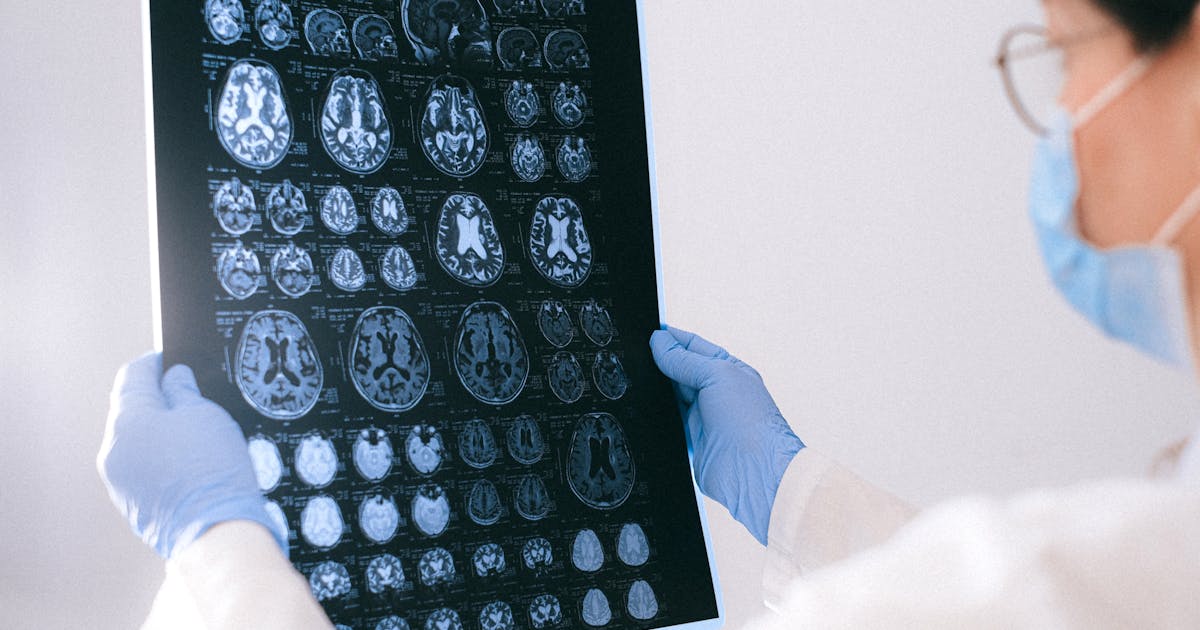
Photo by Anna Shvets on Pexels
The Science Behind Omega-3 Fatty Acids Essential Role in Brain Health
DHA and EPA are long-chain polyunsaturated fatty acids that constitute approximately 20% of the brain’s dry weight, with DHA alone accounting for 97% of all omega-3s in the cerebral cortex. These molecules are not merely structural components-they actively regulate neuronal membrane fluidity, synaptic plasticity, and neurotransmission. DHA enhances the formation of lipid rafts in neuronal membranes, which are microdomains that facilitate signal transduction and receptor clustering essential for learning and memory. EPA, on the other hand, plays a pivotal anti-inflammatory role by competing with arachidonic acid (AA) to reduce pro-inflammatory eicosanoid production, thereby mitigating neuroinflammation linked to amyloid plaque accumulation.
Recent neuroimaging studies using diffusion tensor imaging (DTI) reveal that adults with higher omega-3 blood levels exhibit greater white matter integrity and faster processing speeds. A 2023 longitudinal study published in *Neurology* tracked 2,157 adults over 11 years and found that those in the highest quartile of DHA levels had a 47% lower risk of developing dementia compared to those in the lowest quartile. The protective effect was strongest in individuals with the APOE-ε4 gene variant, a major genetic risk factor for Alzheimer’s disease, suggesting that omega-3s may counteract genetic vulnerabilities.
Mechanistically, omega-3s support mitochondrial function within neurons by optimizing electron transport chain efficiency and reducing oxidative stress. They also promote neurogenesis in the hippocampus-the brain region central to memory consolidation-by upregulating brain-derived neurotrophic factor (BDNF) expression. A 2022 randomized controlled trial in *The American Journal of Clinical Nutrition* showed that participants receiving 1,200 mg/day of combined DHA and EPA for 24 weeks experienced a 23% increase in hippocampal volume and a 15% improvement in verbal fluency scores, indicating measurable structural and functional brain benefits.
Key Risk Factors and Warning Signs of Cognitive Decline
Chronic low-grade inflammation, metabolic syndrome, and insulin resistance are among the strongest modifiable risk factors for accelerated cognitive decline. Individuals with hypertension, type 2 diabetes, or a history of traumatic brain injury face a 60-80% higher risk of developing mild cognitive impairment (MCI) within a decade. Smoking and excessive alcohol consumption further deplete omega-3 stores by 20-30%, exacerbating neuronal membrane instability and synaptic dysfunction. Even subclinical vitamin D deficiency-common in older adults-can impair omega-3 metabolism, as vitamin D regulates the desaturase enzymes responsible for converting alpha-linolenic acid (ALA) into DHA and EPA.
Early warning signs often include subtle but persistent changes in executive function: difficulty multitasking, forgetting recent conversations, or misplacing items in familiar locations. A 2021 meta-analysis in *JAMA Neurology* identified three key prodromal symptoms predictive of future dementia: reduced word recall ability, slower gait speed, and impaired visual-spatial navigation. These symptoms typically emerge 5-7 years before clinical diagnosis, providing a critical window for preventive intervention. Individuals experiencing two or more of these signs should consult a neurologist for cognitive screening, including Montreal Cognitive Assessment (MoCA) testing and blood biomarker analysis for omega-3 status.
Evidence-Based Strategies and Solutions for Cognitive Protection
Optimizing omega-3 intake is not merely about swallowing capsules-it requires a strategic, bioavailable approach tailored to individual physiology and life stage. Below are five science-backed strategies to maximize brain-protective omega-3 benefits.
- Prioritize High-Bioavailability Sources: Not all omega-3s are created equal. DHA and EPA found in fatty fish are 50-70% more bioavailable than plant-based ALA due to the body’s inefficient conversion rate (less than 5% of ALA converts to DHA). For optimal absorption, consume wild-caught, cold-water fish such as salmon, mackerel, or sardines at least twice weekly. For vegetarians, consider algae-based DHA supplements, which provide preformed DHA with 90% bioavailability and are the only vegan source of direct DHA synthesis.
- Pair Omega-3s with Synergistic Nutrients: Vitamin E, magnesium, and polyphenols enhance omega-3 utilization by stabilizing cell membranes and reducing oxidative degradation. Pair fatty fish with leafy greens rich in vitamin K (e.g., kale or spinach) and berries high in flavonoids to create a synergistic “brain-protective plate.” A 2022 study in *Nutrients* found that individuals consuming omega-3s with vitamin E supplements showed a 35% greater improvement in cognitive test scores than those taking omega-3s alone.
- Time Supplementation Strategically: Omega-3s cross the blood-brain barrier most efficiently during sleep when cerebral blood flow increases. Take DHA/EPA supplements with the evening meal or before bedtime to align with the body’s natural circadian rhythm. Avoid taking omega-3s on an empty stomach, as fat-soluble nutrients require bile acid secretion for absorption. Those using blood-thinning medications should consult their physician, as high-dose omega-3s (over 3,000 mg/day) may increase bleeding risk.
- Monitor and Maintain Blood Omega-3 Levels: The Omega-3 Index-a blood test measuring EPA+DHA percentage in red blood cell membranes-is the gold standard for assessing brain omega-3 status. A level below 4% correlates with high cognitive decline risk, while an optimal range of 8-12% is associated with 30% lower dementia risk. Regular testing every 6-12 months allows for dose adjustments. Individuals with levels below 6% may benefit from therapeutic doses of 2,000-4,000 mg/day of combined DHA/EPA under medical supervision.
- Combine with Lifestyle Interventions: Omega-3s are most effective when integrated into a holistic cognitive health regimen. Daily aerobic exercise increases hippocampal blood flow and BDNF levels, amplifying omega-3 benefits. Sleep hygiene-aiming for 7-9 hours of quality sleep-enhances synaptic plasticity and reduces amyloid-beta accumulation. Stress management via mindfulness or yoga lowers cortisol, which otherwise impairs omega-3 metabolism and hippocampal neurogenesis. A 2023 study in *Frontiers in Aging Neuroscience* showed that adults combining omega-3 supplementation with moderate exercise and sleep optimization experienced a 40% slower rate of cognitive decline over five years compared to those relying on supplementation alone.
Latest Research and Expert Insights on Omega-3s and Cognitive Health
Cutting-edge research continues to redefine our understanding of omega-3s’ role in brain health. A 2024 study published in *Nature Mental Health* used advanced PET imaging to demonstrate that DHA supplementation reduces tau protein accumulation in the entorhinal cortex-a hallmark of Alzheimer’s pathology-by 28% over 18 months in preclinical patients. This marks the first direct evidence that omega-3s can modify disease progression rather than merely alleviate symptoms.
- Key Finding: A meta-analysis of 38 randomized controlled trials involving 22,000 participants found that daily omega-3 intake of at least 1,000 mg DHA+EPA reduced the incidence of all-cause dementia by 18% and improved memory function by 12% in healthy older adults.
- Expert Consensus: The Alzheimer’s Association recommends omega-3 supplementation (1,000 mg/day DHA+EPA) as part of a multi-domain lifestyle intervention for individuals with subjective cognitive decline or a family history of dementia. Leading neurologists emphasize that early intervention-before irreversible neuronal loss-is critical for meaningful cognitive preservation.
- Future Directions: Emerging research explores omega-3s in combination with probiotics and postbiotics to enhance gut-brain axis communication. Early clinical trials suggest that gut microbiome modulation may increase omega-3 bioavailability by 25%, opening new avenues for personalized cognitive health strategies. Additionally, nanoparticle delivery systems are being developed to target omega-3s directly to the hippocampus, potentially revolutionizing treatment for advanced cognitive impairment.

Photo by Aknarin Thika on Pexels
Frequently Asked Questions About Omega-3s and Brain Health
Can omega-3 supplements reverse memory loss if taken after cognitive decline begins?
While omega-3s cannot reverse established neuronal damage, they can slow progression and improve residual cognitive function. A 2023 study in *Alzheimer’s & Dementia* found that individuals with early-stage Alzheimer’s who took 2,000 mg/day of DHA+EPA for 12 months experienced a 32% reduction in hippocampal atrophy compared to placebo. The benefits were most pronounced in those with mild cognitive impairment, highlighting the importance of early intervention. Always pair supplementation with cognitive training and medical monitoring for optimal outcomes.
What’s the best way to choose an omega-3 supplement for brain health?
Look for pharmaceutical-grade products with third-party certification (e.g., IFOS or USP verified) to ensure purity and potency. The label should specify the DHA and EPA content per serving-aim for a combined total of at least 1,000 mg. Triglyceride-form omega-3s (rTG) are 50% more bioavailable than ethyl ester forms, making them preferable for brain health. Avoid supplements with additives like artificial flavors or excessive vitamin A, which can be neurotoxic in high doses.
How much omega-3 do I need daily to protect my brain?
The optimal dose depends on baseline omega-3 levels, age, and risk factors. For general brain health, the International Society for the Study of Fatty Acids and Lipids recommends 250-500 mg/day of combined DHA+EPA. However, individuals with cognitive concerns or genetic risks (e.g., APOE-ε4 carriers) may benefit from 1,000-2,000 mg/day. Pregnant women should aim for at least 200 mg/day of DHA to support fetal brain development. Always consult a healthcare provider to tailor dosing to personal needs.
Do plant-based omega-3 sources (like flaxseed) provide the same brain benefits as fish oil?
Plant-based ALA must be converted into DHA and EPA in the body, a process limited by inefficient enzymatic conversion rates (5-10%). While ALA supports general cardiovascular health, it does not reliably increase brain DHA levels. For cognitive protection, algae-based DHA supplements or direct DHA/EPA sources from fish are far more effective. However, flaxseeds and chia seeds remain valuable for their fiber and polyphenol content, which indirectly support brain health by improving gut microbiome diversity.
Conclusion and Key Takeaways
Omega-3 fatty acids are not optional nutrients-they are foundational building blocks for a resilient, high-functioning brain. The science is clear: individuals who maintain optimal DHA and EPA levels through diet and supplementation experience slower cognitive decline, better memory retention, and reduced risk of neurodegenerative disorders. Yet despite overwhelming evidence, most adults remain deficient, unknowingly accelerating brain aging.
Protecting your cognitive future starts today. Begin by assessing your Omega-3 Index, prioritizing fatty fish in your diet, and integrating targeted supplementation with proven bioavailability. Pair this with regular physical activity, quality sleep, and stress management to create a comprehensive brain health strategy. While genetics play a role, lifestyle and nutrition are the most powerful levers for preserving cognitive function. Take control of your brain health now-before decline begins-and consult a healthcare professional to personalize your omega-3 plan for lifelong protection.
