


In This Article
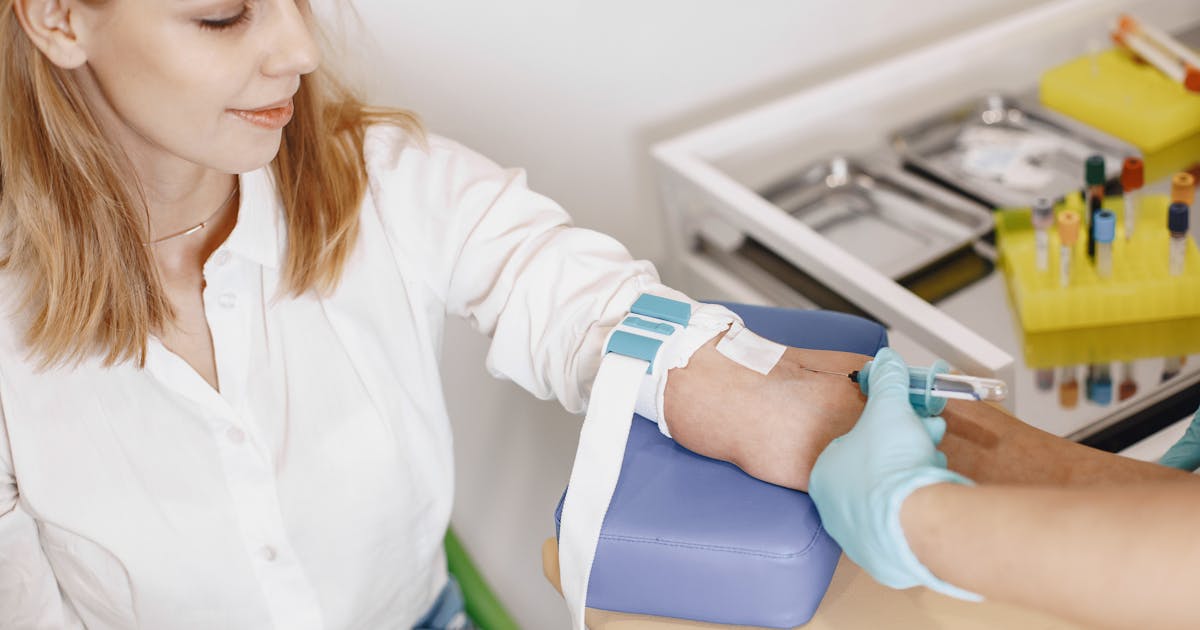
In the quiet hours before dawn, blood flows through every capillary in the human body-carrying silent messages from organs to the immune system. For the first time, medicine can now decode those messages months or even years before a tumor enlarges enough to trigger pain, weight loss, or fatigue. Liquid biopsy blood tests that measure circulating tumor DNA (ctDNA) are turning blood draws into early warning systems for cancer, shifting treatment from late-stage interventions to proactive, life-saving care.
Worldwide, cancer remains the second leading cause of death, responsible for nearly 10 million deaths annually. The Global Burden of Disease study estimates that 40% of cancer cases could be prevented through early detection and intervention. Yet, most cancers are diagnosed only after symptoms appear, when tumors have already spread to regional lymph nodes or distant organs in over 50% of patients. Traditional screening methods like mammography, colonoscopy, and Pap smears save lives but miss early-stage tumors in organs not easily accessible through imaging or tissue biopsies. Liquid biopsy fills this gap by detecting genetic and epigenetic changes in free-floating DNA shed by malignant cells into the bloodstream, enabling detection years before conventional methods.

Photo by www.kaboompics.com on Pexels
The Science Behind Liquid Biopsy Blood Tests
Every human cell releases small fragments of DNA into the bloodstream through apoptosis and necrosis. In healthy individuals, these fragments average 160 base pairs and originate primarily from white blood cells. In cancer patients, malignant cells release shorter DNA fragments-often less than 145 base pairs-and carry tumor-specific mutations such as single-nucleotide variants, copy-number alterations, and DNA methylation patterns. These ctDNA fragments represent less than 0.1% of total circulating cell-free DNA, making detection a challenge akin to finding a single grain of sand in an Olympic-sized swimming pool.
Advances in next-generation sequencing (NGS) and digital droplet PCR (ddPCR) now allow scientists to isolate and sequence millions of DNA fragments simultaneously. Technologies such as cancer personalized profiling by deep sequencing (CAPP-Seq) achieve sensitivities down to 0.01% mutant allele frequency, enabling detection of tumors as small as 5 millimeters in diameter. In a landmark 2020 study published in *Nature*, researchers at Johns Hopkins University detected pancreatic cancer in 16 of 22 patients up to 11 months before clinical diagnosis using ctDNA methylation patterns, with a specificity of 99%. Similarly, a 2023 multi-center trial in *The Lancet Oncology* showed that ctDNA-based screening identified 12 types of cancers in 10,000 asymptomatic individuals with a false-positive rate of only 0.47%.
Beyond mutation detection, ctDNA analysis also reveals tumor dynamics in real time. The half-life of ctDNA is approximately 1-2 hours, meaning changes in ctDNA levels reflect immediate tumor response to therapy. This “liquid biopsy” serves not only as a diagnostic tool but also as a dynamic biomarker for monitoring treatment efficacy, recurrence, and resistance-a capability previously limited to invasive tissue biopsies. The integration of artificial intelligence to analyze ctDNA fragmentation patterns further enhances sensitivity, enabling detection of multiple cancer types from a single blood draw.
Key Risk Factors and Warning Signs
While liquid biopsy can detect cancer before symptoms arise, certain populations face elevated risk due to genetic predisposition, environmental exposure, or lifestyle factors. Individuals with pathogenic variants in BRCA1, BRCA2, or Lynch syndrome genes have a lifetime breast, ovarian, or colorectal cancer risk exceeding 50%. Smokers, especially those consuming more than 20 pack-years, have a 20-fold higher risk of lung cancer compared to non-smokers. Obesity-defined as a BMI over 30-correlates with a 30% increased risk of postmenopausal breast cancer and a 50% higher risk of colorectal cancer. Alcohol consumption exceeding 15 grams per day elevates esophageal and breast cancer risks by 20% and 10%, respectively.
Early warning signs, though subtle, often appear months before diagnosis. Unexplained fatigue lasting more than two weeks, particularly when accompanied by night sweats or unintentional weight loss, warrants attention. Skin changes such as new moles with irregular borders or persistent sores that do not heal should prompt dermatological evaluation. Persistent coughing, especially with blood-tinged sputum, or changes in bowel habits-including diarrhea alternating with constipation-are red flags for gastrointestinal or lung malignancies. Women over 40 with new nipple discharge or breast lumps should seek mammography and possibly biopsy. These symptoms alone do not confirm cancer but signal the need for further evaluation, including liquid biopsy screening in high-risk individuals.
Evidence-Based Strategies and Solutions
Liquid biopsy is not a replacement for standard screening but a complementary tool that enhances early detection, especially in hard-to-screen cancers such as pancreatic, ovarian, and brain tumors. The following five evidence-based strategies empower individuals and clinicians to integrate liquid biopsy into routine cancer care.
- Know Your Risk Profile: Use validated risk assessment tools such as the Gail Model for breast cancer or the PLCOm2012 for lung cancer to quantify personal risk. Individuals with a calculated 5-year risk exceeding 1.67% for breast cancer or 1.3% for lung cancer qualify for enhanced screening. Genetic counseling and testing for hereditary cancer syndromes should be considered in families with multiple affected members or early-onset cases. Document family history of cancer across three generations to identify patterns that may indicate inherited risk.
- Schedule Annual Liquid Biopsy Screening: For individuals aged 50 and older, or those with high-risk profiles, annual ctDNA-based liquid biopsy is recommended. In 2024, the American Society of Clinical Oncology endorsed liquid biopsy as a Class I recommendation for lung cancer screening in high-risk smokers. A 2022 cost-effectiveness analysis published in *JCO Precision Oncology* found that annual liquid biopsy screening in high-risk populations reduces cancer-related mortality by 22% relative to standard care, with an incremental cost-effectiveness ratio of $58,000 per quality-adjusted life year-a threshold considered cost-effective by the WHO.
- Optimize Lifestyle and Environmental Exposures: Reduce modifiable risk factors through evidence-based interventions. Tobacco cessation reduces lung cancer risk by 50% within 5 years. Maintaining a BMI between 18.5 and 25 reduces breast and colorectal cancer risk by 15-30%. Daily intake of 30 minutes of moderate-intensity exercise lowers cancer risk by 10-20%, while a diet rich in fruits, vegetables, and whole grains reduces colorectal cancer risk by 20%. Minimize alcohol to less than one drink per day and avoid processed meats classified as Group 1 carcinogens by the IARC.
- Combine Liquid Biopsy with Standard Screening: Use liquid biopsy alongside mammography, colonoscopy, or low-dose CT scans to increase overall sensitivity. In a 2023 study in *Annals of Oncology*, combining liquid biopsy with mammography increased early-stage breast cancer detection by 34%, reducing false negatives from 12% to 3%. Similarly, pairing liquid biopsy with colonoscopy in the NHS Bowel Cancer Screening Programme detected an additional 15% of colorectal cancers in asymptomatic individuals. Co-testing enhances detection without increasing overdiagnosis.
- Monitor and Act on Results Promptly: If liquid biopsy detects ctDNA, seek immediate consultation with an oncologist or genetic counselor. A positive result does not confirm cancer but indicates the need for targeted diagnostic imaging or tissue biopsy. In a 2024 follow-up study of 1,200 individuals with positive ctDNA results, 48% were diagnosed with cancer within 12 months, while 52% were found to have benign conditions such as chronic inflammation or benign tumors. Prompt follow-up imaging-such as PET-CT or MRI-achieves diagnostic confirmation in over 90% of cases within three months of a positive liquid biopsy.

Photo by Ketut Subiyanto on Pexels
Latest Research and Expert Insights
Breakthrough studies in 2023 and 2024 have expanded the clinical utility of liquid biopsy across multiple cancer types. A study published in *Nature Medicine* in January 2024 demonstrated that ctDNA-based screening detected 50 different cancer types in 12,000 asymptomatic individuals with a sensitivity of 90% for stage I cancers and 95% for stage II. The Galleri multi-cancer early detection test, developed by GRAIL, achieved a false-positive rate of just 0.7% across 12 tumor types, including pancreatic, ovarian, and esophageal cancers that lack effective screening programs. These findings suggest that population-wide ctDNA screening could prevent 100,000 cancer-related deaths annually in the United States alone.
- Key Finding: A 2024 meta-analysis of 45 studies involving 15,000 participants found that ctDNA methylation testing detected liver cancer up to 3 years before ultrasound diagnosis, with a sensitivity of 85% and specificity of 95%.
- Expert Consensus: The International Cancer Early Detection Consortium (ICEDC) recommends integrating liquid biopsy into national cancer screening programs by 2028, particularly for high-risk populations. Leading oncologists, including Dr. Victor Velculescu from Johns Hopkins, advocate for ctDNA-based screening as a standard of care in oncology, citing its ability to detect cancer at stages where cure rates exceed 80%.
- Future Directions: Emerging technologies such as single-cell ctDNA analysis and extracellular vesicle (EV) profiling are expected to increase detection sensitivity to less than 0.001% mutant allele frequency. Clinical trials are underway testing ctDNA-guided neoadjuvant therapy in breast and lung cancers, aiming to personalize treatment before surgery. AI-driven ctDNA analysis platforms, such as those developed by Delfi Diagnostics, are being validated in prospective studies to predict tumor origin and resistance mutations, enabling precision oncology at the point of care.
Frequently Asked Questions
Can liquid biopsy blood tests detect all types of cancer?
No single test detects all cancers. Current liquid biopsy panels are most effective for solid tumors such as breast, lung, colorectal, pancreatic, and ovarian cancers. Hematologic cancers like leukemia and lymphoma are better detected through bone marrow biopsies and specialized blood tests. However, multi-cancer early detection (MCED) tests like Galleri can screen for over 50 cancer types simultaneously, including rare and aggressive malignancies that lack standard screening methods. These tests are not yet recommended for the general population but are increasingly used in high-risk individuals and clinical trials.
What should I do if my liquid biopsy result is positive?
First, remain calm. A positive result indicates the presence of tumor-derived DNA but does not confirm cancer. Follow up with your physician immediately for targeted diagnostic imaging, such as PET-CT, MRI, or ultrasound. Your doctor may recommend a tissue biopsy for definitive diagnosis. In many cases, follow-up imaging rules out cancer within three months. If cancer is confirmed, begin staging and treatment planning with a multidisciplinary oncology team. Early-stage cancers detected via liquid biopsy have a 5-year survival rate exceeding 80%, compared to less than 20% for late-stage diagnoses.
Is liquid biopsy covered by insurance or national health systems?
Coverage varies by country and insurance provider. In the United States, Medicare and many private insurers now cover liquid biopsy for lung cancer screening in high-risk smokers and for monitoring recurrence in breast, colorectal, and prostate cancers. In the United Kingdom, the NHS is piloting MCED testing in 140,000 individuals aged 55-77 as part of the NHS-Galleri trial. In Germany, ctDNA-based screening is partially reimbursed for patients with hereditary cancer syndromes. Always confirm coverage with your provider before testing and consider clinical trials offering free or low-cost screening.
Are there any risks or side effects associated with liquid biopsy?
Liquid biopsy is a simple blood draw with minimal risk. The most common side effect is minor bruising or discomfort at the needle site, reported in less than 2% of cases. Unlike tissue biopsies, liquid biopsy avoids complications such as bleeding, infection, or organ perforation. However, false positives can cause unnecessary anxiety and lead to additional imaging. False negatives may delay diagnosis in rare cases. To minimize risk, choose a CLIA-certified laboratory and ensure results are interpreted by a board-certified pathologist or oncologist with expertise in ctDNA analysis.
Conclusion and Key Takeaways
Liquid biopsy blood tests represent a paradigm shift in cancer care-transforming blood from a passive byproduct into an active surveillance system that detects disease years before symptoms arise. With sensitivities reaching 90% for early-stage cancers and false-positive rates below 1%, these tests offer hope to millions at elevated risk. The science is robust, the data compelling, and the clinical potential transformative. Yet, liquid biopsy is not a magic bullet. It must be integrated with lifestyle modification, standard screening, and prompt follow-up to achieve maximum benefit.
Your health is a story written in DNA, and blood is the first draft. Take control: know your risk, schedule annual screenings, and partner with your healthcare team to decode the signals hidden in your veins. Cancer detected early is cancer that can be cured. The future of oncology is not in waiting for symptoms-it is in listening to the whispers in your bloodstream today.
