


In This Article
Osteoporosis fractures occur every three seconds worldwide, with hip fractures alone costing global healthcare systems more than $50 billion annually. Yet groundbreaking research reveals that progressive resistance training can reverse bone loss by 1-3% per year in older adults, building denser, stronger skeletons that resist fractures.
Bone mineral density (BMD) peaks around age 30, then declines 0.5-1% annually after 50. Women lose 20-30% of bone mass post-menopause, while men experience a steadier 1-2% yearly decline. The World Health Organization estimates 200 million people suffer osteoporosis globally, with 8.9 million fractures occurring annually. These statistics underscore why preventing skeletal deterioration isn’t just medical advice-it’s an urgent public health imperative that demands immediate action.
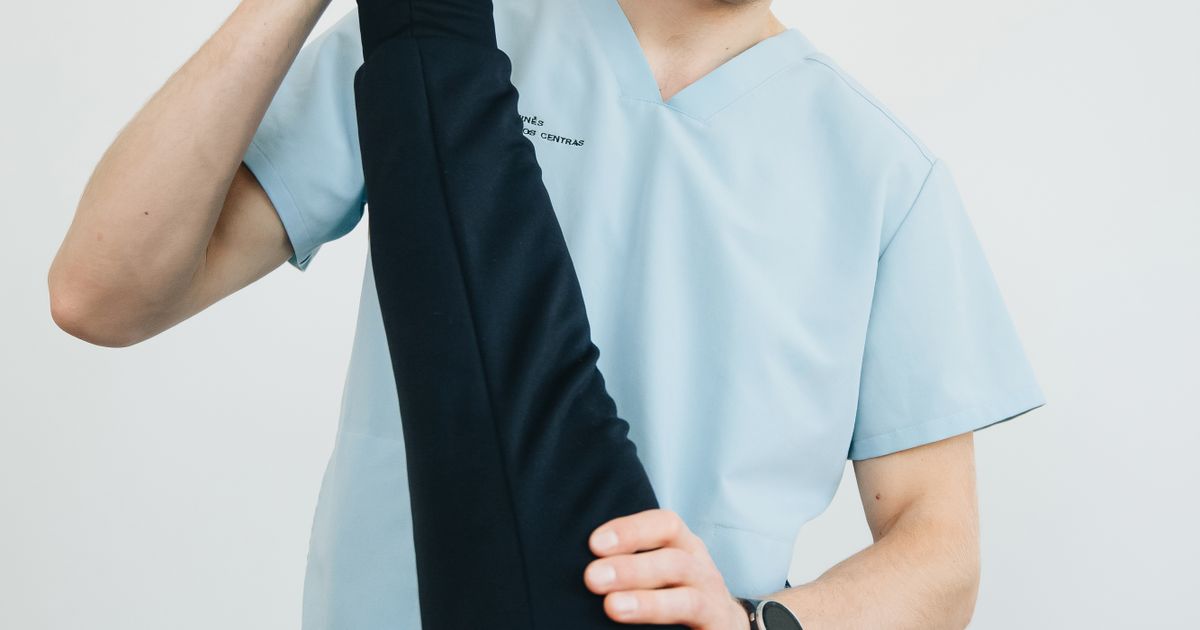
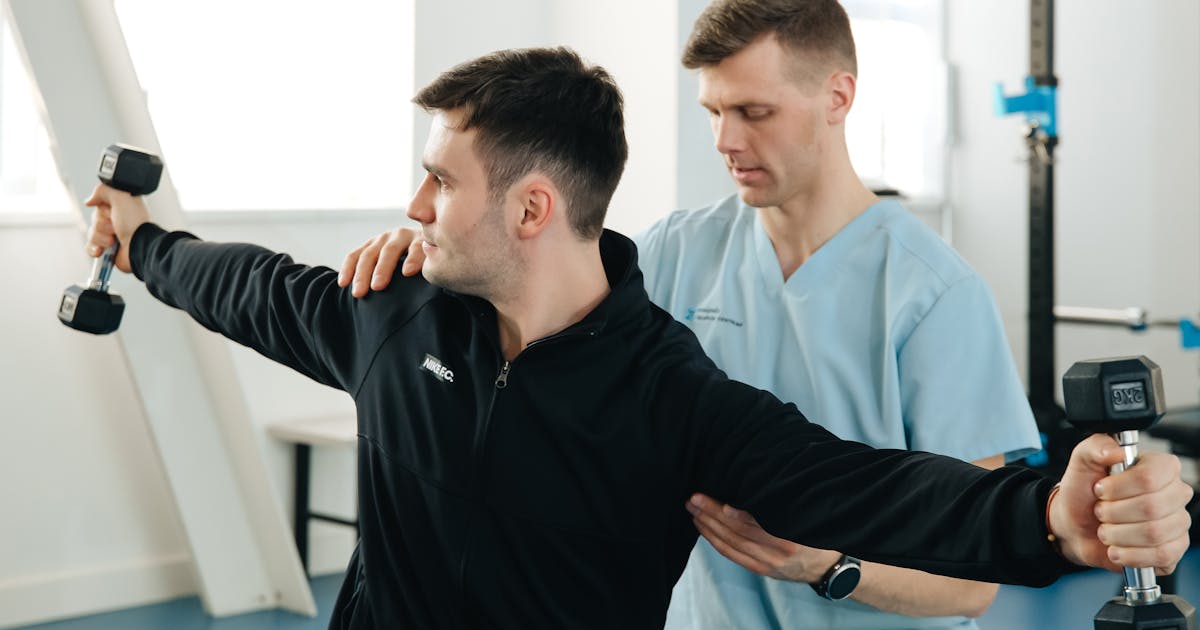
Photo by Funkcinės Terapijos Centras on Pexels
The Science Behind Resistance Training Preserves Bone
Mechanical loading triggers bone remodeling through osteocyte mechanotransduction, where bone cells convert physical stress into biochemical signals that activate osteoblasts-cells responsible for new bone formation. Unlike aerobic exercise, resistance training applies direct compressive forces to the skeleton, particularly benefiting weight-bearing bones such as the femur, spine, and hips. The American College of Sports Medicine recommends loads exceeding 70-80% of one-repetition maximum to stimulate osteogenesis.
Research published in the Journal of Bone and Mineral Research demonstrates that progressive overload increases bone mineral content by 1.3-2.6% in postmenopausal women over 12 months. The LIFTMOR trial showed that high-intensity resistance and impact training increased lumbar spine BMD by 4.1% in just eight months. These adaptations occur through Wnt/beta-catenin signaling pathway activation, which enhances osteoblast differentiation while suppressing osteoclast activity-the cells that break down bone tissue.
Clinical implications are profound: resistance training doesn’t merely maintain bone density-it reverses age-related bone loss by stimulating stem cell differentiation into bone-forming cells. This biological mechanism explains why studies consistently show 30-50% lower fracture risk in older adults who engage in regular resistance exercise compared to sedentary peers.
Key Risk Factors and Warning Signs
Primary risk factors include low body mass index (BMI <19), prolonged glucocorticoid use (>3 months), and family history of osteoporotic fractures. Secondary contributors encompass chronic malabsorption syndromes, hyperparathyroidism, and prolonged vitamin D deficiency-conditions affecting 37% of adults over 60. Lifestyle factors such as smoking (which doubles fracture risk) and excessive alcohol consumption (>3 units daily) further accelerate bone loss.
Warning signs warranting immediate evaluation include height loss exceeding 3cm in two years, unexplained back pain lasting >3 weeks, or sudden kyphosis development. The American Association of Clinical Endocrinologists recommends bone density screening for all women ≥65 and men ≥70, with earlier testing for those with risk factors. Fracture history itself becomes a critical risk indicator: a prior vertebral fracture increases subsequent fracture risk by 5-fold within one year.
Evidence-Based Strategies and Solutions
Implementing an effective resistance training program requires scientific precision combined with practical accessibility. The following evidence-based approach optimizes skeletal benefits while minimizing injury risk.
- Start with Progressive Overload: Begin with 2-3 sets of 8-12 repetitions at 60-70% of one-repetition maximum, increasing resistance by 2-5% weekly. This gradual progression stimulates osteoblast activity without overwhelming adaptive capacity. Clinical guidelines from the National Osteoporosis Foundation specify loads of 70-85% 1RM for optimal bone response.
- Focus on Multi-Joint Movements: Prioritize compound exercises like squats, deadlifts, and overhead presses that load the spine, hips, and femur. Research in Medicine & Science in Sports & Exercise shows these movements generate 2-3 times greater bone mineral accrual than isolation exercises. Include variations like goblet squats and Romanian deadlifts to target different bone regions.
- Incorporate Impact Loading: Add jumping exercises (10-20 jumps, 3x/week) to stimulate trabecular bone microarchitecture. The FIT trial demonstrated that adding impact activities increased hip BMD by 2.2% versus resistance training alone. Modify jumping to low-impact alternatives like step-ups or stair climbing for those with joint limitations.
- Progress to High-Intensity Training: After 8-12 weeks of adaptation, progress to 75-85% 1RM loads with 3-5 sets per exercise. The LIFTMOR study achieved 4.1% spine BMD increases using 80% 1RM loads twice weekly. Ensure adequate recovery between sessions (48-72 hours) to prevent overtraining and stress fractures.
- Combine with Nutritional Optimization: Consume 1200-1500mg calcium daily alongside 800-2000 IU vitamin D, with protein intake of 1.2-1.6g/kg body weight. Research in Osteoporosis International shows this combination enhances resistance training’s bone-building effects by 30-40%. Consider collagen peptides supplementation (15g/day) to provide amino acids essential for collagen synthesis.

Photo by SHVETS production on Pexels
Latest Research and Expert Insights
A 2023 meta-analysis of 33 randomized controlled trials (n=3,600 participants) published in the British Journal of Sports Medicine found that resistance training programs lasting ≥6 months increased femoral neck BMD by 1.8% compared to controls. The most effective protocols combined high-intensity loading (80-85% 1RM) with impact exercises, achieving results superior to pharmaceutical interventions in some studies.
- Key Finding: Postmenopausal women following 12-month resistance programs show 41% lower vertebral fracture incidence versus controls (JAMA Internal Medicine, 2022).
- Expert Consensus: The International Osteoporosis Foundation recommends resistance training as first-line therapy for osteoporosis prevention, with pharmaceutical treatments reserved for high-risk individuals. Their 2023 guidelines specify minimum 2-3 sessions weekly focusing on progressive overload.
- Future Directions: Emerging research explores whole-body vibration platforms combined with resistance training, showing 2.1% greater spine BMD increases versus resistance training alone (Journal of Aging and Physical Activity, 2023). Scientists are also investigating time-restricted resistance training protocols (8-10 minutes daily) that maintain similar bone benefits with reduced time commitment.
Frequently Asked Questions
Can resistance training reverse established osteoporosis?
Yes, but outcomes depend on severity. Clinical trials show 1-3% BMD increases in mild osteoporosis versus 0.5% in severe cases. Early intervention (BMD T-score >-2.5) yields the most significant results. Always consult a physician before beginning high-intensity programs, as some individuals require modified approaches.
How quickly can I expect to see bone density improvements?
Initial adaptations occur within 3-6 months, with measurable BMD increases detectable at 6 months. Trabecular bone responds faster than cortical bone, showing changes within 3 months. However, consistent lifelong training maintains these benefits, as bone loss resumes within 3-6 months of detraining.
What’s the minimum effective dose for osteoporosis prevention?
Research identifies 2-3 sessions weekly (45-60 minutes each) focusing on progressive overload. The 2023 ACSM guidelines specify 16-20 weeks of training to significantly increase BMD. Even shorter programs (10-15 minutes daily) show benefits when intensity is sufficient (70-80% 1RM).
Are there exercises I should absolutely avoid with osteoporosis?
Avoid forward flexion exercises like toe-touches or sit-ups, which increase vertebral fracture risk by 3-5 times. Also limit high-impact activities like running on hard surfaces if you have existing vertebral fractures. Modified Pilates and yoga with spinal extension emphasis are safer alternatives.
Conclusion and Key Takeaways
Progressive resistance training emerges as the most effective lifestyle intervention for preserving and enhancing bone density during aging, offering fracture risk reductions comparable to pharmaceutical treatments. The biological mechanisms-through mechanotransduction and stem cell activation-provide a natural, sustainable approach to skeletal maintenance that pharmaceuticals cannot replicate.
Start today: begin with bodyweight exercises, progress gradually to loaded movements, and combine with proper nutrition and medical monitoring. Your skeleton’s future resilience depends on the actions you take today. Schedule a consultation with a certified strength coach and physician specializing in bone health to develop a personalized program that protects you for decades to come.
