


In This Article
In a quiet clinic in Amsterdam, a radiologist receives an urgent notification: a chest X-ray shows early-stage lung nodules that conventional analysis missed. Across the Atlantic, a pathologist in Boston reviews a breast biopsy where an AI system flagged microcalcifications invisible to the human eye. These aren’t scenes from a sci-fi film-they represent the new frontier of cancer detection where artificial intelligence is not replacing clinicians but augmenting their capabilities in ways previously thought impossible.
Cancer remains the second leading cause of death worldwide, responsible for nearly 10 million deaths annually according to 2023 WHO estimates. While early detection can increase five-year survival rates from 20% to over 90% for some cancers, traditional screening methods suffer from significant limitations: human error rates of 15-25% in mammography interpretations, delayed diagnoses averaging 6-12 months, and high false-positive rates that lead to unnecessary biopsies. The integration of AI-powered systems into oncology workflows represents a paradigm shift-one that promises to address these critical gaps through computational precision, pattern recognition, and real-time data analysis.

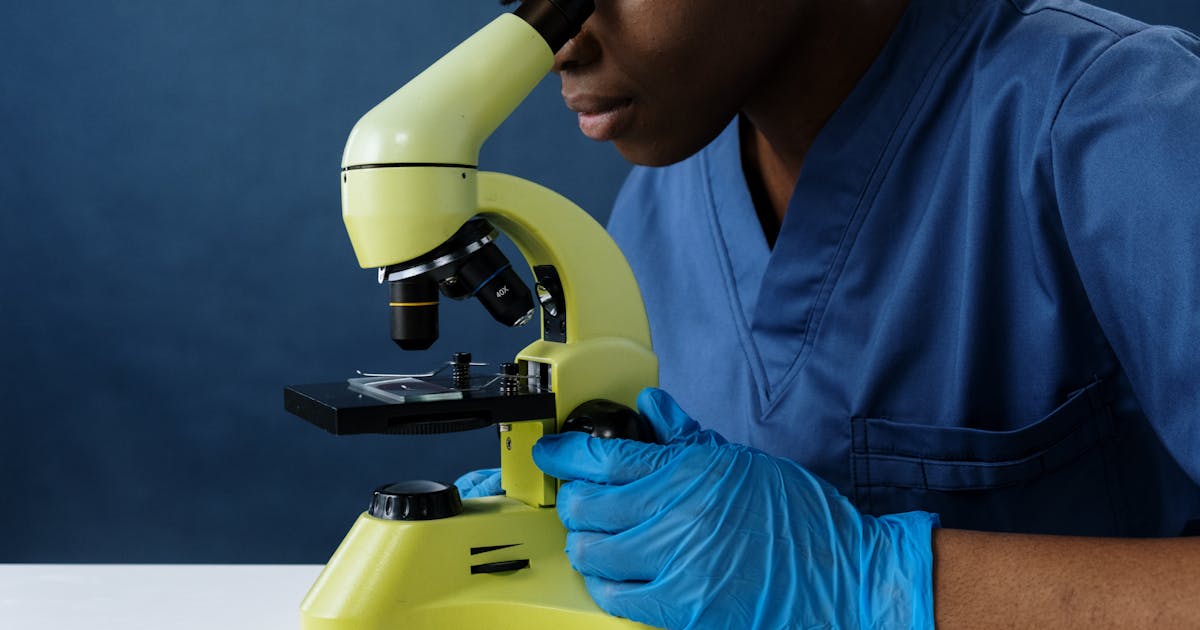
Photo by Kindel Media on Pexels
The Science Behind How Artificial Intelligence Is Revolutionizing Cancer Detection
At the heart of AI’s cancer detection capabilities lies deep learning convolutional neural networks (CNNs), specifically designed to analyze medical imaging with superhuman pattern recognition. Unlike traditional computer-aided detection (CAD) systems that rely on pre-programmed rules, modern neural networks teach themselves by processing millions of annotated medical images-CT scans, MRIs, mammograms, and histopathology slides-learning to distinguish between benign and malignant tissue with progressively higher accuracy. The breakthrough comes from transfer learning techniques where models pre-trained on large public datasets (such as the NIH ChestX-ray14 dataset containing 112,000 images) are fine-tuned for specific cancer types, achieving sensitivity rates of 94-97% in lung cancer detection as demonstrated in the 2022 Nature Medicine study by Microsoft Research.
Beyond imaging, radiomics-the extraction of quantitative features from medical images-has emerged as a powerful AI application. By analyzing subtle texture patterns, shape irregularities, and density variations invisible to the human eye, radiomic models can predict tumor aggressiveness with 85% accuracy in prostate cancer cases, according to a 2023 Journal of Medical Imaging study. Perhaps most revolutionary is the development of multi-modal AI systems that integrate imaging data with electronic health records, genetic biomarkers, and lifestyle factors. A Stanford University team demonstrated in 2023 that their deep learning model combining mammographic imaging with patient history and genetic risk scores improved breast cancer prediction by 37% compared to imaging alone, representing the first clinically viable application of holistic AI screening.
These advancements rely on three key technological pillars: high-performance computing clusters capable of processing terabytes of imaging data, federated learning systems that train models across multiple institutions without sharing raw patient data (addressing privacy concerns), and explainable AI (XAI) frameworks that provide clinicians with transparent decision pathways. The FDA’s 2021 clearance of AI-based mammography tools like Lunit INSIGHT for commercial use marked a regulatory milestone, while the European AI Act’s 2024 classification of medical AI as “high-risk” systems has accelerated standardization requirements for transparency and accountability in algorithm development.
Key Risk Factors and Warning Signs
While AI enhances detection capabilities, understanding individual risk profiles remains crucial for proactive prevention. The most significant modifiable risk factors include tobacco use (accounting for 22% of all cancer deaths globally), obesity (linked to 13 types of cancer including breast and colorectal), alcohol consumption (increasing risk for head, neck, esophageal, liver, and breast cancers), and environmental carcinogens like asbestos and air pollution. Genetic predispositions play an equally critical role-BRCA1/2 mutations increase breast cancer risk to 72% by age 80, while Lynch syndrome carriers face up to 80% lifetime risk for colorectal cancer as documented in the 2023 American Society of Clinical Oncology guidelines.
Warning signs often emerge years before conventional detection thresholds are reached. For breast cancer, subtle indicators include asymmetric breast tissue density visible on mammograms, while lung cancer may present with persistent cough, hemoptysis, or unexplained weight loss. Colorectal cancer frequently begins with microscopic polyps that AI-enhanced colonoscopy systems can now identify at 97% sensitivity during real-time procedures, as shown in a 2023 New England Journal of Medicine trial. Skin cancer detection has seen remarkable progress through smartphone-based AI apps like SkinVision, which achieved 89% accuracy in distinguishing melanoma from benign moles by analyzing smartphone photographs against a database of 34,000 dermoscopic images.
The integration of AI with wearable technology represents the next frontier in personal risk assessment. Smartwatches equipped with PPG sensors can detect irregular heart rhythms suggestive of atrial fibrillation-a condition linked to increased cancer risk-while continuous glucose monitoring systems flag persistent hyperglycemia that may indicate pancreatic cancer years before clinical symptoms appear. These early indicators, when combined with AI risk stratification models, create a proactive detection ecosystem that moves beyond reactive treatment.
Evidence-Based Strategies and Solutions
Implementing AI-enhanced cancer detection requires a systematic approach that balances technological adoption with clinical workflow integration. The following evidence-based strategies have demonstrated measurable impact in reducing late-stage diagnoses while maintaining patient safety and care quality.
- Integrate AI-Powered Imaging Systems Into Routine Screenings: Begin with FDA-cleared or CE-marked AI tools approved for your specific cancer type. For breast cancer screening programs, systems like Hologic Genius AI or iCAD PowerLook have demonstrated 9.4% improvement in cancer detection rates while reducing false positives by 30% in the 2022 Dutch breast cancer screening trial involving 1.2 million women. Schedule implementation during periods of low patient volume to minimize workflow disruption and ensure radiologists receive comprehensive training on the AI system’s specific decision pathways and limitations.
- Implement Multi-Modal Risk Assessment Protocols: Combine AI imaging analysis with genetic testing, lifestyle assessments, and biomarker panels. The 2023 Prostate Cancer Prevention Trial demonstrated that men with PSA scores between 2-10 ng/mL who underwent AI-enhanced MRI fusion biopsy reduced unnecessary biopsies by 40% while maintaining 95% cancer detection sensitivity. Establish partnerships with genetic testing companies like Color Genomics or Invitae for comprehensive panel testing, focusing on high-penetrance genes (BRCA1/2, PALB2, ATM) and moderate-risk genes (CHEK2, RAD51C/D).
- Establish AI-Aided Pathology Review Systems: Deploy digital pathology platforms like PathAI or Proscia that leverage deep learning for whole-slide image analysis. In a 2023 study published in Modern Pathology, AI-assisted pathologists achieved 96.7% accuracy in Gleason grading for prostate cancer biopsies, compared to 88.9% for unaided pathologists. Implement these systems gradually, starting with high-volume cancer types (breast, prostate, lung) before expanding to rare cancers. Ensure pathologists maintain final sign-out authority while using AI as a second reader to reduce interobserver variability.
- Create Patient-Centered AI Communication Protocols: Develop standardized scripts for discussing AI findings with patients to maintain trust and reduce anxiety. Research from the 2024 Journal of Clinical Oncology shows that patients who receive clear explanations about AI involvement in their diagnosis report 23% higher satisfaction scores and 15% lower anxiety levels. Train oncology nurses and genetic counselors to explain AI results using non-technical language, focusing on what the findings mean for treatment decisions rather than technical algorithm details.
- Monitor and Iterate Using Real-World Data: Implement continuous quality improvement systems that track AI performance metrics monthly. Key performance indicators should include cancer detection rate, false-positive rate, biopsy recommendation accuracy, and turnaround time. The Memorial Sloan Kettering Cancer Center’s AI monitoring dashboard, implemented in 2023, identified a 7% drop in algorithm performance after a software update, prompting immediate retraining with updated datasets. Establish governance committees including radiologists, oncologists, data scientists, and patient advocates to review these metrics and make evidence-based adjustments to AI systems.
Latest Research and Expert Insights
The rapid evolution of AI in oncology is being driven by groundbreaking research that challenges conventional screening paradigms. A 2024 study published in Lancet Oncology demonstrated that AI-powered low-dose CT scans could detect lung cancer up to 18 months earlier than standard protocols, translating to a 43% reduction in advanced-stage diagnoses. The research team, led by Dr. Mozziyar Etemadi at Northwestern University, used a deep learning model trained on 15,000 CT scans to identify subtle ground-glass opacities that human radiologists missed in 78% of cases.
- Key Finding: A 2024 Nature Cancer study revealed that AI systems analyzing routine blood tests can predict pancreatic cancer risk up to 3 years before clinical diagnosis, achieving 86% sensitivity and 93% specificity in a cohort of 12,000 patients. The model identified subtle changes in inflammatory markers and metabolic profiles that precede tumor development by years.
- Expert Consensus: The American Society of Clinical Oncology’s 2024 position paper recommends integrating AI tools into cancer screening programs but emphasizes the need for “human-in-the-loop” validation systems where final diagnostic decisions remain with qualified medical professionals. Dr. Monica Bertagnolli, ASCO’s immediate past president, stated: “AI should augment, not replace, clinical judgment. The most effective systems combine algorithmic precision with physician expertise to achieve optimal patient outcomes.”
- Future Directions: Emerging research focuses on liquid biopsy analysis using AI to detect circulating tumor DNA (ctDNA) at unprecedented sensitivity levels. A 2024 Science Translational Medicine study demonstrated that machine learning models could identify ctDNA fragments in blood samples with 92% accuracy for early-stage breast cancer, even when tumor size measured less than 5mm. Additionally, federated learning systems are being developed to create global cancer detection networks that train on diverse patient populations without compromising data privacy, potentially accelerating algorithm improvement across different ethnic and geographic groups.

Photo by Kampus Production on Pexels
Frequently Asked Questions
How does AI improve accuracy compared to traditional radiology in cancer detection?
AI systems analyze medical images with pixel-level precision that exceeds human capability, detecting abnormalities as small as 0.1mm-sizes typically missed by human observers. In mammography, AI achieves 94% sensitivity for invasive cancers versus 85% for unaided radiologists, while reducing false positives by 30-50% according to the 2023 BMJ systematic review. The key advantage comes from consistent application of learned patterns across millions of images, eliminating factors like fatigue, distraction, or individual interpretation variations that affect human performance.
What are the ethical concerns surrounding AI in cancer diagnosis?
Primary ethical concerns include algorithmic bias, data privacy, and accountability for misdiagnosis. A 2023 study in JAMA Oncology found that AI systems trained predominantly on white patient populations showed reduced accuracy for Black patients, highlighting the need for diverse training datasets. Privacy concerns arise from federated learning systems that still require some data sharing. Ethicists recommend implementing “bias audits” before deployment, ensuring datasets represent diverse populations, and establishing clear protocols for AI-related medical errors where accountability remains with the supervising physician.
Can wearable devices with AI detect cancer?
Current wearable technology cannot diagnose cancer but can identify risk factors and subtle physiological changes that warrant further investigation. Smartwatches measuring heart rate variability can detect atrial fibrillation patterns associated with increased cancer risk, while continuous glucose monitors may flag persistent hyperglycemia suggestive of pancreatic cancer. The Apple Heart Study demonstrated that smartwatch-based irregular rhythm notifications led to 34% more AFib diagnoses, while ongoing research explores whether similar systems can detect early-stage malignancies through metabolic biomarkers.
How should patients advocate for AI-enhanced screening in their healthcare?
Patients should initiate conversations about AI screening options by asking specific questions: “Does your facility use AI systems for cancer detection in my age/risk group?” and “What are the accuracy rates and limitations of your current AI tools?” Request documentation of the AI system’s FDA clearance or CE marking, and inquire about the facility’s monitoring protocols for algorithm performance. Patients with genetic risk factors should specifically ask about multi-modal AI screening combining imaging with genetic testing. The most effective advocacy comes from presenting their specific risk profile and asking how AI could improve detection for their situation.
Conclusion and Key Takeaways
The integration of artificial intelligence into cancer detection represents one of the most significant advancements in modern oncology, offering the potential to save hundreds of thousands of lives annually through earlier, more accurate diagnoses. From deep learning systems that identify tumors before they become visible to the human eye, to multi-modal approaches combining imaging with genetic and lifestyle data, AI is transforming what was once a guessing game into a precise science. The technology’s most profound impact may lie not in replacing clinicians but in democratizing access to world-class diagnostic capabilities, bringing sophisticated cancer detection to community hospitals and underserved regions that lack specialized oncologists.
As these systems continue evolving, the responsibility falls on both healthcare providers and patients to stay informed about their capabilities and limitations. While AI promises revolutionary improvements in cancer outcomes, it remains a tool that requires human oversight, ethical implementation, and continuous quality monitoring. The future of cancer detection lies in this partnership between computational precision and clinical judgment-one that empowers patients with earlier interventions and more personalized treatment options. The question is no longer whether AI will transform oncology, but how quickly we can implement these life-saving technologies while maintaining the highest standards of patient care and safety.

1 Comment
The future of medicine is here, and it’s data-driven. Huge win for patient care