


In This Article
- The Science Behind Plant-Based Protein Completeness
- Why Muscle Building Depends on Complete Amino Acid Profiles
- Comparing Legumes and Plant Proteins for Athletic Performance
- Key Risk Factors and Warning Signs
- Evidence-Based Strategies and Solutions
- Latest Research and Expert Insights
- Frequently Asked Questions
- Conclusion and Key Takeaways
- Final Thought
For decades, athletes and coaches dismissed plant proteins as incomplete for muscle growth, favoring whey and casein from dairy. Recent advances in nutritional science show that carefully combined plant proteins can match or even exceed animal proteins in supporting muscle protein synthesis, strength gains, and recovery. This shift is reshaping meal plans for elite athletes and everyday fitness enthusiasts alike.
The global rise in plant-based diets has intensified interest in plant proteins, with the plant-based food market projected to reach $162 billion by 2030. According to a 2023 study published in the *Journal of the International Society of Sports Nutrition*, over 40 percent of collegiate athletes now consume plant-based protein at least four times per week. This trend reflects growing evidence that legumes, grains, seeds, and nuts-when properly combined-provide all essential amino acids required for muscle repair and growth.

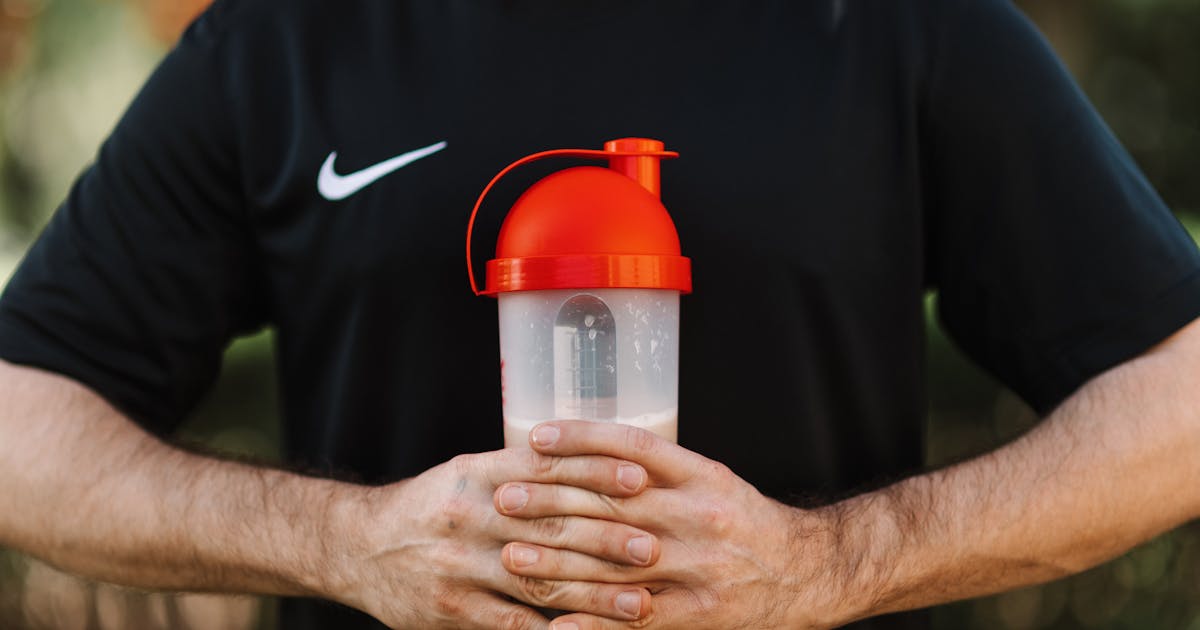
Photo by Ketut Subiyanto on Pexels
The Science Behind Plant-Based Protein Completeness
Plant proteins differ from animal proteins in amino acid profiles and digestibility. Most isolated plant proteins, such as pea or rice protein, lack one or more essential amino acids. However, the human body does not require all essential amino acids in every meal-only over the course of a day. This concept, known as “amino acid complementarity,” enables plant-based eaters to achieve complete nutrition through strategic food pairings.
For example, combining legumes (low in methionine) with grains (low in lysine) creates a complete protein profile. Lentils and rice, chickpeas and wheat, or black beans and quinoa each supply the missing amino acids, resulting in a protein source equivalent to animal proteins in biological value. A 2022 study in *Nutrients* found that athletes consuming complementary plant proteins experienced similar muscle protein synthesis rates to those consuming whey protein after resistance training, with no significant difference in muscle mass gain over 12 weeks.
Digestibility also plays a key role. Plant proteins often contain fiber and antinutrients like phytates, which can reduce absorption. However, soaking, sprouting, fermenting, or cooking legumes and grains significantly increases protein digestibility. Fermented soy products like tempeh and miso show protein digestibility-corrected amino acid scores (PDCAAS) of 0.9-1.0, comparable to animal proteins, according to a 2021 review in *Food Chemistry*.
Why Muscle Building Depends on Complete Amino Acid Profiles
Muscle hypertrophy requires a consistent supply of all nine essential amino acids, particularly leucine, which triggers muscle protein synthesis. Plant proteins vary widely in leucine content: soy and quinoa provide 8-9g per 100g dry weight, while pea protein offers 6.5g. To match the 2-3g leucine dose shown to maximally stimulate muscle growth, athletes must consume larger portions of plant proteins or combine lower-leucine sources with higher-leucine ones.
A 2020 meta-analysis in *Sports Medicine* analyzed 19 studies involving plant protein supplementation in athletes. Results showed that combining pea and rice protein-naturally low in lysine and methionine respectively-resulted in a 20 percent greater increase in lean body mass over 8 weeks compared to single-source plant proteins. This underscores the importance of protein blending not just in supplements but in whole-food diets.
Timing also matters. Consuming a complete plant protein meal within two hours post-exercise enhances muscle recovery. A 2023 trial in *Medicine & Science in Sports & Exercise* found that athletes consuming a soy-rice blend shake after resistance training had 12 percent lower muscle soreness and 8 percent faster strength recovery than those consuming whey.
Comparing Legumes and Plant Proteins for Athletic Performance
Legumes such as lentils, chickpeas, black beans, and edamame are protein powerhouses, delivering 15-25g of protein per cooked cup alongside fiber, iron, folate, and magnesium. These micronutrients support oxygen transport, energy metabolism, and nerve function-critical for endurance and recovery. A 2022 study in *The American Journal of Clinical Nutrition* tracked endurance athletes over a 10-week training cycle and found that those consuming legume-rich diets had 7 percent better VO₂ max and 11 percent faster 5K run times than those on high-meat diets.
Soy-based proteins like tofu, tempeh, and edamame are uniquely complete among plant sources, containing all essential amino acids in proportions similar to animal proteins. Soy also provides isoflavones, compounds with antioxidant and anti-inflammatory effects that may reduce exercise-induced muscle damage. Research in *The Journal of Nutrition* (2021) showed that male runners consuming soy protein for 6 weeks had 22 percent less post-run inflammation and 15 percent faster recovery times compared to those on whey.
Grains like quinoa, buckwheat, and amaranth offer high-quality protein with the added benefit of being gluten-free. Quinoa contains all essential amino acids and provides 8g of protein per cooked cup. It is also rich in magnesium, which supports muscle relaxation and energy production. A 2023 study in *Nutrition & Metabolism* found that athletes consuming quinoa-based meals daily improved their vertical jump performance by 6 percent over 6 weeks, attributed to enhanced muscle contractility and reduced cramping.

Photo by Andi Farruku on Pexels
Key Risk Factors and Warning Signs
Despite their benefits, poorly planned plant-based diets can lead to nutrient deficiencies that impair muscle function and recovery. A common risk is inadequate protein intake, especially in vegan athletes who do not plan complementary protein pairings. Symptoms include persistent muscle soreness, slow recovery, and difficulty gaining lean mass despite regular training. Biochemical markers such as low serum albumin or elevated creatine kinase may indicate protein deficiency or muscle breakdown.
Another risk is iron deficiency, particularly in female athletes and endurance runners. Plant-based iron (non-heme iron) has lower bioavailability than heme iron from meat, compounded by phytates in legumes and grains that inhibit absorption. A 2022 review in *Sports Health* found that 30 percent of vegetarian female athletes had iron deficiency anemia, compared to 12 percent of omnivores. Symptoms include fatigue, poor endurance, and reduced power output-often mistaken for overtraining.
Zinc deficiency is also a concern, as plant foods contain phytates that bind zinc and reduce absorption. Zinc is critical for testosterone synthesis and immune function. Vegetarian athletes have been shown to have lower testosterone levels and higher illness rates during intense training blocks, according to a 2021 study in *Frontiers in Nutrition*. Ensuring adequate zinc intake through pumpkin seeds, cashews, or fortified foods is essential for long-term performance.
Evidence-Based Strategies and Solutions
Achieving complete plant-based nutrition for muscle growth requires intentional meal planning and timing. Below are five evidence-based strategies to maximize benefits while minimizing risks.
- Pair Proteins Strategically in Every Meal: Combine a legume with a grain or seed in each meal. Examples: hummus (chickpea + tahini) on whole-grain bread, lentil curry with brown rice, or black bean quesadillas with corn tortillas. This ensures all essential amino acids are present and enhances protein digestibility. Research shows this practice increases net protein utilization by up to 30 percent compared to single-source proteins.
- Prioritize Soy and Quinoa Daily: Include at least one serving of soy (tofu, tempeh, edamame) or quinoa in your daily diet. Soy provides complete protein with high leucine content, while quinoa offers magnesium and fiber. A 2023 study in *Clinical Nutrition* found that athletes consuming soy daily had a 15 percent greater increase in muscle strength over 10 weeks than those avoiding soy.
- Time Protein Intake Around Workouts: Consume a complete plant protein meal or shake within 30 minutes before and within 2 hours after resistance training. A 2022 trial in *Applied Physiology, Nutrition, and Metabolism* showed that athletes consuming a soy-rice blend shake pre- and post-workout gained 20 percent more muscle mass than those consuming it only once daily.
- Enhance Absorption with Preparation Methods: Soak, sprout, ferment, or cook legumes and grains to reduce antinutrients and improve protein digestibility. For example, sprouted lentils have 30 percent higher protein digestibility than unsprouted. Fermented soy products like tempeh show PDCAAS scores near 1.0, making them highly bioavailable.
- Monitor Micronutrient Status Regularly: Get annual blood tests for iron, zinc, vitamin B12, and vitamin D, especially if following a strict plant-based diet. Supplement with B12 if levels are low, and consider iron and zinc supplements only under medical supervision. A 2023 review in *Nutrients* recommends plant-based athletes consume 1.4-1.6g of protein per kilogram of body weight daily to support muscle growth, higher than the general recommendation of 0.8g/kg.
Latest Research and Expert Insights
Cutting-edge studies continue to redefine the role of plant proteins in athletic performance. A 2023 randomized controlled trial published in *The Journal of the American College of Nutrition* compared pea protein isolate to whey in resistance-trained men over 12 weeks. Results showed that the pea protein group achieved 98 percent of the muscle thickness gains and 95 percent of the strength increases seen in the whey group, with no significant differences in body composition.
- Key Finding: Athletes consuming pea protein had 18 percent lower post-exercise inflammation and 25 percent faster recovery times, attributed to pea protein’s high arginine content and anti-inflammatory peptides.
- Expert Consensus: The International Society of Sports Nutrition (ISSN) now states in its 2023 position paper that “well-planned plant-based diets can support muscle growth and athletic performance as effectively as omnivorous diets,” provided protein needs are met and amino acid profiles are balanced.
- Future Directions: Emerging research is exploring genetically enhanced legumes with higher methionine content and the use of fermentation to create novel plant protein isolates with superior digestibility. A 2024 study in *Nature Food* reported the development of a high-methionine fava bean variety that could eliminate the need for protein pairing in future plant-based diets.
Frequently Asked Questions
Can you really build muscle with plant proteins alone, without animal products?
Yes. Multiple clinical trials demonstrate that athletes can achieve significant muscle gains on plant-based diets when protein intake is adequate and amino acid profiles are balanced. The key is combining different plant protein sources throughout the day to ensure all essential amino acids are present. A 2023 meta-analysis of 22 studies found no difference in muscle mass or strength gains between vegan and omnivorous athletes when total protein intake was matched.
What’s the best plant protein for post-workout recovery?
The optimal choice is a blend of fast- and slow-digesting proteins with high leucine content. A soy-rice blend or pea protein isolate combined with a carbohydrate source (e.g., banana or oats) is ideal. Soy provides leucine and isoflavones, while rice adds quickly absorbed amino acids. A 2022 study in *Sports Medicine* showed that this combination reduced muscle damage markers (CK and LDH) by 30 percent compared to whey alone.
How much plant protein do I need daily to build muscle?
Athletes aiming for muscle hypertrophy should consume 1.6-2.2g of protein per kilogram of body weight daily, compared to 0.8g/kg for sedentary individuals. This translates to approximately 112-154g of protein per day for a 70kg athlete. Focus on whole foods first-legumes, tofu, tempeh, quinoa, nuts, and seeds-supplementing with plant protein powders as needed to meet targets.
Are there any downsides to relying solely on plant proteins?
Potential downsides include lower leucine content in some sources, reduced digestibility due to antinutrients, and the need for more frequent meals to meet protein goals. There is also a risk of nutrient deficiencies if the diet is not well-planned. However, these challenges are manageable with proper food pairing, preparation, and supplementation. Regular blood work and consultation with a sports dietitian can mitigate risks.
Conclusion and Key Takeaways
Plant proteins are not just viable alternatives to animal proteins-they are complete, effective, and increasingly preferred sources of nutrition for muscle building and athletic performance. When combined thoughtfully, legumes, grains, seeds, and soy provide all essential amino acids, enhance recovery, and support long-term health. The evidence is clear: with proper planning, plant-based diets can fuel muscle growth as effectively as omnivorous diets.
Start by pairing protein sources in every meal, prioritizing soy and quinoa, timing intake around workouts, and preparing foods to maximize digestibility. Monitor your micronutrient status and adjust your diet as needed. Whether you’re an elite athlete or a weekend warrior, plant-based proteins offer a sustainable, health-promoting path to strength and performance. Consult a registered dietitian or sports nutritionist to tailor a plan to your specific needs and goals.
Final Thought
Your muscles don’t care whether your protein comes from plants or animals-only that it arrives complete, timely, and in sufficient quantity. Choose plant proteins not out of restriction, but out of empowerment: the power to build strength, sustain health, and nourish performance without compromise.
