


🩺 In This Medical Guide
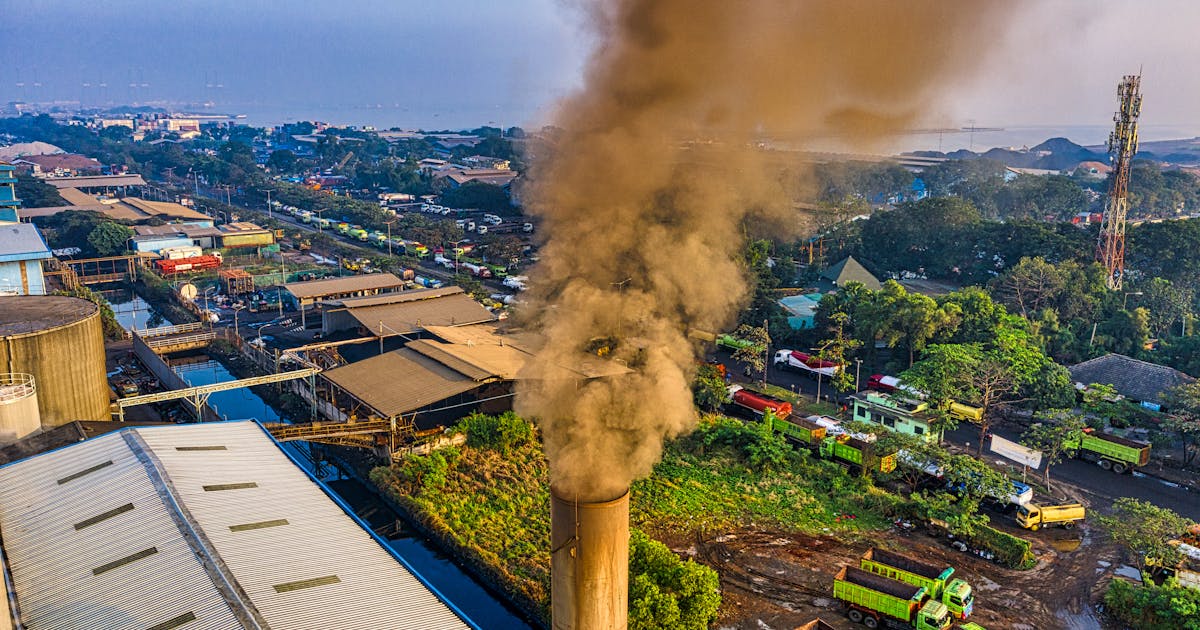
Last winter, hospitals in Delhi, India, reported a 40% increase in emergency visits for asthma and chronic bronchitis compared to the previous five-year average. The trigger? Not flu season-nor a new virus-but the thick layer of smog that descended over the city for six consecutive weeks. This wasn’t an isolated incident. From Los Angeles to London, from Beijing to Bogotá, urban centers are witnessing a troubling trend: as air quality plummets, respiratory illnesses are surging. And the latest science isn’t just confirming the link-it’s quantifying the damage.

📷 Photo by Malcolm Garret on Pexels
The Background and Significance of This Health Topic
Respiratory diseases have long been associated with smoking, occupational hazards, and genetic predisposition. However, recent epidemiological studies suggest that ambient air pollution-particularly fine particulate matter (PM2.5) and ground-level ozone-has become a dominant, yet underrecognized, risk factor for lung disease worldwide. The World Health Organization (WHO) estimates that 99% of the global population breathes air that exceeds safe limits, with urban areas bearing the highest burden. This silent exposure is not limited to megacities; small and medium-sized cities in developing nations are now facing similar health crises due to rapid industrialization and vehicular growth.
In the United States, the Environmental Protection Agency (EPA) reports that nearly 120 million Americans-over a third of the population-live in counties with unhealthy levels of ozone or particulate pollution. Alarmingly, children, the elderly, and individuals with pre-existing conditions are not the only ones affected. A 2023 study published in *The Lancet Planetary Health* found that long-term exposure to PM2.5 alone contributes to an estimated 4 million new cases of chronic obstructive pulmonary disease (COPD) annually. These findings underscore a critical public health reality: air pollution is no longer just an environmental issue-it is a respiratory health emergency.
Understanding the Medical Science
To grasp how pollutants damage the lungs, it’s essential to understand their biological pathways. PM2.5 particles-measuring less than 2.5 micrometers in diameter-are small enough to bypass nasal and upper airway defenses and lodge deep within the alveoli, the tiny air sacs where oxygen exchange occurs. Once embedded, these particles trigger an inflammatory cascade. Immune cells release cytokines such as IL-6 and TNF-alpha, which not only damage lung tissue but also promote systemic inflammation. This inflammation has been linked to not only COPD and asthma but also cardiovascular diseases, diabetes, and even neurological disorders, reflecting how deeply air pollution affects the body.
Ground-level ozone, another major pollutant, forms when nitrogen oxides (NOx) and volatile organic compounds (VOCs) react under sunlight. Unlike ozone in the stratosphere, which protects life, ground-level ozone is a potent oxidant that irritates and inflames the airways. It reduces lung function, increases airway hyperresponsiveness, and worsens symptoms in individuals with asthma and COPD. Research from the American Lung Association shows that a 10-parts-per-billion (ppb) increase in ozone levels correlates with a 3% rise in asthma-related hospitalizations. The mechanism is clear: pollution doesn’t just trigger symptoms-it alters the very structure and function of the respiratory system over time.
Key Factors and Symptoms to Watch
Not all air pollution affects the body equally. The concentration, duration, and composition of pollutants play a critical role in determining health outcomes. PM2.5 is particularly insidious due to its ability to penetrate the lungs and enter the bloodstream. Studies show that even short-term exposure to high levels of PM2.5 can reduce lung function in children by up to 8% within days. Meanwhile, long-term exposure has been associated with accelerated lung aging, reduced lung capacity, and increased risk of lung cancer-even in non-smokers. The WHO classifies PM2.5 as a Group 1 carcinogen, placing it in the same category as tobacco smoke and asbestos.
Common symptoms linked to pollution exposure include persistent cough, shortness of breath, wheezing, chest tightness, and frequent respiratory infections. These symptoms may mimic those of asthma or bronchitis but often persist even without a viral trigger. In urban populations, researchers have observed a phenomenon called “urban asthma,” where residents experience symptom flare-ups during high-pollution days, particularly during heatwaves or wildfire seasons. Importantly, the symptoms may not appear immediately. Some individuals, especially those with genetic susceptibility or prior lung damage, may develop COPD or idiopathic pulmonary fibrosis (IPF) years after prolonged exposure.
Another critical factor is socioeconomic status. Low-income communities are disproportionately affected by poor air quality due to proximity to highways, industrial zones, and lack of access to clean indoor air technologies. A 2022 study in *Environmental Health Perspectives* found that people living within 500 meters of major roadways had a 1.8 times higher risk of developing COPD than those living farther away. This disparity highlights how environmental justice intersects with respiratory health, making air quality not just a medical issue but a social one as well.
Actionable Advice and Prevention Strategies
While systemic change is needed to reduce urban pollution at its source, individuals can take proactive steps to protect their respiratory health. The following evidence-based strategies are recommended by pulmonologists and environmental health experts.
- Monitor Air Quality Daily: Use real-time air quality index (AQI) apps such as AirVisual or the EPA’s AirNow tool to track daily levels of PM2.5, ozone, and other pollutants. On days when the AQI exceeds 100 (considered unhealthy for sensitive groups), limit outdoor activities, especially during peak pollution hours (typically 10 AM to 4 PM). Keep windows closed and use air purifiers with HEPA filters indoors. A 2020 study in *Environmental Research* found that using HEPA air purifiers can reduce indoor PM2.5 levels by up to 80%, significantly lowering respiratory symptoms in asthmatic children.
- Wear Proper Face Masks Outdoors: Standard surgical or cloth masks do not filter PM2.5. Instead, use well-fitted N95 or KN95 respirators, which are designed to block at least 95% of fine particles. Ensure the mask fits snugly to prevent leakage around the edges. For sensitive individuals, consider masks with exhalation valves for better comfort during extended use. During wildfire season in the western U.S., public health officials have seen a 25% reduction in emergency room visits for respiratory issues in communities where mask-wearing was consistently practiced.
- Optimize Indoor Air Quality: Indoor air can be 2 to 5 times more polluted than outdoor air. Use high-efficiency air filters, avoid synthetic air fresheners and scented candles (which emit VOCs), and eliminate sources of combustion such as gas stoves or unvented space heaters. Consider using a dehumidifier to keep indoor humidity below 50%, which discourages mold growth-a common indoor allergen. Installing carbon monoxide detectors is also essential, as they alert users to dangerous levels of this odorless gas, which can worsen lung function.
- Adopt a Lung-Healthy Diet and Lifestyle: Nutrition plays a protective role. Diets rich in antioxidants-found in leafy greens, berries, nuts, and fatty fish-help combat oxidative stress caused by pollution. Omega-3 fatty acids, present in salmon and flaxseeds, reduce inflammation, while vitamin C and E support lung tissue repair. Regular physical activity strengthens respiratory muscles, but avoid exercising outdoors during high-pollution days. A 2021 study in the *European Respiratory Journal* showed that adults who consumed a Mediterranean diet had a 30% lower risk of developing pollution-related lung function decline over five years compared to those eating a standard Western diet.
Expert Insights and Latest Research
Current research is shifting from merely documenting the harm of air pollution to identifying biomarkers and interventions that can mitigate its effects. A groundbreaking 2023 study published in *Nature Communications* used advanced imaging and AI to map lung damage in real time among individuals exposed to high levels of PM2.5. The research revealed that even low-level exposure over two years can lead to structural changes in the alveoli, including thickening of alveolar walls and reduced gas exchange efficiency. These changes were reversible in some cases when individuals moved to areas with cleaner air, suggesting that lung damage from pollution is not always permanent.
- Recent Findings: Researchers at Columbia University found that exposure to PM2.5 accelerates the decline in lung function by approximately 1.6% per year in adults over 40-comparable to the impact of smoking half a pack of cigarettes daily. This revelation prompted the American Thoracic Society to update its clinical guidelines, recommending that clinicians incorporate air pollution history into patient assessments, especially for those with unexplained chronic cough or dyspnea.
- Clinical Perspectives: Dr. Maria Hernandez, a pulmonologist at Mount Sinai Hospital in New York, notes, “We’re seeing more young adults in their 30s and 40s presenting with COPD symptoms that previously were rare except in long-term smokers. Their only common exposure? Living in dense urban environments for decades.” She emphasizes the need for early screening using spirometry in high-risk populations and encourages patients to advocate for cleaner urban planning.
- Future Outlook: The medical community is exploring several promising interventions. Gene therapy targeting inflammation pathways, nanoparticle-based drug delivery to the lungs, and even probiotic treatments to restore lung microbiome balance are under investigation. Meanwhile, cities are piloting low-emission zones, expanding green spaces, and promoting electric public transit to reduce emissions. The European Union’s Zero Pollution Action Plan aims to cut air pollution-related deaths by 55% by 2030-a target that could save over 100,000 lives annually. While systemic change is critical, individual awareness and action remain the first line of defense against this invisible health threat.
Frequently Asked Questions
Can air pollution cause lung cancer even in people who have never smoked?
Yes. The International Agency for Research on Cancer (IARC) classifies PM2.5 as a Group 1 carcinogen, meaning there is sufficient evidence linking it to lung cancer in humans. A 2022 study in *JAMA Oncology* analyzed data from over 1.2 million adults and found that long-term exposure to high PM2.5 levels increased the risk of lung cancer by 18%, regardless of smoking status. This risk was highest in urban areas with heavy traffic and industrial activity. The carcinogenic effect is believed to result from chronic inflammation, oxidative DNA damage, and impaired cellular repair mechanisms in the lungs.
What’s the safest way to exercise if I live in a polluted city?
Exercise indoors when AQI levels are high-especially during rush hour or on windless days when pollutants accumulate. If you must exercise outdoors, do so in green spaces like parks (which can have up to 60% less PM2.5 than street level) and avoid high-traffic routes. Early morning or late evening are better times due to lower ozone levels. Use a mask designed for exercise, such as an N95 or FFP2 with an exhalation valve for comfort. After exercise, rinse your mouth and nasal passages with saline to remove residual particles. Studies show that even short bursts of high-intensity exercise in polluted air can increase airway inflammation.
Are electric cars really better for lung health than gasoline cars?
Yes, but the benefits depend on how the electricity is generated. A 2023 study by the University of Oxford found that in regions where electricity comes from renewable sources, replacing gasoline cars with electric vehicles reduces PM2.5 emissions by up to 70% and nitrogen oxides by 90%. However, in areas where coal powers the grid, the health benefits are reduced by about 30%. Still, even in coal-dependent regions, electric vehicles result in lower tailpipe emissions, which directly benefit urban air quality. For maximum respiratory protection, combine electric transport with reduced car dependency-use public transit, walk, or bike when possible.
I’ve been living in a polluted city for years-can my lungs recover?
Yes, to a large extent. The lungs have remarkable regenerative capacity. Research from Harvard University shows that moving from a high-pollution city to a cleaner area can reverse some lung function decline within 10 years. Indoor air purification, regular hydration, and antioxidant-rich diets further support recovery. Avoiding further exposure is critical-especially during high-pollution episodes-to prevent additional damage. While some structural changes may persist, the body’s ability to heal and adapt is significant. Think of it like quitting smoking-lung function improves over time, though not always to pre-exposure levels. Regular lung function tests (spirometry) are recommended for long-term city residents to monitor progress.
Final Thoughts
Air pollution is no longer a distant environmental concern-it is a daily respiratory hazard affecting millions. From the wheeze of a child walking to school in Delhi to the chronic cough of a senior in Los Angeles, the health toll is real, measurable, and preventable. While governments and industries must act to reduce emissions at their source, individuals are not powerless. By monitoring air quality, adopting protective habits, and advocating for cleaner urban environments, we can collectively breathe easier. The lungs are resilient, but they need our support. This is not just about surviving the next smog season-it’s about ensuring that future generations grow up in cities where clean air is a right, not a privilege. Always consult your healthcare provider if you experience persistent respiratory symptoms. Together, we can turn the tide on this invisible epidemic.
