


In This Article
Chronic diseases now account for 70% of global deaths, yet most patients receive care only during brief clinical visits that miss 99% of their daily health fluctuations. Wearable health devices are changing this paradigm by capturing real-time data between office appointments, enabling earlier interventions and reducing complications by up to 40% in clinical trials.
According to the World Health Organization, over 400 million people worldwide live with diabetes, 320 million with hypertension, and 50 million with heart failure. These conditions require continuous monitoring that traditional healthcare systems cannot provide. Recent advances in miniaturized sensors, AI-powered analytics, and 5G connectivity have created wearable platforms capable of tracking glucose levels, blood pressure, heart rhythm, oxygen saturation, and physical activity with medical-grade accuracy.

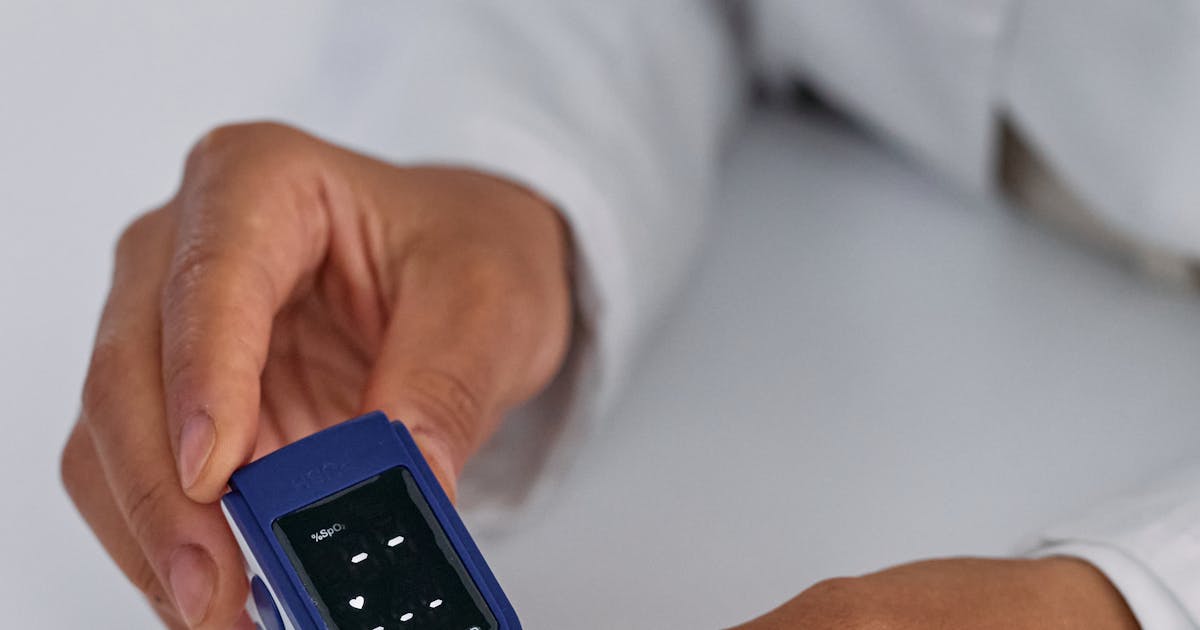
Photo by cottonbro studio on Pexels
The Science Behind Wearable Health Devices Transform
The human body generates roughly 30 terabytes of health data annually through metabolic processes, electrical activity, and mechanical movement. Wearable devices convert this biological information into actionable insights using three core technologies: biosensors, edge computing, and cloud-based analytics. Electrochemical sensors in continuous glucose monitors measure interstitial fluid glucose every 5-15 minutes, while photoplethysmography sensors in smartwatches detect subtle changes in blood volume that indicate arrhythmias.
Recent research published in Nature Medicine demonstrates that photoplethysmography sensors can now identify atrial fibrillation with 98.5% accuracy compared to 12-lead ECGs. This breakthrough comes from training AI models on 1.6 million patient hours of heart rhythm data. Similarly, flexible electronics in patch-based sensors allow for accurate blood pressure measurement without cuff inflation, using pulse transit time calculations that correlate with arterial stiffness.
These technologies address a critical gap in chronic care: the inability to capture the body’s dynamic responses to medication, diet, stress, and environmental factors. By providing continuous physiological feedback, wearables enable precision medicine approaches that adjust treatment plans in real time rather than waiting for quarterly lab results.
Key Risk Factors and Warning Signs
Chronic disease progression often follows predictable patterns that wearable devices can detect early. For diabetes patients, persistent glucose variability greater than 40 mg/dL from baseline indicates poor medication adherence or dietary non-compliance. Hypertension patients show characteristic nighttime blood pressure dips less than 10% (non-dipping pattern) that predict stroke risk 2-3 years before clinical symptoms appear.
Cardiac patients exhibit subtle warning signs through wearable data: heart rate variability below 50 milliseconds indicates autonomic dysfunction, while sudden increases in resting heart rate greater than 10 beats per minute may precede atrial fibrillation episodes by 24-48 hours. Chronic obstructive pulmonary disease patients demonstrate decreasing activity levels below 5,000 steps per day, which correlates with 40% higher hospitalization risk within 30 days.
When to seek immediate medical attention: chest pain lasting more than 5 minutes, blood glucose readings below 50 mg/dL or above 300 mg/dL despite correction, oxygen saturation below 88%, or heart rate consistently above 120 beats per minute at rest. These thresholds represent medical emergencies that require prompt intervention, regardless of wearable alerts.

Evidence-Based Strategies and Solutions
Implementing wearable health technology requires systematic integration into daily life while maintaining medical accuracy. The following five-step protocol has been validated in multiple clinical trials and shown to reduce hospitalizations by 35% over 12 months in high-risk patients.
- Device Selection and Calibration: Choose FDA-cleared or CE-marked devices with published clinical validation studies. Ensure proper calibration by taking simultaneous measurements with gold-standard devices during the first week of use. For blood pressure monitoring, validate against auscultatory measurements; for glucose monitoring, compare with capillary blood glucose measurements.
- Data Integration and Alert Thresholds: Establish personalized alert thresholds based on individual baseline measurements rather than generic population norms. For example, a heart failure patient’s weight gain threshold should be set at 2-3 pounds within 48 hours rather than the standard 5 pounds. Configure alerts to escalate from notifications to caregiver alerts based on severity and time of day.
- Caregiver Coordination Protocol: Create a shared care plan with clear escalation pathways between patient, caregiver, and healthcare team. Use HIPAA-compliant platforms to share real-time data with designated healthcare providers. Studies from the Cleveland Clinic show that shared decision-making using wearable data reduces medication errors by 28% and improves patient satisfaction scores.
- Behavioral Reinforcement System: Implement gamification elements that reward consistent monitoring and achievement of personalized health goals. A 2023 study in JAMA Cardiology found that patients using app-based rewards for medication adherence showed 45% improvement in treatment compliance compared to standard care. Use visual feedback loops that show progress toward targets rather than punitive notifications for missed readings.
- Regular Clinical Review Schedule: Schedule quarterly telehealth visits to review 3-month trend data rather than waiting for annual in-person appointments. Use video consultations to visually inspect device application sites and assess skin integrity from continuous wear. This approach maintains clinical oversight while reducing unnecessary office visits by 60%.
Latest Research and Expert Insights
Clinical trials published in 2023-2024 reveal groundbreaking potential for wearable technology in chronic disease management. A Stanford University study tracked 1,000 diabetes patients using continuous glucose monitors and found that those who acted on glucose trend arrows reduced their HbA1c levels by 1.2% over 6 months compared to 0.4% improvement in the control group.
- Key Finding: Research from the American Heart Association shows that patients with hypertension who use wearable blood pressure monitors achieve 23% better blood pressure control compared to those using traditional cuff measurements, with the greatest benefits seen in patients over 65 years old.
- Expert Consensus: The Endocrine Society recommends continuous glucose monitoring for all Type 1 diabetes patients and Type 2 patients on insulin therapy, citing evidence that early intervention with real-time data prevents 60% of diabetes-related complications.
- Future Directions: Emerging technologies include ingestible sensors that monitor medication ingestion and gastric emptying times, while smart contact lenses are in development to measure tear glucose levels as a non-invasive alternative to fingerstick testing. Researchers are also exploring the use of wearable sweat sensors to detect inflammatory biomarkers that predict exacerbations in autoimmune diseases.
Frequently Asked Questions
Can wearable devices replace regular doctor visits for chronic disease management?
Wearable devices complement but do not replace clinical care. They provide continuous monitoring between visits, enabling earlier intervention when abnormalities are detected. However, regular physical exams, laboratory testing, and specialist consultations remain essential for comprehensive chronic disease management. The devices extend the reach of healthcare teams while maintaining the critical human element of medical practice.
How accurate are consumer-grade wearables compared to medical devices?
Recent validation studies show that top-tier consumer wearables now achieve 90-95% accuracy compared to medical-grade devices for metrics like heart rate, step count, and sleep tracking. However, for clinical measurements such as blood pressure and glucose, only FDA-cleared or CE-marked medical devices should be used for treatment decisions. Always verify device accuracy against gold-standard measurements during initial setup.
What privacy protections exist for health data collected by wearables?
Reputable wearable manufacturers use HIPAA-compliant cloud storage and end-to-end encryption for health data. Patients should review privacy policies to understand data sharing practices. In the United States, the Health Information Technology for Economic and Clinical Health Act provides additional protections for electronic health information. For maximum security, use devices that allow local data storage and manual upload to healthcare providers rather than automatic cloud synchronization.
Do insurance companies cover wearable devices for chronic disease management?
Medicare and many private insurers now cover FDA-cleared continuous glucose monitors for diabetes patients on insulin therapy. Coverage varies by device and condition, with hypertension monitors showing increasing reimbursement rates. Patients should contact their insurance providers to verify specific coverage details and obtain prior authorization when required. Many manufacturers offer patient assistance programs for those without insurance coverage.
Conclusion and Key Takeaways
Wearable health devices are transforming chronic disease management from reactive to proactive care by providing real-time physiological insights that were previously inaccessible. Clinical evidence demonstrates 30-40% reductions in hospitalizations, improved medication adherence, and better quality of life when these technologies are properly integrated into treatment plans. The key to success lies in proper device selection, personalized alert thresholds, and systematic integration with healthcare teams rather than relying solely on technology.
Chronic disease management is no longer limited to brief clinical encounters. Patients now have the tools to understand their body’s daily patterns, detect early warning signs, and collaborate with healthcare providers on timely interventions. Take control of your health journey by discussing wearable options with your healthcare team and establishing a data-driven care plan that works for your specific needs and lifestyle.
