


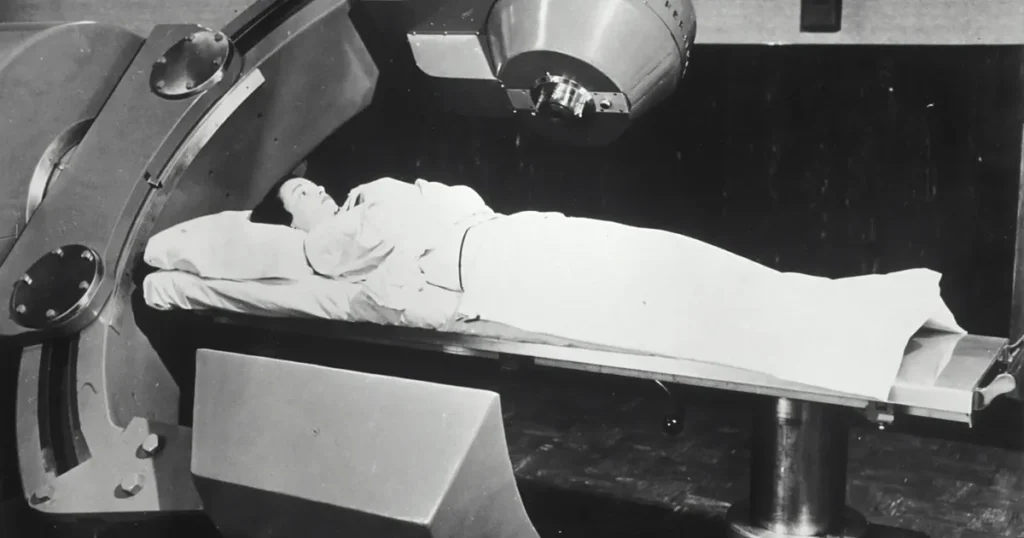
I still remember visiting my grandmother in the hospital as a child, watching her struggle with a condition that, at the time, felt like an insurmountable challenge for medicine. Fast forward to today, and the landscape of healthcare is utterly transformed. It’s truly astounding to witness the pace of biomedical research innovations recent developments, which are not just incremental steps but genuine leaps forward. We’re living through an era where science fiction is rapidly becoming scientific fact, offering unprecedented hope for treating diseases that once seemed incurable. This isn’t just about new drugs; it’s about fundamentally rethinking how we understand, diagnose, and intervene in human health, making it a profoundly exciting time to be involved in or simply observe this field.
Revolutionizing Gene Editing with CRISPR
The advent of CRISPR-Cas9 technology has undeniably been one of the most significant biomedical research innovations recent developments, opening up a universe of possibilities for genetic medicine. What began as a bacterial defense mechanism has been repurposed into a precision tool capable of editing DNA with remarkable accuracy. This allows scientists to correct genetic mutations responsible for a vast array of inherited diseases, from cystic fibrosis to sickle cell anemia. The ethical implications are, of course, profound and require careful navigation, but the therapeutic potential to eliminate the root cause of many debilitating conditions is truly revolutionary and gives us immense hope for the future.
Beyond correcting single-gene disorders, the applications of CRISPR are rapidly expanding. Researchers are exploring its use in developing new cancer therapies, making immune cells more effective at targeting tumors, and even engineering mosquitos to prevent the spread of malaria. The speed at which this technology is evolving means that by 2026, we could see several CRISPR-based therapies moving beyond clinical trials and into broader patient access. However, ensuring equitable access globally remains a critical challenge, as these cutting-edge treatments often come with a high initial cost, creating a disparity in who can benefit from these life-changing breakthroughs.
Ethical Quandaries and Regulation
While the promise of gene editing is immense, it also brings significant ethical considerations to the forefront. The ability to alter the human genome, particularly germline editing which can pass changes down to future generations, necessitates a robust and ongoing global dialogue. Regulatory bodies worldwide are grappling with how to establish frameworks that foster innovation while safeguarding against potential misuse and unintended consequences. It’s a delicate balance, requiring transparent public discussion and international cooperation to ensure these powerful tools are used responsibly and for the benefit of all humanity.
AI and Machine Learning Transforming Discovery
Artificial intelligence (AI) and machine learning (ML) are not just buzzwords in biomedical research; they are powerful engines accelerating discovery and improving patient outcomes. These technologies excel at sifting through vast datasets – from genomic sequences to patient records and clinical trial results – identifying patterns and insights that would be impossible for human researchers alone. This capability significantly speeds up the drug discovery process, pinpointing potential drug candidates and predicting their efficacy and toxicity much faster than traditional methods. It’s a game-changer for pharmaceutical companies and academic labs alike, pushing the boundaries of what’s possible in drug development.
Moreover, AI is revolutionizing diagnostics by enhancing the accuracy and speed of disease detection. Machine learning algorithms can analyze medical images, such as X-rays, MRIs, and pathology slides, often identifying subtle markers of disease that might be missed by the human eye. This leads to earlier diagnoses, particularly in areas like oncology and ophthalmology, where early intervention can drastically improve prognosis. Furthermore, AI is crucial in personalized medicine, helping clinicians predict individual patient responses to specific treatments, tailoring therapies for maximum effectiveness and minimal side effects, thereby ushering in an era of truly precision healthcare. For more detailed insights, the National Institutes of Health offers extensive resources on AI in biomedicine.
The Rise of Personalized Medicine
The shift towards personalized medicine represents a paradigm change in healthcare, moving away from a one-size-fits-all approach to treatments tailored to an individual’s unique genetic makeup, lifestyle, and environment. This deeply researched area leverages advancements in genomics, proteomics, and metabolomics to create highly specific therapeutic strategies. For instance, pharmacogenomics examines how a person’s genes affect their response to drugs, allowing doctors to prescribe medications that are more likely to be effective and less likely to cause adverse reactions. This level of customization promises to significantly improve treatment efficacy and reduce the burden of ineffective or harmful therapies.
One of the most exciting aspects of personalized medicine is its impact on cancer treatment. Liquid biopsies, for example, allow oncologists to detect cancer DNA in a patient’s blood, enabling non-invasive monitoring of tumor progression and treatment response. This means treatments can be adjusted in real-time based on the tumor’s evolving genetic profile, offering a dynamic and highly individualized approach. Companion diagnostics, which identify specific biomarkers to determine if a patient will respond to a particular therapy, are also becoming standard practice. These innovations are reshaping how we manage chronic diseases and cancer, offering hope for more targeted and successful outcomes.
Regenerative Medicine and Tissue Engineering
Regenerative medicine is poised to mend and replace damaged tissues and organs, offering a lifeline to millions suffering from chronic diseases or injuries. This field harnesses the body’s natural healing processes, often employing stem cells, growth factors, and biomaterials to restore function. Organoids, miniature 3D tissue cultures grown from stem cells, are proving invaluable for disease modeling, drug screening, and understanding human development without needing to experiment on living patients. Imagine culturing a patient’s own kidney cells to grow a personalized patch to repair a damaged organ – that’s the promise we’re actively pursuing.
Tissue engineering, a subset of regenerative medicine, is making incredible strides in creating functional tissues and organs outside the body. Researchers are now bio-printing complex structures like blood vessels, cartilage, and even rudimentary organs using specialized 3D printers and bio-inks composed of living cells. While fully functional, vascularized organs for transplantation are still a significant challenge, progress is rapid. By 2026, we anticipate seeing more advanced bio-printed tissues used for drug testing and perhaps even early-stage clinical applications for less complex tissues. The potential to eliminate organ donor waiting lists and reduce transplant rejection is a powerful motivator for these ongoing biomedical research innovations recent developments.
Immunotherapy and Advanced Vaccinology
Immunotherapy has fundamentally changed the landscape of cancer treatment, moving beyond traditional chemotherapy and radiation to harness the body’s own immune system to fight disease. Therapies like CAR T-cell therapy, where a patient’s T-cells are genetically modified to recognize and attack cancer cells, have achieved remarkable success in treating certain blood cancers, often leading to long-term remission in patients who had exhausted other options. This approach is expanding to solid tumors, representing a significant area of intense biomedical research and clinical development.
The COVID-19 pandemic catalyzed an unprecedented acceleration in vaccine development, particularly with mRNA technology. This platform, which teaches our cells to make a protein that triggers an immune response, offers incredible flexibility and speed in vaccine design. Beyond infectious diseases, mRNA vaccines are now being explored for cancer, autoimmune conditions, and even allergies. The ability to rapidly design and deploy highly effective vaccines against emerging pathogens and complex diseases represents a monumental leap forward in public health preparedness and disease prevention, promising a future with far fewer devastating outbreaks and chronic illnesses. You can learn more about global health initiatives and vaccination efforts through the World Health Organization.
Key Takeaways
- CRISPR-Cas9 is Redefining Genetic Medicine: This gene-editing tool offers unprecedented precision to correct genetic mutations, promising cures for inherited diseases and new avenues for cancer therapy, though ethical considerations and equitable access remain crucial discussion points.
- AI and Machine Learning are Accelerating Discovery: AI is transforming drug discovery, identifying patterns in vast datasets, and enhancing diagnostic accuracy across various medical fields, leading to earlier detection and more effective treatments.
- Personalized Medicine is Tailoring Healthcare: Leveraging genomics and other ‘omics’ technologies, personalized medicine delivers treatments uniquely adapted to an individual’s biological profile, optimizing efficacy and minimizing adverse drug reactions, especially in oncology.
- Regenerative Medicine Offers Hope for Repair: Through stem cells, organoids, and advanced tissue engineering, this field aims to repair or replace damaged tissues and organs, with bio-printing showing immense potential to address organ shortages in the near future.
Frequently Asked Questions
What is the most impactful recent innovation in biomedical research?
While many innovations are groundbreaking, the development and refinement of CRISPR gene-editing technology, alongside the profound integration of AI in drug discovery and diagnostics, stand out as particularly transformative. CRISPR offers the potential to cure genetic diseases at their source, while AI is accelerating every stage of research and clinical application, fundamentally changing how we approach medical problems.
How will these innovations affect healthcare costs and accessibility?
Initially, many cutting-edge biomedical research innovations recent developments, especially gene therapies and personalized treatments, come with high costs due to their complexity and novelty. However, as technologies mature and become more widespread, costs tend to decrease. Furthermore, by providing more effective, targeted treatments, these innovations could lead to long-term savings by reducing hospital stays, chronic disease management, and repeat ineffective treatments. Accessibility remains a critical global challenge, requiring policy efforts to ensure equitable distribution.
Are these new treatments widely available to patients now?
Some innovations, like certain personalized cancer therapies and advanced diagnostic tools utilizing AI, are already in clinical use and becoming more widely available. Others, particularly gene-editing therapies or complex regenerative medicine applications, are still in various stages of clinical trials. The journey from research to widespread patient access is rigorous and lengthy, but progress is being made rapidly, with many more options expected to be approved and available by 2026.
What are the biggest challenges facing biomedical research today?
Beyond the scientific hurdles, significant challenges include ensuring ethical implementation of powerful technologies like gene editing, addressing health disparities to ensure equitable access to innovations, and navigating complex regulatory pathways. Funding for basic research, fostering interdisciplinary collaboration, and translating discoveries from the lab to effective patient care also remain ongoing priorities for the biomedical community.
Conclusion
The journey through the latest biomedical research innovations recent developments reveals a landscape brimming with possibility and profound impact. From the precision of CRISPR to the predictive power of AI, and the promise of personalized medicine and regenerative therapies, we are truly on the cusp of a new era in health. These advancements are not merely scientific curiosities; they are tangible steps towards a future where previously incurable diseases become manageable, and the quality of human life is significantly enhanced. The pace of discovery is exhilarating, and the dedication of researchers worldwide ensures that tomorrow’s breakthroughs are already being forged today, offering immense hope for all.
