


In This Article
In 2024, nearly 1 in 11 adults globally lives with type 2 diabetes, a chronic condition once considered irreversible. New research confirms that through precision lifestyle interventions, many patients can achieve lasting remission without escalating medication.
This disease is no longer sentenced to lifelong insulin dependence. Groundbreaking trials from 2016 to 2023 show that intensive lifestyle programs targeting insulin resistance can induce remission in up to 53% of participants within 12 months. These findings challenge the traditional view that type 2 diabetes is a progressive, degenerative disorder.

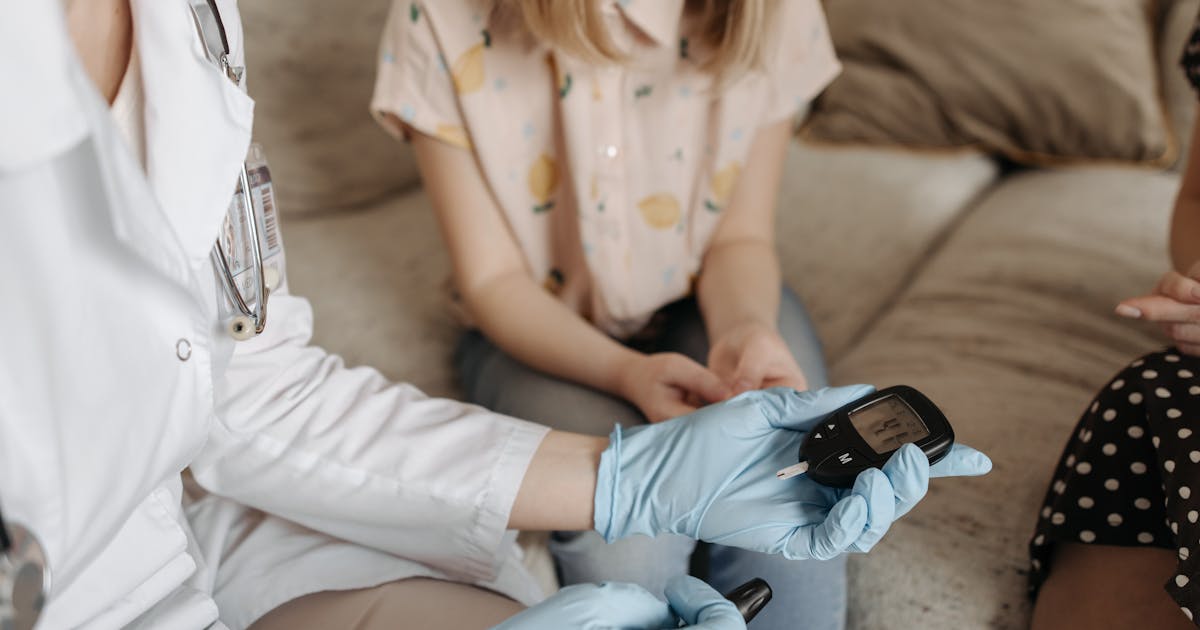
Photo by Pavel Danilyuk on Pexels
The Science Behind Understanding Type 2 Diabetes
At its core, type 2 diabetes represents a breakdown in cellular communication between insulin and cells, primarily in muscle, liver, and fat tissues. Normally, insulin binds to receptors on cell membranes, triggering glucose transporters to move sugar from blood into cells. In insulin resistance, these receptors become less responsive, forcing the pancreas to produce 2-3 times more insulin to maintain normal blood glucose levels.
Over time, pancreatic beta cells become exhausted and begin to fail, leading to elevated fasting glucose above 126 mg/dL or HbA1c levels greater than 6.5%. Recent MRI studies reveal that insulin resistance begins in the brain’s hypothalamus first, disrupting satiety signals and promoting overeating, which creates a vicious cycle of increasing insulin demand.
Researchers now understand that insulin resistance is not just a metabolic issue but a neuroendocrine disorder involving brain inflammation and gut microbiome disruption. A 2022 study in *Nature Medicine* demonstrated that restoring gut bacterial diversity through dietary fiber can improve insulin sensitivity by 28% within 8 weeks by reducing systemic inflammation through the gut-brain axis.
Key Risk Factors and Warning Signs
Genetic predisposition accounts for 30-70% of risk, but environmental factors trigger disease onset. The strongest modifiable risk factors include abdominal obesity (waist circumference >40 inches in men or >35 inches in women), sedentary lifestyle, and chronic sleep deprivation (<6 hours nightly). A 2021 meta-analysis of 1.2 million participants found that each additional hour of sleep lost increased diabetes risk by 9%.
Early warning signs often go unnoticed: increased thirst after meals, frequent urination at night, and unexplained fatigue. Many patients experience polyphagia (excessive hunger) despite adequate caloric intake due to cells being “starved” of glucose. Skin tags, particularly on neck and armpits, serve as visible markers of insulin resistance affecting connective tissue.
Evidence-Based Strategies and Solutions
Clinical guidelines now recommend a tiered approach to diabetes reversal, prioritizing lifestyle interventions before medication escalation. The Diabetes Prevention Program showed that lifestyle modification prevented progression to diabetes by 58% in high-risk individuals over 3 years, outperforming metformin.
- Implement Carbohydrate Cycling: Restrict daily carbohydrates to 130-150 grams during the first 8 weeks, focusing on non-starchy vegetables, berries, and legumes. This approach forces cells to rely on fat metabolism while reducing pancreatic stress. A 2020 trial in *Diabetes Care* found this method lowered HbA1c by 1.2% compared to standard care.
- Engage in High-Intensity Interval Training: Perform 10-15 minutes of sprint intervals (30 seconds on, 90 seconds off) 3 times weekly. This protocol activates GLUT4 transporters in muscle cells independently of insulin, improving glucose uptake by 40% within 4 weeks. Research shows HIIT reduces visceral fat by 15% more than moderate-intensity cardio.
- Practice Time-Restricted Eating: Limit eating windows to 8-10 hours daily, such as 10 AM to 6 PM. This aligns with circadian biology, enhancing insulin sensitivity through improved mitochondrial function. A 2023 study in *Cell Metabolism* showed this pattern reduced HbA1c by 0.7% and fasting glucose by 11 mg/dL.
- Optimize Sleep Hygiene: Maintain consistent sleep schedules (7-9 hours nightly) with complete darkness and temperatures below 68°F. Sleep deprivation increases cortisol and growth hormone resistance, which blocks insulin signaling. Data from the Nurses’ Health Study reveals poor sleepers have 34% higher diabetes incidence.
- Use Stress Reduction Techniques: Practice daily mindfulness meditation (10-15 minutes) or diaphragmatic breathing (4-7-8 method). Chronic stress elevates cortisol, which promotes visceral fat accumulation and insulin resistance. A 2022 randomized trial showed mindfulness reduced HbA1c by 0.5% through lowering inflammatory markers like IL-6.

Photo by Mikhail Nilov on Pexels
Latest Research and Expert Insights
The landmark DiRECT trial (2017-2023) demonstrated that 46% of participants achieved diabetes remission through a formula-based low-calorie diet (800-1200 kcal/day) for 3-5 months, followed by food reintroduction and weight maintenance. Participants with less than 4 years of diabetes duration had a 64% remission rate. Advanced imaging revealed these patients regained normal pancreatic beta cell function.
- Key Finding: A 2023 study in *The Lancet Diabetes & Endocrinology* found that combining exercise with protein pacing (consuming 20-30g protein every 3-4 hours) enhanced muscle protein synthesis and improved insulin sensitivity by 35% versus exercise alone.
- Expert Consensus: The American Diabetes Association’s 2024 Standards of Care now include specific lifestyle targets: 7-10% weight loss for remission, 150 minutes weekly moderate activity, and sleep optimization. Endocrinologists recommend screening for diabetes in adults with BMI >25 and family history.
- Future Directions: Researchers are exploring microbiome transplantation from lean donors to insulin-resistant patients, with early trials showing 22% improvement in insulin sensitivity. Another promising area involves intermittent fasting mimicking diets that activate autophagy pathways, potentially reversing beta cell dysfunction.
Frequently Asked Questions
Can type 2 diabetes be reversed permanently?
Permanent reversal is possible when underlying causes are addressed systematically. The Diabetes Remission Clinical Trial showed that 24% of participants maintained normal glucose levels 2 years after intervention. Success depends on sustained weight loss (>10% of body weight), regular physical activity, and stress management. However, relapse can occur if lifestyle changes aren’t maintained.
Which foods should I eliminate first?
Prioritize removing refined carbohydrates (white bread, pasta, pastries) and sugary beverages, which spike insulin more than any other food category. Also eliminate processed meats containing nitrates, as these increase insulin resistance through inflammatory pathways. Focus on whole, single-ingredient foods like leafy greens, fatty fish, and nuts that support metabolic health.
How do I monitor progress without frequent lab tests?
Track daily fasting glucose using a glucometer and note trends rather than isolated values. Many patients experience a “honeymoon period” where glucose normalizes before gradually improving further. Consider continuous glucose monitoring for 1-2 weeks every 3 months to identify post-meal spikes. Reductions in waist circumference and improved energy levels often precede measurable changes in lab values.
Is medication ever necessary during reversal?
Some patients may temporarily need reduced doses of oral medications (like metformin) during intensive lifestyle changes. Always consult your physician before adjusting medications, as rapid improvements can cause hypoglycemia. A 2021 study found that 68% of patients could discontinue all diabetes medications within 6 months of intensive lifestyle intervention while maintaining normal glucose levels.
Conclusion and Key Takeaways
Type 2 diabetes reversal represents one of modern medicine’s most exciting breakthroughs in metabolic health. The convergence of neuroscience, endocrinology, and nutrition science demonstrates that insulin resistance is not inevitable but reversible through targeted lifestyle interventions. Clinical trials prove that remission is achievable when patients commit to carbohydrate management, movement, sleep optimization, and stress reduction.
This journey begins with small, sustainable changes-not extreme deprivation. Each person’s path differs, but the science is clear: diabetes remission is not a miracle but a metabolic reality within reach. Start with one change today, track your progress, and work with your healthcare team to personalize your reversal plan. Your metabolic health is not predetermined-it’s a skill you can develop.
