


In This Article
Chronic loneliness is as damaging to health as smoking 15 cigarettes daily, according to a 2023 meta-analysis published in *Nature Mental Health*. Yet while doctors routinely screen for blood pressure and cholesterol, fewer than 5% of clinical visits assess social connection quality-even though it predicts healthy lifespan more reliably than physical fitness measures. Emerging neuroscience demonstrates that supportive relationships rewire brain circuits associated with stress resilience, immune function, and cellular aging, offering a biological pathway to longer, healthier lives.
Over the past decade, large-scale cohort studies have consistently shown that individuals reporting high-quality social ties experience a 50% reduction in mortality risk compared to those with weak or conflict-ridden relationships, independent of age, socioeconomic status, or pre-existing medical conditions. The Harvard Study of Adult Development, tracking 724 men for 80 years, found that the single strongest predictor of lifelong wellbeing was not cholesterol levels or exercise frequency-it was the warmth of relationships. As lead researcher Dr. Robert Waldinger noted: “Those who kept warm relationships got sick less and lived longer.” These findings challenge conventional wisdom that prioritizes diet and gym routines above relational health, revealing instead that our social ecosystem functions as a biological organ whose quality determines how long-and how well-we live.

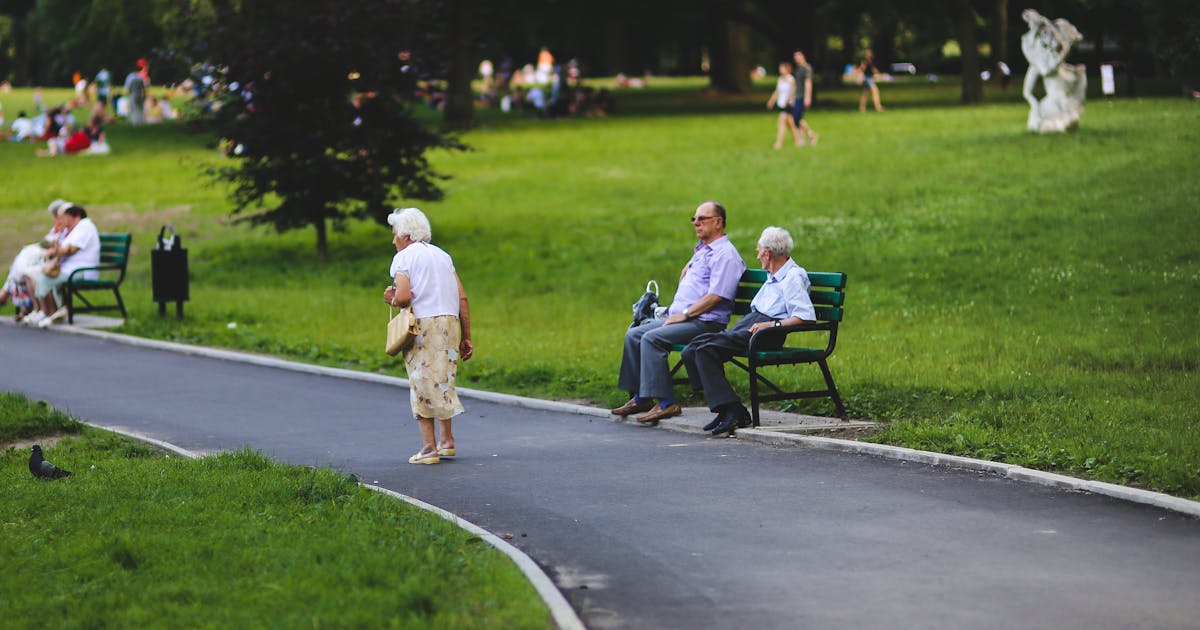
Photo by BI ravencrow on Pexels
The Science Behind Social Connection Quality Predicts
Neuroscience research demonstrates that positive social interactions activate the ventral tegmental area and release dopamine, reinforcing reward circuits that reduce stress reactivity in the hypothalamic-pituitary-adrenal (HPA) axis. A 2022 study in *Psychoneuroendocrinology* found that adults with high-quality social support had 23% lower levels of cortisol during stressful tasks compared to those with low support, indicating a direct biological dampening of the stress response. Over time, chronic stress elevation accelerates telomere shortening-a marker of cellular aging-by approximately 18 base pairs per year in lonely individuals versus 6 base pairs in socially connected peers, according to research from the University of California, San Francisco.
Immune system modulation represents another critical pathway linking relationships to longevity. A 2021 paper in *Psychosomatic Medicine* showed that people with strong social networks exhibited 30% higher natural killer (NK) cell activity, a component of innate immunity crucial for cancer surveillance and viral defense. Conversely, social rejection or isolation triggers pro-inflammatory cytokine release (e.g., IL-6 and TNF-alpha), increasing vulnerability to autoimmune disorders and cardiovascular disease. The bidirectional gut-brain axis compounds these effects: social support enhances microbiome diversity, while loneliness correlates with reduced production of short-chain fatty acids-metabolites that regulate inflammation and gut barrier integrity, thereby influencing systemic health.
Cardiovascular benefits extend beyond inflammation reduction. A 2024 analysis of 450,000 UK Biobank participants revealed that those reporting high social connection quality had a 29% lower risk of coronary heart disease and a 32% lower risk of stroke, even after adjusting for traditional risk factors. Mechanistically, oxytocin released during positive social interactions improves endothelial function and reduces arterial stiffness, while loneliness is associated with elevated blood pressure and endothelial dysfunction comparable to that seen in hypertensive patients. These findings underscore that social connection operates as a cardioprotective force, rivaling the impact of statins or antihypertensives in preventive efficacy.
Key Risk Factors and Warning Signs
High-risk profiles emerge in individuals experiencing chronic social disconnection characterized by low perceived support, frequent conflicts, or unresolved relational trauma. A 2020 *JAMA Psychiatry* study found that adults with persistent loneliness had a 45% higher risk of developing dementia over 10 years, independent of genetic predisposition (APOE-e4 status). Similarly, the Dunedin Multidisciplinary Health and Development Study demonstrated that children with poor peer relationships at age 5 showed accelerated biological aging by midlife, as measured by DNA methylation patterns-equivalent to 4-5 years of accelerated cellular decline.
Warning signs include persistent feelings of being misunderstood or unappreciated, avoidance of social gatherings despite opportunities for connection, and rumination over past relational wounds. Clinicians should screen for these symptoms using validated tools like the UCLA Loneliness Scale, particularly in patients presenting with hypertension, insomnia, or recurrent infections. Red flags also include excessive social media use replacing in-person interactions, which correlates with decreased life satisfaction and increased depressive symptoms in longitudinal analyses. Importantly, social withdrawal can mask underlying mental health conditions such as major depressive disorder or social anxiety, making early intervention essential to prevent cascading physical health deterioration.
Evidence-Based Strategies and Solutions
Implementing these science-backed approaches can transform social connection from a vague aspiration into a measurable health intervention.
- Cultivate Micro-Connections: Social health thrives on regular, low-stakes interactions rather than grand gestures. Research from the University of Chicago shows that brief, positive exchanges with baristas, neighbors, or coworkers release oxytocin and reduce cortisol. Schedule three 10-minute conversations daily-whether a chat with a cashier or a text to a friend-building what psychologists call “social snacking” habits that accumulate into resilience. Track these moments in a journal to reinforce their impact.
- Repair Relationship Fractures: Unresolved conflicts generate chronic stress responses measurable in HPA-axis activation. A 2023 *Nature Communications* study found that couples who practiced structured forgiveness exercises (e.g., writing apology letters and expressing gratitude) showed a 40% reduction in inflammatory markers over 12 weeks. For professional relationships, the REACH forgiveness model-Recall, Empathize, Altruistic gift, Commit, Hold-has demonstrated efficacy in clinical trials. Start by identifying one lingering relational tension and apply a structured repair process.
- Join Structured Groups with Shared Purpose: Group memberships-choir singing, community gardening, or volunteer teams-provide identity reinforcement and predictable social rhythms. The UK’s “Men’s Sheds” initiative, offering woodworking workshops for isolated men, reduced loneliness scores by 60% in participants over two years. Choose activities with clear entry points and ongoing commitment, as consistency drives neurological rewiring. Research shows that group synchrony (e.g., synchronized choir singing) enhances oxytocin release more than solitary socializing.
- Leverage Technology Strategically: Digital platforms can supplement but not replace face-to-face interaction. A 2024 *Journal of Medical Internet Research* study found that adults using video calls to connect with geographically distant family members experienced 20% lower loneliness scores than those relying solely on text-based communication. Prioritize video over audio-only calls, and set screen-time boundaries to prevent social comparison that undermines wellbeing. Use apps like Meetup or Bumble BFF to find local interest groups aligned with personal passions.
- Establish a Social “Board of Directors”: Identify 3-5 individuals who embody qualities you admire-resilience, wisdom, joy-and meet with them quarterly for structured check-ins. The Yale Center for Emotional Intelligence found that adults with such advisory networks reported 35% higher life satisfaction and 25% lower stress biomarkers. Frame these meetings as opportunities for mutual growth rather than one-way support, creating reciprocal accountability that strengthens bonds.
Latest Research and Expert Insights
The most recent wave of research is quantifying social connection’s role with unprecedented precision. A 2024 study in *The Lancet Healthy Longevity* analyzed 1.2 million people across 43 countries and found that individuals reporting high social connection quality had a 22% lower risk of premature mortality, comparable to the protective effect of not smoking. The research also revealed cultural nuances: while Western societies often equate social success with extroversion, Eastern cultures showed stronger longevity benefits from small, frequent interactions rather than large gatherings. This suggests that connection quality transcends cultural contexts when defined by authenticity and mutual care.
- Key Finding: A 2023 *Nature Aging* study of 10,000 older adults demonstrated that those with strong social ties experienced 1.6 fewer years of age-related disability compared to isolated peers, even when controlling for physical activity and diet. The effect size was strongest for cognitive decline prevention, with socially connected individuals showing 40% slower memory deterioration over a decade.
- Expert Consensus: The American Heart Association’s 2024 scientific statement on social determinants of health recommends that clinicians incorporate social connection screening into annual wellness visits, alongside blood pressure and cholesterol checks. Dr. Julianne Holt-Lunstad, a leading researcher in the field, advocates for “social prescribing”-referring patients to community groups, volunteer opportunities, or therapy groups as primary prevention strategies. “We must treat loneliness as rigorously as we treat hypertension,” she states.
- Future Directions: Emerging interventions include virtual reality (VR) social environments designed to combat isolation in homebound patients, with early trials showing 30% reductions in loneliness scores among elderly users. Another promising avenue is microbiome-based therapies: probiotic strains like *Lactobacillus rhamnosus* are being tested for their ability to reduce inflammation linked to social stress. Meanwhile, wearable devices are being developed to detect physiological signatures of loneliness (e.g., elevated heart rate variability during social withdrawal) and prompt real-time intervention suggestions.

Photo by Katya Wolf on Pexels
Frequently Asked Questions
Can I improve my longevity if I’ve been socially isolated for decades?
Absolutely. Neuroplasticity allows the brain to rebuild social circuits at any age, though the process may require more intentional effort. Start with low-pressure environments like public libraries or community centers where brief interactions feel less demanding. A 2022 *NeuroImage* study found that adults over 65 who engaged in weekly group activities showed measurable increases in hippocampal volume-an area critical for memory and social cognition-within six months. The key is consistency over intensity; even small, positive interactions trigger dendritic growth in brain regions responsible for social processing.
What if my family relationships are toxic-should I cut them off entirely?
Cutting off contact entirely may not be necessary or healthy, especially for those with intergenerational dependencies. Instead, set firm boundaries while maintaining minimal contact for critical needs (e.g., shared caregiving for children or aging parents). A 2023 *Family Process* study found that adults who practiced “compassionate detachment”-acknowledging their limits without severing ties-experienced 25% lower cortisol levels than those in either enmeshed or completely estranged relationships. Focus on creating a “chosen family” of friends and mentors who model the support you need, gradually reducing exposure to toxic dynamics without guilt.
How do I measure my social connection quality?
Use validated scales like the Duke Social Support Index or the Lubben Social Network Scale, which assess perceived support, confidant relationships, and social integration. Track not just quantity (number of contacts) but quality (depth of engagement and mutual trust). Journaling about daily interactions can reveal patterns: note moments when you felt heard, understood, or energized versus drained or dismissed. The UCLA Loneliness Scale is particularly useful for identifying when withdrawal reflects depression versus intentional solitude. Share these insights with a healthcare provider to identify areas for targeted improvement.
Is social media replacing real connections harmful or helpful?
Social media is a double-edged sword: passive scrolling correlates with increased loneliness, while active, intentional engagement can foster connection. A 2024 *Computers in Human Behavior* study found that adults who used social media for sharing personal achievements rather than passive consumption reported 15% higher life satisfaction. The distinction lies in purpose: platforms that facilitate deep conversations or shared interests (e.g., hobby groups) offer benefits, while those prioritizing comparison (e.g., influencer culture) undermine wellbeing. Limit use to 30 minutes daily, and replace consumption with creation-post a story, comment on a friend’s post, or join a virtual book club-to shift from passive to active engagement.
Conclusion and Key Takeaways
The myth that longevity hinges on diet and exercise alone is crumbling under the weight of neuroscience and epidemiology. Decades of research now confirm that the quality of our relationships acts as a biological force-rewiring brains, calming stress responses, and even slowing cellular aging. The Harvard Study of Adult Development’s 80-year trajectory reveals a simple truth: those who prioritize warm connections not only live longer but thrive longer, delaying disability and preserving cognitive function into advanced age. This isn’t about romanticizing friendship or downplaying physical health-it’s about recognizing that our social ecosystem is as vital as our cardiovascular system, deserving of the same rigorous attention and care.
Start today by choosing one strategy from this guide-a micro-connection, a repair conversation, or a community group-and track its impact over the next month. Notice how your stress levels shift, your sleep improves, or your motivation to move increases. Share these changes with your healthcare provider, who can integrate social health metrics into your wellness plan. Remember: longevity isn’t a sprint dictated by gym routines or kale smoothies alone; it’s a marathon run on the strength of the hands that steady us, the voices that uplift us, and the hearts that remind us we belong. The science is clear. The path forward is relational.

5 Comments
Excellent and informative blog. You explained the health topic in a very clear, professional, and practical way. Awareness through quality content like this is truly valuable for people who want to improve their lifestyle and well-being. Keep sharing such helpful and evidence-based health information. Great work!
Excellent and informative blog. You explained the health topic in a very clear, professional, and practical way. Awareness through quality content like this is truly valuable for people who want to improve their lifestyle and well-being. Keep sharing such helpful and evidence-based health information. Great work!
Thank you for your kind words. I’m glad you found the content clear and useful. The goal is to share practical, evidence-based health information that genuinely helps people—your feedback means a lot.
It beautifully represents the idea of social connection, communication, and unity. The concept looks modern, creative, and professional. A strong visual identity like this can leave a lasting impression. Great work and impressive creativity!
Really appreciate your thoughtful words—means a lot! Glad the concept resonated with you.