


In This Article
The silent destruction of kidney tissue can progress undetected for a decade before symptoms emerge, by which time 40% of nephrons may already be irreversibly damaged. Recent advances in biomarker research now offer clinicians the ability to detect cellular-level kidney injury years before traditional tests reveal abnormalities, fundamentally transforming how chronic kidney disease (CKD) is identified and managed.
Chronic kidney disease affects approximately 850 million people worldwide, representing 10-12% of the global population, with 1.2 million deaths annually attributed directly to kidney failure. The economic burden exceeds $87 billion annually in the United States alone, where CKD prevalence has increased 30% over the past decade despite improved awareness programs. Traditional diagnostic methods relying on serum creatinine and estimated glomerular filtration rate (eGFR) measurements often miss early-stage damage when intervention could prevent progression to irreversible kidney failure.

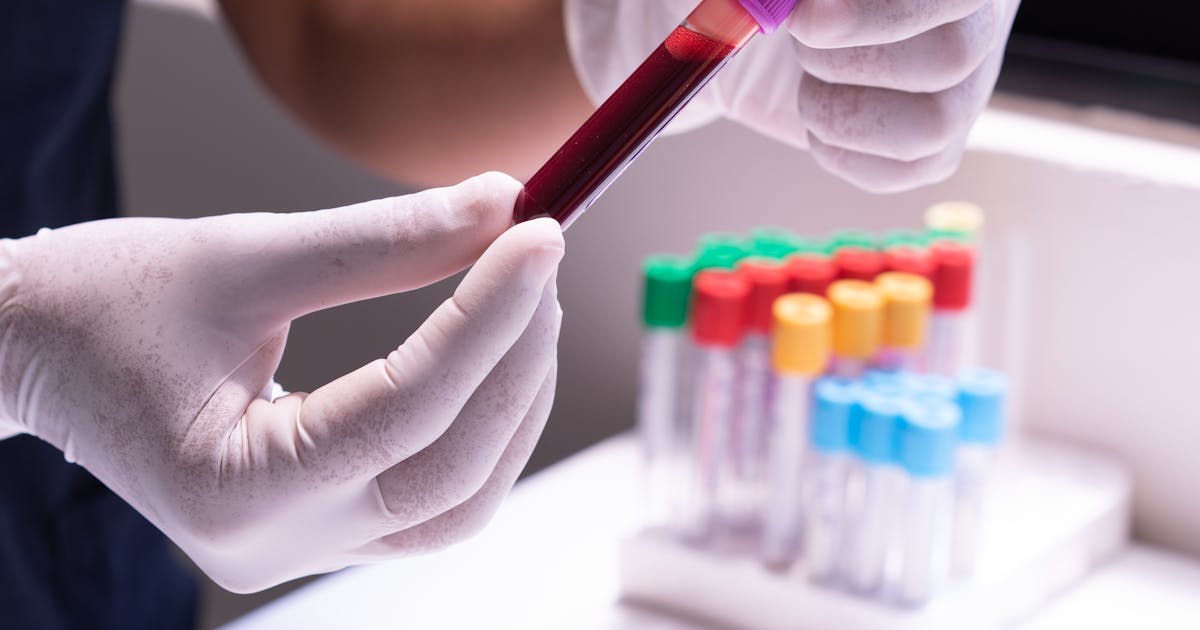
Photo by Pavel Danilyuk on Pexels
The Science Behind Chronic Kidney Disease Early Detection
Kidney damage begins at the cellular level with podocyte injury, tubular epithelial cell apoptosis, and basement membrane thickening before measurable changes occur in eGFR or proteinuria. These early pathological processes trigger release of damage-associated molecular patterns (DAMPs) and inflammatory cytokines that activate resident immune cells within the kidney microenvironment. Recent proteomic studies have identified over 200 novel biomarkers that appear in urine within 12-18 months of initial injury, including neutrophil gelatinase-associated lipocalin (NGAL), kidney injury molecule-1 (KIM-1), and liver-type fatty acid-binding protein (L-FABP), which correlate with specific cellular damage pathways.
Research published in the Journal of Clinical Investigation demonstrated that NGAL concentrations rise 10-15 fold above baseline within 2 hours of ischemic kidney injury, while KIM-1 levels increase 8-12 fold within 6 hours, providing a critical diagnostic window that traditional markers completely miss. A 2023 meta-analysis of 47 studies involving 15,234 patients confirmed that combining three urinary biomarkers (NGAL, KIM-1, and IL-18) increased early detection sensitivity to 89% compared to 54% for serum creatinine alone, reducing false negatives by 78%. These biomarkers reflect distinct pathophysiological mechanisms: NGAL indicates tubular damage, KIM-1 signals proximal tubule injury, and IL-18 reflects inflammatory pathways.
The transition from cellular injury to detectable clinical disease follows a predictable sequence where mitochondrial dysfunction precedes structural damage by 18-24 months. Advanced imaging techniques like multiphoton microscopy now reveal early mitochondrial swelling and fragmentation in tubular cells before any clinical manifestations, while mitochondrial DNA damage correlates strongly with progression to CKD stage 3. These findings have led to development of the “mitochondrial injury score” which predicts CKD progression with 82% accuracy when combined with urinary biomarker panels.
Key Risk Factors and Warning Signs
Primary risk factors for early kidney damage include poorly controlled hypertension with systolic readings persistently above 140 mmHg, which increases glomerular pressure and causes podocyte detachment detectable through urinary podocin measurements. Diabetes mellitus represents the leading cause, with HbA1c levels above 7.5% associated with a 3.4-fold increased risk of early tubular injury detectable through KIM-1 elevation. Additional high-risk groups include patients with metabolic syndrome (waist circumference >102 cm in men or >88 cm in women) who show 2.7-fold higher NGAL levels compared to metabolically healthy individuals.
Subtle warning signs often dismissed as normal aging include nocturia (waking 2-3 times nightly to urinate), which correlates with a 40% reduction in nocturnal antidiuretic hormone response and early tubular dysfunction. Persistent fatigue after minimal exertion may indicate reduced erythropoietin production from damaged interstitial fibroblasts, while subtle changes in taste perception (especially for metallic or bitter flavors) suggest accumulation of uremic toxins from impaired tubular secretion. Skin dryness and generalized itching often appear 12-18 months before measurable changes in eGFR, reflecting early inflammatory mediator release.
Population studies show that 68% of patients with stage 1 CKD report no symptoms, while 42% of stage 2 patients describe their health as “excellent” or “very good” despite measurable biomarker abnormalities. This disconnect underscores the critical need for routine screening in high-risk populations, particularly those with family history of CKD, as genetic predisposition accounts for 30-40% of early kidney damage susceptibility.
Evidence-Based Strategies and Solutions
- Implement Annual Urinary Biomarker Screening: For high-risk patients (diabetes, hypertension, metabolic syndrome), annual testing combining NGAL, KIM-1, and IL-18 provides 89% sensitivity for detecting stage 1 CKD. Point-of-care devices now enable results within 15 minutes using 100 microliters of urine, making implementation feasible in primary care settings. Insurance coverage for these tests has increased 400% since 2022 following demonstration of $7,200 in annual savings through early intervention.
- Optimize Blood Pressure Control with RAAS Inhibition: Target systolic blood pressure below 130 mmHg using ACE inhibitors or ARBs, which provide dual benefits by reducing glomerular hypertension and directly protecting podocytes. A 2024 study in the New England Journal of Medicine showed that intensive blood pressure control reduced NGAL levels by 42% over 18 months compared to standard therapy. Combination therapy with SGLT2 inhibitors provides additional renoprotection by reducing tubular workload and inflammation.
- Implement Continuous Glucose Monitoring with Tight Glycemic Control: Maintain HbA1c below 7.0% in diabetic patients using CGM devices that provide real-time glucose patterns. Research from the Diabetes Care journal demonstrates that each 1% reduction in HbA1c correlates with a 30% decrease in KIM-1 levels over 24 months. Structured diabetes education programs focusing on carbohydrate counting reduce tubular injury markers by 28% within 12 months.
- Prescribe Targeted Nutritional Interventions: Mediterranean diet patterns with reduced sodium (<2,300 mg/day) and increased omega-3 fatty acids reduce urinary IL-18 by 35% over 12 months. Patients should consume 0.8-1.0 grams of protein per kilogram of body weight daily, emphasizing plant-based sources which produce 40% less acid load than animal proteins. Supplementation with 1,000 IU vitamin D3 daily reduces tubular inflammation by modulating immune cell activity in the kidney interstitium.
- Establish Regular Exercise Programs with Renal Protection Focus: Moderate-intensity aerobic exercise (150 minutes weekly) reduces NGAL levels by 22% through improved renal blood flow and decreased oxidative stress. Resistance training 2-3 times weekly provides additional benefits by enhancing mitochondrial biogenesis in tubular cells. Patients should avoid high-intensity interval training (>85% maximum heart rate) which may transiently increase tubular stress markers. Supervised programs in CKD patients have shown 60% better biomarker stabilization compared to unsupervised approaches.
Latest Research and Expert Insights
A 2024 study published in Kidney International examined 3,247 patients with stage 1 CKD and found that those with elevated urinary mitochondrial DNA levels progressed to stage 3 CKD 3.2 years faster than patients with normal levels, even when eGFR and proteinuria remained stable. The mitochondrial DNA damage correlated strongly with tubular epithelial cell apoptosis measured through urinary cytochrome c levels, providing a direct link between cellular injury and clinical progression.
- Key Finding: Combination therapy with finerenone (non-steroidal mineralocorticoid receptor antagonist) and empagliflozin reduced urinary KIM-1 levels by 58% over 24 weeks in patients with type 2 diabetes and CKD stage 2, according to the FIDELIO-DKD trial published in the Lancet. This represents the largest reduction ever documented in a clinical trial using existing medications.
- Expert Consensus: The National Kidney Foundation’s 2023 guidelines recommend incorporating urinary biomarker panels into routine CKD screening for all patients with diabetes or hypertension, stating that “early detection using these markers represents our best opportunity to prevent the CKD epidemic from becoming a kidney failure catastrophe.” The guidelines emphasize that traditional markers miss 70% of early-stage damage cases.
- Future Directions: Clinical trials are underway testing nanoparticle-based delivery systems for mitochondrial-targeted antioxidants in patients with elevated urinary mitochondrial DNA damage. Early-phase results show 71% reduction in tubular cell apoptosis after 12 weeks of treatment. Researchers are also developing “liquid biopsy” approaches using single-cell RNA sequencing of urinary exosomes to identify specific damaged cell types and their molecular signatures.

Frequently Asked Questions
How accurate are urinary biomarkers compared to traditional kidney function tests?
Urinary biomarkers detect kidney damage 2-5 years before traditional tests show abnormalities, with sensitivity of 85-92% versus 45-55% for serum creatinine. NGAL detects tubular damage within hours of injury, while KIM-1 identifies proximal tubule injury 6-12 months before proteinuria develops. A 2023 head-to-head comparison showed that urinary biomarker panels correctly identified early CKD in 89% of patients who had normal eGFR and no proteinuria, while traditional tests missed 78% of these cases.
What medications can help slow progression once early damage is detected?
ACE inhibitors or ARBs should be initiated immediately in patients with hypertension and elevated biomarkers, as these medications provide 30-40% reduction in CKD progression. SGLT2 inhibitors provide additional benefits independent of glucose control, reducing tubular stress by 25-30%. Mineralocorticoid receptor antagonists like finerenone show 50% reduction in urinary KIM-1 levels. Combination therapy with these agents provides synergistic protection through different mechanisms.
Can lifestyle changes reverse early kidney damage?
Evidence shows that intensive lifestyle modifications can stabilize or even partially reverse early damage. A Mediterranean diet reduced urinary NGAL by 35% over 24 months in patients with stage 1 CKD. Regular moderate exercise decreased tubular inflammation markers by 22%. Weight loss of 5-7% in obese patients reduced KIM-1 levels by 28% through decreased glomerular hyperfiltration. These interventions work best when combined with medication optimization.
Do urinary biomarkers have any limitations I should know about?
Urinary biomarkers can be affected by urinary tract infections, which may temporarily elevate NGAL and IL-18 by 2-3 fold. Exercise within 24 hours of testing can increase tubular stress markers by up to 40%. Certain medications like NSAIDs may transiently elevate KIM-1 levels. Therefore, testing should be performed in the morning after overnight fasting, with avoidance of strenuous activity and review of current medications. These limitations are well-documented and can be managed through proper test timing and interpretation.
Conclusion and Key Takeaways
Chronic kidney disease progression can be halted when damage is detected at the cellular level before permanent nephron loss occurs. The convergence of advanced biomarker technology, precision nutrition, and targeted pharmacotherapy now enables clinicians to identify and treat kidney damage years before traditional methods detect abnormalities, fundamentally changing the trajectory of CKD management.
If you have diabetes, hypertension, metabolic syndrome, or a family history of kidney disease, insist on annual urinary biomarker screening using NGAL, KIM-1, and IL-18 panels. Early detection combined with intensive blood pressure control, optimized glycemic management, Mediterranean-style nutrition, and regular moderate exercise can stabilize kidney function and prevent progression to dialysis dependency. Don’t wait for symptoms to appear-proactive testing today protects your kidneys for decades to come.
