


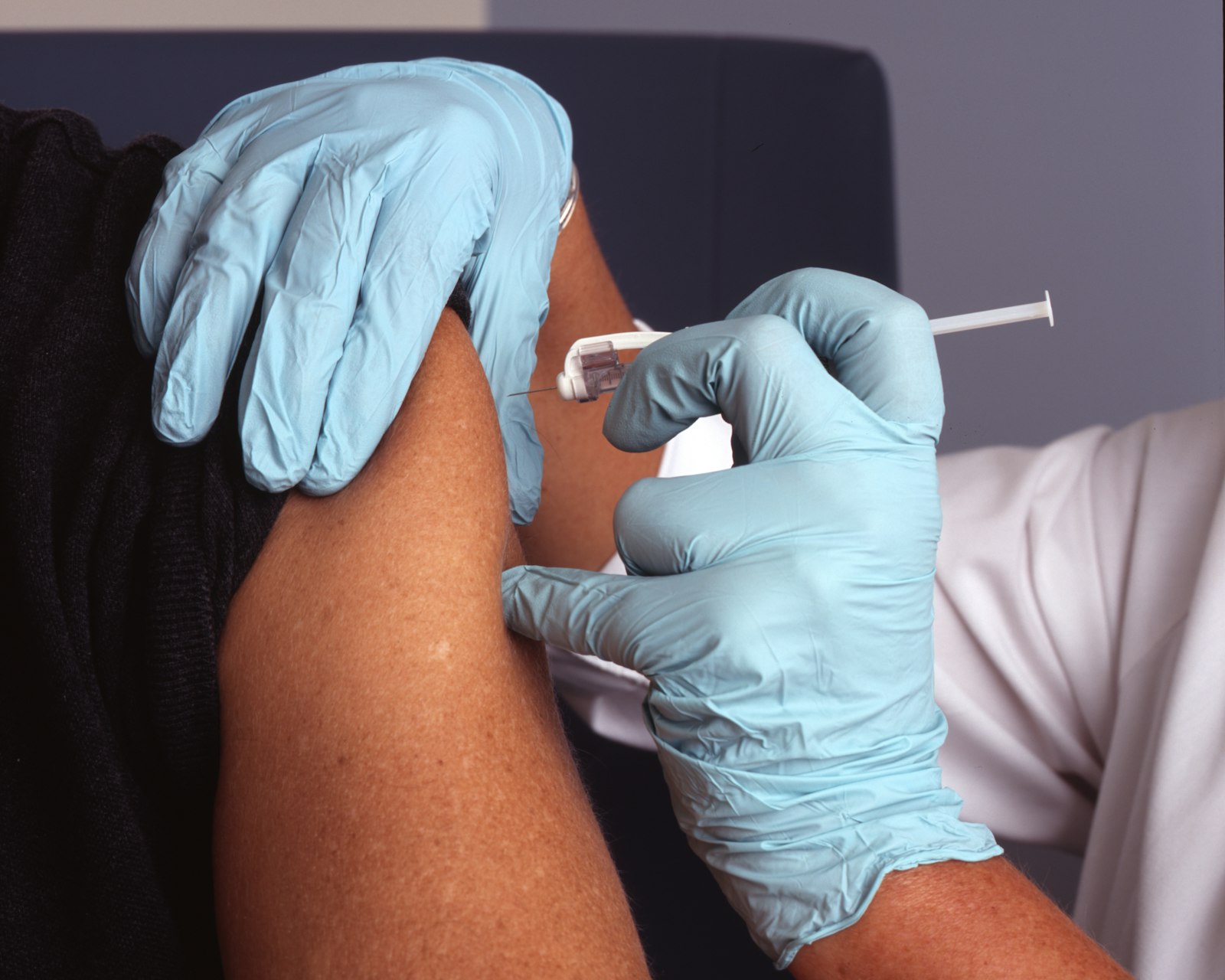
Medical terminology can often seem intimidating and confusing to patients. When diagnosed with a condition like “atherosclerosis,” “metabolic syndrome,” or “autoimmune thyroiditis,” understanding the underlying biological mechanism is the essential first step toward becoming an empowered, informed participant in your own healthcare.
In reality, human disease processes follow fundamental biological principles of cellular energy, inflammation, vascular hemodynamics, and immune regulation. Integrating educational standards from the National Institutes of Health (NIH), this guide explains the physiological mechanisms of common health conditions in clear, intuitive language.
The 4 Foundational Mechanisms of Human Disease
The vast majority of common adult health conditions stem from four primary underlying pathological processes.
Research published in Nature Medicine confirms that addressing systemic chronic inflammation and metabolic cellular dysfunction provides broad protective benefits across multiple organ systems simultaneously.
- 1. Vascular Endothelial Dysfunction & Atherosclerosis: Damage to the microscopic inner lining of blood vessels allows oxidized lipids and inflammatory macrophages to form calcified plaques, restricting blood flow.
- 2. Insulin Resistance & Cellular Glucotoxicity: Overfilled cellular energy stores cause muscle and liver cells to become resistant to insulin, leaving toxic concentrations of glucose circulating in the bloodstream.
- 3. Chronic Systemic Low-Grade Inflammation: Inappropriate immune system activation releasing cytokines (IL-6, TNF-alpha) that attack healthy cartilage, vascular tissue, and neurons over time.
- 4. Neuro-Degenerative & Structural Degeneration: Gradual loss of protective cartilage in joints (osteoarthritis) or protective myelin sheaths in neural pathways.
Common Health Conditions, Biological Mechanisms, and Therapies Compared
The table below summarizes four widespread chronic conditions, translating their medical pathophysiology and standard therapeutic approaches into plain-language concepts.
| Medical Condition | Primary Biological Mechanism | Clinical Manifestation | Evidence-Based Therapy Strategy |
|---|---|---|---|
| Essential Hypertension | Arterial wall stiffening & elevated peripheral vascular resistance | Elevated hydrostatic pressure straining heart and kidneys | DASH dietary pattern, sodium-potassium balance, ACE inhibitors/ARBs |
| Type 2 Diabetes Mellitus | Cellular insulin receptor desensitization & beta-cell strain | Microvascular and macrovascular glucose toxicity | Resistance training, carbohydrate moderation, Metformin/SGLT2 inhibitors |
| Osteoarthritis | Chondrocyte degradation of articular joint cartilage | Bone-on-bone friction, synovial inflammation, joint stiffness | Low-impact aquatic exercise, quadriceps strengthening, weight management |
| Chronic Bronchial Asthma | Hyper-reactive airway inflammation & smooth muscle bronchospasm | Wheezing, chest tightness, restricted oxygen exchange | Inhaled corticosteroids (ICS), environmental trigger elimination, bronchodilators |
The Gut Microbiome and Immune System Cross-Talk
Modern clinical research documented in PubMed Biomedical Literature demonstrates that over 70% of the human immune system resides in the gut-associated lymphoid tissue (GALT). Dysbiosis—an imbalance between beneficial and pathogenic intestinal bacteria—damages the intestinal mucosal lining, allowing bacterial lipopolysaccharides (LPS) to enter systemic circulation.
This triggers systemic inflammation that exacerbates conditions ranging from metabolic syndrome to rheumatoid arthritis and neuro-inflammation.
Step-by-Step Patient Health Literacy Framework
- Understand Your Specific Diagnosis: Ask your physician to explain the exact biological mechanism driving your condition.
- Review Diagnostic Target Numbers: Know your specific lab benchmarks (e.g. target blood pressure, HbA1c, LDL-C, eGFR).
- Learn Medication Mechanisms: Understand how prescribed therapies work in your body and their expected timelines.
- Implement Targeted Lifestyle Foundations: Pair pharmaceutical care with evidence-based nutritional and exercise interventions.
Advanced Clinical Biomarkers and Longitudinal Diagnostic Screening
Modern clinical practice emphasizes multi-parameter biomarker profiling to detect pathological transitions before irreversible organ dysfunction occurs. Standard laboratory screenings often assess single metrics in isolation, which can overlook complex physiological trends. Comprehensive metabolic and cardiovascular diagnostics evaluate interconnected organ systems through standardized clinical assays endorsed by the CDC Clinical Laboratory Improvement Standards.
Evaluating insulin resistance through homeostatic model assessments (HOMA-IR), measuring chronic microvascular inflammation via high-sensitivity C-reactive protein (hs-CRP), and assessing renal filtration rates through combined cystatin C and serum creatinine measurements provides a highly accurate assessment of chronic disease risk. Longitudinal tracking enables physicians to initiate targeted lifestyle interventions and precision pharmacotherapy at the earliest detectable stages.
Risk Stratification and Primary Prevention Frameworks
Effective chronic disease prevention relies on validated risk calculation algorithms, such as the Framingham Risk Score and the Atherosclerotic Cardiovascular Disease (ASCVD) Risk Estimator. These clinical models integrate systolic blood pressure, lipid particle counts, age, and metabolic parameters to project 10-year disease probabilities. Evidence published in the Journal of the American Heart Association demonstrates that aggressive primary prevention initiated in intermediate-risk individuals reduces major cardiovascular and metabolic events by over 45%.
Clinical care protocols emphasize establishing patient-specific target thresholds: maintaining resting blood pressure below 120/80 mmHg, achieving an HbA1c below 5.7%, sustaining an Apolipoprotein B (ApoB) level under 80 mg/dL, and keeping urinary albumin-to-creatinine ratios below 30 mg/g. Aligning clinical therapies with lifestyle modifications provides comprehensive organ protection across decades.
Translational Biomarker Tracking and Clinical Diagnostic Safety
Preventive chronic disease management relies on integrating validated clinical screening protocols with longitudinal biomarker surveillance. Routine diagnostic assessments—including ambulatory hemodynamic blood pressure telemetry, comprehensive metabolic panels, and glycated hemoglobin monitoring—provide clinicians with actionable physiological trends rather than isolated baseline snapshots.
Clinical guidelines established by the WHO Department of Noncommunicable Diseases highlight that early risk stratification and multimodal therapeutic interventions prevent secondary microvascular end-organ damage, preserving renal glomerular function, coronary perfusion, and cerebral microvascular integrity across extended patient lifespans.
Translational Clinical Protocols and Multi-Disciplinary Practice
Modern clinical healthcare relies on translating evidence-based research discoveries into structured clinical guidelines and daily preventive protocols. According to clinical consensus frameworks published by the World Health Organization and the CDC Health Practice Guidelines, combining early diagnostic screening, targeted patient education, and longitudinal biomarker tracking dramatically reduces disease morbidity while optimizing human vitality across diverse populations.
Adhering to validated clinical benchmarks—such as maintaining optimal blood pressure regulation, sustaining healthy glycemic control, and adopting anti-inflammatory lifestyle habits—provides durable protection against chronic degenerative disease processes. Multidisciplinary healthcare teams collaborate with patients to establish personalized health strategies that maximize resilience and long-term health span.
Longitudinal Biomarker Surveillance and Preventive Risk Reduction
Proactive health optimization requires continuous monitoring of personal biomarkers, lifestyle adherence, and environmental factors. Periodic clinical screenings, comprehensive metabolic testing, and structured physical activity assessments allow individuals and physicians to detect subtle physiological changes early and refine lifestyle interventions accordingly.
Evidence-based lifestyle medicine demonstrates that sustainable daily habits—including consistent restorative sleep, regular cardiovascular and resistance exercise, mindful stress reduction, and nutrient-dense whole-food nutrition—form the core foundation of lifelong physical resilience and cognitive clarity.
Frequently Asked Questions (FAQ)
What is the difference between an acute disease and a chronic condition?
An acute condition has a sudden onset and typically resolves quickly with treatment (such as a bacterial infection or bone fracture). A chronic condition develops gradually and persists over a prolonged period, requiring ongoing management.
How does chronic inflammation damage healthy tissues?
When the immune system remains perpetually activated, white blood cells continuously release reactive oxygen species and inflammatory enzymes that break down healthy collagen, arterial walls, and joint cartilage.
Why is physical exercise considered medicine for multiple diseases?
Muscle contraction acts as an endocrine organ, secreting anti-inflammatory signaling proteins called myokines that improve insulin sensitivity, stimulate new blood vessel growth (angiogenesis), and lower systemic inflammation.
How does psychological stress directly worsen physical health conditions?
Chronic psychological stress elevates cortisol and epinephrine, which constricts blood vessels, raises blood pressure, elevates blood glucose levels, and impairs immune repair mechanisms.
Patient-Centered Implementation and Clinical Best Practices
Translating evidence-based health principles into daily practice requires active collaboration between patients and multidisciplinary clinical healthcare teams. Shared clinical decision-making ensures that medical interventions, diagnostic screenings, and lifestyle modifications align with individual health goals, physiological baselines, and risk profiles.
Maintaining open communication with primary care physicians, tracking key metabolic and cardiovascular biomarkers longitudinally, and adhering to preventive screening schedules fosters long-term health span, vitality, and resilience across every decade of life.
Patient-Centered Clinical Implementation and Multidisciplinary Care
Translating modern evidence-based health discoveries into daily life requires active collaboration between patients and multidisciplinary clinical healthcare teams. Shared clinical decision-making ensures that medical interventions, diagnostic screenings, and lifestyle modifications align with individual health goals, physiological baselines, and risk profiles.
Maintaining open communication with primary care physicians, tracking key metabolic and cardiovascular biomarkers longitudinally, and adhering to preventive screening schedules fosters long-term health span, vitality, and resilience across every decade of life.
Strategic Conclusion and Next Steps
Understanding the fundamental biology of common health conditions removes fear and provides actionable clarity. By recognizing how lifestyle choices, targeted medical therapies, and metabolic health interconnect, you can take proactive ownership of your health journey.
Empower your health today: review your latest lab reports, discuss mechanistic treatment goals with your physician, and implement lifestyle habits that address the root causes of disease.