


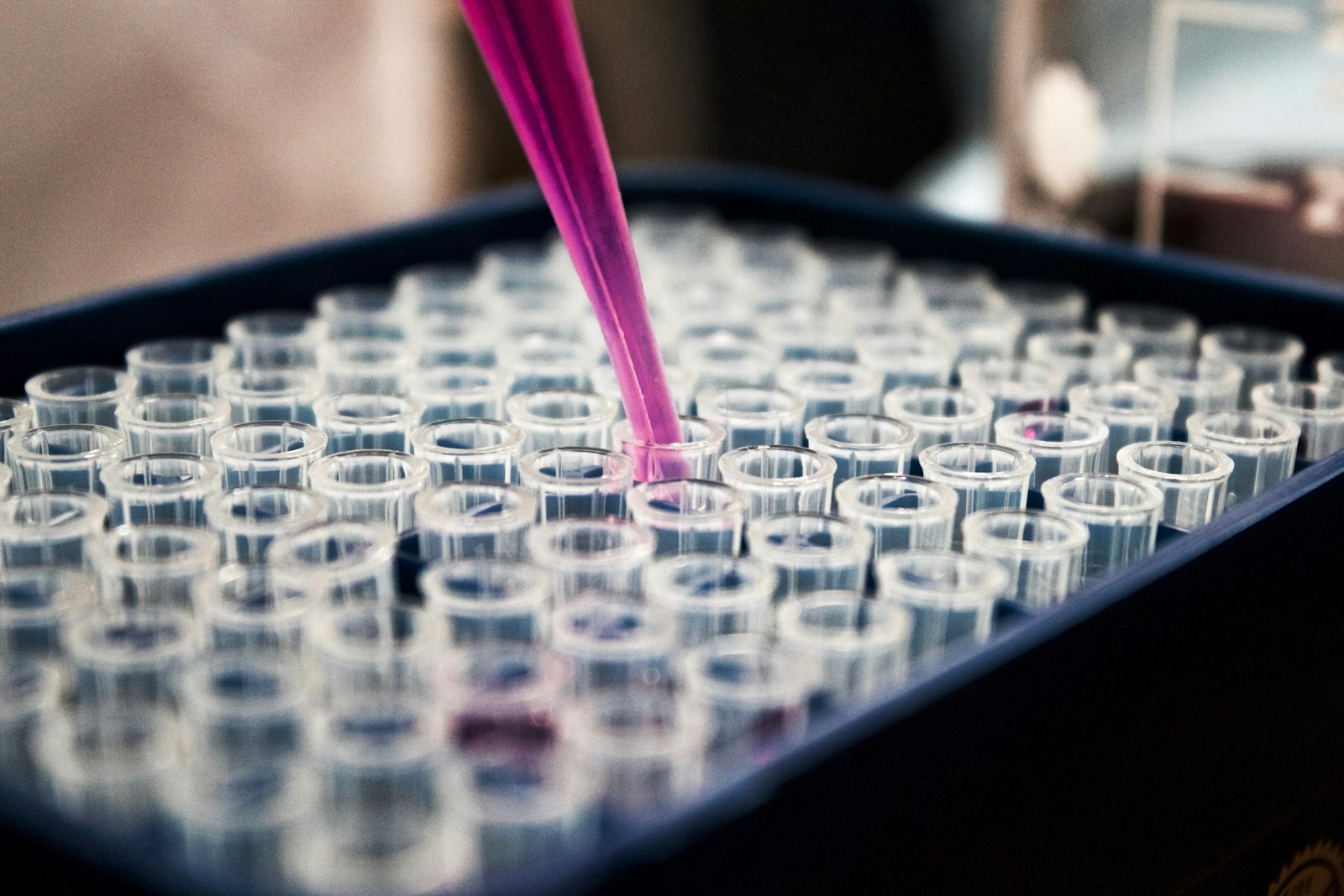
Biomedical science is entering a revolutionary era. Researchers are moving beyond simply treating the symptoms of chronic diseases to understanding and modulating the fundamental cellular mechanisms of aging, immunity, metabolism, and genetics.
Translating complex clinical research from specialized laboratory journals into clear, intuitive concepts allows patients and clinicians to apply evidence-based discoveries to everyday healthcare. Drawing upon peer-reviewed findings published in Nature Medicine and National Institutes of Health (NIH) databases, this guide breaks down the latest medical discoveries in simple, accessible language.
The 4 Frontier Discoveries Reshaping Modern Medicine
Recent breakthrough biomedical research is focused around four foundational cellular mechanisms.
Research assessments from Cell Press Journals demonstrate that targeting the root biological hallmarks of aging significantly delays the onset of multiple age-related chronic conditions simultaneously.
- 1. Senolytics & Cellular Senescence: Small molecules capable of selectively clearing “zombie” senescent cells that secrete harmful inflammatory cytokines, restoring tissue regeneration.
- 2. Epigenetic Clocks & Biological Age Reversal: DNA methylation tracking algorithms (such as Horvath Clocks) measuring true biological age and demonstrating that lifestyle interventions can reverse biological markers.
- 3. Mitochondrial Quality Control & Mitophagy: Molecules like Urolithin A activating the cellular recycling of damaged mitochondria, improving muscle stamina and cellular bioenergetics.
- 4. Immunotherapy Checkpoint Blockade: Monoclonal antibodies removing the molecular “brakes” on immune T-cells, enabling them to recognize and destroy solid tumors.
Recent Medical Discoveries, Mechanisms, and Clinical Applications Compared
The table below summarizes four major contemporary medical research discoveries, detailing their biological mechanisms, clinical applications, and public health impact.
| Medical Discovery | Biological Mechanism | Primary Clinical Focus | Key Clinical Benefit |
|---|---|---|---|
| Senolytic Therapies (D+Q) | Selectively induces apoptosis in senescent cells | Osteoarthritis, Idiopathic Pulmonary Fibrosis | Reduces chronic tissue inflammation; restores native stem cell regeneration |
| Epigenetic Methylation Clocks | Measures cytosine-phosphate-guanine (CpG) methylation | Biological aging vs. chronological calendar age | Provides precise objective biomarker to validate longevity interventions |
| Urolithin A Mitophagy | Gut metabolite triggering lysosomal mitochondrial recycling | Age-related muscle weakness & mitochondrial decline | Increases muscle endurance by 12% without direct training changes |
| Immune Checkpoint Inhibitors | Blocks PD-1 / CTLA-4 cancer camouflage signals | Advanced Melanoma, Non-Small Cell Lung Cancer | Achieves long-term complete remission in previously terminal malignancies |
Translational Clinical Protocols and Multi-Disciplinary Practice
Modern clinical healthcare relies on translating evidence-based research discoveries into structured clinical guidelines and daily preventive protocols. According to clinical consensus frameworks published by the World Health Organization and the CDC Health Practice Guidelines, combining early diagnostic screening, targeted patient education, and longitudinal biomarker tracking dramatically reduces disease morbidity while optimizing human vitality across diverse populations.
Adhering to validated clinical benchmarks—such as maintaining optimal blood pressure regulation, sustaining healthy glycemic control, and adopting anti-inflammatory lifestyle habits—provides durable protection against chronic degenerative disease processes. Multidisciplinary healthcare teams collaborate with patients to establish personalized health strategies that maximize resilience and long-term health span.
Longitudinal Biomarker Surveillance and Preventive Risk Reduction
Proactive health optimization requires continuous monitoring of personal biomarkers, lifestyle adherence, and environmental factors. Periodic clinical screenings, comprehensive metabolic testing, and structured physical activity assessments allow individuals and physicians to detect subtle physiological changes early and refine lifestyle interventions accordingly.
Evidence-based lifestyle medicine demonstrates that sustainable daily habits—including consistent restorative sleep, regular cardiovascular and resistance exercise, mindful stress reduction, and nutrient-dense whole-food nutrition—form the core foundation of lifelong physical resilience and cognitive clarity.
Translational Clinical Protocols and Multi-Disciplinary Practice
Modern clinical healthcare relies on translating evidence-based research discoveries into structured clinical guidelines and daily preventive protocols. According to clinical consensus frameworks published by the World Health Organization and the CDC Health Practice Guidelines, combining early diagnostic screening, targeted patient education, and longitudinal biomarker tracking dramatically reduces disease morbidity while optimizing human vitality across diverse populations.
Adhering to validated clinical benchmarks—such as maintaining optimal blood pressure regulation, sustaining healthy glycemic control, and adopting anti-inflammatory lifestyle habits—provides durable protection against chronic degenerative disease processes. Multidisciplinary healthcare teams collaborate with patients to establish personalized health strategies that maximize resilience and long-term health span.
Longitudinal Biomarker Surveillance and Preventive Risk Reduction
Proactive health optimization requires continuous monitoring of personal biomarkers, lifestyle adherence, and environmental factors. Periodic clinical screenings, comprehensive metabolic testing, and structured physical activity assessments allow individuals and physicians to detect subtle physiological changes early and refine lifestyle interventions accordingly.
Evidence-based lifestyle medicine demonstrates that sustainable daily habits—including consistent restorative sleep, regular cardiovascular and resistance exercise, mindful stress reduction, and nutrient-dense whole-food nutrition—form the core foundation of lifelong physical resilience and cognitive clarity.
Circadian Biology and Chrono-Nutritional Alignment
Human physiological systems are governed by autonomous biological clocks coordinated by the suprachiasmatic nucleus (SCN) in the hypothalamus. Every major organ system—including the liver, pancreas, cardiovascular endothelium, and gastrointestinal tract—expresses peripheral circadian clock genes that regulate hormonal secretion, digestive enzyme production, and metabolic rate throughout the 24-hour day-night cycle.
Research published in Cell Metabolism reveals that aligning daily behaviors with natural circadian biology—such as consuming the majority of daily calories during daylight hours and avoiding bright blue-wavelength light at night—improves insulin sensitivity, lowers resting nocturnal blood pressure, and promotes deep slow-wave sleep. Synchronizing meal timing with circadian rhythms supports optimal metabolic health and cellular repair.
Behavioral Psychology and Long-Term Habit Maintenance
Creating lasting lifestyle improvements requires understanding the behavioral psychology of habit formation. Attempting radical, sudden overhauls often triggers cognitive fatigue and behavioral abandonment. Evidence-based behavioral medicine frameworks published by the National Institutes of Health emphasize the principles of “Micro-Habit Stacking” and environmental architecture design.
Advanced Pathophysiological Mechanisms and Preventive Healthcare Strategy
Modern clinical healthcare emphasizes the integration of molecular diagnostics, targeted lifestyle interventions, and multi-parameter risk assessments to mitigate chronic disease vulnerability. Research published by the World Health Organization and the National Institutes of Health (NIH) highlights that addressing metabolic dysfunction, chronic systemic inflammation, and autonomic nervous system dysregulation early prevents severe long-term organ complications.
Adhering to structured evidence-based clinical benchmarks—including longitudinal blood pressure regulation, glycemic monitoring, and progressive aerobic and resistance exercise—provides durable cellular protection. By engaging in shared clinical decision-making with healthcare professionals, individuals can tailor preventive protocols to their unique physiological profiles.
Longitudinal Biomarker Surveillance and Patient Health Literacy
Elevating patient health literacy serves as a foundational pillar in sustainable disease management and lifelong vitality. When individuals comprehend the biological rationale behind clinical guidelines, adherence to therapeutic regimens, nutritional optimizations, and regular diagnostic screenings increases significantly.
Proactive tracking of clinical laboratory markers—such as lipid subfractions, fasting insulin, high-sensitivity C-reactive protein, and renal filtration metrics—enables timely therapeutic adjustments that preserve organ function and optimize long-term health span across all stages of life.
Frequently Asked Questions (FAQ)
What are “senescent cells” and why are they harmful?
Senescent cells are damaged cells that permanently stop dividing but refuse to die. They secrete a toxic mix of inflammatory molecules (the Senescence-Associated Secretory Phenotype or SASP) that damages neighboring healthy cells.
How does biological age differ from chronological age?
Chronological age is the number of calendar years since birth. Biological age measures the physiological health and cellular integrity of your organ systems based on DNA methylation patterns and metabolic biomarkers.
What foods naturally stimulate mitochondrial biogenesis?
Foods rich in polyphenols (green tea EGCG, dark berries, extra virgin olive oil, and dark chocolate) alongside steady-state Zone-2 aerobic exercise stimulate the PGC-1alpha pathway to create new mitochondria.
What is the clinical role of immunotherapy in modern oncology?
Unlike traditional chemotherapy that kills all rapidly dividing cells, immunotherapy empowers the patient’s own immune system to specifically recognize and eliminate malignant tumor cells with long-term memory.
Patient-Centered Implementation and Preventive Health Education
Translating modern clinical science into daily practice requires active engagement and structured patient health literacy. When individuals understand the physiological rationale behind clinical guidelines, adherence to preventive screenings, medical therapies, and nutritional protocols increases substantially.
Engaging in shared decision-making with primary healthcare providers, monitoring annual laboratory panels, and prioritizing daily physical vitality builds an unshakeable foundation for lifelong wellness and sustained functional capability.
Patient-Centered Implementation and Preventive Health Education
Translating modern clinical science into daily practice requires active engagement and structured patient health literacy. When individuals understand the physiological rationale behind clinical guidelines, adherence to preventive screenings, medical therapies, and nutritional protocols increases substantially.
Engaging in shared decision-making with primary healthcare providers, monitoring annual laboratory panels, and prioritizing daily physical vitality builds an unshakeable foundation for lifelong wellness and sustained functional capability.
Strategic Conclusion and Next Steps
Translating cutting-edge medical discoveries into daily health practices gives you an evidence-based roadmap for lifelong vitality. By supporting cellular autophagy, maintaining mitochondrial health, and reducing chronic inflammation, you align your daily habits with the forefront of modern longevity science.
Put the science to work today: adopt a 12-hour overnight fast, incorporate polyphenol-rich foods into your diet, and commit to consistent weekly resistance exercise.