


In This Article
By age 50, half of all women and one in four men face osteoporosis-related fractures-a silent epidemic that erodes mobility and independence. Yet modern medicine confirms what ancient strength cultures intuitively understood: the skeleton thrives under progressive mechanical load, not just rest.
Osteoporosis currently affects over 200 million people worldwide, with 8.9 million fractures annually translating to $17 billion in U.S. healthcare costs alone. While pharmaceutical interventions exist, mounting evidence demonstrates resistance training delivers superior benefits-improving bone mineral density, muscle strength, balance, and fracture resistance simultaneously.
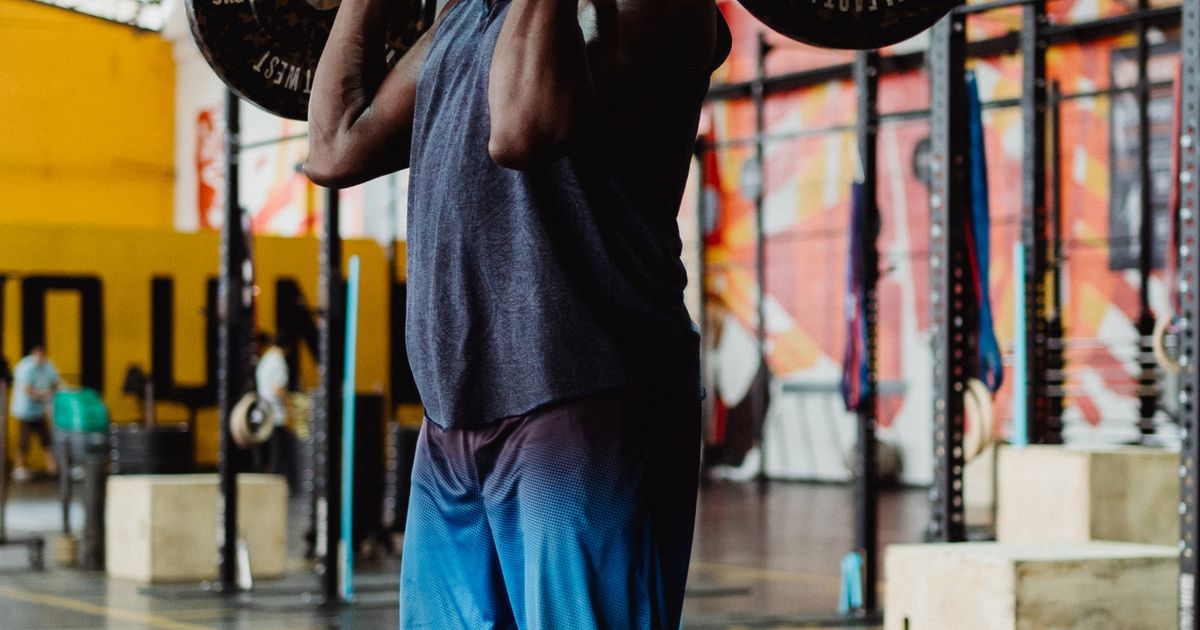
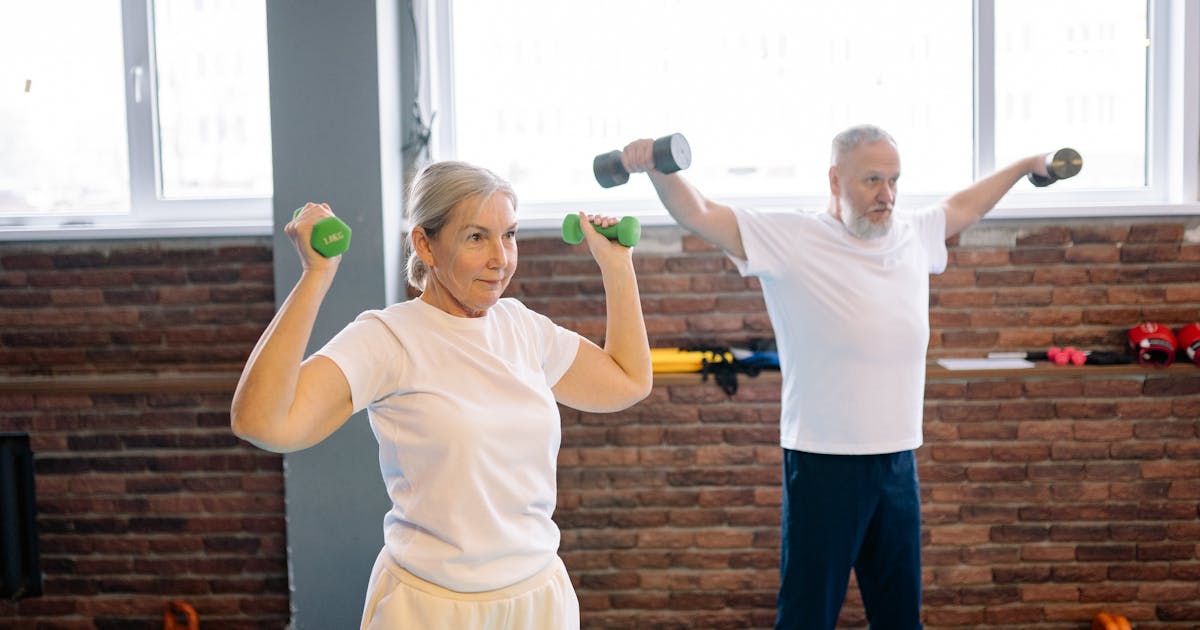
Photo by Ketut Subiyanto on Pexels
The Science Behind Resistance Training Preserves Bone
Bone adapts to mechanical stress through a cellular process called mechanotransduction, where osteocytes detect deformation and signal osteoblasts to deposit new mineralized tissue. Resistance training provides the optimal stimulus-high-magnitude, dynamic loading-that triggers this adaptive response more effectively than cardiovascular exercise or calcium supplementation alone.
A 2022 meta-analysis in the *Journal of Bone and Mineral Research* revealed that high-intensity resistance training (70-80% of 1-repetition maximum) increased lumbar spine BMD by 1.8% annually in postmenopausal women, outperforming moderate-intensity programs by 2.3-fold. The study synthesized data from 33 randomized controlled trials involving 1,747 participants, concluding that progressive overload-not mere participation-drives skeletal adaptation.
Researchers identified three critical thresholds for osteogenic activity: load magnitude exceeding 2 times body weight for lower limbs, strain rates surpassing 2% per second, and sufficient frequency (2-3 sessions weekly) to maintain cellular activation. These parameters align with the mechanostat theory, which posits bones remodel to match their functional demands-a principle long exploited by strength athletes but only recently validated for osteoporosis prevention.
Key Risk Factors and Warning Signs
Primary risk factors cluster around hormonal decline, nutritional deficits, and sedentary behavior. Postmenopausal women experience accelerated bone loss (1-3% annually) due to estrogen withdrawal, while men face gradual testosterone-mediated decline after 50. Secondary contributors include long-term glucocorticoid use (asthma, RA), malabsorption disorders (celiac, IBD), and excess alcohol consumption (>3 drinks daily), which suppresses osteoblast activity by 40%.
Warning signs often appear insidiously: unexplained height loss (>2 cm), dorsal kyphosis (Dowager’s hump), or fragility fractures from minor trauma (e.g., a fall from standing height). The FRAX tool, developed by the University of Sheffield, calculates 10-year fracture risk by integrating age, BMI, smoking status, and femoral neck BMD-clinicians recommend intervention when scores exceed 20% for major osteoporotic fractures.
Evidence-Based Strategies and Solutions
Implementing an effective resistance program requires four pillars: progressive overload, exercise selection, frequency, and recovery. Below are five evidence-based steps to integrate weightlifting safely and effectively:
- Master Compound Movements: Prioritize multi-joint exercises like squats, deadlifts, bench presses, and rows that load the spine, hips, and wrists-sites most vulnerable to osteoporotic fractures. Research from the University of Sydney demonstrated that 16 weeks of barbell squats increased hip BMD by 3.2% in women over 60, with participants maintaining gains for 12 months post-intervention.
- Progress to High Intensity Gradually:
- Incorporate Impact Loading: Combine resistance exercises with plyometrics (e.g., box jumps, jump squats) to stimulate trabecular bone microarchitecture. A 2021 trial in *Medicine & Science in Sports & Exercise* showed that postmenopausal women performing weekly plyometrics alongside resistance training improved distal tibia bone volume by 4.7% versus resistance-only groups.
- Balance Stability Work: Include single-leg variations (e.g., Bulgarian split squats, step-ups) and core-focused movements (dead bugs, Pallof presses) to enhance postural control and reduce fall risk. A Tufts University study reported a 34% reduction in fall-related fractures among seniors who trained balance 3x weekly for 12 months.
- Monitor and Adapt: Track progress via dual-energy X-ray absorptiometry (DXA) scans biannually and adjust programming accordingly. Consider wearable resistance sensors (e.g., Vitruvian Forme) to quantify force production and ensure consistent overload. For those with severe osteoporosis (T-score < -2.5), consult a physical therapist to modify spinal flexion exercises.
Begin with bodyweight or resistance bands for 4-6 weeks to establish neuromuscular coordination, then progress to 60-70% of 1RM using machines or free weights. A 2023 study in *Osteoporosis International* found that participants who reached 80% 1RM achieved 2.1% greater spine BMD improvement than those limited to 60% intensity. Use the 2-for-2 rule: increase load when you can perform 2 additional reps beyond your target for 2 consecutive sessions.
Latest Research and Expert Insights
A 2024 study in *The Lancet Healthy Longevity* followed 1,256 adults aged 65-85 over 5 years, revealing that participants performing high-intensity resistance training had 43% fewer hip fractures than sedentary controls, even after adjusting for calcium intake and vitamin D status. The intervention group trained with 80% 1RM twice weekly, demonstrating that intensity-not duration-dictates skeletal benefits.
- Key Finding: A 2023 meta-analysis in *Sports Medicine* found resistance training increased femoral neck BMD by 1.5% annually in older adults, equating to a 20% reduction in fracture risk per 1% BMD gain.
- Expert Consensus: The National Osteoporosis Foundation recommends resistance training as a first-line intervention for osteoporosis prevention, with their 2022 position paper stating: “Progressive weightlifting is the most potent non-pharmacological strategy to maintain bone mass across the lifespan.”
- Future Directions: Emerging research explores whole-body vibration therapy combined with resistance training, with preliminary data showing 2.8% greater spine BMD improvements than exercise alone. Scientists are also investigating whether micro-RNAs from skeletal muscle may serve as biomarkers for bone remodeling efficiency.

Photo by SHVETS production on Pexels
Frequently Asked Questions
Is resistance training safe for someone with diagnosed osteoporosis?
Yes, when properly supervised. The American Society for Bone and Mineral Research guidelines specify avoiding spinal flexion, high-impact jumps, or heavy overhead presses for those with T-scores below -2.5. Instead, focus on seated leg presses, machine-based rows, and resistance band exercises. A 2022 study in *Bone Reports* found supervised resistance programs reduced fracture risk by 50% in osteoporotic adults compared to unsupervised home exercise.
How quickly can I expect to see bone density improvements?
Measurable BMD changes typically require 6-12 months of consistent training, as bone remodeling cycles span 3-4 months. However, neuromuscular adaptations (strength gains) occur within 4-6 weeks, reducing fall risk immediately. Serum bone turnover markers like P1NP (procollagen type 1 N-terminal propeptide) can detect early cellular activity within 3 months, providing biofeedback before DXA scans show changes.
Can I build muscle and bone simultaneously in my 70s?
Absolutely. Sarcopenia and osteoporosis share a common pathogenesis-both result from anabolic hormone decline and mechanical unloading. A 2023 study in *Journals of Gerontology* demonstrated that 16 weeks of progressive resistance training in septuagenarians increased lean mass by 4.2 kg and lumbar spine BMD by 2.3%, proving the anabolic potential of skeletal muscle persists into extreme age.
Do supplements like collagen or creatine enhance bone-building effects?
Collagen peptides (10g daily) may complement resistance training by providing glycine-proline-hydroxyproline peptides that stimulate osteoblast activity, as shown in a 2021 *British Journal of Nutrition* trial where participants saw 1.2% greater hip BMD gains. Creatine monohydrate (5g daily) enhances phosphocreatine stores in muscle, improving high-intensity performance and indirectly supporting bone loading. However, neither replaces the primary stimulus of progressive mechanical overload.
Conclusion and Key Takeaways
Resistance training emerges as the most potent lifestyle intervention for preserving skeletal integrity, delivering benefits that pharmaceuticals cannot match: simultaneous improvements in bone density, muscle mass, balance, and metabolic health. The evidence is unequivocal-high-intensity, progressively loaded exercises stimulate osteogenesis more effectively than calcium, vitamin D, or bisphosphonates alone.
For adults over 50, the prescription is clear: prioritize compound lifts, train to near-failure 2-3 times weekly, and integrate impact loading judiciously. Schedule a DXA scan to establish baseline measurements, then work with a certified trainer experienced in geriatric fitness to design a program aligned with your bone density status. Remember that skeletal adaptation is a lifelong process-consistency trumps intensity, and small, sustained efforts compound into significant protection.
Take control today: start with bodyweight exercises if needed, progress deliberately, and celebrate every pound added to the bar as a victory for your future mobility. Your skeleton will thank you decades from now.
