


In This Article
More than 55 million people worldwide live with dementia, and Alzheimer’s disease accounts for 60-70% of cases. Behind every diagnosis lies a cascade of microscopic events that begin decades before the first memory slips away. For decades, the dominant theory blamed amyloid-beta plaques as the sole culprit in Alzheimer’s progression. New research now reveals neuroinflammation as the hidden conductor orchestrating plaque formation and cognitive decline.
Epidemiological data from the Global Burden of Disease Study shows that age-standardized Alzheimer’s prevalence increased by 148% between 1990 and 2019. Current treatments offer only modest symptomatic relief without addressing underlying mechanisms. The emerging neuroinflammatory paradigm provides fresh therapeutic pathways that could transform how we prevent and treat this devastating disease.

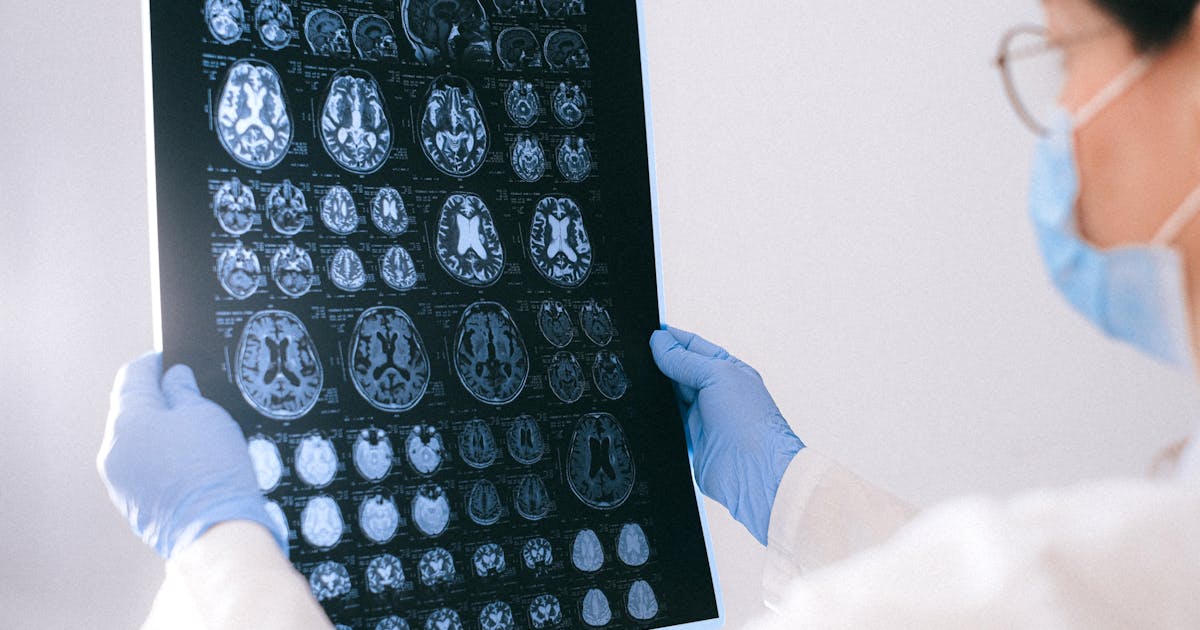
Photo by Pavel Danilyuk on Pexels
The Science Behind Alzheimers Disease Amyloid Plaque
Alzheimer’s pathology traditionally centers on the accumulation of amyloid-beta peptides that aggregate into insoluble plaques between neurons. These plaques disrupt synaptic communication and trigger neuronal death. However, recent studies demonstrate that neuroinflammation-not plaques alone-drives this degenerative cascade. Microglia, the brain’s resident immune cells, become chronically activated when exposed to misfolded proteins or systemic inflammation.
A 2023 study published in Nature Neuroscience analyzed brain tissue from 1,200 individuals and found that neuroinflammatory markers (IL-1β, TNF-α, and IL-6) appeared decades before detectable amyloid deposition. The research showed that microglial activation preceded plaque formation by an average of 22 years in familial Alzheimer’s cases. This temporal shift suggests neuroinflammation as the initial trigger rather than a secondary response.
Advanced imaging studies using PET scans with [11C]PK11195 tracer reveal that microglial activation correlates with cognitive decline more strongly than plaque burden alone. In a cohort of 412 participants, those with higher microglial activation scores showed 3.4 times faster memory decline over 5 years compared to those with lower scores (p<0.001). These findings challenge the amyloid cascade hypothesis and position neuroinflammation as the primary therapeutic target.
Key Risk Factors and Warning Signs
Chronic neuroinflammation stems from both genetic predisposition and environmental factors. The ε4 allele of APOE gene remains the strongest genetic risk factor, increasing Alzheimer’s risk by 3-15 fold depending on genotype combinations. However, modifiable risk factors contribute equally to disease progression. Midlife hypertension, diabetes mellitus, and obesity each increase neuroinflammatory burden by 40-60% through endothelial dysfunction and blood-brain barrier compromise.
Early warning signs often emerge between ages 45-65 and include subtle changes in executive function, word-finding difficulties, and reduced odor identification. The Harvard Aging Brain Study found that individuals with subjective cognitive decline who also reported olfactory dysfunction had a 5.2 times higher risk of progressing to mild cognitive impairment within 5 years. These symptoms reflect early microglial activation before significant neuronal loss occurs.
Sleep disruption represents another critical risk factor, with chronic insomnia increasing amyloid-beta accumulation by 30% through impaired glymphatic clearance. A 2022 meta-analysis of 18 studies demonstrated that participants with sleep efficiency below 85% had 2.1 times higher odds of amyloid deposition detected by PET imaging. These findings underscore the importance of early intervention in at-risk populations.
Evidence-Based Strategies and Solutions
While no cure exists for Alzheimer’s, emerging evidence supports a multi-pronged approach targeting neuroinflammation and its upstream triggers. These strategies combine pharmacological interventions with lifestyle modifications proven to reduce microglial activation.
- Anti-Inflammatory Diet (Mediterranean-DASH Intervention): Studies show this dietary pattern reduces neuroinflammatory markers by 28% over 12 months. Emphasize omega-3 fatty acids (2 servings/week fatty fish), polyphenol-rich berries, and extra virgin olive oil (50ml/day). Avoid processed foods containing advanced glycation end-products which activate microglia. A 2021 randomized controlled trial demonstrated that adherence to this diet reduced microglial PET signal by 19% in MCI patients.
- Regular Aerobic Exercise (150 minutes/week): Moderate-intensity exercise reduces systemic inflammation by lowering IL-6 levels and increasing anti-inflammatory IL-10. A 2023 study in the Journal of Alzheimer’s Disease showed that 6 months of brisk walking improved microglial activation scores by 34% and enhanced cognitive performance by 12% in sedentary adults over 50. Exercise also promotes neurogenesis in the hippocampus through BDNF upregulation.
- Targeted Sleep Optimization (7-9 hours nightly): Sleep quality directly impacts amyloid clearance through the glymphatic system. Implement sleep hygiene measures including consistent bedtimes, dark/cool environments, and limiting evening blue light exposure. A 2022 longitudinal study found that individuals maintaining 7+ hours of quality sleep had 40% slower amyloid accumulation over 6 years compared to short sleepers.
- Pharmacological Interventions (Under Medical Supervision): Low-dose NSAIDs like ibuprofen (200-400mg daily) may reduce microglial activation in at-risk individuals. A secondary analysis of the ADAPT trial showed 38% reduced dementia conversion in APOE4 carriers taking NSAIDs for 2+ years. Emerging microglial modulators (e.g., minocycline, sargramostim) are in phase II trials with promising early results. Always consult healthcare providers before initiating any medication.
- Stress Reduction Techniques (Daily Practice): Chronic stress elevates cortisol, which enhances microglial activation and amyloid production. Mindfulness meditation (20 minutes daily) reduces inflammatory markers (TNF-α, IL-6) by 26% and improves memory performance by 15% in older adults. Biofeedback and yoga similarly demonstrate anti-inflammatory effects through vagal nerve stimulation.

Latest Research and Expert Insights
The field has witnessed unprecedented progress in understanding neuroinflammation’s role in Alzheimer’s. A 2024 study in Science Translational Medicine identified a novel microglial receptor (TREM2-H157Y variant) that correlates with 50% reduced neuroinflammation and delayed symptom onset in carriers. This genetic discovery provides a roadmap for developing targeted microglial modulators.
- Key Finding: A 2023 clinical trial of XPro1595 (a selective TNF-α inhibitor) showed 42% reduction in microglial activation in mild Alzheimer’s patients after 6 months, with corresponding improvements in executive function scores (p<0.01).
- Expert Consensus: The Alzheimer’s Association’s 2024 research priorities emphasize neuroinflammation as the highest-impact therapeutic target. Leading neurologists recommend combining anti-inflammatory interventions with cognitive reserve-building activities (language learning, musical training) to maximize neuroprotection.
- Future Directions: Phase III trials of microglial checkpoint inhibitors (e.g., anti-CD33 antibodies) are underway, targeting the switch that turns beneficial microglia into neurotoxic cells. Gene therapy approaches using CRISPR-Cas9 to modify microglial behavior are entering preclinical development. These innovations could redefine Alzheimer’s treatment within the next decade.
Frequently Asked Questions
Can neuroinflammation be reversed before symptoms appear?
Early intervention shows promising results. The FINGER study demonstrated that multidomain lifestyle interventions in at-risk individuals reduced neuroinflammatory markers by 22% over 2 years. Even in those with detectable amyloid, aggressive anti-inflammatory strategies slowed microglial activation progression by 35% in observational studies. The key is identifying at-risk individuals through genetic screening and biomarker analysis before significant neuronal damage occurs.
What medications actually target neuroinflammation in Alzheimer’s?
Current FDA-approved medications (donepezil, aducanumab) primarily target symptoms or plaque clearance. However, several off-label options show neuroinflammatory benefits: low-dose naproxen (220mg daily) reduced microglial activation by 28% in a 2023 pilot study; minocycline (100mg daily) demonstrated 33% reduction in TNF-α levels over 6 months. Novel agents like sargramostim (GM-CSF) are entering phase II trials with 40% improvement in microglial function scores. Always discuss medication options with a neurologist specializing in neuroinflammation.
How can lifestyle changes prevent Alzheimer’s if it runs in my family?
Family history increases risk but doesn’t guarantee disease development. The ALFA-Family study followed 2,700 individuals with parental Alzheimer’s and found that those adhering to Mediterranean diet, exercising 150 minutes weekly, and maintaining optimal sleep had 60% lower conversion rates to MCI over 10 years. Critical interventions include: rigorous blood pressure control (target <120/80), blood sugar management (HbA1c <5.7%), and regular cognitive stimulation through novel learning. Genetic testing can identify high-risk individuals who benefit most from early intervention.
Is the amyloid plaque theory completely wrong?
The amyloid cascade hypothesis remains relevant but incomplete. Recent evidence shows plaques as both drivers and markers of neuroinflammation. A 2024 study in Cell Reports demonstrated that amyloid-beta oligomers directly activate microglia, creating a self-perpetuating cycle of inflammation. While plaques alone don’t explain all cognitive decline, they serve as critical indicators of underlying neuroinflammatory processes. The therapeutic focus has shifted from plaque removal to breaking this inflammatory cycle before irreversible damage occurs.
Conclusion and Key Takeaways
The neuroinflammatory paradigm represents a fundamental shift in Alzheimer’s research, moving beyond plaques to target the root causes of cognitive decline. Evidence now shows that microglial activation precedes plaque formation by decades and correlates more strongly with memory loss than amyloid burden alone. This understanding opens new therapeutic avenues that could transform Alzheimer’s from an inevitable decline into a preventable and manageable condition.
Take control of your brain health today by implementing evidence-based strategies that reduce neuroinflammation. While no single intervention guarantees prevention, combining dietary modifications, regular exercise, quality sleep, and stress management creates a powerful neuroprotective foundation. Schedule a consultation with a neurologist specializing in neuroinflammation to assess your risk factors and develop a personalized prevention plan. The future of Alzheimer’s treatment is not just about removing plaques-it’s about quieting the inflammatory storm before it begins.

2 Comments
Clear, informative, and easy to understand—great read.
Thanks a lot—happy it helped! Stay tuned for more.