


In This Article
Humanity has sent astronauts to the moon, mapped the human genome, and eradicated smallpox-but nearly a quarter of the world still drinks from sources that threaten life itself. The World Health Organization reports that 2.2 billion people lack safely managed drinking water services, while 3.4 billion face inadequate sanitation. These staggering figures translate into preventable suffering, economic losses exceeding $260 billion annually, and an invisible pandemic of waterborne diseases claiming millions of lives each year.
Since the 1854 London cholera outbreak traced to a single contaminated well by Dr. John Snow, the link between water and disease has been irrefutable. Today, pathogens including Vibrio cholerae, Escherichia coli, and Cryptosporidium remain silent killers, thriving in water systems that modernity has failed to protect. The United Nations Sustainable Development Goal 6-ensuring access to water and sanitation for all by 2030-remains the most off-track goal globally, with projections indicating 1.6 billion people will still lack safe drinking water by the deadline.

Photo by Pavel Danilyuk on Pexels
The Science Behind Clean Water Access Remains Non-Negotiable
Waterborne pathogens establish infection through fecal-oral transmission, entering hosts through ingestion of contaminated water containing cysts, eggs, or vegetative cells. Vibrio cholerae, the bacterium responsible for cholera, secretes cholera toxin that activates adenylate cyclase in intestinal epithelial cells, causing chloride secretion and massive water efflux-resulting in the hallmark rice-water stools. This secretory diarrhea can cause fluid losses exceeding 20% of body weight within hours, progressing to hypovolemic shock and death if untreated.
Research published in *The Lancet Global Health* (2023) quantified the disease burden: contaminated water causes 485,000 diarrheal deaths annually, with children under five accounting for 173,000 of these fatalities. Cryptosporidium, a protozoan parasite resistant to standard chlorination, contributes to 2.9 million cases of childhood diarrhea in low-income countries each year, with mortality rates 10-20 times higher than in high-income settings. Advanced molecular studies using metagenomic sequencing reveal that even apparently clear water sources harbor diverse microbial communities harboring antimicrobial resistance genes, posing a silent threat to global health security.
From a physiological perspective, chronic exposure to subclinical waterborne pathogens triggers immune dysregulation. A 2022 study in *Nature Communications* demonstrated that repeated low-dose exposures to diarrheagenic E. coli induce persistent intestinal inflammation, increasing susceptibility to malnutrition and stunting in children. These findings underscore that water safety is not merely a matter of acute illness prevention but a cornerstone of lifelong health and human capital development.
Key Risk Factors and Warning Signs
The most vulnerable populations include rural communities in sub-Saharan Africa and South Asia, where 80% of those without safe drinking water reside. Natural disasters-floods and cyclones-disrupt water systems for 70 million people annually, while rapid urbanization outpaces infrastructure in megacities like Dhaka and Nairobi, where informal settlements often rely on contaminated wells or vendors selling water of dubious quality. Climate change exacerbates risks by intensifying precipitation variability, increasing the frequency of harmful algal blooms that release toxins such as microcystin-LR, which causes acute liver failure.
Warning signs of unsafe water extend beyond visible turbidity. Metallic tastes may indicate lead or arsenic contamination, while persistent gastrointestinal symptoms-diarrhea lasting more than 48 hours, bloody stools, or fever above 101°F-suggest infection with enterohemorrhagic pathogens such as enteroaggregative E. coli. Households should suspect contamination if multiple family members develop similar symptoms within 72 hours of water consumption. Immediate medical consultation is warranted for signs of dehydration in children-sunken eyes, dry mucous membranes, or reduced urine output-urging providers to test for pathogens and initiate oral rehydration therapy without delay.
Evidence-Based Strategies and Solutions
Transforming water access requires a multi-layered approach combining infrastructure, behavior change, and policy enforcement. The following evidence-based steps have demonstrated measurable impact in diverse settings:
- Community Water Chlorination: Adding sodium hypochlorite solution (0.5% chlorine) to point-of-collection water reduces diarrheal disease incidence by 40% according to a meta-analysis of 65 studies in *PLOS Medicine* (2021). Implementing this in rural Kenya cut cholera cases by 85% within six months. Local health workers should distribute chlorine tablets with clear instructions: 2 drops per liter, 30-minute contact time, and avoidance of turbid water sources.
- Household Water Storage Improvement: Upgrading from open buckets to narrow-mouthed jerry cans with lids reduces recontamination by 60%, as demonstrated in a study in rural India published in *Environmental Health Perspectives* (2020). The design minimizes hand contact and prevents mosquito breeding, a secondary benefit in malaria-endemic regions.
- Low-Cost Filtration Systems: Biosand filters, composed of fine sand and gravel, remove 98% of protozoan cysts and 80% of bacteria through biological and mechanical processes. A 2023 Cochrane review confirmed these filters reduce diarrheal disease by 47% over two years. They require minimal maintenance-monthly cleaning and sand replacement every 5-10 years-making them ideal for off-grid communities.
- Rainwater Harvesting Infrastructure: In arid regions like the Sahel, rainwater harvesting systems with first-flush diverters can provide 20-30 liters per person per day during rainy seasons. A study in Niger (2022) showed these systems reduced arsenic exposure by 65% and improved school attendance among girls who previously spent hours collecting water.
- Behavior Change Communication: Social norm campaigns using community health workers and local leaders have increased adoption of safe water practices by 35% in Bangladesh, according to UNICEF evaluation data. Messaging should emphasize the invisible threat of pathogens and link clean water to child survival and economic prosperity-empowering communities to demand accountability from local authorities.
Latest Research and Expert Insights
Cutting-edge research is redefining water safety paradigms. A 2023 study published in *Science of the Total Environment* identified microplastic contamination in 93% of drinking water samples from 14 countries, with polyethylene and polypropylene particles serving as vectors for pathogenic bacteria such as Pseudomonas aeruginosa. These findings challenge the assumption that treated water is inherently safe, prompting calls for enhanced filtration standards in urban water treatment plants.
Expert consensus from the WHO Water and Sanitation Collaborative Council emphasizes integrated water resource management as the gold standard. This involves protecting catchment areas, restoring wetlands, and implementing green infrastructure to filter contaminants naturally. Pilot programs in Rwanda and Peru have demonstrated that reforestation of watersheds reduces sediment runoff by 70%, directly improving water quality for downstream communities.
Emerging technologies are also reshaping solutions. Solar-powered ultraviolet disinfection units, now deployed in refugee camps in Jordan, deliver 99.9% pathogen inactivation using only sunlight. Meanwhile, blockchain-based water quality tracking systems allow real-time monitoring of rural water points, enabling rapid response to contamination events. Researchers at MIT are developing graphene oxide membranes that can desalinate seawater while filtering out viruses smaller than 20 nanometers-a breakthrough with implications for coastal communities facing freshwater scarcity.
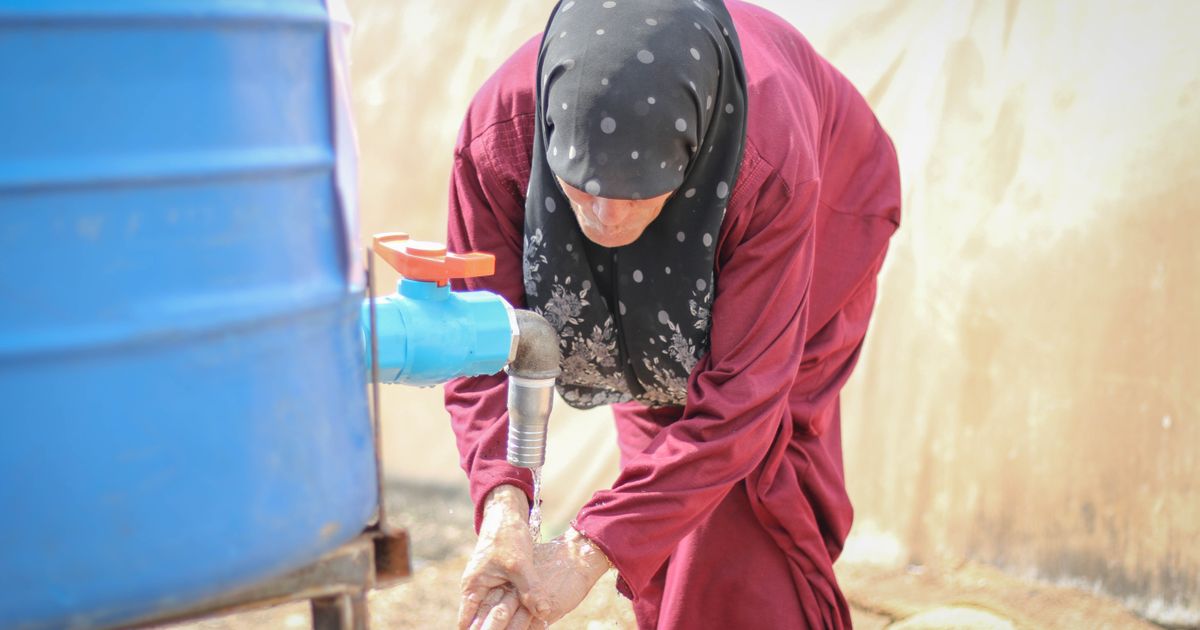
Photo by Ahmed akacha on Pexels
Frequently Asked Questions
What is the most dangerous waterborne pathogen in low-income countries?
The most lethal pathogen is Vibrio cholerae, responsible for 95,000 deaths annually in endemic regions. Its rapid transmission through contaminated water and food makes it a leading cause of epidemic outbreaks. The bacterium’s ability to produce cholera toxin within hours of ingestion leads to severe dehydration, with mortality rates reaching 50% in untreated cases. Prevention hinges on early detection, safe water storage, and community-wide chlorination during outbreaks.
Can boiling water eliminate all waterborne threats?
Boiling water effectively kills bacteria, viruses, and protozoan cysts by denaturing proteins and disrupting cell membranes. However, it does not remove chemical contaminants such as lead, arsenic, or nitrates. For comprehensive protection, boil water for at least one minute, then allow it to cool in a clean, covered container. This method is particularly critical during diarrheal disease outbreaks and after natural disasters disrupting water infrastructure.
How can families identify safe water sources in rural areas?
Safe water sources are typically piped systems, protected springs, boreholes with sealed casings, or properly maintained rainwater harvesting systems. Families should avoid open wells, surface water bodies, and vendors selling water from unregulated sources. A practical test involves observing the source: if it is visibly clean, flows continuously, and is inaccessible to animals or runoff, it is more likely safe. When in doubt, use a certified water test kit or seek local health department guidance.
Is bottled water safer than tap water in urban areas?
Bottled water is not inherently safer than properly treated tap water in countries with regulated water systems. In the United States, tap water is tested 100 times more frequently than bottled water due to stricter EPA standards. However, in regions with aging infrastructure or known contamination, bottled water may be a temporary solution. Consumers should look for bottles labeled “NSF/ANSI 53” or “NSF/ANSI 58” for contaminant reduction claims and avoid those with unclear sourcing, as plastic leaching and microbial regrowth remain risks.
Conclusion and Key Takeaways
Clean water access is not a luxury-it is a biological necessity and a fundamental human right. The persistence of waterborne diseases in the 21st century reflects systemic failures in infrastructure, governance, and equity. Yet, scalable solutions exist: community chlorination, household filtration, rainwater harvesting, and integrated watershed management have transformed lives in diverse contexts. The evidence is clear-safe water saves children, reduces poverty, and strengthens communities.
Take action today: assess your local water systems, advocate for improved sanitation, and adopt household-level interventions. Whether you live in a high-income city or a rural village, clean water is within reach. Consult your local health department to identify certified testing services and support organizations working to expand access. The time to act is now-because every drop counts, and every life saved is a victory for humanity.
