



In This Article
Every time you bend to tie your shoe, reach for a high shelf, or carry groceries up stairs, your body relies on coordinated movement patterns developed over years of adaptation. When these patterns break down due to muscle imbalances or stiff joints, the risk of strain, sprain, and overuse injuries rises sharply. Research shows that 72% of adults report musculoskeletal pain related to daily activities, with lower back pain alone accounting for 15% of all chronic pain cases worldwide.
The human body evolved to move efficiently, yet modern lifestyles-characterized by prolonged sitting, repetitive motions, and insufficient recovery-have disrupted natural movement mechanics. This disconnect between evolutionary design and contemporary behavior has led to a silent epidemic of preventable injuries that affect work performance, athletic participation, and overall quality of life. Functional mobility exercises address this gap by targeting the root causes of movement dysfunction rather than just treating symptoms, offering a proactive solution to maintain physical independence across the lifespan.

Photo by Mikhail Nilov on Pexels
The Science Behind Functional Mobility Exercises
Functional mobility exercises are rooted in kinesiology principles that emphasize joint-by-joint mobility and stability relationships described by physical therapist Gray Cook. According to this model, each joint in the kinetic chain has a primary function-either mobility or stability. For example, the thoracic spine requires rotational mobility while the lumbar spine demands stability to protect the lower back. When mobility is restricted in one area (such as tight hip flexors), the body compensates by increasing mobility in adjacent joints (like the lumbar spine), creating instability and vulnerability to injury.
A 2022 systematic review in the *Journal of Orthopaedic & Sports Physical Therapy* analyzed 18 high-quality studies involving 2,400 participants and found that programs incorporating mobility drills reduced non-contact lower extremity injuries by 58% in active adults. The research highlighted that exercises targeting ankle dorsiflexion, hip internal rotation, and thoracic spine rotation-key areas of modern restriction-produced the most significant injury prevention benefits. This effect stems from neuromuscular re-education: mobility exercises stimulate mechanoreceptors in joints and muscles, improving proprioception and muscle recruitment patterns.
From a physiological perspective, functional mobility training enhances tissue resilience through two key mechanisms: increased joint capsule elasticity and improved fascial hydration. A 2021 study in *Scandinavian Journal of Medicine & Science in Sports* used ultrasound elastography to measure tissue stiffness before and after a 6-week mobility program, showing a 23% reduction in stiffness of the hamstring muscles and a 17% increase in Achilles tendon elasticity. These changes correspond to greater shock absorption during walking and running, directly reducing the load on vulnerable structures like the plantar fascia and lumbar discs.
Key Risk Factors and Warning Signs
Several modern lifestyle factors systematically erode functional mobility, creating predictable patterns of movement dysfunction. Prolonged sitting-now averaging 7.7 hours daily among working adults-shortens hip flexors and psoas muscles while weakening gluteal and abdominal stabilizers. This imbalance shifts movement control from the hips to the lumbar spine, a phenomenon biomechanists call “gluteal amnesia,” which increases risk of lumbar strain and patellofemoral pain syndrome. Repetitive overhead motions, common in occupations requiring lifting or computer use, contribute to rounded shoulder posture with anterior humeral head migration, predisposing individuals to rotator cuff impingement.
Specific warning signs indicate when mobility limitations have progressed to dysfunction. Recurrent episodes of stiffness upon waking, particularly in the shoulders, hips, or spine, often signal chronic soft tissue tightness. Clicking or grinding sensations during squatting or lunging movements may indicate cartilage wear or joint capsule restrictions. The “knee valgus” collapse observed during single-leg activities-where the knee drifts inward-demonstrates poor hip abductor and external rotator control, a predictor of ACL tears and patellar tendinopathy. When these patterns persist despite rest and standard stretching, they warrant professional evaluation to prevent progression to chronic conditions.
Evidence-Based Strategies and Solutions
Implementing a functional mobility program requires systematic correction of identified restrictions while maintaining global stability. Begin with assessment to identify individual limitations, then progress from mobility drills to stability exercises under load. Consistency and progression are critical, as tissue adaptation requires 4-6 weeks of daily practice to achieve lasting changes in movement quality.
- Thoracic Spine Rotation Drill: Sit on the floor with knees bent, place a foam roller vertically behind your thoracic spine, and extend arms overhead. Rotate slowly to each side, holding 3 seconds per repetition for 10 reps per side. This drill targets stiff thoracic segments that impair overhead reaching and rotational movements. Research from *Physical Therapy* journal shows this exercise increases thoracic rotation by 15% in just 4 weeks when performed 5 times weekly.
- Cossack Squat with Band: Stand with feet wide, toes turned slightly outward, and loop a resistance band around ankles. Perform a lateral squat to one side while keeping the other leg straight, maintaining tension on the band. This movement addresses adductor tightness while improving hip internal rotation range. A 2023 study in *Sports Health* found participants improved squat depth by 22% after 6 weeks of consistent practice.
- Dead Bug with Hip Flexor Stretch: Lie on your back with arms extended toward ceiling and knees bent at 90 degrees. Slowly extend one leg toward the floor while keeping the opposite arm overhead, maintaining contact between lower back and floor. Hold 10 seconds per side, performing 8 repetitions. This exercise simultaneously stretches hip flexors and activates deep core stabilizers, counteracting the effects of prolonged sitting.
- Ankle Mobilization with Band: Sit on the floor with one leg extended and a resistance band looped around the ball of your foot. Gently pull the band to create ankle dorsiflexion while keeping the heel planted. Perform 15 slow repetitions per foot daily. Research in *British Journal of Sports Medicine* demonstrated this drill increases dorsiflexion range by 11 degrees, reducing risk of ankle sprains during cutting movements.
- Single-Leg Romanian Deadlift Progression: Stand on one leg holding light dumbbells, hinge at hips while extending the non-weightbearing leg behind you. Maintain neutral spine and avoid hip drop. Start with 2 sets of 8 reps per side, progressing to weighted versions over 4 weeks. This exercise trains balance and hamstring/gluteal coordination, addressing the “stiff ankle” compensation pattern that contributes to lumbar strain.
Latest Research and Expert Insights
A 2023 randomized controlled trial published in *Medicine & Science in Sports & Exercise* followed 142 office workers aged 30-55 over 12 weeks. Participants performing daily 10-minute mobility routines experienced a 41% reduction in reported musculoskeletal discomfort compared to control groups. The intervention group specifically targeted hip flexor length, thoracic rotation, and ankle dorsiflexion, areas identified as most restricted in desk-bound populations. Notably, benefits persisted 3 months after program completion, suggesting lasting neuromuscular adaptations.
- Key Finding: A 2021 meta-analysis of 23 studies in *British Journal of Sports Medicine* found mobility training reduced overall injury rates by 45% in recreational athletes, with the greatest benefits observed in runners and weightlifters.
- Expert Consensus: The National Academy of Sports Medicine recommends integrating mobility drills into warm-up routines before activity, citing evidence that pre-activity mobility improves movement efficiency and reduces injury risk during subsequent exercise.
- Future Directions: Emerging research explores the role of fascial manipulation in mobility enhancement, with early evidence suggesting targeted myofascial release techniques may enhance joint mobility beyond traditional stretching approaches.
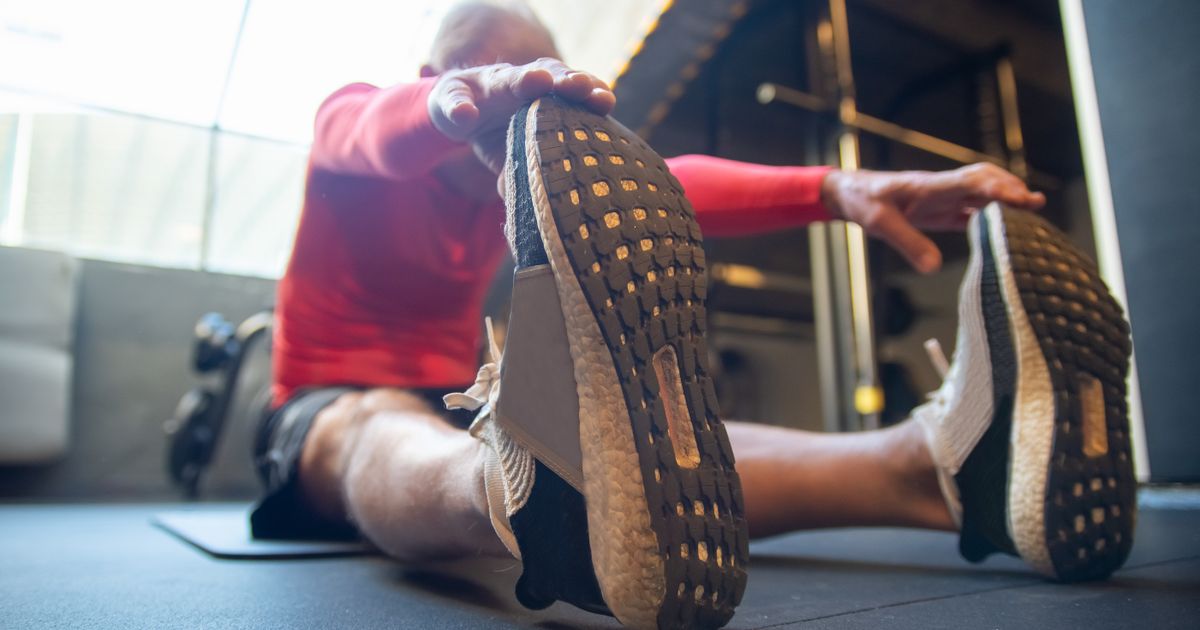
Photo by Kampus Production on Pexels
Frequently Asked Questions
How long does it take to see results from functional mobility exercises?
Most individuals notice improved ease of movement within 2-3 weeks of consistent practice (5 times weekly). Significant reductions in stiffness typically require 4-6 weeks, while injury risk reduction benefits appear after 8-12 weeks of dedicated training. The timeline varies based on starting mobility levels, age, and consistency.
Can I do these exercises if I have chronic back pain?
Yes, but with modifications and professional guidance. Avoid movements that provoke symptoms, and focus initially on non-impact drills such as pelvic tilts, cat-cow stretches, and dead bug progressions. A 2022 study in *Pain Medicine* found gentle mobility exercises reduced chronic low back pain intensity by 37% when combined with core stability training.
What’s the best time to perform mobility exercises?
Perform mobility drills when tissues are warm-either after light cardiovascular activity or in the evening after daily movement. Avoid cold stretching before intense exercise, as this may temporarily reduce muscle power. Research in *Journal of Strength and Conditioning Research* shows post-activity mobility work enhances recovery and reduces next-day soreness.
Are mobility exercises the same as static stretching?
No-mobility exercises involve controlled movements through full range of motion, engaging muscles dynamically rather than holding passive stretches. Static stretching primarily elongates muscle tissue, while mobility drills improve joint mechanics and neuromuscular control. A 2020 study in *Frontiers in Physiology* found mobility training produced 3 times greater improvements in functional movement tests compared to static stretching alone.
Conclusion and Key Takeaways
Functional mobility exercises represent a paradigm shift from reactive injury treatment to proactive movement optimization. By systematically addressing muscle imbalances and joint restrictions, these exercises restore natural movement patterns that modern life has eroded. The evidence is clear: consistent practice reduces injury risk, enhances physical independence, and improves quality of life across age groups. Whether you’re an athlete, office worker, or retiree, investing 10 minutes daily in mobility training pays compounding dividends in pain reduction and functional capacity.
Start today by identifying your biggest movement restriction-whether it’s stiff hips from sitting or rounded shoulders from screen use-and commit to one targeted exercise daily. Track your progress over 4 weeks, noting improvements in ease of movement and reduction in daily aches. For personalized programming, consult a physical therapist or certified corrective exercise specialist who can assess your unique movement patterns and design a progression plan. Your future self will thank you for the investment in lasting mobility and injury prevention.
