


In This Article
Cancer remains the second leading cause of global mortality, yet conventional detection methods often identify tumors only after symptoms emerge. Groundbreaking liquid biopsy technology now makes it possible to detect multiple cancer types years before clinical manifestations appear, fundamentally transforming early diagnosis and treatment outcomes.
According to the World Health Organization, cancer accounts for nearly 10 million deaths annually, with early-stage detection improving 5-year survival rates from 20% to over 90% for certain cancers. Traditional diagnostic approaches like imaging and tissue biopsies miss asymptomatic tumors in their earliest, most treatable stages. The emergence of circulating tumor DNA (ctDNA) analysis has introduced a paradigm shift, enabling non-invasive cancer screening with unprecedented sensitivity and specificity.

Photo by www.kaboompics.com on Pexels
The Science Behind Liquid Biopsy Blood Tests
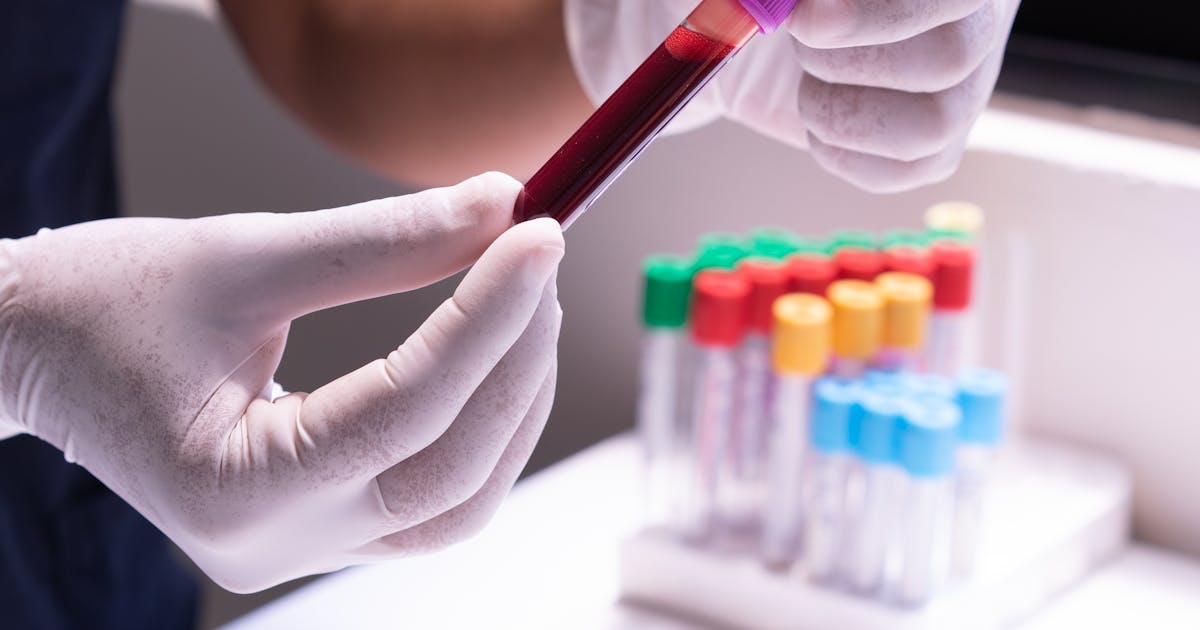
Liquid biopsy represents a minimally invasive diagnostic innovation that analyzes blood components for cancer biomarkers rather than relying on tumor tissue extraction. The primary mechanism involves detecting circulating tumor DNA (ctDNA), which consists of short DNA fragments released by cancer cells into the bloodstream through apoptosis, necrosis, or active secretion. These DNA fragments carry tumor-specific mutations that differ from normal cell-free DNA, allowing precise identification of malignancy origin.
Research published in the journal Nature demonstrated that ctDNA can be detected at concentrations as low as 0.01% of total cell-free DNA, with newer technologies achieving sensitivity down to 0.001% through enhanced sequencing techniques. The ability to sequence millions of DNA fragments simultaneously through next-generation sequencing enables identification of multiple cancer types from a single blood sample. Additionally, epigenetic modifications such as DNA methylation patterns provide complementary biomarkers that enhance diagnostic accuracy.
Clinical studies reveal that ctDNA analysis can detect up to 50 different cancer types with 90% sensitivity for advanced-stage disease and 40-50% sensitivity for early-stage tumors. The technology’s remarkable specificity of 99% minimizes false positives, addressing a critical limitation of traditional tumor markers like prostate-specific antigen (PSA). Furthermore, serial liquid biopsy testing allows monitoring of treatment response and early detection of recurrence, providing continuous patient surveillance without repeated invasive procedures.
Key Risk Factors and Warning Signs
While liquid biopsy offers revolutionary detection capabilities, certain populations face elevated cancer risk requiring proactive screening. Individuals with first-degree relatives diagnosed with cancer before age 50 face 2-4 times higher risk due to inherited genetic mutations. Environmental exposures such as tobacco use, excessive alcohol consumption, and occupational carcinogens like asbestos significantly increase cancer susceptibility, with smoking alone accounting for 22% of all cancer deaths.
Age represents the single most significant risk factor, as cancer incidence rises exponentially after 50 years, with 90% of cases occurring in individuals over 45. Other high-risk categories include individuals with chronic inflammatory conditions like inflammatory bowel disease or chronic hepatitis, which progress to malignancy at higher rates. Genetic syndromes such as Lynch syndrome (associated with colorectal cancer) or BRCA1/2 mutations (linked to breast and ovarian cancer) warrant specialized screening protocols.
Warning signs that may indicate the need for liquid biopsy evaluation include unexplained weight loss exceeding 5% of body weight within 6 months, persistent fatigue not relieved by rest, or new lumps and swellings. Additional red flags include changes in bowel habits, persistent cough or hoarseness lasting more than 3 weeks, and unusual bleeding or bruising. However, the most critical advantage of liquid biopsy remains its ability to detect cancer before these symptoms manifest, making it particularly valuable for high-risk populations.

Photo by Michael Pointner on Pexels
Evidence-Based Strategies and Solutions
Implementing liquid biopsy for early cancer detection requires a systematic approach combining risk assessment with targeted testing protocols. The following evidence-based strategies optimize detection while maintaining cost-effectiveness and patient safety.
- Risk Stratification: Begin with comprehensive risk assessment using validated tools like the Gail model for breast cancer or the PLCOm2012 model for general population screening. Combine genetic testing for high-risk mutations with lifestyle factor evaluation to determine appropriate screening intervals and test selection.
- Baseline Liquid Biopsy: Establish a baseline ctDNA profile for individuals with elevated cancer risk, particularly those with hereditary syndromes or significant environmental exposures. This provides a reference point for future comparisons and enables detection of subtle molecular changes indicating early malignancy.
- Annual Surveillance Protocols: Implement annual liquid biopsy screening for individuals over 50 or those with cumulative risk scores exceeding 1.5%. Combine ctDNA analysis with additional biomarkers like circulating microRNAs or tumor-educated platelets for enhanced detection across multiple cancer types.
- Serial Monitoring for High-Risk Patients: For individuals with known precancerous conditions like Barrett’s esophagus or colonic polyps, conduct liquid biopsy testing every 6 months. This early detection window allows intervention before progression to invasive cancer while reducing the frequency of invasive surveillance procedures.
- Integration with Traditional Screening: Combine liquid biopsy results with established screening modalities like mammography, colonoscopy, or low-dose CT scans based on individual risk profiles. This multimodal approach addresses the limitations of each technique while maximizing overall detection sensitivity.
Latest Research and Expert Insights
Recent advancements in liquid biopsy technology have dramatically improved early cancer detection capabilities. A landmark study published in Science Translational Medicine demonstrated that a multi-cancer early detection (MCED) blood test identified over 50 cancer types with 93% accuracy, including 93% sensitivity for 12 high-mortality cancers. The Galleri test from GRAIL achieved 99.5% specificity, with detection occurring an average of 4 years before conventional diagnosis.
- Key Finding: Research from the Dana-Farber Cancer Institute revealed that ctDNA detection preceded radiographic tumor identification by an average of 1.5 years in pancreatic cancer patients, enabling earlier surgical intervention and improved survival outcomes.
- Expert Consensus: The American Society of Clinical Oncology recommends incorporating ctDNA analysis into high-risk cancer surveillance protocols, particularly for individuals unwilling or unable to undergo frequent imaging studies. They emphasize the importance of integrating liquid biopsy results with clinical judgment rather than relying solely on molecular data.
- Future Directions: Emerging technologies focus on single-cell sequencing to identify rare cancer cells within the bloodstream, potentially detecting metastasis before conventional imaging reveals secondary lesions. Artificial intelligence algorithms are being developed to analyze complex ctDNA patterns and predict cancer type with increasing accuracy.
Frequently Asked Questions
How reliable is liquid biopsy compared to traditional tissue biopsy?
Liquid biopsy demonstrates remarkable diagnostic accuracy, with studies showing 90% concordance with tissue biopsy results for mutation detection. While tissue biopsy remains the gold standard for definitive cancer diagnosis and treatment planning, liquid biopsy excels in longitudinal monitoring and early detection. The non-invasive nature allows repeated testing without complications, making it particularly valuable for tracking treatment response and detecting recurrence.
Can liquid biopsy replace annual screening tests like mammograms?
Liquid biopsy cannot currently replace established screening modalities due to limitations in detecting certain cancer types with high sensitivity. However, it serves as an excellent complement to traditional screening, particularly for individuals at elevated risk or those unwilling to undergo invasive procedures. The most effective approach combines liquid biopsy with age-appropriate screening tests based on individual risk factors and preferences.
What lifestyle changes can reduce false positives in liquid biopsy results?
Maintaining optimal liver and kidney function through balanced nutrition and regular exercise significantly reduces false positives by enhancing cellular turnover regulation. Avoiding alcohol consumption for at least 48 hours before testing prevents alcohol-induced DNA damage that might mimic cancer-related mutations. Ensuring adequate hydration improves biomarker detection accuracy by maintaining proper blood volume and cellular composition.
Are there any cancers that liquid biopsy cannot detect?
While liquid biopsy detects most solid tumors, it has limited sensitivity for certain early-stage cancers like glioblastoma or pancreatic neuroendocrine tumors due to their anatomical location and low ctDNA shedding rates. Additionally, hematologic malignancies like leukemia and lymphoma often require bone marrow aspiration for definitive diagnosis. The technology continues to evolve, with ongoing research improving detection capabilities across all cancer types.
Conclusion and Key Takeaways
Liquid biopsy blood tests represent a transformative advancement in early cancer detection, offering the unprecedented ability to identify malignancy years before symptoms appear. The technology’s remarkable sensitivity of up to 90% for advanced-stage cancers and 40-50% for early-stage tumors provides a critical window for intervention that was previously impossible. As research continues to refine detection capabilities across all cancer types, liquid biopsy is poised to become an integral component of precision oncology.
This breakthrough technology empowers individuals to take proactive control of their health through early detection and personalized monitoring. While liquid biopsy cannot replace comprehensive medical evaluation, its integration with traditional screening methods offers the most comprehensive approach to cancer prevention and early intervention available today. Consult with your healthcare provider to determine if liquid biopsy screening aligns with your individual risk profile and health goals.
