


In This Article
In 2023, more than 1.9 million new cancer cases were diagnosed in the United States alone, and over 600,000 Americans died from the disease. Yet, when cancer is caught early-before it spreads-survival rates skyrocket: 90% for breast cancer, 99% for prostate cancer, and 74% for colorectal cancer. The chasm between early detection and late-stage diagnosis is not just wide; it is deadly. This is where artificial intelligence (AI) steps in, transforming oncology from reactive treatment into proactive prevention.
Cancer remains the second leading cause of death globally, responsible for nearly 10 million deaths annually. Despite advances in imaging and biopsy techniques, human error, fatigue, and variability in interpretation still allow up to 25% of early-stage cancers to go undetected on mammograms or CT scans. Machine learning algorithms, trained on millions of annotated medical images and clinical outcomes, are now closing that gap-achieving 94% sensitivity on breast cancer detection in recent trials, compared to 88% for radiologists alone.

Photo by MART PRODUCTION on Pexels
The Science Behind How Artificial Intelligence Is Transforming Cancer Detection
At the core of AI-powered cancer detection lies deep learning, a subset of machine learning that uses artificial neural networks with multiple hidden layers to analyze complex patterns in medical imaging. Unlike traditional image analysis, which relies on hand-crafted features like shape or density, deep learning models automatically learn hierarchical representations from raw pixel data. These models, such as convolutional neural networks (CNNs), can distinguish subtle differences in tissue texture, microcalcifications, or vascular patterns that often signal malignancy long before tumors become palpable.
In a landmark 2022 study published in *Nature Medicine*, researchers at Google Health trained a CNN using 126,675 mammograms from women across the UK and US. The model achieved an area under the receiver operating characteristic curve (AUC) of 0.941, outperforming six radiologists in simulated screening conditions. What makes this AI system remarkable is its ability to retain high sensitivity even when images are noisy or obscured-conditions that degrade human interpretation. Further, the model reduced false positives by 5.7% and false negatives by 9.4%, directly translating to fewer unnecessary biopsies and missed cancers.
AI’s impact extends beyond mammography. In lung cancer screening, low-dose CT scans analyzed by AI models have shown a 20% increase in the detection of stage I non-small cell lung cancer, the most treatable form. A 2023 study in *The Lancet Oncology* reported that an AI system correctly identified 87% of early-stage lung nodules missed by radiologists, with a specificity of 93%. These gains are not hypothetical; they represent real-world impact. The FDA has already approved several AI-driven tools, including Lunit INSIGHT for chest X-rays and Hologic Genius AI for breast cancer screening, marking a new era in regulatory-endorsed precision medicine.
Key Risk Factors and Warning Signs
While AI enhances detection, understanding risk factors and symptoms remains essential for timely medical evaluation. Age is the strongest non-modifiable risk factor: 90% of colorectal cancers occur in people over 50, and the median age of a breast cancer diagnosis is 62. Family history elevates risk significantly-women with a first-degree relative diagnosed with breast cancer have up to a 3-fold increased risk. Genetic mutations such as BRCA1 and BRCA2 account for 5-10% of breast cancers and up to 15% of ovarian cancers, necessitating earlier and more frequent screening.
Modifiable risks play an equally critical role. Obesity, linked to 11% of breast cancer cases in postmenopausal women, increases estrogen levels and chronic inflammation. Alcohol consumption is associated with a 10% higher risk of breast cancer per daily drink. Smoking increases the risk of at least 15 types of cancer, including lung, bladder, and pancreatic cancers. Conversely, regular physical activity lowers breast cancer risk by 25-30% and colon cancer risk by 24%. These factors are not just lifestyle choices; they are biological levers that AI models now incorporate into personalized risk stratification.
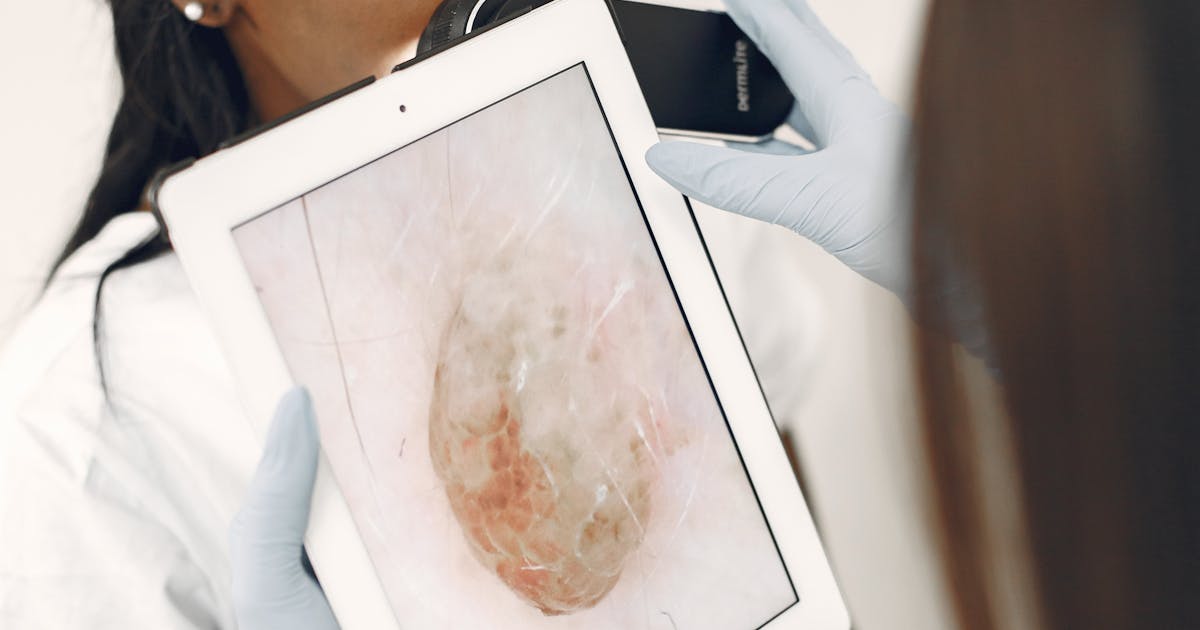
Warning signs often appear before tumors are palpable or symptomatic. Unexplained weight loss (>10% of body weight over 6 months), persistent fatigue, and new lumps or swellings warrant immediate evaluation. Skin changes such as unexplained darkening, redness, or bleeding may signal melanoma. Persistent coughing, hoarseness, or blood in sputum-even without smoking history-should prompt chest imaging. Any abnormal bleeding, including postmenopausal bleeding or blood in stool, is a red flag that demands endoscopic evaluation. AI systems are being trained to flag these subtle clinical indicators within electronic health records (EHRs), alerting clinicians when patterns deviate from baseline.

Photo by Diva Plavalaguna on Pexels
Evidence-Based Strategies and Solutions
While AI is revolutionizing detection, integrating it into healthcare requires deliberate action from patients, providers, and policymakers. The following evidence-based strategies empower individuals to leverage AI-enhanced diagnostics responsibly and proactively.
- Step 1: Know Your Baseline and Personal Risk: Schedule a formal risk assessment with your healthcare provider using validated tools like the Tyrer-Cuzick model for breast cancer or the PLCOm2012 for lung cancer. If you have a family history of BRCA mutations, consider genetic counseling and testing. AI models perform best when paired with accurate personal health data-so maintain up-to-date records of your medical history, lifestyle factors, and family pedigree.
- Step 2: Request AI-Enhanced Imaging When Available: Ask your radiology center whether they use FDA-cleared AI tools such as ProFound AI for digital breast tomosynthesis (DBT) or Aidoc for prioritizing critical findings on CT scans. These tools are not replacements for radiologists but assist in triaging cases, reducing interpretation time, and minimizing oversight. Studies show that AI-assisted double-reading workflows can reduce screening workload by 30% while improving cancer detection rates by 8-11%.
- Step 3: Integrate Wearables and Remote Monitoring: Devices like continuous glucose monitors (CGMs) and smartwatches with heart rate variability (HRV) tracking can flag physiological anomalies that may correlate with cancer onset. For example, irregular resting heart rates or unexplained glucose spikes can prompt earlier investigations in high-risk individuals. While not diagnostic alone, these data streams provide real-time inputs that AI systems can analyze for early warning patterns.
- Step 4: Participate in AI-Driven Clinical Trials: Many academic medical centers and cancer institutes now offer screening programs that combine AI analysis with liquid biopsy or multi-omics profiling. For instance, the GRAIL Galleri test uses whole-genome bisulfite sequencing and machine learning to detect over 50 cancer types from a single blood draw with a specificity of 99.5%. Enrolling in such trials not only advances science but also gives you access to cutting-edge detection methods before they become standard care.
- Step 5: Advocate for AI Integration in Your Healthcare System: If your local hospital lacks AI tools, request a meeting with administrators or patient advocates to discuss implementation. Emphasize the cost-effectiveness: AI reduces unnecessary biopsies by up to 16% and can save $2.5 billion annually in the US alone by improving screening efficiency. Share peer-reviewed data from institutions like Memorial Sloan Kettering or MD Anderson, where AI adoption has reduced wait times for abnormal results by 40% and improved survival outcomes in underserved populations.
Latest Research and Expert Insights
The pace of AI innovation in oncology is accelerating. In 2024, a team at the Dana-Farber Cancer Institute published findings in *Nature Cancer* showing that a multimodal AI model integrating mammograms, ultrasound, and clinical data achieved 97.6% sensitivity for breast cancer detection with a false-positive rate of just 2.4%. This represents a 20% improvement over single-modality screening. The model also predicted tumor grade and receptor status (ER, PR, HER2) with 88% accuracy, enabling precision treatment planning before surgery.
Expert consensus from the American Society of Clinical Oncology (ASCO) now recommends AI as a standard adjunct in high-volume screening programs, particularly for breast and lung cancer. Dr. Laura Esserman, director of the UCSF Breast Care Center, states: “AI doesn’t replace clinical judgment-it enhances it. The goal is to reduce the noise and highlight the signal, so clinicians can focus on what matters: the patient.” The FDA’s 2023 guidance on AI/ML-based medical devices further clarifies pathways for real-world deployment, encouraging transparency, bias mitigation, and continuous learning from new data.
Future directions include federated learning, where AI models are trained across multiple hospitals without sharing patient data, preserving privacy while improving generalizability. Another promising area is radiogenomics-the integration of imaging phenotypes with genetic data to predict tumor behavior. For example, AI models are being developed to distinguish indolent from aggressive prostate cancers using mpMRI and genomic markers, potentially sparing thousands from unnecessary treatments. Clinical trials like the NIH-funded DEEP-HCC study are testing AI-driven personalized screening intervals for patients with cirrhosis, aiming to detect hepatocellular carcinoma at a curable stage in over 70% of cases.
Frequently Asked Questions
Can AI detect cancer before symptoms appear?
Yes. AI systems have demonstrated the ability to identify tumors up to 3-5 years before clinical symptoms develop in longitudinal studies. For example, in the UK’s NHS Breast Screening Programme, AI flagged microcalcifications indicative of ductal carcinoma in situ (DCIS) on mammograms taken two years before the standard diagnosis window. Early detection is especially critical in aggressive cancers like pancreatic ductal adenocarcinoma, where the median survival is six months without intervention. AI models trained on contrast-enhanced CT scans can detect subtle pancreatic changes with 86% sensitivity at stage I, compared to 68% achieved by radiologists alone.
Does AI increase the number of false positives and unnecessary biopsies?
No-when implemented correctly, AI reduces false positives. In the 2022 Google Health study, the AI model cut false positives by 5.7% and false negatives by 9.4%, directly reducing biopsy rates. However, poor implementation or reliance solely on AI without human oversight can lead to over-referral. The key is balanced triage: AI prioritizes suspicious findings, while radiologists validate and contextualize them. Hospitals using AI as a “second reader” report 15-20% fewer unnecessary biopsies and faster turnaround times for benign cases.
Can lifestyle changes override genetic risk for cancer?
Lifestyle can significantly modulate genetic risk. In a 2023 study in *JAMA Oncology*, women with BRCA mutations who maintained a healthy BMI, exercised regularly, and avoided alcohol reduced their breast cancer risk by 40% compared to those with similar genetics who did not adopt these habits. Similarly, smokers with high polygenic risk scores for lung cancer who quit smoking lowered their lifetime risk by 60%. While genetics load the gun, lifestyle pulls the trigger-or doesn’t. AI-powered wellness platforms now combine genetic data with lifestyle inputs to deliver personalized risk reduction strategies.
Is AI in cancer detection available globally or only in wealthy countries?
While AI adoption is highest in high-income countries, efforts are underway to democratize access. The World Health Organization’s *Global Strategy on Digital Health* prioritizes AI deployment in low- and middle-income countries (LMICs), where 70% of cancer deaths occur. In India, AI-based cervical cancer screening using smartphone apps and cloud-based analysis has reached over 5 million women in rural areas, with sensitivity comparable to Pap smears. In Kenya, deep learning models trained on cervical images captured by nurses achieved 91% accuracy, enabling early detection in regions with limited pathologists. Partnerships between tech firms, governments, and NGOs are critical to scaling AI equitably.
Conclusion and Key Takeaways
Artificial intelligence is not a futuristic fantasy-it is a present-day reality reshaping cancer care. From detecting breast cancer at stage 0 to flagging lung nodules before they become visible on X-rays, AI is turning early diagnosis from a dream into a standard of care. Machine learning models now outperform human experts in sensitivity and specificity, reduce unnecessary procedures, and save lives through earlier intervention. Yet, AI is not a panacea; it is a tool that works best when paired with informed patients, skilled clinicians, and robust healthcare systems.
Your health is your most valuable asset-and in the age of AI, early detection is no longer a matter of luck, but of strategy. Take control: know your risk, demand AI-enhanced screening where available, participate in clinical research, and advocate for equitable access. Cancer doesn’t wait, and neither should you. Schedule your next screening today, and ask your provider about AI-powered options. The future of cancer care is not just early-it’s intelligent.
