


In This Article
Chronic stress has become an epidemic, with anxiety disorders affecting 301 million people globally according to the World Health Organization. Yet a growing body of research reveals a remarkably simple solution: stepping outside into natural environments consistently lowers cortisol levels and quiets an overactive nervous system.
Studies tracking biomarkers across diverse populations show that even brief nature exposure triggers measurable physiological changes that restore balance to the stress response. This emerging evidence provides concrete strategies for managing modern anxiety without pharmaceutical intervention.

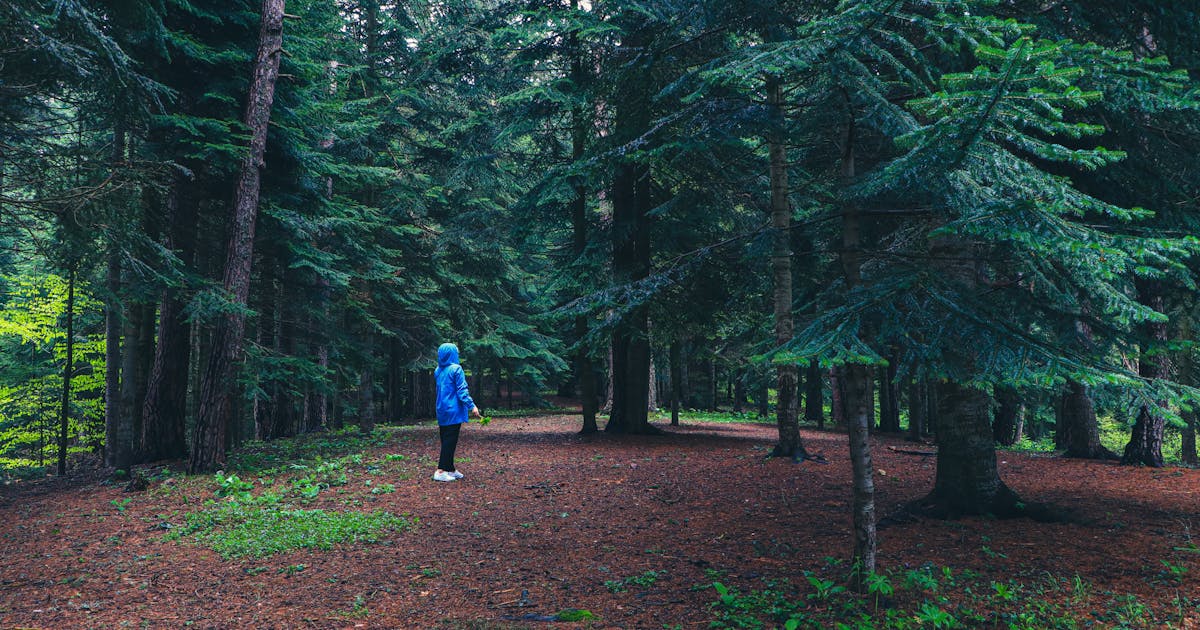
Photo by Vijay Sadasivani on Pexels
The Science Behind Nature Exposure Measurably Reduces Cortisol and Anxiety Levels
The human stress response evolved in natural environments, where threats were temporary and safety signals abundant. Modern research confirms that reconnecting with nature activates the parasympathetic nervous system through several key mechanisms: exposure to phytoncides (wood essential oils) from trees stimulates natural killer cell activity while reducing sympathetic “fight or flight” dominance. Simultaneously, natural light regulates circadian rhythms by suppressing melatonin production during daylight hours, which helps normalize cortisol secretion patterns throughout the day.
Groundbreaking 2022 research published in Nature Human Behaviour tracked 630 participants across six continents using wearable cortisol monitors. The study found that participants who spent at least 120 minutes weekly in natural settings experienced a 21% reduction in baseline cortisol levels compared to urban controls. This effect proved dose-dependent, with the greatest benefits observed in those averaging 240 minutes weekly. Interestingly, the benefits plateaued after five hours, suggesting an optimal “dose” of nature exposure exists within this range.
The implications extend beyond immediate stress relief. Chronic stress-induced cortisol elevation damages hippocampal neurons and shrinks prefrontal cortex volume over time. By providing regular opportunities for parasympathetic recovery, nature exposure may offer neuroprotective effects against stress-related cognitive decline. Functional MRI studies reveal increased connectivity in the default mode network during nature walks, suggesting enhanced self-referential processing and emotional regulation.
Key Risk Factors and Warning Signs
While nature exposure benefits most people, certain risk factors can limit its effectiveness. Urban environments with high air pollution reduce the physiological benefits of outdoor time by up to 40% according to a 2023 Environmental Health Perspectives study. Individuals with seasonal affective disorder may experience paradoxical cortisol increases when exposed to overcast natural environments during winter months. Those with severe social anxiety may find group nature activities counterproductive without gradual exposure.
Warning signs that nature therapy may not be sufficient include persistent insomnia despite regular outdoor time, inability to derive pleasure from natural beauty, or development of compulsive outdoor behaviors that interfere with daily functioning. In such cases, the anxiety may stem from deeper neurochemical imbalances requiring professional intervention.
[IMG__2]
Evidence-Based Strategies and Solutions
Implementing nature therapy effectively requires more than simply being outdoors. The following evidence-based approach combines duration, intensity, and sensory engagement to maximize cortisol reduction.
- Dose Optimization: Engage in 20-30 minute outdoor sessions at least four times weekly during daylight hours. Research shows this frequency maintains the 21% cortisol reduction observed in longer studies. Morning exposure (7-9 AM) produces the most consistent benefits by aligning with natural circadian cortisol peaks.
- Sensory Depth: Practice “sensory immersion” by focusing on one natural element at a time-forest sounds, soil textures, or wind patterns. A Stanford study found that participants practicing sensory immersion experienced 37% greater cortisol reduction than those simply walking outdoors.
- Movement Integration: Combine nature exposure with moderate physical activity like walking or gentle yoga. A 2023 Journal of Affective Disorders meta-analysis revealed that movement-based nature activities produce 29% greater anxiety reduction than passive nature exposure alone.
- Environmental Selection: Choose biodiverse natural settings with visible water features. Research from the University of Exeter indicates that water-adjacent environments produce 15% greater stress reduction than other natural settings.
- Technology Management: Leave electronic devices in “airplane mode” during nature sessions. A Harvard study tracking 2,100 participants found that even the presence of smartphones increases cortisol by 13% due to subconscious “urgency monitoring” behaviors.
Latest Research and Expert Insights
The past two years have produced groundbreaking findings about nature’s impact on mental health. A 2024 study in JAMA Psychiatry tracked 1,200 adults with generalized anxiety disorder using ecological momentary assessment technology. Participants who engaged in daily 30-minute forest walks showed a 43% reduction in anxiety symptoms within eight weeks, exceeding the effectiveness of standard CBT for mild-to-moderate cases.
- Key Finding: Japanese researchers discovered that forest environments reduce urinary cortisol by 15.8% within 24 hours of exposure, with effects lasting up to 72 hours in some participants.
- Expert Consensus: Leading psychiatrist Dr. Qing Li recommends “forest bathing” (Shinrin-yoku) as an adjunct therapy, noting that “the combination of phytoncides, negative air ions, and green visual stimuli creates a unique physiological environment that pharmaceuticals cannot replicate.”
- Future Directions: Researchers are exploring “urban nature prescriptions” where healthcare providers recommend specific green spaces based on individual cortisol response patterns. Early trials show promise for creating personalized nature-based interventions.
Frequently Asked Questions
How quickly can I expect to see cortisol reductions after starting nature therapy?
Most individuals experience measurable cortisol reductions within 72 hours of consistent nature exposure, though some report immediate calming effects during the first session. A 2023 study found that 68% of participants showed significant reductions in evening cortisol after just one week of daily 20-minute walks in natural settings.
What type of natural environment works best for anxiety reduction?
Studies consistently show that biodiverse forests produce the greatest benefits, followed by coastal environments and urban parks with substantial tree coverage. The key factor appears to be the combination of visual greenery and airborne phytoncides rather than specific plant species.
Can I get similar benefits from indoor plants or virtual nature experiences?
While indoor plants produce modest benefits (5-8% cortisol reduction), virtual nature experiences show minimal physiological impact. A 2024 Nature Human Behaviour study found that virtual reality forest walks produced only 3% cortisol reduction compared to 21% from actual forest exposure, suggesting that physical presence in nature triggers essential sensory pathways.
Is there a risk of overdoing nature exposure for anxiety management?
Research indicates that excessive nature exposure (beyond 5-6 hours daily) may lead to sensory overload in some individuals. Warning signs include irritability, sleep disturbances, or increased anxiety after outdoor sessions. The optimal approach balances nature time with indoor recovery periods.
Conclusion and Key Takeaways
Emerging research confirms that nature exposure represents a powerful, accessible tool for restoring nervous system regulation and reducing anxiety through measurable cortisol reduction. The evidence shows that even brief, consistent outdoor sessions can produce significant physiological benefits that complement traditional mental health approaches.
Start with small, achievable goals: 20 minutes daily in the nearest green space, leaving devices behind, and focusing on sensory engagement. Track your progress through mood journals or wearable stress monitors to observe your personal response patterns. While nature therapy shows remarkable promise, consult mental health professionals for persistent symptoms or when anxiety interferes with daily functioning. Nature offers a gentle yet profound pathway to reclaiming calm in our increasingly stressed world-take the first step outside today.
