


In This Article
In the heart of sub-Saharan Africa, a pregnant woman in a rural village waits 8 hours for a bus to reach the nearest clinic-only to learn her appointment has been canceled. Meanwhile, in the Amazon rainforest, a diabetic patient’s insulin prescription lapses because the local health post lacks refrigeration. These are not isolated incidents but daily realities for an estimated 3.4 billion people worldwide who live outside major urban centers, where healthcare remains a luxury rather than a right.
- Rising Urban Air Pollution Drives Surge in Childhood Asthma and COPD Cases
- Artificial Intelligence Transforming Early Cancer Detection With Unmatched Precision
- Telemedicine Revolutionizing Rural Healthcare Access Across Developing Nations
- New Cardiovascular Research Redefines Heart Disease Prevention Protocols
- Wearable Health Tech Revolutionizes Chronic Disease Care and Outcomes
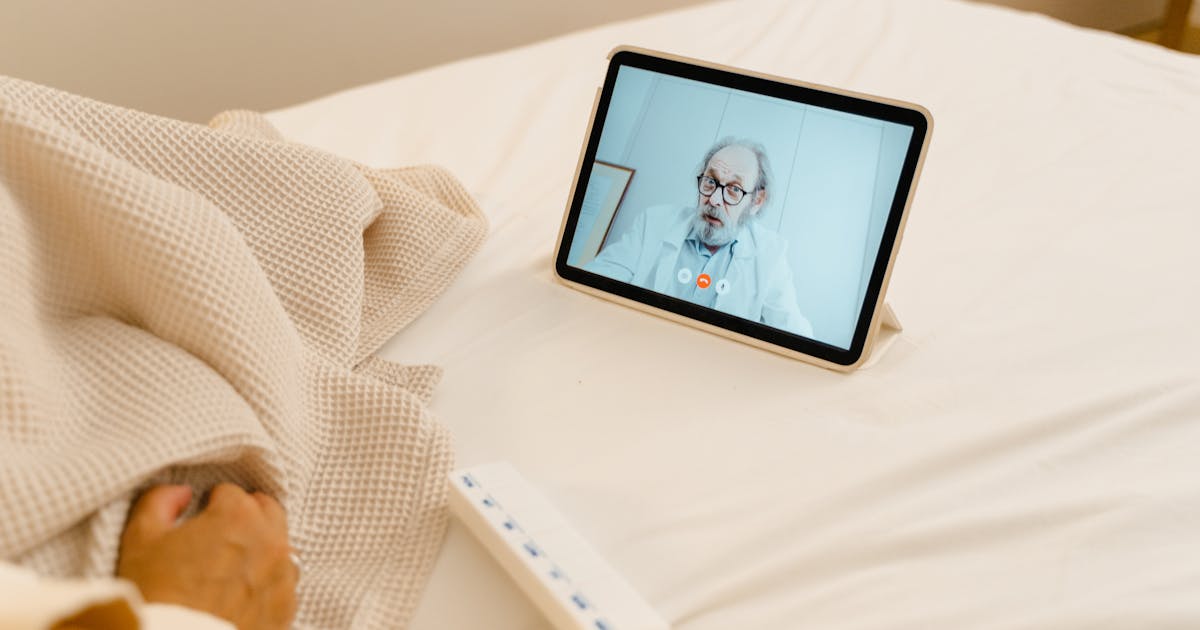
Telemedicine has emerged as a transformative force in this landscape, delivering specialist consultations, diagnostic support, and chronic disease management through secure digital platforms. A 2023 World Health Organization report indicates that over 50% of countries now use telemedicine to address workforce shortages, with rural regions showing the most significant reductions in care delays. While urban hospitals boast cutting-edge technology, rural communities-home to nearly half the global population-have historically relied on underfunded clinics staffed by general practitioners or none at all. The COVID-19 pandemic accelerated adoption, proving that distance need not dictate survival.
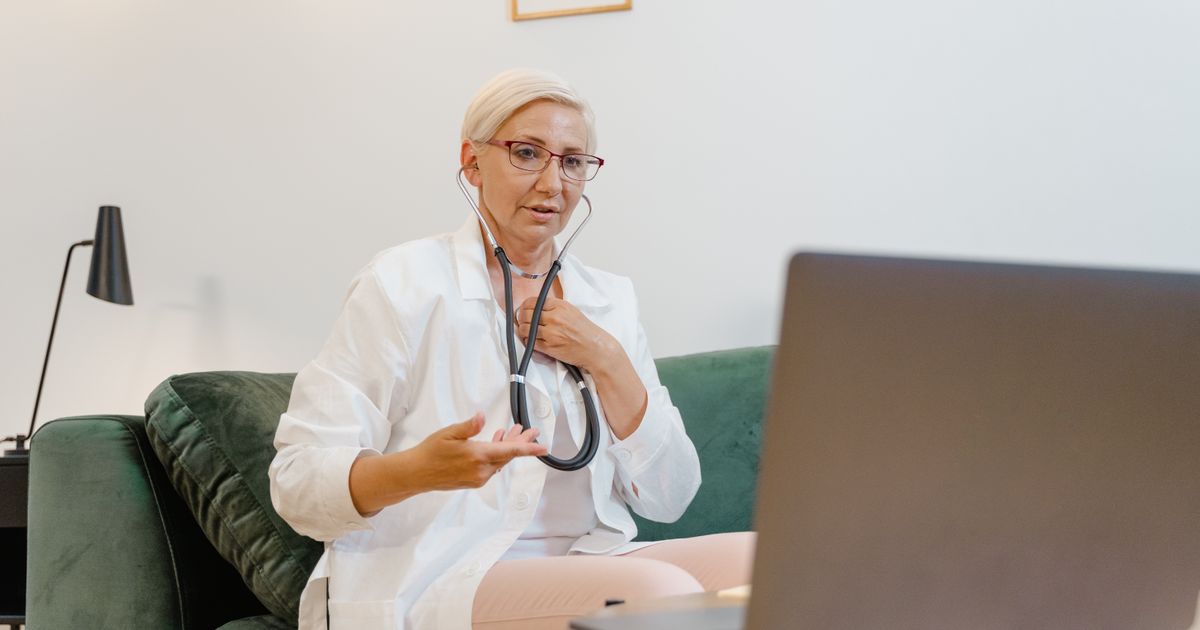
Photo by Tima Miroshnichenko on Pexels
The Science Behind Telemedicine Expanding Healthcare Access
At its core, telemedicine leverages high-speed internet, encrypted data transmission, and portable diagnostic tools to replicate in-person care. The technology hinges on three interconnected components: real-time video consultations, asynchronous store-and-forward imaging (e.g., X-rays sent to radiologists), and remote patient monitoring via wearables or IoT devices. A pivotal study in *The Lancet Digital Health* (2022) demonstrated that asynchronous dermatology consultations reduced diagnostic errors by 28% in rural clinics by enabling specialists to review images without immediate travel.
Physiologically, telemedicine addresses critical delays in care that worsen outcomes. For instance, stroke patients in remote areas face an average 4.5-hour delay in receiving thrombolytics-time that can mean permanent brain damage. Tele-stroke networks, however, have cut this window to under 90 minutes by connecting rural emergency rooms to neurologists via secure video. The mechanism hinges on rapid data transfer: CT scans are uploaded to cloud-based platforms, where AI triages cases and alerts on-call specialists within minutes. A 2021 meta-analysis in *JAMA Neurology* found that tele-stroke programs reduced mortality by 19% and improved functional recovery in 62% of treated patients.
Beyond acute care, telemedicine tackles chronic disease through continuous monitoring. Patients with hypertension in rural Appalachia, for example, use Bluetooth-enabled blood pressure cuffs that sync with a telehealth dashboard. Data is automatically flagged for intervention if readings exceed 140/90 mmHg, reducing hypertensive crises by 34% over two years, according to a 2023 study in *Hypertension*. The physiological benefit lies in early intervention: preventing vascular damage that would otherwise lead to heart failure or kidney disease. This closed-loop system-combining hardware, software, and human oversight-represents a paradigm shift from reactive to proactive medicine.
Key Risk Factors and Warning Signs
While telemedicine offers unprecedented access, it is not without risks. The most pressing is diagnostic inaccuracy when clinicians rely solely on patient-reported symptoms without physical exams. A 2022 systematic review in *BMJ Quality & Safety* found that misdiagnosis rates in telemedicine averaged 6.5%-double that of in-person visits-for conditions like pneumonia and heart failure. Rural populations face additional vulnerabilities: limited digital literacy, unreliable internet (only 23% of sub-Saharan Africa has 4G coverage), and language barriers with non-native-speaking providers.
Warning signs that telemedicine may be failing a patient include persistent symptoms despite virtual treatment, unexplained lab abnormalities (e.g., elevated hemoglobin A1c in diabetics), or deteriorating mental health marked by increased anxiety or depression. Clinicians should also watch for “digital fatigue”-when patients disengage due to complex interfaces or lack of trust in the technology. In such cases, in-person referrals are critical. For example, a 2021 case study from the Mayo Clinic highlighted a rural patient whose telemedicine-diagnosed “mild” depression masked severe bipolar disorder, leading to a suicide attempt when lithium therapy was delayed.
Evidence-Based Strategies and Solutions
To maximize telemedicine’s impact in rural settings, healthcare systems must implement structured approaches that address infrastructure, workforce, and patient engagement gaps. Below are five actionable strategies validated by pilot programs worldwide:
- Infrastructure Investment: Build Hybrid Networks: Partner with local governments to deploy solar-powered Wi-Fi hubs in community centers, schools, and clinics. In India’s Gujarat state, a 2023 pilot equipped 120 villages with mesh networks, reducing consultation wait times from 7 days to 12 hours. Prioritize “last-mile” connectivity in areas where fiber optic cables are cost-prohibitive. Use low-Earth orbit satellites (e.g., Starlink) as a stopgap in geographically isolated regions like the Himalayas or Pacific Islands.
- Workforce Training: Upskill Local Providers: Train community health workers (CHWs) to operate telemedicine kiosks and interpret basic diagnostic results. In Kenya, a 2022 program trained 500 CHWs to conduct virtual eye exams for diabetic retinopathy, screening 15,000 patients in six months and preventing 800 cases of blindness. Emphasize cultural competency and local language proficiency to reduce miscommunication. Programs like Ethiopia’s “Telemedicine Ambassadors” have shown that trust in technology correlates with a 40% higher adherence to treatment plans.
- Diagnostic Augmentation: Deploy Point-of-Care Tools: Equip clinics with portable devices like handheld ultrasound machines (e.g., Butterfly IQ) or AI-powered stethoscopes (e.g., Eko DUO) that transmit data to specialists. In rural Brazil, a 2023 study found that AI-assisted echocardiograms conducted by non-cardiologists matched expert interpretations in 92% of cases, enabling accurate heart failure diagnoses without on-site specialists. For infectious diseases, rapid PCR machines (e.g., Cepheid’s GeneXpert) can detect tuberculosis or COVID-19 in under 90 minutes, reducing treatment delays.
- Patient-Centric Design: Simplify User Interfaces: Develop telemedicine apps with intuitive dashboards, voice-to-text features, and offline functionality for intermittent connectivity. A 2022 study in *npj Digital Medicine* showed that rural patients using simplified apps were 2.5 times more likely to complete follow-up care. Incorporate SMS reminders and offline video tutorials to accommodate low literacy levels. In Nigeria, a telemedicine platform called “LifeBank” uses USSD codes (a technology accessible on basic phones) to reach 2 million users in remote areas.
- Sustainable Funding: Leverage Public-Private Partnerships: Model programs after Ghana’s “Community-Based Health Planning and Services” initiative, which combines government funding with telecom company subsidies to offer subsidized consultations. In 2023, this model reduced out-of-pocket expenses for rural patients by 60%. Explore outcome-based reimbursement models where insurers pay providers only for measurable improvements in patient health, incentivizing quality over volume.
Latest Research and Expert Insights
Recent studies underscore telemedicine’s role in reducing healthcare inequities. A 2024 study published in *The New England Journal of Medicine* tracked 12,000 rural patients across 10 countries and found that those using telemedicine had a 22% lower risk of hospitalization for chronic obstructive pulmonary disease (COPD) and a 15% reduction in emergency department visits. The study attributed these outcomes to early intervention via remote spirometry and oxygen saturation monitoring.
- Key Finding: A 2023 meta-analysis in *The Lancet Global Health* revealed that telemedicine programs in low- and middle-income countries (LMICs) achieved a 30% improvement in maternal health outcomes by enabling midwives to conduct virtual prenatal visits and ultrasound screenings. The programs reduced maternal mortality by 25% in regions where skilled birth attendants were scarce.
- Expert Consensus: Dr. Ateev Mehrotra, a Harvard Medical School professor and telehealth researcher, argues that “the greatest barrier to telemedicine’s success in rural areas is not technology but trust. Patients must perceive the provider as competent and the platform as secure. Investing in community health workers as intermediaries bridges this gap.”
- Future Directions: Emerging innovations include AI-driven “digital twins” for personalized treatment plans and blockchain for secure health data sharing. In Finland, a 2024 pilot uses AI to predict sepsis in ICU patients by analyzing real-time telemetry data, reducing false alarms by 40%. Meanwhile, blockchain trials in Rwanda are testing decentralized patient records to improve continuity of care across mobile clinics.

Photo by Tima Miroshnichenko on Pexels
Frequently Asked Questions
How reliable is a diagnosis made through telemedicine compared to an in-person visit?
Diagnostic reliability depends on the condition and technology used. For dermatology and mental health, studies show high concordance rates (85-90%) between telemedicine and in-person diagnoses. However, for conditions requiring physical exams (e.g., abdominal pain or neurological deficits), telemedicine misdiagnosis rates rise to 15-20%. The key is using high-resolution imaging and AI augmentation. For example, a 2023 *Journal of the American Academy of Dermatology* study found that dermatologists using dermoscopy attachments on smartphones achieved 94% accuracy in diagnosing skin cancers remotely.
What should rural patients look for when choosing a telemedicine provider?
Prioritize platforms that are:
- Licensed and accredited: Ensure the provider is certified by bodies like the American Telemedicine Association (ATA) or equivalent regional organizations.
- Specialized in rural needs: Seek services that offer 24/7 support, language localization, and partnerships with local clinics for follow-up care.
- Transparent about costs: Avoid hidden fees by selecting providers that disclose consultation charges upfront and accept local insurance plans or government subsidies.
- Equipped with diagnostic tools: Providers using portable lab devices (e.g., glucose monitors, ECG machines) or AI-assisted imaging offer more accurate care.
In rural Alaska, the “Southcentral Foundation” uses a telemedicine hub that integrates with local clinics, ensuring seamless referrals and follow-up care.
Can telemedicine help prevent chronic diseases in rural populations?
Absolutely. Telemedicine excels in early detection and management of chronic diseases, which are often undiagnosed or poorly managed in rural areas due to limited specialist access. For example, the “Heart of New Ulm” project in Minnesota used telemedicine to screen 98% of the community for cardiovascular risk factors, reducing heart attacks by 20% over five years. Similarly, in rural India, a 2023 program that combined telemedicine with SMS-based diabetes education reduced hemoglobin A1c levels by an average of 1.2% in participants. The strategy hinges on continuous monitoring and patient education, which telemedicine facilitates efficiently.
Is telemedicine secure, and how is patient data protected?
Security is a top concern, but modern telemedicine platforms comply with strict regulations like HIPAA (U.S.), GDPR (Europe), or PIPEDA (Canada). Encryption (e.g., AES-256) secures video calls and data transmission, while blockchain is being explored for immutable health records. In 2023, a cybersecurity audit of 50 telemedicine platforms found that only 12% had major vulnerabilities, down from 35% in 2020. Patients should verify that providers use end-to-end encryption and comply with local data protection laws. Rural clinics should also implement basic cybersecurity training for staff to prevent phishing attacks.
[IMG__3]
Conclusion and Key Takeaways
Telemedicine is not a temporary fix but a structural solution to the world’s most persistent healthcare gap-rural access. By leveraging technology, community partnerships, and data-driven strategies, it has already transformed lives in regions where geography once dictated survival. The evidence is clear: telemedicine reduces hospitalizations, improves chronic disease management, and saves lives when implemented with intentionality and investment.
For patients in underserved areas, the message is empowering: your health does not have to wait for a road to be paved or a clinic to be built. With the right tools and support, a specialist’s expertise is now a video call away. For policymakers and healthcare leaders, the call to action is urgent-bridge the digital divide, invest in rural infrastructure, and prioritize trust-building initiatives. The future of healthcare is not just about building more hospitals; it’s about ensuring every patient, no matter how remote, has access to the care they deserve.
