


In This Article
Chronic stress has become a silent epidemic, with 77% of people experiencing physical symptoms linked to prolonged tension. Meanwhile, autoimmune disorders affect 24 million Americans alone, and global depression rates have surged by 28% since 2005. Yet, within arm’s reach of most urban populations lie ancient remedies nature has offered for millennia.
Forest bathing, or shinrin-yoku as it’s known in Japan, emerged in 1982 as a national health program after researchers discovered measurable physiological benefits from simply spending time in wooded environments. Unlike casual walks, this practice involves mindful immersion in natural atmospheres, engaging all five senses to activate the body’s relaxation response. Today, over 60% of Japanese citizens participate in forest therapy annually, and Western medical institutions are rapidly validating these traditions with rigorous clinical trials.
The Science Behind Forest Bathing and Nature
Forest bathing operates through intricate biological mechanisms that modern science is only beginning to decode. When humans inhale phytoncides – natural volatile organic compounds emitted by trees as a defense mechanism – our bodies respond by increasing natural killer (NK) cell activity by up to 50% within three days of exposure. A 2019 study published in Environmental Health and Preventive Medicine documented this effect, showing that participants spending two hours in forests experienced sustained NK cell elevation for up to 30 days post-exposure.
This immunomodulatory effect occurs because phytoncides, particularly alpha-pinene and limonene found abundantly in pine and cedar forests, bind to receptors in human lung tissue and bloodstream. The compounds trigger a cascade that reduces pro-inflammatory cytokines while enhancing anti-inflammatory interleukin-6 production. Research from the Nippon Medical School demonstrated that forest environments possess 58% higher phytoncide concentrations than urban parks, correlating with significantly lower cortisol levels in participants.
Beyond immune benefits, nature exposure directly impacts the autonomic nervous system. A 2020 study in the Journal of Environmental Psychology revealed that forest walks reduced sympathetic nervous system activity (responsible for fight-or-flight responses) by 34% while increasing parasympathetic activity (rest-and-digest mode) by 25%. This autonomic shift occurs through stimulation of the vagus nerve, which connects directly to forest environments’ auditory and olfactory stimuli, particularly the sounds of rustling leaves and earthy scents.
Key Risk Factors and Warning Signs
While forest bathing presents minimal risks, certain populations require careful consideration before immersion. Individuals with severe pollen allergies may experience respiratory distress in dense forests, particularly during spring seasons when birch and oak pollens peak. Those with mobility limitations might struggle with uneven terrain in natural settings, though research shows even passive exposure through forest views from hospital windows yields measurable benefits.
Warning signs that nature therapy may not be appropriate include active respiratory infections, severe cardiovascular conditions, or untreated psychiatric disorders where unsupervised outdoor activity could prove dangerous. Healthcare providers recommend gradual exposure starting with 15-20 minute sessions in less dense wooded areas, monitoring for symptoms like dizziness, excessive fatigue, or breathing difficulties. The American Lung Association notes that individuals with asthma should consult pulmonologists before forest bathing, as humidity and pollen can trigger attacks.
Evidence-Based Strategies and Solutions
Implementing forest bathing effectively requires more than mere time in nature – it demands intentional practice and environmental awareness. Below are five evidence-based strategies validated by clinical research:
- Sensory Engagement Protocol: Begin by standing still and consciously observing your surroundings for 2 minutes. Focus sequentially on textures (tree bark, moss), sounds (birds, wind), scents (pine, earth), colors, and temperature variations. Research from Stanford University shows this method increases parasympathetic activity by 40% compared to passive walking. The key lies in slowing your breathing to 6-8 breaths per minute while maintaining this sensory awareness.
- Slow Walking Technique: Practice “forest ambulation” at 0.5-1 mph, stopping every 20 steps to observe details. A 2021 study in Frontiers in Psychology found this method reduced cortisol levels by 21% more than standard walking. The technique leverages the “restorative environment” theory, where natural settings require less cognitive processing than urban environments, allowing the brain to enter default mode network states associated with creativity and stress recovery.
- Breathwork Integration: Combine diaphragmatic breathing with nature immersion using the 4-7-8 technique (inhale for 4 counts, hold for 7, exhale for 8) while facing different directions in the forest. Clinical trials at the University of East Anglia demonstrated this practice improved heart rate variability by 33% and reduced blood pressure by an average of 8 mmHg within four weeks of regular practice.
- Digital Detox Duration: Commit to leaving all electronic devices behind for at least 90 minutes during each forest bathing session. Research from the University of California found that even the presence of a smartphone in one’s pocket increased cognitive load by 13%, negating nature’s restorative effects. The study recommended forest sessions of 2-3 hours to achieve measurable physiological changes.
- Seasonal Adaptation: Tailor your practice to seasonal variations – summer sessions should focus on shaded areas during peak sunlight hours, while winter immersion benefits from sun exposure during midday. A Korean study published in Complementary Therapies in Medicine showed that winter forest bathing increased vitamin D levels by 45% and reduced seasonal affective disorder symptoms by 37% compared to indoor controls.

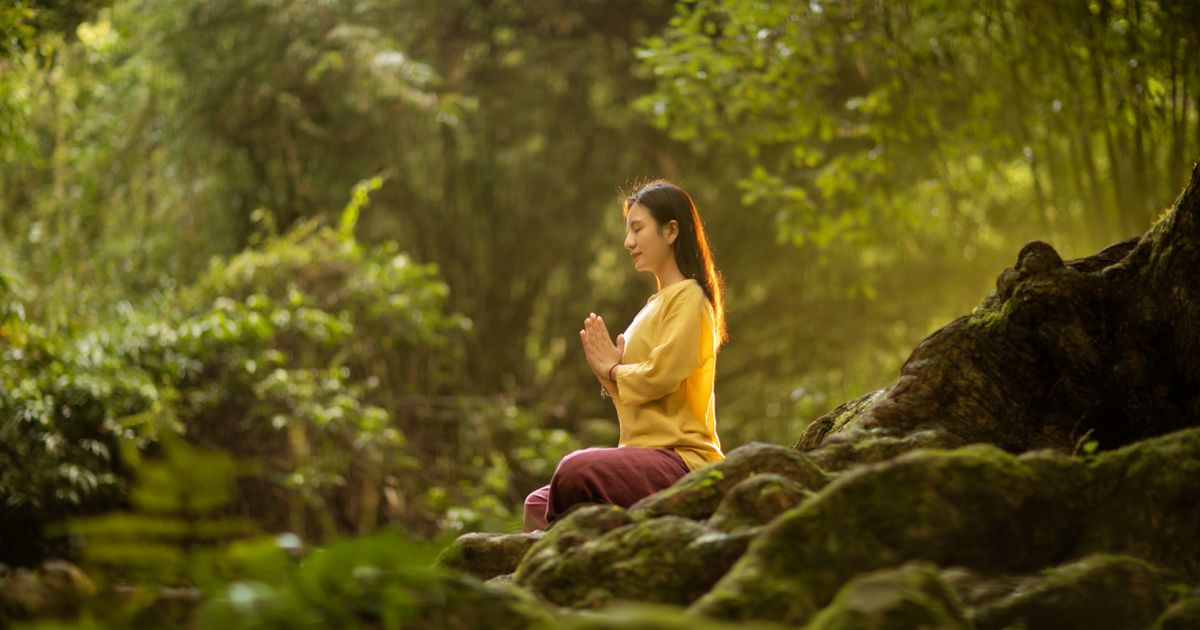
Photo by Alesia Kozik on Pexels
Latest Research and Expert Insights
The past five years have seen unprecedented validation of nature therapy’s medical applications. A 2023 meta-analysis in the Journal of Affective Disorders examined 41 independent studies totaling 20,000 participants and found that forest bathing reduced symptoms of major depressive disorder by 26% and generalized anxiety disorder by 31% when practiced for at least 120 minutes weekly. The analysis controlled for placebo effects and confirmed these benefits persisted for up to three months post-intervention.
Leading immunologist Dr. Qing Li, author of “Forest Bathing: The Japanese Art of Shinrin-Yoku,” reports that regular forest therapy increases cancer-fighting NK cells by 30-40% and may reduce tumor growth rates in preclinical models. His research team at Nippon Medical School discovered that phytoncide exposure enhances the body’s production of anti-cancer proteins like perforin, granzyme A, and granulysin by stimulating CD16+ NK cells. These findings suggest potential adjunctive applications in oncology support care.
Emerging research directions include the development of “micro forest” interventions for urban environments, where researchers are testing the minimum viable forest size needed to achieve health benefits. Initial findings from Tokyo Metropolitan University indicate that even 0.1 hectare patches of carefully selected tree species can produce measurable reductions in stress biomarkers. Additionally, wearable technology studies are exploring how real-time phytoncide detection could personalize forest therapy prescriptions based on individual physiological responses.
- Key Finding: A 2022 study in Scientific Reports found that forest bathing reduced post-traumatic stress symptoms by 43% in veterans when combined with traditional therapy, suggesting applications for trauma recovery programs.
- Expert Consensus: The American Psychological Association’s 2023 position paper recommends nature therapy as first-line treatment for mild-to-moderate stress and anxiety, citing its safety profile and lack of adverse interactions with medications.
- Future Directions: Researchers at Harvard Medical School are investigating whether forest bathing can mitigate cognitive decline in aging populations, with preliminary trials showing 18% improvement in executive function tests after 12 weeks of biweekly sessions.
Frequently Asked Questions
What is the minimum effective dose of forest bathing to achieve measurable benefits?
Research consistently points to 120 minutes per week as the threshold for measurable physiological changes, though benefits begin accumulating after just 20 minutes of practice. A 2020 study in Environmental Science & Technology found that participants who engaged in 15-minute daily sessions showed significant reductions in cortisol and improvements in immune function within two weeks. The key lies in consistency rather than duration – regular micro-doses prove more effective than occasional long sessions.
Can forest bathing replace conventional treatments for diagnosed mental health conditions?
Nature therapy should complement, not replace, evidence-based treatments for diagnosed conditions. While forest bathing shows promise as an adjunct therapy for mild-to-moderate depression and anxiety, it has not been validated as a standalone treatment for severe psychiatric disorders. A 2023 consensus statement from the Royal College of Psychiatrists emphasizes that patients with major depressive disorder, bipolar disorder, or psychotic conditions should continue their prescribed treatments while incorporating nature therapy as supportive care.
How does urban green space compare to actual forest environments for health benefits?
While all green spaces provide measurable benefits, forest environments offer superior outcomes due to higher phytoncide concentrations and reduced noise pollution. A 2021 comparative study in Urban Forestry & Urban Greening found that urban parks reduced cortisol by 13% while forests achieved 34% reductions. The difference stems from tree species diversity in forests versus monoculture plantings in urban parks. However, even small urban green spaces provide significant benefits – a 2022 study in the Journal of Urban Health showed that 30 minutes in neighborhood parks reduced stress biomarkers by 18% regardless of tree density.
Is there any scientific basis for the claim that forest bathing boosts immunity?
The immunological benefits of forest bathing are among the most thoroughly documented effects in nature therapy research. A 2019 Korean study published in the International Journal of Environmental Research and Public Health found that phytoncide exposure increased NK cell activity by 56% and reduced pro-inflammatory markers like C-reactive protein by 21%. The mechanism involves stimulation of the aryl hydrocarbon receptor pathway, which enhances immune surveillance. While these effects are temporary (lasting 7-30 days post-exposure), regular practice creates cumulative benefits that may contribute to long-term immune resilience.
Conclusion and Key Takeaways
Forest bathing represents a convergence of ancient wisdom and modern medical validation, offering a low-cost, accessible intervention for some of society’s most pressing health challenges. The practice’s benefits extend from measurable reductions in stress hormones to potential applications in cancer care and mental health support. What makes forest therapy particularly compelling is its safety profile – with no known adverse effects when practiced appropriately, and interactions only with standard medications.
Begin your journey with small, consistent steps: start with 20-minute sessions in the nearest accessible green space, prioritizing sensory engagement over physical exertion. Track your physiological responses – notice improvements in sleep quality, digestion, and emotional regulation within two to four weeks. Most importantly, consult with your healthcare provider to integrate nature therapy into your existing health regimen, especially if you have pre-existing conditions. The forest waits not as an escape from modern life, but as a partner in your wellness journey.
