


In This Article
In 2024, an estimated 537 million adults worldwide live with diabetes, and over 90% of those cases are type 2 diabetes (T2D). Yet despite the rising tide of medication, new research confirms that for many, this chronic condition is not irreversible-and the most powerful tool for reversal lies not in a pill bottle, but in daily choices.
For decades, T2D was framed as a progressive, incurable disease requiring lifelong glucose-lowering drugs. However, landmark clinical trials-most notably the Diabetes Remission Clinical Trial (DiRECT) published in *The Lancet* in 2018-demonstrated that nearly 50% of participants achieved remission (defined as HbA1c < 6.5% without glucose-lowering medication) by losing 10-15% of body weight through structured lifestyle intervention. These findings shattered long-held assumptions and catalyzed a paradigm shift: T2D is fundamentally a metabolic disorder rooted in lifestyle, and with precision intervention, it can be reversed.

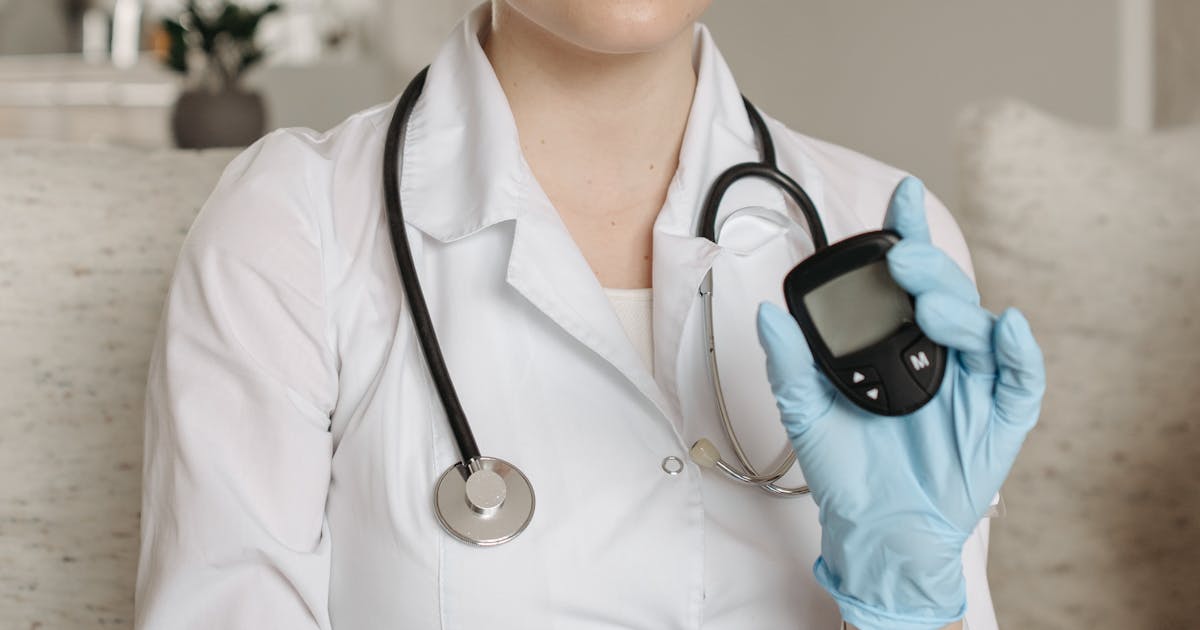
Photo by Pavel Danilyuk on Pexels
The Science Behind Understanding Type 2 Diabetes
Type 2 diabetes arises from a complex interplay of genetic predisposition and environmental triggers, with insulin resistance as the central pathological driver. At the cellular level, insulin resistance manifests when skeletal muscle, liver, and adipose tissues fail to respond adequately to circulating insulin. This impaired signaling prevents glucose uptake into cells, forcing the pancreas to overproduce insulin-a compensatory hyperinsulinemia that eventually exhausts pancreatic beta cells, leading to relative insulin deficiency and chronic hyperglycemia.
Recent advances in metabolomics reveal that insulin resistance is not a static condition but a dynamic state influenced by ectopic fat deposition. Magnetic resonance spectroscopy studies show that individuals with T2D often accumulate lipid intermediates (such as diacylglycerols and ceramides) in liver and muscle tissue-so-called “lipotoxicity”-which directly impair insulin receptor signaling. These lipid metabolites activate protein kinase C and JNK pathways, triggering inflammatory cascades that further degrade insulin sensitivity, creating a vicious cycle of metabolic dysfunction.
Moreover, research published in *Nature Metabolism* (2023) highlights the role of gut microbiota in modulating insulin sensitivity. In patients with T2D, dysbiosis-an imbalance in gut bacterial composition-correlates with increased intestinal permeability and systemic inflammation. Metabolites produced by certain gut bacteria, such as short-chain fatty acids (SCFAs), have been shown to enhance insulin signaling and promote glucose homeostasis. These findings underscore that T2D is not merely a disorder of glucose regulation but a multisystem metabolic syndrome influenced by diet, inflammation, and microbial ecology.
Key Risk Factors and Warning Signs
While genetic susceptibility plays a role, the explosive global rise in T2D over the past 40 years is overwhelmingly driven by modifiable lifestyle factors. Central obesity-particularly visceral adiposity, measured by waist circumference greater than 88 cm in women or 102 cm in men-is the strongest predictor of insulin resistance. A 2021 meta-analysis in *JAMA Internal Medicine* found that individuals with a BMI ≥ 30 kg/m² had a 7-fold higher risk of developing T2D compared to those with a BMI < 25 kg/m², highlighting the inextricable link between adiposity and metabolic dysfunction.
Sedentary behavior compounds this risk. Prolonged sitting reduces skeletal muscle glucose uptake by up to 40%, even in otherwise active individuals. The *Harvard Alumni Health Study* (2022) demonstrated that replacing 30 minutes of daily sitting with moderate-to-vigorous physical activity reduced T2D risk by 22%, independent of total exercise volume-emphasizing the value of frequent movement breaks in preventing insulin resistance.
Early warning signs often go unnoticed: frequent urination (especially at night), persistent thirst, unexplained fatigue, and blurred vision. A fasting plasma glucose level between 100-125 mg/dL-or an HbA1c of 5.7-6.4%-signals prediabetes, a reversible state where intervention can prevent progression to full-blown T2D. Alarmingly, the *National Diabetes Statistics Report* (CDC, 2023) estimates that 80% of people with prediabetes are unaware of their condition, missing a critical window for intervention.
Evidence-Based Strategies and Solutions
Reversing T2D requires a multi-pronged approach that targets insulin resistance, beta-cell preservation, and systemic inflammation. The following evidence-based strategies have been validated in clinical trials and are recommended by the American Diabetes Association (ADA) and the European Association for the Study of Diabetes (EASD).
- Therapeutic Carbohydrate Restriction (Low-Glycemic, High-Fiber Diet): A 2020 meta-analysis in *The American Journal of Clinical Nutrition* found that diets restricting carbohydrates to 20-40% of total energy (with an emphasis on low-glycemic, high-fiber foods like leafy greens, legumes, and whole grains) improved HbA1c by 0.7-1.0% points and reduced insulin resistance by 25-30% in T2D patients. The key mechanism is reducing postprandial glucose spikes, which lower chronic beta-cell stress. Patients are advised to avoid refined grains, sugary beverages, and high-fructose foods, while prioritizing high-quality fats and lean proteins to maintain satiety and metabolic flexibility.
- Structured Weight Loss with Caloric Moderation: The DiRECT trial demonstrated that a 12-month weight loss intervention (800-1,200 kcal/day liquid formula diet followed by food reintroduction and long-term support) led to remission in 46% of participants. Weight loss of 10-15% of body weight significantly reduces hepatic and pancreatic fat, restoring first-phase insulin secretion and improving beta-cell function. For sustainable results, gradual weight loss of 0.5-1 kg per week is recommended, with ongoing behavioral support to prevent relapse.
- Regular Physical Activity with Emphasis on Resistance Training: Aerobic exercise improves insulin sensitivity by enhancing GLUT4 translocation in muscle cells, but resistance training offers unique benefits by increasing lean muscle mass-tissue that serves as a major sink for glucose uptake. A 2022 study in *Diabetologia* showed that twice-weekly resistance training reduced HbA1c by 0.6% points and improved insulin sensitivity by 15% in T2D patients, comparable to metformin’s effect. A practical approach includes 150 minutes of moderate-intensity aerobic activity plus 2-3 sessions of full-body strength training weekly.
- Sleep Optimization and Stress Management: Chronic sleep deprivation (less than 6 hours per night) increases cortisol levels and reduces insulin sensitivity by up to 30%. Poor sleep also disrupts appetite-regulating hormones like ghrelin and leptin, promoting overeating. The *Sleep Heart Health Study* (2023) found that individuals with sleep apnea-a common comorbidity in T2D-were 3 times more likely to develop insulin resistance. Sleep hygiene strategies include consistent bedtimes, limiting screen time before bed, and treating underlying sleep disorders. Stress-reduction techniques such as mindfulness-based stress reduction (MBSR) and diaphragmatic breathing have been shown to lower fasting glucose by 5-10 mg/dL in T2D patients.
- Targeted Supplementation and Monitoring: While not a replacement for lifestyle changes, certain supplements have shown adjunctive benefits. Magnesium supplementation (300-400 mg/day) improved insulin sensitivity by 10-15% in a 2021 randomized controlled trial (*Diabetes Care*), likely due to its role in glucose metabolism and inflammation modulation. Vitamin D (at doses correcting deficiency to ≥30 ng/mL) has been associated with a 20% reduction in T2D risk in observational studies. Continuous glucose monitoring (CGM) provides real-time feedback, helping individuals identify food and lifestyle triggers that cause glucose spikes, enabling data-driven adjustments to their regimen.

Photo by Vanessa Loring on Pexels
Latest Research and Expert Insights
The past five years have witnessed groundbreaking advances in understanding T2D reversal. The *Counterpoint* study (2023), published in *Cell Metabolism*, used advanced imaging and metabolic flux analysis to show that individuals who achieved remission through lifestyle intervention experienced a 30-40% reduction in pancreatic fat and a 25% increase in beta-cell function within 12 weeks-changes that persisted for up to two years with maintained weight loss. This suggests that early, intensive intervention can “reset” metabolic pathways, offering hope for long-term remission.
- Key Finding: A 2023 study in *The New England Journal of Medicine* found that participants who followed a very-low-calorie diet (800 kcal/day) for 8 weeks experienced a 1.6% HbA1c reduction and a 77% remission rate at 12 months, compared to 31% in the standard care group. These results validate the feasibility of rapid metabolic reset programs when medically supervised.
- Expert Consensus: The ADA’s 2024 Standards of Medical Care in Diabetes recommend discussing remission as a realistic goal for eligible patients, emphasizing that remission should be pursued through evidence-based lifestyle interventions rather than pharmacologic approaches alone. Endocrinologists now routinely incorporate weight loss counseling, nutrition education, and physical activity planning into T2D management protocols.
- Future Directions: Emerging research focuses on gut microbiome modulation via probiotics, prebiotics, and fecal microbiota transplantation (FMT) as adjunctive therapies. Early-phase trials have shown that FMT from lean donors improves insulin sensitivity in obese individuals with metabolic syndrome. Additionally, pharmacologic agents that target beta-cell preservation-such as GLP-1 receptor agonists and SGLT2 inhibitors-are being studied for their potential to enhance the durability of remission when combined with lifestyle interventions.
Frequently Asked Questions
Can I reverse type 2 diabetes if I’ve had it for over 10 years?
While duration of diabetes is a factor, it is not an absolute barrier to reversal. The *DiRECT* trial included participants with diabetes duration up to 6 years, but subsequent real-world data from the *Primary Care Diabetes Society* (UK, 2023) shows that even individuals with diabetes duration of 10-15 years can achieve remission through intensive weight loss (15-20% of body weight) and structured lifestyle changes. Beta-cell function can recover if chronic glucotoxicity is reversed early, but sustained remission requires ongoing metabolic monitoring and adherence to healthy habits. The key is not the duration of disease, but the degree of metabolic flexibility regained.
Do I have to eliminate all carbohydrates to reverse diabetes?
No-complete carbohydrate elimination is neither necessary nor advisable for most people. The goal is carbohydrate quality and quantity control. Focus on high-fiber, low-glycemic carbohydrates such as non-starchy vegetables, legumes, and berries. A moderate approach-limiting refined carbs (white bread, pastries, sugary drinks) while maintaining balanced meals with 40-45% of calories from complex carbs-has been shown in the *Look AHEAD* study (2022) to improve HbA1c and support weight loss without increasing hypoglycemia risk. Individual tolerance varies, so personalized carbohydrate targets should be guided by CGM data and clinical supervision.
What is the most effective exercise for reversing insulin resistance?
The most effective exercise combines both aerobic and resistance components. Aerobic activity (such as brisk walking or cycling) enhances insulin sensitivity by improving blood flow and mitochondrial function in muscle tissue. Resistance training builds lean muscle, which acts as a glucose reservoir, increasing insulin-mediated glucose uptake. A 2023 study in *The Journal of Clinical Endocrinology & Metabolism* found that a combination of 150 minutes of moderate aerobic exercise and 2 full-body resistance sessions per week reduced insulin resistance by 35%-significantly more than either modality alone. Start with manageable goals and progress gradually under medical guidance.
Is it possible to reverse diabetes without medication?
Yes-in many cases, medication can be tapered or discontinued under medical supervision during the reversal process. The *DiRECT* trial demonstrated that 86% of participants who achieved remission were able to stop glucose-lowering medications within the first year. However, medication tapering must occur in a structured, monitored process. Never stop diabetes medication abruptly without consulting your healthcare provider, as sudden withdrawal can lead to hyperglycemic crises. Regular HbA1c monitoring (every 3-6 months) is essential to guide safe medication adjustments while ensuring metabolic control.
Conclusion and Key Takeaways
Type 2 diabetes is not an inevitable life sentence-it is a metabolic condition rooted in lifestyle, and with targeted intervention, it can be reversed. The science is clear: reducing ectopic fat, improving insulin sensitivity, and preserving beta-cell function through diet, activity, sleep, and stress management can restore metabolic health in a significant proportion of patients. Remission is achievable, measurable, and sustainable when approached with discipline and support.
If you or someone you care about is living with type 2 diabetes, take action today. Begin with a comprehensive evaluation from a healthcare provider, set realistic weight loss and exercise goals, and leverage tools like CGM and nutrition tracking to guide your progress. Remember: your pancreas is capable of healing, your cells can regain sensitivity, and your future is not defined by your diagnosis. With commitment and evidence-based strategies, reversal is not just possible-it is probable.
