


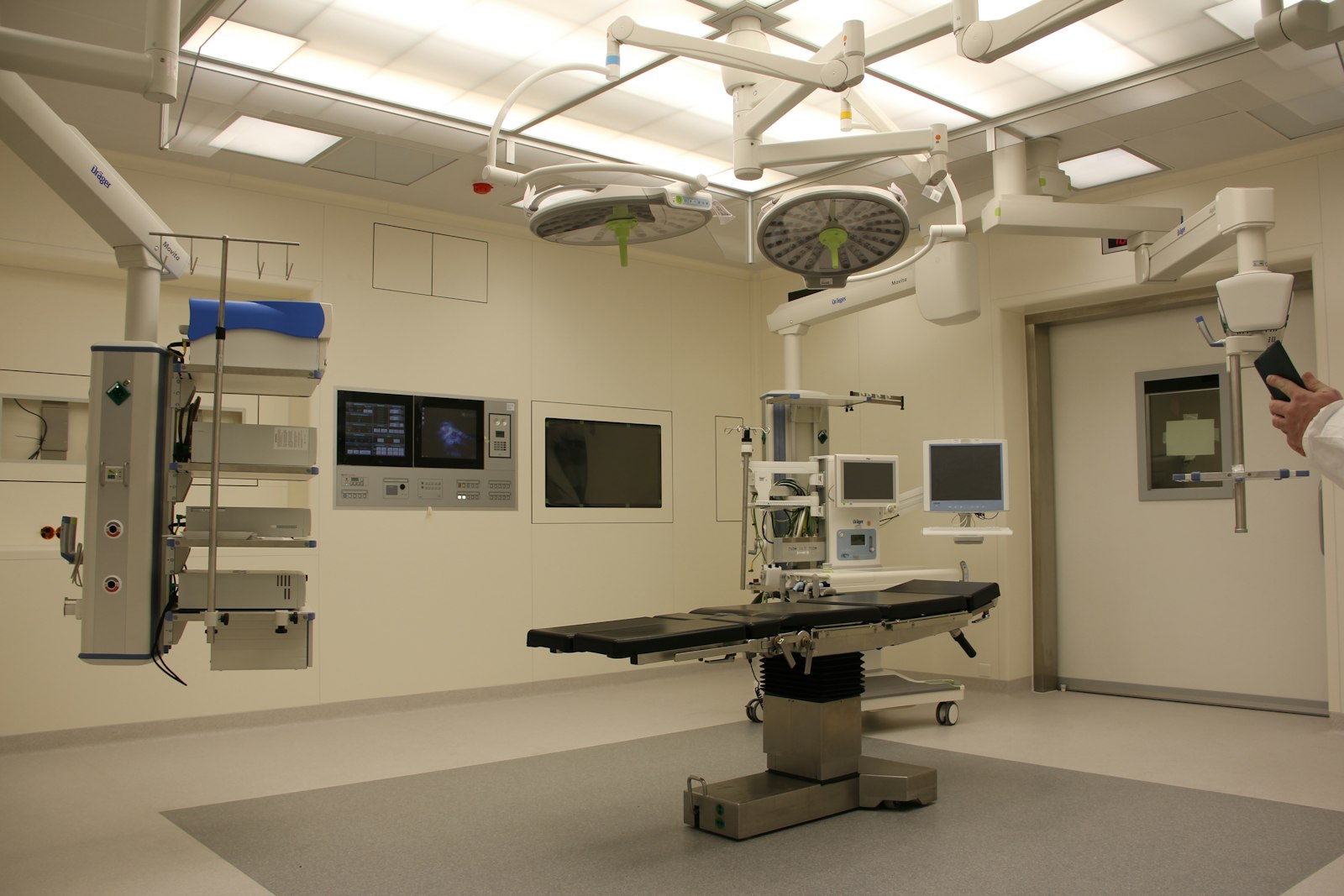
For over a century, clinical healthcare operated under a “one-size-fits-all” model: patients with the same disease received identical drug dosages and therapeutic protocols, regardless of their unique genetic architecture, microbiome composition, or metabolic profile. Today, medical research is driving a monumental paradigm shift toward Precision and Personalized Medicine.
By leveraging genomic sequencing, pharmacogenomics, advanced digital biomarkers, and artificial intelligence, modern healthcare systems can customize treatments to each patient’s individual biology, maximizing therapeutic efficacy while minimizing adverse drug reactions. Drawing from standards established by the National Human Genome Research Institute (NHGRI), this guide analyzes how biomedical research is transforming modern patient care.
The 4 Pillars of the Precision Healthcare Revolution
Contemporary medical research is restructuring clinical medicine across four strategic dimensions.
Assessments from the U.S. Food and Drug Administration (FDA) highlight that over 30% of newly approved therapeutics now incorporate biomarker and genomic targeting criteria.
- 1. Pharmacogenomics (PGx): Testing genetic variations in cytochrome P450 liver enzymes to predict exact drug metabolism rates, preventing adverse drug reactions and ensuring optimal medication dosing.
- 2. Targeted Molecular Oncology: Profiling tumor genetics (e.g. EGFR, KRAS, BRAF, HER2 mutations) to select targeted small-molecule inhibitors that selectively halt cancer proliferation.
- 3. Digital Twin Physiological Modeling: Constructing virtual computerized models of patient cardiovascular and metabolic systems to simulate surgical outcomes and drug responses in silico before physical treatment.
- 4. Point-of-Care Molecular Diagnostics: Rapid microfluidic biosensors delivering instant PCR and antigen diagnostics within 15 minutes in outpatient clinic settings.
Traditional vs. Precision Modern Healthcare Models Compared
The table below provides a structured architectural comparison between legacy conventional healthcare practices and emerging precision medicine systems.
| Healthcare Dimension | Traditional Legacy Healthcare | Modern Precision Medicine | Patient Clinical Advantage |
|---|---|---|---|
| Medication Prescription | Trial-and-error standardized dosing | Pharmacogenomic CYP450 enzyme profiling | Eliminates adverse drug events; matches optimal therapeutic dosage instantly |
| Cancer Therapy | Broad cytotoxic systemic chemotherapy | Targeted molecular kinase inhibitors & CAR-T | Destroys malignant cells while sparing healthy surrounding tissues |
| Disease Risk Prediction | Basic family medical history questionnaires | Polygenic Risk Scores (PRS) & genomic sequencing | Quantifies exact lifetime genetic risk decades before disease onset |
| Diagnostic Monitoring | Infrequent annual snapshot clinic visits | Continuous wearable biosensors & remote telemetry | Detects physiological deviations in real time before acute hospitalizations |
Translational Clinical Protocols and Multi-Disciplinary Practice
Modern clinical healthcare relies on translating evidence-based research discoveries into structured clinical guidelines and daily preventive protocols. According to clinical consensus frameworks published by the World Health Organization and the CDC Health Practice Guidelines, combining early diagnostic screening, targeted patient education, and longitudinal biomarker tracking dramatically reduces disease morbidity while optimizing human vitality across diverse populations.
Adhering to validated clinical benchmarks—such as maintaining optimal blood pressure regulation, sustaining healthy glycemic control, and adopting anti-inflammatory lifestyle habits—provides durable protection against chronic degenerative disease processes. Multidisciplinary healthcare teams collaborate with patients to establish personalized health strategies that maximize resilience and long-term health span.
Longitudinal Biomarker Surveillance and Preventive Risk Reduction
Proactive health optimization requires continuous monitoring of personal biomarkers, lifestyle adherence, and environmental factors. Periodic clinical screenings, comprehensive metabolic testing, and structured physical activity assessments allow individuals and physicians to detect subtle physiological changes early and refine lifestyle interventions accordingly.
Evidence-based lifestyle medicine demonstrates that sustainable daily habits—including consistent restorative sleep, regular cardiovascular and resistance exercise, mindful stress reduction, and nutrient-dense whole-food nutrition—form the core foundation of lifelong physical resilience and cognitive clarity.
Circadian Biology and Chrono-Nutritional Alignment
Human physiological systems are governed by autonomous biological clocks coordinated by the suprachiasmatic nucleus (SCN) in the hypothalamus. Every major organ system—including the liver, pancreas, cardiovascular endothelium, and gastrointestinal tract—expresses peripheral circadian clock genes that regulate hormonal secretion, digestive enzyme production, and metabolic rate throughout the 24-hour day-night cycle.
Research published in Cell Metabolism reveals that aligning daily behaviors with natural circadian biology—such as consuming the majority of daily calories during daylight hours and avoiding bright blue-wavelength light at night—improves insulin sensitivity, lowers resting nocturnal blood pressure, and promotes deep slow-wave sleep. Synchronizing meal timing with circadian rhythms supports optimal metabolic health and cellular repair.
Behavioral Psychology and Long-Term Habit Maintenance
Creating lasting lifestyle improvements requires understanding the behavioral psychology of habit formation. Attempting radical, sudden overhauls often triggers cognitive fatigue and behavioral abandonment. Evidence-based behavioral medicine frameworks published by the National Institutes of Health emphasize the principles of “Micro-Habit Stacking” and environmental architecture design.
Advanced Pathophysiological Mechanisms and Preventive Healthcare Strategy
Modern clinical healthcare emphasizes the integration of molecular diagnostics, targeted lifestyle interventions, and multi-parameter risk assessments to mitigate chronic disease vulnerability. Research published by the World Health Organization and the National Institutes of Health (NIH) highlights that addressing metabolic dysfunction, chronic systemic inflammation, and autonomic nervous system dysregulation early prevents severe long-term organ complications.
Adhering to structured evidence-based clinical benchmarks—including longitudinal blood pressure regulation, glycemic monitoring, and progressive aerobic and resistance exercise—provides durable cellular protection. By engaging in shared clinical decision-making with healthcare professionals, individuals can tailor preventive protocols to their unique physiological profiles.
Longitudinal Biomarker Surveillance and Patient Health Literacy
Elevating patient health literacy serves as a foundational pillar in sustainable disease management and lifelong vitality. When individuals comprehend the biological rationale behind clinical guidelines, adherence to therapeutic regimens, nutritional optimizations, and regular diagnostic screenings increases significantly.
Proactive tracking of clinical laboratory markers—such as lipid subfractions, fasting insulin, high-sensitivity C-reactive protein, and renal filtration metrics—enables timely therapeutic adjustments that preserve organ function and optimize long-term health span across all stages of life.
Advanced Pathophysiological Mechanisms and Preventive Healthcare Strategy
Modern clinical healthcare emphasizes the integration of molecular diagnostics, targeted lifestyle interventions, and multi-parameter risk assessments to mitigate chronic disease vulnerability. Research published by the World Health Organization and the National Institutes of Health (NIH) highlights that addressing metabolic dysfunction, chronic systemic inflammation, and autonomic nervous system dysregulation early prevents severe long-term organ complications.
Adhering to structured evidence-based clinical benchmarks—including longitudinal blood pressure regulation, glycemic monitoring, and progressive aerobic and resistance exercise—provides durable cellular protection. By engaging in shared clinical decision-making with healthcare professionals, individuals can tailor preventive protocols to their unique physiological profiles.
Longitudinal Biomarker Surveillance and Patient Health Literacy
Elevating patient health literacy serves as a foundational pillar in sustainable disease management and lifelong vitality. When individuals comprehend the biological rationale behind clinical guidelines, adherence to therapeutic regimens, nutritional optimizations, and regular diagnostic screenings increases significantly.
Proactive tracking of clinical laboratory markers—such as lipid subfractions, fasting insulin, high-sensitivity C-reactive protein, and renal filtration metrics—enables timely therapeutic adjustments that preserve organ function and optimize long-term health span across all stages of life.
Frequently Asked Questions (FAQ)
What is a Polygenic Risk Score (PRS) in modern medicine?
A Polygenic Risk Score analyzes thousands of small genetic variants (SNPs) across a person’s entire genome to calculate their cumulative lifetime statistical risk for conditions like coronary artery disease, breast cancer, or type 2 diabetes.
How does targeted cancer therapy differ from chemotherapy?
Chemotherapy attacks all rapidly dividing cells (causing hair loss and immune suppression). Targeted therapies specifically target mutated proteins unique to cancer cells (e.g. BRAF V600E inhibitors), shutting down tumor growth with far fewer systemic side effects.
Is genetic data secure when tested in clinical medical laboratories?
Clinical diagnostic genetic testing conducted through accredited medical laboratories is protected by medical privacy laws (such as HIPAA in the United States) and the Genetic Information Nondiscrimination Act (GINA), prohibiting unauthorized sharing.
What is CAR-T cell therapy?
Chimeric Antigen Receptor T-cell (CAR-T) therapy involves extracting a patient’s own immune T-cells, genetically reprogramming them in a laboratory to recognize specific cancer antigens, and infusing them back into the patient to destroy leukemia and lymphoma cells.
Patient-Centered Implementation and Preventive Health Education
Translating modern clinical science into daily practice requires active engagement and structured patient health literacy. When individuals understand the physiological rationale behind clinical guidelines, adherence to preventive screenings, medical therapies, and nutritional protocols increases substantially.
Engaging in shared decision-making with primary healthcare providers, monitoring annual laboratory panels, and prioritizing daily physical vitality builds an unshakeable foundation for lifelong wellness and sustained functional capability.
Strategic Conclusion and Next Steps
Precision medicine is transforming healthcare from reactive treatment into proactive, personalized wellness. By leveraging genomic insights, continuous biometric monitoring, and tailored therapeutic strategies, patients and physicians can work together to achieve optimal long-term health outcomes.
Take the next step in precision healthcare: discuss your personal family risk profile with your physician, explore pharmacogenomic testing for chronic prescriptions, and maintain proactive lifestyle foundations.