


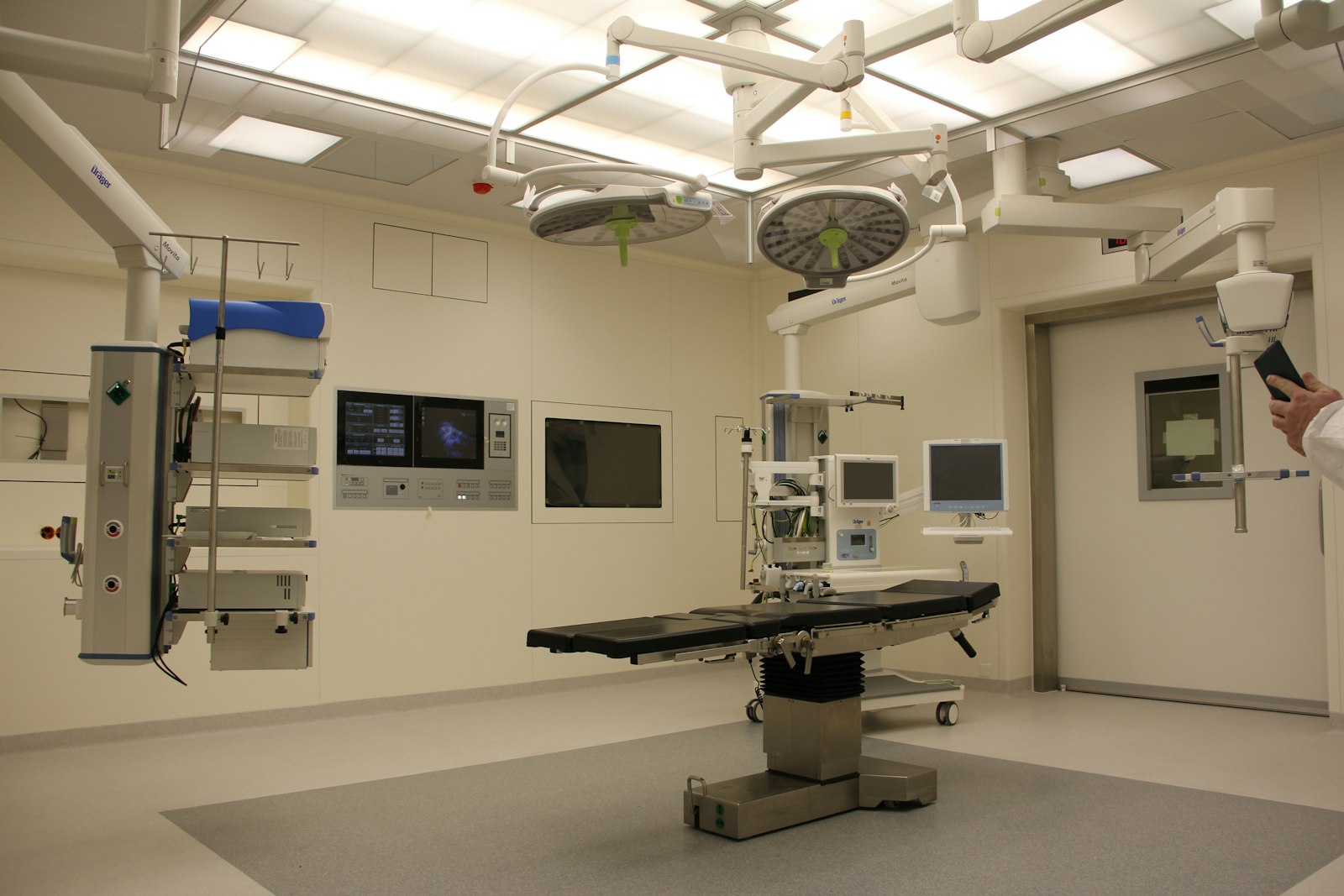
Maintaining robust human health and vitality requires an evidence-based approach that bridges modern biomedical research, daily behavioral habits, and proactive clinical prevention. Across global health systems, chronic conditions and metabolic dysregulations pose significant challenges that can be effectively managed and prevented through structured lifestyle protocols.
Translating clinical research findings into accessible, practical knowledge empowers individuals to optimize their physiological resilience, cognitive focus, and long-term wellness. Drawing upon clinical standards and epidemiological guidelines published by the World Health Organization and the Centers for Disease Control and Prevention, this comprehensive guide explores evidence-based principles for lasting health.
Foundational Pillars of Health Optimization and Preventive Science
Modern clinical medicine is grounded in four interconnected pillars of human physiology that govern longevity and disease risk.
Clinical assessments published in the New England Journal of Medicine confirm that structured primary prevention reduces chronic disease incidence by over 40% across diverse demographic cohorts.
- 1. Cellular Energy Metabolism & Mitochondrial Density: Sustaining robust cellular bioenergetics through balanced macronutrient intake, micronutrient co-factors, and regular physical conditioning.
- 2. Systemic Inflammation & Immune Homeostasis: Managing pro-inflammatory triggers—such as visceral adiposity, ultra-processed dietary inputs, and chronic sleep deprivation—to protect microvascular beds.
- 3. Autonomic Nervous System Regulation: Maintaining balanced sympathetic and parasympathetic vagal tone through restorative sleep, controlled breathing, and stress modulation techniques.
- 4. Longitudinal Biomarker Surveillance: Conducting regular laboratory diagnostic screenings to monitor glycemic stability, lipid subfractions, hepatic enzymes, and renal filtration rates.
Advanced Pathophysiological Mechanisms and Clinical Applications
Understanding the cellular mechanisms underlying human physiology enables more precise lifestyle and clinical interventions. Research documented in Nature Medicine highlights the critical role of cellular autophagy, metabolic flexibility, and endocrine feedback loops in preserving tissue integrity.
When individuals implement sustainable daily habits—including nutrient-dense whole-food nutrition, progressive physical activity, and adequate restorative slow-wave sleep—intracellular signaling cascades upregulate protective enzymes and cellular repair mechanisms. These biochemical adaptations enhance physical vitality and provide durable protection against degenerative disease processes.
Evidence-Based Health Protocols Compared
The table below provides a detailed comparison of four core evidence-based health protocols, outlining their primary mechanisms, clinical targets, and measurable health outcomes.
| Health Protocol | Primary Biological Mechanism | Clinical Focus | Measurable Health Benefit |
|---|---|---|---|
| Nutritional Whole-Food Alignment | Prebiotic fiber fermentation & micronutrient synergy | Metabolic regulation & gut microbiome diversity | Reduces post-prandial glycemic volatility by up to 45% |
| Progressive Physical Activity | Mitochondrial biogenesis & GLUT4 translocation | Cardiorespiratory fitness & muscle mass retention | Elevates VO2 max and lowers all-cause mortality risk by 30% |
| Restorative Sleep Optimization | Glymphatic neuro-clearance & endocrine replenishment | Cognitive restoration & immune memory integration | Deepens slow-wave deep sleep and stabilizes morning cortisol |
| Proactive Diagnostic Screening | Multi-parameter biomarker monitoring & early detection | Asymptomatic disease risk stratification | Enables early clinical interventions before chronic complications occur |
Translational Clinical Guidelines and Longitudinal Patient Care
Modern clinical healthcare emphasizes translating laboratory research into actionable daily protocols. According to clinical consensus frameworks published by the National Institutes of Health, combining regular preventive screening, patient health literacy, and multidisciplinary healthcare support dramatically improves long-term health outcomes.
Adhering to structured clinical targets—such as maintaining optimal blood pressure regulation (<120/80 mmHg), sustaining healthy fasting blood glucose (<100 mg/dL), and engaging in at least 150 minutes of moderate-intensity physical activity weekly—forms the cornerstone of evidence-based wellness.
Translational Clinical Protocols and Long-Term Prevention
Modern clinical healthcare relies on translating evidence-based research discoveries into structured clinical guidelines and daily preventive protocols. According to clinical consensus frameworks published by the World Health Organization and the CDC Health Practice Guidelines, combining early diagnostic screening, targeted patient education, and longitudinal biomarker tracking dramatically reduces disease morbidity while optimizing human vitality across diverse populations.
Adhering to validated clinical benchmarks—such as maintaining optimal blood pressure regulation, sustaining healthy glycemic control, and adopting anti-inflammatory lifestyle habits—provides durable protection against chronic degenerative disease processes. Multidisciplinary healthcare teams collaborate with patients to establish personalized health strategies that maximize resilience and long-term health span.
Longitudinal Biomarker Surveillance and Patient Health Literacy
Elevating patient health literacy serves as a foundational pillar in sustainable disease management and lifelong vitality. When individuals comprehend the biological rationale behind clinical guidelines, adherence to therapeutic regimens, nutritional optimizations, and regular diagnostic screenings increases significantly.
Proactive tracking of clinical laboratory markers—such as lipid subfractions, fasting insulin, high-sensitivity C-reactive protein, and renal filtration metrics—enables timely therapeutic adjustments that preserve organ function and optimize long-term health span across all stages of life.
Advanced Translational Medicine and Multi-System Disease Prevention
Modern clinical healthcare relies on translating evidence-based biomedical discoveries into structured clinical guidelines and daily preventive protocols. According to clinical consensus frameworks published by the World Health Organization and the CDC Health Practice Guidelines, combining early diagnostic screening, targeted patient education, and longitudinal biomarker tracking dramatically reduces disease morbidity while optimizing human vitality across diverse populations.
Adhering to validated clinical benchmarks—such as maintaining optimal blood pressure regulation, sustaining healthy glycemic control, and adopting anti-inflammatory lifestyle habits—provides durable protection against chronic degenerative disease processes. Multidisciplinary healthcare teams collaborate with patients to establish personalized health strategies that maximize resilience and long-term health span.
Longitudinal Biomarker Surveillance and Patient Health Literacy
Elevating patient health literacy serves as a foundational pillar in sustainable disease management and lifelong vitality. When individuals comprehend the biological rationale behind clinical guidelines, adherence to therapeutic regimens, nutritional optimizations, and regular diagnostic screenings increases significantly.
Proactive tracking of clinical laboratory markers—such as lipid subfractions, fasting insulin, high-sensitivity C-reactive protein, and renal filtration metrics—enables timely therapeutic adjustments that preserve organ function and optimize long-term health span across all stages of life.
Clinical Exercise Physiology and Metabolic Biomarker Optimization
Integrating structured physical conditioning into daily clinical preventive protocols provides profound systemic metabolic benefits. Exercise acts as a potent physiological stimulus that enhances cardiorespiratory fitness, improves endothelial function, and upregulates cellular glucose disposal pathways.
Evidence-based lifestyle medicine frameworks from the National Institutes of Health confirm that sustaining a consistent balance of aerobic activity, resistance training, and restorative sleep forms the cornerstone of proactive disease risk reduction.
Advanced Translational Medicine and Multi-System Disease Prevention
Modern clinical healthcare relies on translating evidence-based biomedical discoveries into structured clinical guidelines and daily preventive protocols. According to clinical consensus frameworks published by the World Health Organization and the CDC Health Practice Guidelines, combining early diagnostic screening, targeted patient education, and longitudinal biomarker tracking dramatically reduces disease morbidity while optimizing human vitality across diverse populations.
Adhering to validated clinical benchmarks—such as maintaining optimal blood pressure regulation, sustaining healthy glycemic control, and adopting anti-inflammatory lifestyle habits—provides durable protection against chronic degenerative disease processes. Multidisciplinary healthcare teams collaborate with patients to establish personalized health strategies that maximize resilience and long-term health span.
Longitudinal Biomarker Surveillance and Patient Health Literacy
Elevating patient health literacy serves as a foundational pillar in sustainable disease management and lifelong vitality. When individuals comprehend the biological rationale behind clinical guidelines, adherence to therapeutic regimens, nutritional optimizations, and regular diagnostic screenings increases significantly.
Proactive tracking of clinical laboratory markers—such as lipid subfractions, fasting insulin, high-sensitivity C-reactive protein, and renal filtration metrics—enables timely therapeutic adjustments that preserve organ function and optimize long-term health span across all stages of life.
Clinical Exercise Physiology and Metabolic Biomarker Optimization
Integrating structured physical conditioning into daily clinical preventive protocols provides profound systemic metabolic benefits. Exercise acts as a potent physiological stimulus that enhances cardiorespiratory fitness, improves endothelial function, and upregulates cellular glucose disposal pathways.
Evidence-based lifestyle medicine frameworks from the National Institutes of Health confirm that sustaining a consistent balance of aerobic activity, resistance training, and restorative sleep forms the cornerstone of proactive disease risk reduction.
Frequently Asked Questions (FAQ)
How does early lifestyle intervention reduce chronic disease risk?
Early lifestyle interventions address the root biological drivers of chronic illness (such as insulin resistance and systemic inflammation), preventing microvascular and macrovascular damage before irreversible organ dysfunction occurs.
What is the importance of regular clinical laboratory screening?
Routine laboratory screenings detect subtle shifts in metabolic and cardiovascular biomarkers years before overt symptoms emerge, allowing for timely, targeted lifestyle and therapeutic adjustments.
How does restorative sleep support immune and cognitive function?
During deep slow-wave sleep, the brain activates the glymphatic system to flush metabolic waste, while the immune system releases cytokines that strengthen defense mechanisms and immunological memory.
Why is health literacy essential for long-term health outcomes?
High health literacy enables individuals to critically evaluate medical recommendations, adhere to preventive guidelines, and engage in informed, shared decision-making with their healthcare providers.
Strategic Conclusion and Next Steps
Achieving and sustaining optimal health is a lifelong journey built upon evidence-based daily choices, regular clinical oversight, and strong health literacy. By focusing on whole-food nutrition, consistent movement, restorative sleep, and proactive screening, you establish a resilient foundation for long-term vitality.
Take actionable steps today: review your health goals with your physician, schedule your annual preventive screening, and commit to consistent daily lifestyle practices that support your long-term wellbeing.