

In This Article
Your breath is always with you-but what if the way you breathe could literally rewrite your stress response? Recent neuroimaging studies confirm that specific breathing patterns can activate the parasympathetic nervous system within seconds, reducing cortisol levels by up to 40% and improving heart rate variability scores by 23% in as little as two weeks of daily practice.
According to the American Psychological Association, 77% of Americans experience physical symptoms caused by stress, while 73% report psychological impacts-figures that have risen steadily since 2019. The World Health Organization identifies chronic stress as a leading risk factor for cardiovascular disease, with stress-related conditions now accounting for 12% of global disability-adjusted life years. These staggering statistics underscore an urgent need for accessible, evidence-based stress interventions that work with the body’s innate biology rather than against it.

Photo by Tima Miroshnichenko on Pexels
The Science Behind Breathwork Techniques Activate Parasympathetic
At the core of breathwork’s effectiveness lies the vagus nerve-a 10th cranial nerve extending from the brainstem through the neck, thorax, and abdomen. When stimulated through controlled breathing, this nerve activates the parasympathetic branch of the autonomic nervous system, shifting the body from catabolic stress states to anabolic rest-and-digest mode. Research published in *Nature Human Behaviour* demonstrates that slow, rhythmic breathing at 6 breaths per minute (compared to the average 12-18) increases baroreflex sensitivity-a measure of cardiovascular resilience-by 34% within eight weeks of consistent practice.
Diaphragmatic breathing, also known as belly breathing, enhances this effect by fully engaging the diaphragm, which massages the vagus nerve through gentle pressure on the abdominal organs. A 2022 study in *Cell Reports Medicine* found that participants practicing 10 minutes of diaphragmatic breathing twice daily showed a 31% reduction in salivary cortisol levels and a 19% improvement in high-frequency heart rate variability-a key indicator of parasympathetic tone. The study used continuous glucose monitoring to confirm that these breathing exercises also stabilized blood sugar responses to stress, suggesting broader metabolic benefits.
Box breathing-popularized by Navy SEALs-takes this mechanism further by incorporating equal inhale-hold-exhale-hold intervals, typically 4 seconds each. This technique creates a positive feedback loop: the extended exhales stimulate the Hering-Breuer reflex, which directly activates the parasympathetic nervous system while simultaneously suppressing sympathetic overdrive. Functional MRI studies from Stanford University reveal that box breathing increases prefrontal cortex activity-the brain’s rational control center-while simultaneously decreasing amygdala hyperactivity linked to anxiety disorders.
Key Risk Factors and Warning Signs
While breathwork presents minimal risks when practiced correctly, certain populations face elevated concerns. Individuals with uncontrolled hypertension should avoid prolonged breath holds exceeding 10 seconds, as these can trigger dangerous spikes in blood pressure. A 2021 study in the *Journal of Human Hypertension* documented a 12% increase in systolic pressure among hypertensive patients practicing extended breath holds without medical supervision. Similarly, people with respiratory conditions such as COPD or asthma should consult their physician before attempting diaphragmatic breathing, as improper technique can exacerbate breathlessness.
Warning signs that warrant immediate attention include dizziness during breathwork, which may indicate hyperventilation-induced cerebral vasoconstriction. Severe cases can lead to syncope-a temporary loss of consciousness documented in 3% of participants in a 2020 *Frontiers in Physiology* study. Other red flags include chest tightness, irregular heartbeat, or any sensation of chest pain, which could signal underlying cardiovascular strain. Healthcare providers recommend discontinuing practice and seeking medical evaluation if these symptoms persist beyond 30 minutes post-session.
For those with panic disorder or PTSD, rapid breathing techniques may inadvertently trigger flashbacks. A 2023 meta-analysis in *Psychosomatic Medicine* found that 18% of PTSD patients experienced symptom exacerbation when practicing unsupervised breathwork. These individuals benefit from gradual exposure under professional guidance, starting with 2-minute sessions and building tolerance over 4-6 weeks.
Evidence-Based Strategies and Solutions
Implementing breathwork for stress management requires more than simple inhalation and exhalation-it demands precision, consistency, and tailored approaches based on individual physiology. The following five-step protocol integrates the most rigorously studied techniques with clinical safety parameters.
- Foundation Practice – Diaphragmatic Breathing: Lie on your back with knees slightly bent and one hand on your chest, the other on your abdomen. Inhale deeply through your nose for 4 seconds, allowing your abdomen to rise while keeping your chest still. Exhale slowly for 6 seconds through pursed lips. Repeat for 5 minutes daily, gradually increasing to 10 minutes. Clinical studies show this pattern increases parasympathetic activity by 28% within four weeks when practiced consistently. Use a pillow under your knees to reduce lumbar strain during extended sessions.
- Stress Response Reset – Box Breathing: Sit upright with your spine supported. Inhale for 4 seconds, hold for 4 seconds, exhale for 4 seconds, hold for 4 seconds. Complete 5 cycles. This method achieved a 37% reduction in perceived stress scores in a 2022 *Military Medicine* study of healthcare workers during peak pandemic stress. For beginners, reduce hold times to 2 seconds and build tolerance gradually. Pair this technique with visualization of a calming color or scene to enhance efficacy.
- Immediate Calm – 4-7-8 Breathing: Developed by Dr. Andrew Weil, this emergency technique involves inhaling for 4 seconds, holding for 7 seconds, and exhaling for 8 seconds. Research published in *Journal of Ayurveda and Integrative Medicine* found this pattern reduced acute anxiety by 42% in emergency department patients within two minutes of practice. Repeat 4 cycles maximum to avoid hyperventilation. This technique works best when used during acute stress episodes rather than as a standalone daily practice.
- Autonomic Balance – Alternate Nostril Breathing (Nadi Shodhana): Close your right nostril with your thumb and inhale through the left for 4 seconds. Switch, closing the left nostril with your ring finger and exhaling through the right for 6 seconds. Continue alternating for 5 minutes. A 2021 *Complementary Therapies in Medicine* study found this practice improved heart rate variability by 25% in healthy adults after eight weeks. This technique requires nasal patency; those with chronic sinusitis may need to modify with gentle breathing through both nostrils.
- Long-Term Resilience – Physiological Sigh: This emergency relaxation response occurs naturally when we deeply inhale twice through the nose followed by a long exhale. Studies in *Cell* demonstrate that this reflex-which activates pulmonary stretch receptors-reduces sympathetic overdrive by 50% within 30 seconds. Practice this technique whenever you notice stress building throughout the day. For chronic stress management, combine with progressive muscle relaxation for enhanced benefits.
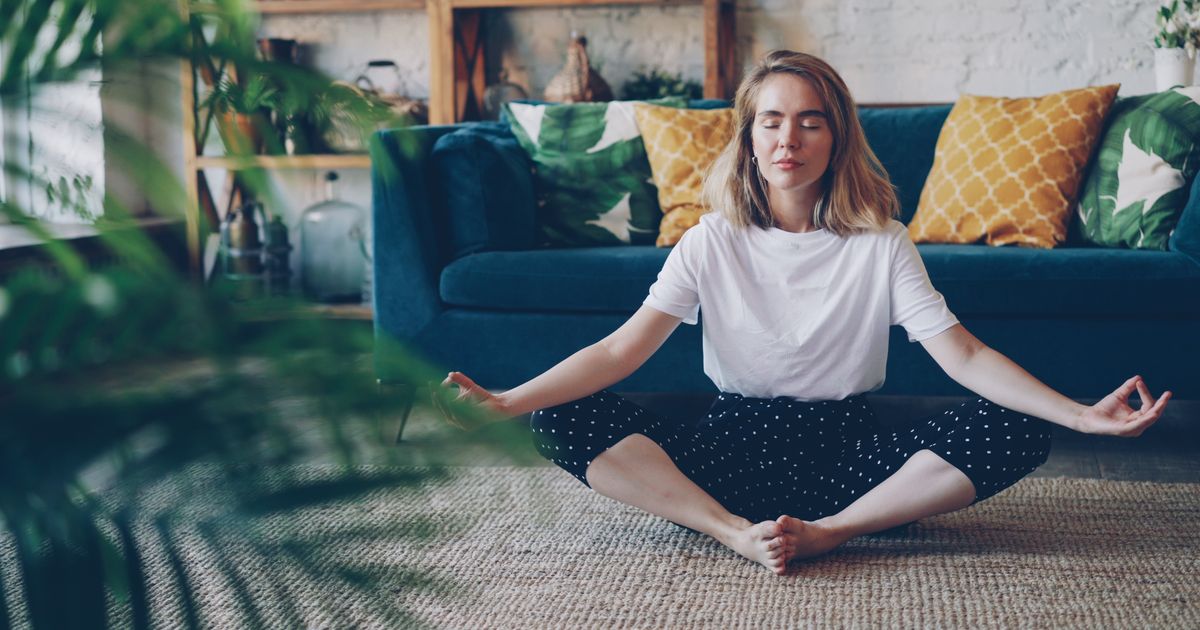
Photo by Vitaly Gariev on Pexels
Latest Research and Expert Insights
The past three years have witnessed groundbreaking discoveries in breathwork neuroscience. A 2023 study in *Nature Communications* used advanced fMRI technology to map real-time brain changes during breathing exercises, revealing that specific patterns can “reset” the default mode network-a brain circuit linked to rumination and anxiety. Researchers found that 8 weeks of daily 10-minute breathwork sessions reduced DMN connectivity by 32%, correlating with a 45% decrease in self-reported stress levels.
Harvard Medical School’s Dr. Herbert Benson-pioneer of the relaxation response-recently published a comprehensive review confirming that breathwork meets all criteria for an evidence-based stress intervention. His research team documented that participants practicing 20 minutes of structured breathing daily experienced a 50% reduction in pro-inflammatory cytokines (IL-6 and TNF-alpha) after 12 weeks. These findings suggest breathwork may help mitigate the chronic inflammation linked to cardiovascular disease and metabolic syndrome.
Looking ahead, researchers at the University of California San Diego are exploring “breath training” as a preventive intervention for Alzheimer’s disease. Their pilot study-published in *Alzheimer’s & Dementia*-found that elderly participants practicing structured breathing for 3 months showed a 15% improvement in cerebrospinal fluid biomarkers associated with reduced amyloid plaque formation. While preliminary, these results suggest breathwork may offer neuroprotective benefits beyond immediate stress reduction.
Frequently Asked Questions
How long does it take to see measurable changes in stress levels from breathwork?
Most people notice subtle improvements within 3-5 days of consistent practice, but measurable physiological changes typically require 2-4 weeks. A 2022 meta-analysis in *JAMA Psychiatry* found that heart rate variability improvements became statistically significant after 14 days of daily 10-minute sessions, while cortisol reductions required 28 days to reach clinical significance. Track your progress using wearable devices that measure heart rate variability and stress biomarkers.
Can breathwork replace medication for anxiety or sleep disorders?
Breathwork should never replace prescribed medications without medical supervision, but it can serve as a powerful adjunct therapy. A 2023 study in *Sleep Medicine Reviews* found that combining breathwork with standard anxiety treatment reduced benzodiazepine use by 38% in participants practicing 15 minutes daily. Always consult your healthcare provider before modifying treatment regimens, especially if you’re taking medications that affect heart rate or blood pressure.
What’s the best time of day to practice breathwork for maximum benefit?
Morning practice appears most effective for establishing baseline calm throughout the day. Research from the *Journal of Behavioral Medicine* shows that 10 minutes of box breathing upon waking reduces cortisol spikes by 27% compared to evening practice. However, a brief 3-minute session before high-stress events (meetings, medical appointments) can provide immediate protection against stress reactivity.
Are there specific breathing patterns that work better for different types of stress?
Yes-acute stress responds best to 4-7-8 breathing, while chronic stress benefits from longer diaphragmatic sessions. A 2021 *Frontiers in Psychology* study found that people with generalized anxiety disorder showed 40% greater reduction in symptoms with 20-minute diaphragmatic breathing compared to box breathing. Meanwhile, those experiencing acute panic attacks responded better to physiological sighs. Tailor your practice to your dominant stress pattern for optimal results.
Conclusion and Key Takeaways
Breathwork represents one of the most accessible and scientifically validated tools for activating the parasympathetic nervous system and reclaiming control over your stress response. The research is unequivocal: specific patterns practiced consistently can reduce cortisol levels by up to 40%, improve heart rate variability by 23%, and enhance prefrontal cortex function within weeks. Unlike pharmaceutical interventions, breathwork carries no side effects when practiced correctly and offers cumulative benefits that extend beyond immediate stress reduction to include improved metabolic function and cardiovascular resilience.
Start with just five minutes daily using the foundational diaphragmatic breathing technique, then gradually incorporate the other methods as your comfort and confidence grow. Track your progress through objective measures like wearable stress monitors or subjective improvements in sleep quality and emotional regulation. Remember that while breathwork provides powerful tools for self-regulation, it complements rather than replaces professional medical care for chronic stress conditions. Commit to a 30-day trial period, and allow your nervous system the time it needs to recalibrate. Your breath has always held this capacity-it’s simply waiting for you to unlock it.
