


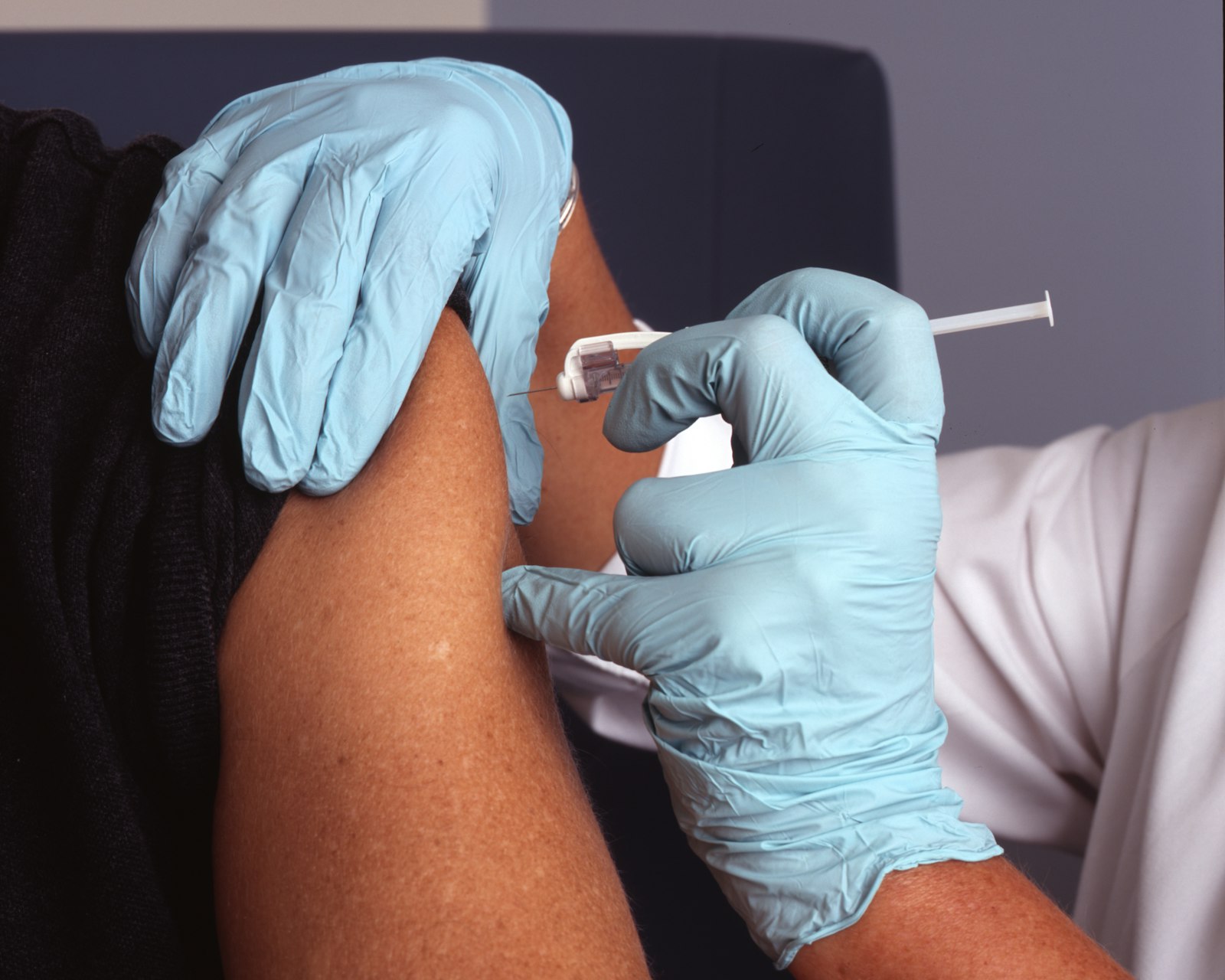
While clinical medicine focuses on diagnosing and treating illnesses in individual patients, Public Health operates on a population-wide scale: preventing diseases, extending life expectancy, and promoting health equity across entire communities. Over the past century, public health interventions have added more than 25 years to average human life expectancy worldwide.
From municipal clean water chlorination and childhood immunization programs to epidemiological disease surveillance and anti-tobacco education, public health programs form the invisible infrastructure that safeguards modern society. Integrating public health frameworks from the World Health Organization (WHO), this guide analyzes how community prevention programs protect global health.
The 4 Foundational Pillars of Modern Public Health
Public health interventions operate across four strategic levels of prevention and environmental protection.
Epidemiological assessments published by the Centers for Disease Control and Prevention (CDC) confirm that every $1 invested in primary public health prevention saves up to $14 in downstream emergency medical treatment costs.
- 1. Environmental Sanitation & Water Safety: Safe municipal drinking water purification, sewage management, and food safety inspections preventing waterborne enteric outbreaks (cholera, typhoid).
- 2. Universal Immunization & Herd Immunity: National vaccination campaigns establishing community immunity barriers that eliminate infectious diseases like polio, measles, and rubella.
- 3. Epidemiological Surveillance & Outbreak Response: Real-time genomic tracking and contact tracing networks identifying pathogen mutations and halting transmission vectors before epidemics spread.
- 4. Health Education & Behavioral Policy: Public awareness campaigns, tobacco taxation, trans-fat bans, and nutritional labeling standards reducing chronic lifestyle disease burdens.
Public Health Interventions and Historical Health Impact Compared
The table below summarizes four of the most successful public health programs in modern history, detailing their intervention mechanisms and measurable population health outcomes.
| Public Health Program | Core Intervention Mechanism | Target Health Threat | Historical Population Health Outcome |
|---|---|---|---|
| Municipal Water Fluoridation & Chlorination | Centralized water disinfection and optimal trace mineral addition | Cholera, Typhoid, Dental Caries | Eliminated waterborne epidemics; reduced childhood tooth decay by 25% |
| Global Smallpox Eradication Campaign | Ring vaccination and international case surveillance | Variola virus (Smallpox) | Complete global eradication of a disease that killed 300 million in the 20th century |
| Maternal & Child Health Screening | Prenatal folic acid supplementation & newborn screening | Neural tube defects & congenital metabolic disorders | 70% reduction in spina bifida; early detection of PKU preventing cognitive impairment |
| Tobacco Control & Smoke-Free Ordinances | Public indoor smoking bans, excise taxation, warning labels | Lung cancer, Secondhand smoke, COPD | Reduced adult smoking rates by over 60%, preventing millions of premature deaths |
Advanced Pathophysiological Mechanisms and Preventive Healthcare Strategy
Modern clinical healthcare emphasizes the integration of molecular diagnostics, targeted lifestyle interventions, and multi-parameter risk assessments to mitigate chronic disease vulnerability. Research published by the World Health Organization and the National Institutes of Health (NIH) highlights that addressing metabolic dysfunction, chronic systemic inflammation, and autonomic nervous system dysregulation early prevents severe long-term organ complications.
Adhering to structured evidence-based clinical benchmarks—including longitudinal blood pressure regulation, glycemic monitoring, and progressive aerobic and resistance exercise—provides durable cellular protection. By engaging in shared clinical decision-making with healthcare professionals, individuals can tailor preventive protocols to their unique physiological profiles.
Longitudinal Biomarker Surveillance and Patient Health Literacy
Elevating patient health literacy serves as a foundational pillar in sustainable disease management and lifelong vitality. When individuals comprehend the biological rationale behind clinical guidelines, adherence to therapeutic regimens, nutritional optimizations, and regular diagnostic screenings increases significantly.
Proactive tracking of clinical laboratory markers—such as lipid subfractions, fasting insulin, high-sensitivity C-reactive protein, and renal filtration metrics—enables timely therapeutic adjustments that preserve organ function and optimize long-term health span across all stages of life.
Advanced Pathophysiological Mechanisms and Preventive Healthcare Strategy
Modern clinical healthcare emphasizes the integration of molecular diagnostics, targeted lifestyle interventions, and multi-parameter risk assessments to mitigate chronic disease vulnerability. Research published by the World Health Organization and the National Institutes of Health (NIH) highlights that addressing metabolic dysfunction, chronic systemic inflammation, and autonomic nervous system dysregulation early prevents severe long-term organ complications.
Adhering to structured evidence-based clinical benchmarks—including longitudinal blood pressure regulation, glycemic monitoring, and progressive aerobic and resistance exercise—provides durable cellular protection. By engaging in shared clinical decision-making with healthcare professionals, individuals can tailor preventive protocols to their unique physiological profiles.
Longitudinal Biomarker Surveillance and Patient Health Literacy
Elevating patient health literacy serves as a foundational pillar in sustainable disease management and lifelong vitality. When individuals comprehend the biological rationale behind clinical guidelines, adherence to therapeutic regimens, nutritional optimizations, and regular diagnostic screenings increases significantly.
Proactive tracking of clinical laboratory markers—such as lipid subfractions, fasting insulin, high-sensitivity C-reactive protein, and renal filtration metrics—enables timely therapeutic adjustments that preserve organ function and optimize long-term health span across all stages of life.
Advanced Pathophysiological Mechanisms and Preventive Healthcare Strategy
Modern clinical healthcare emphasizes the integration of molecular diagnostics, targeted lifestyle interventions, and multi-parameter risk assessments to mitigate chronic disease vulnerability. Research published by the World Health Organization and the National Institutes of Health (NIH) highlights that addressing metabolic dysfunction, chronic systemic inflammation, and autonomic nervous system dysregulation early prevents severe long-term organ complications.
Adhering to structured evidence-based clinical benchmarks—including longitudinal blood pressure regulation, glycemic monitoring, and progressive aerobic and resistance exercise—provides durable cellular protection. By engaging in shared clinical decision-making with healthcare professionals, individuals can tailor preventive protocols to their unique physiological profiles.
Longitudinal Biomarker Surveillance and Patient Health Literacy
Elevating patient health literacy serves as a foundational pillar in sustainable disease management and lifelong vitality. When individuals comprehend the biological rationale behind clinical guidelines, adherence to therapeutic regimens, nutritional optimizations, and regular diagnostic screenings increases significantly.
Proactive tracking of clinical laboratory markers—such as lipid subfractions, fasting insulin, high-sensitivity C-reactive protein, and renal filtration metrics—enables timely therapeutic adjustments that preserve organ function and optimize long-term health span across all stages of life.
Advanced Pathophysiological Mechanisms and Preventive Healthcare Strategy
Modern clinical healthcare emphasizes the integration of molecular diagnostics, targeted lifestyle interventions, and multi-parameter risk assessments to mitigate chronic disease vulnerability. Research published by the World Health Organization and the National Institutes of Health (NIH) highlights that addressing metabolic dysfunction, chronic systemic inflammation, and autonomic nervous system dysregulation early prevents severe long-term organ complications.
Adhering to structured evidence-based clinical benchmarks—including longitudinal blood pressure regulation, glycemic monitoring, and progressive aerobic and resistance exercise—provides durable cellular protection. By engaging in shared clinical decision-making with healthcare professionals, individuals can tailor preventive protocols to their unique physiological profiles.
Longitudinal Biomarker Surveillance and Patient Health Literacy
Elevating patient health literacy serves as a foundational pillar in sustainable disease management and lifelong vitality. When individuals comprehend the biological rationale behind clinical guidelines, adherence to therapeutic regimens, nutritional optimizations, and regular diagnostic screenings increases significantly.
Proactive tracking of clinical laboratory markers—such as lipid subfractions, fasting insulin, high-sensitivity C-reactive protein, and renal filtration metrics—enables timely therapeutic adjustments that preserve organ function and optimize long-term health span across all stages of life.
Frequently Asked Questions (FAQ)
What is “Herd Immunity” and why is it essential?
Herd immunity occurs when a sufficient percentage of a population is immune to an infectious disease (through vaccination or prior infection), making person-to-person spread unlikely and protecting vulnerable individuals who cannot be vaccinated (such as infants or immunocompromised patients).
How does public health surveillance detect disease outbreaks early?
Agencies continuously monitor electronic hospital admission records, laboratory test results, and municipal wastewater testing (wastewater epidemiology) to detect rising viral loads before widespread clinical outbreaks occur.
What is the difference between primary, secondary, and tertiary prevention?
Primary prevention stops disease before it occurs (vaccines, clean water). Secondary prevention detects disease early when asymptomatic (mammograms, blood pressure screening). Tertiary prevention manages established disease to prevent further decline (cardiac rehabilitation).
How do public health policies address the Social Determinants of Health?
Public health advocates for policies that improve safe housing, access to nutritious grocery stores, clean air, quality education, and walkable neighborhoods, which collectively account for over 50% of health outcomes.
Strategic Conclusion and Next Steps
Public health programs are the collective shield protecting society from infectious outbreaks and chronic disease burdens. By understanding the value of population health measures, supporting immunization and sanitation programs, and promoting health literacy, we contribute to healthier, more resilient communities for future generations.
Engage with public health today: ensure your family’s vaccination records are up to date, support local community health programs, and practice proactive preventive health habits.