


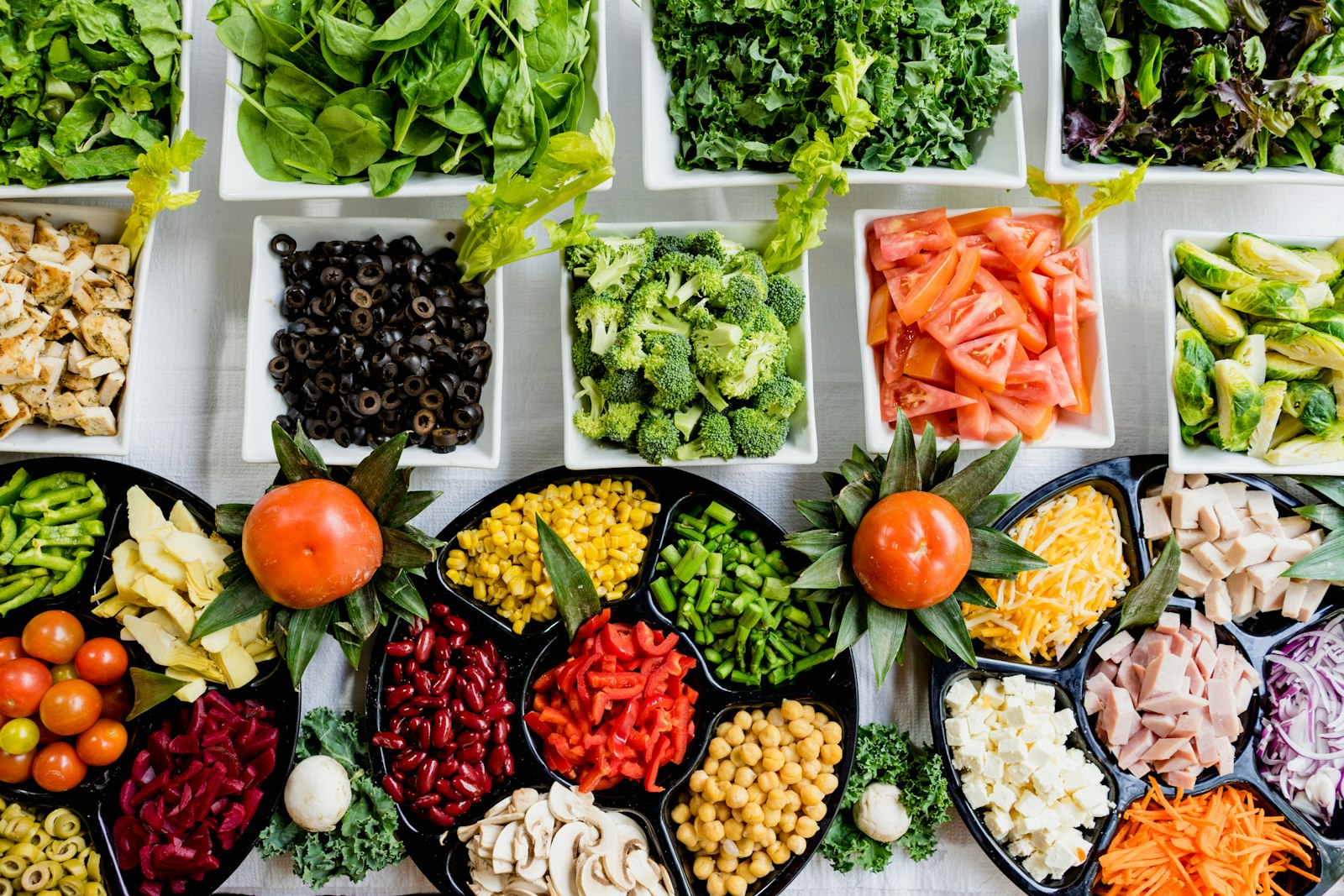
Maintaining an optimal human diet does not require purchasing expensive specialty superfoods, following restrictive cleanses, or obsessively weighing every gram of food. Clinical nutritional science consistently demonstrates that long-term metabolic vitality is built upon unprocessed, nutrient-dense everyday whole foods organized into balanced, satisfying meals.
By focusing on foundational dietary pillars—high-quality complete proteins, diverse prebiotic dietary fibers, unrefined complex carbohydrates, and essential fatty acids—individuals can optimize metabolic flexibility, sustain all-day energy, and support gut microbiome diversity. Drawing upon nutritional standards from the USDA Dietary Guidelines for Americans, this guide outlines practical strategies for building balanced meals with everyday affordable foods.
The 4 Pillars of Everyday Whole-Food Nutrition
Evidence-based nutritional science structures healthy meal planning across four foundational macronutrient components.
Research published by the Harvard T.H. Chan School of Public Health confirms that diets rich in diverse plant foods, quality proteins, and healthy fats reduce cardiovascular disease and type 2 diabetes risks by over 40%.
- 1. Complete Protein Adequacy: Pastured eggs, wild fish, chicken breast, tofu, and Greek yogurt delivering essential amino acids for muscle protein synthesis and satiety.
- 2. Diverse Phytonutrients & Prebiotic Fiber: Colorful vegetables (leafy greens, cruciferous broccoli, carrots, bell peppers) providing gut-nourishing prebiotic fibers.
- 3. Slow-Burning Complex Carbohydrates: Sweet potatoes, brown rice, steel-cut oats, and legumes providing sustained cellular glucose without rapid insulin spikes.
- 4. Monounsaturated & Omega-3 Healthy Fats: Extra virgin olive oil, avocado, walnuts, and chia seeds facilitating the absorption of fat-soluble vitamins (A, D, E, K).
Everyday Whole Foods, Macronutrients, and Health Benefits Compared
The table below provides a structured nutritional evaluation of six accessible, affordable everyday whole foods, detailing their primary macronutrients and key micronutrient densities.
| Everyday Whole Food | Primary Macronutrient | Key Micronutrients & Bioactives | Primary Metabolic Health Benefit |
|---|---|---|---|
| Pasture-Raised Whole Eggs | Complete Protein (6g) & Healthy Fats | Choline, Lutein, Zeaxanthin, Vitamin B12 | Supports brain acetylcholine synthesis and ocular health |
| Steel-Cut Rolled Oats | Complex Slow-Digesting Carbs | Beta-Glucan Soluble Fiber, Magnesium | Reduces circulating LDL cholesterol and stabilizes blood glucose |
| Extra Virgin Olive Oil | Monounsaturated Oleic Acid (Fat) | Oleocanthal Polyphenols, Vitamin E | Potent systemic vascular anti-inflammatory protection |
| Lentils & Black Beans | Plant Protein (18g) & Prebiotic Fiber (15g) | Folate, Iron, Potassium, Resistant Starch | Feeds microbiome bacteria that produce anti-inflammatory SCFAs |
The Visual Plate Composition Method
To eliminate the psychological friction of calorie counting, adopt the Visual Plate Method for lunch and dinner:
- 50% of the Plate: Non-starchy vegetables (spinach, roasted broccoli, zucchini, bell peppers, mixed green salad).
- 25% of the Plate: Lean, bioavailable protein (grilled chicken breast, wild salmon, baked tofu, whole eggs).
- 25% of the Plate: Unrefined complex carbohydrates (sweet potato, brown rice, quinoa, black beans).
- Thumb-Sized Portion: Healthy unrefined fat (1 tablespoon extra virgin olive oil or 1/4 avocado).
Step-by-Step Batch Meal Prep Strategy
- Sunday Batch Cooking: Roast two large sheet pans of seasoned vegetables and bake a batch of protein staples.
- Prepare a Whole Grain Base: Cook a large pot of quinoa or brown rice to store in sealed glass containers.
- Make Homemade Dressing: Whisk extra virgin olive oil, Dijon mustard, lemon juice, and a pinch of sea salt in a mason jar.
- Assemble Fresh Bowls in 3 Minutes: Combine pre-prepped bases throughout busy weeknights for effortless healthy dining.
Frequently Asked Questions (FAQ)
How much daily dietary fiber is recommended for optimal metabolic health?
Adults should target a minimum of 30 to 38 grams of fiber daily for men and 25 to 30 grams daily for women from diverse whole foods (vegetables, berries, legumes, oats).
Are frozen vegetables as nutritious as fresh produce?
Yes. Frozen vegetables are flash-frozen at peak ripeness within hours of harvesting, preserving vitamin and polyphenol content often better than fresh vegetables that endure extended transit times.
What is the 80/20 principle in sustainable nutrition?
Consume 80% of your daily calories from nutrient-dense, minimally processed whole foods, while allowing 20% flexibility for social occasions and treats to ensure long-term psychological sustainability.
How does protein intake support healthy body composition?
Protein possesses the highest Thermic Effect of Food (TEF)—burning 20% to 30% of its calories during digestion—while triggering satiety hormones (PYY and GLP-1) that curb cravings between meals.
Strategic Conclusion and Next Steps
Nutritious healthy eating is built on simplicity, whole-food balance, and consistency. By utilizing the Visual Plate Method, incorporating affordable staples like eggs, oats, and legumes, and preparing batch meals, you provide your body with lasting energy and vitality.
Upgrade your nutrition today: stock your kitchen with colorful vegetables, quality proteins, and extra virgin olive oil, and prepare nourishing whole-food meals for the week ahead.