


Did you know that chronic stress affects over 70% of adults globally, significantly impacting their mental well-being? In a world that constantly pulls our attention in a million directions, cultivating mindfulness practices for mental wellness daily isn’t just a trend; it’s a vital skill for navigating life with greater calm and clarity. This article will guide you through practical, evidence-based approaches to integrate mindfulness into your everyday routine, fostering resilience and emotional balance. By dedicating just a few moments each day, you can unlock profound benefits that transform your experience of stress, anxiety, and the general ebb and flow of life, leading to a more grounded and peaceful existence.
Quick Answer: Daily mindfulness practices involve intentionally bringing awareness to the present moment, without judgment. Key benefits include reduced stress and anxiety, improved emotional regulation, enhanced focus, better sleep, and an overall boost in mental well-being. Simple practices like mindful breathing, body scans, and observing daily activities can be integrated into your routine to cultivate these benefits.
Understanding Daily Mindfulness
Mindfulness is essentially the practice of being present. It means intentionally paying attention to the current moment, acknowledging your thoughts, feelings, and bodily sensations without getting caught up in them or judging them. This isn’t about emptying your mind or achieving a state of perpetual calm; rather, it’s about observing what arises with an attitude of curiosity and acceptance. Regular engagement with this practice helps to create a space between stimulus and response, allowing for more thoughtful and less reactive reactions to life’s challenges, fostering mental well-being.
Integrating mindfulness into your daily life doesn’t require hours of meditation. It’s about cultivating a gentle awareness throughout your day, even during mundane activities. This sustained attention can significantly alter your brain’s structure and function over time, enhancing areas associated with emotional regulation and focus. By consistently bringing your attention back to the present, you gradually retrain your mind to be less prone to rumination about the past or worry about the future, which are common sources of mental distress.
Transformative Benefits for Your Mind
Embracing mindfulness practices for mental wellness daily offers a cascade of scientifically-backed benefits. One of the most significant is stress reduction. When you practice mindfulness, you learn to observe stressors without becoming overwhelmed by them, effectively reducing the physiological and psychological impact of stress. This leads to a calmer nervous system, lower cortisol levels, and a greater sense of peace, even amidst chaos. Research from institutions like Harvard Medical School consistently highlights mindfulness as a powerful tool for managing chronic stress and anxiety. Learn more about how mindfulness changes your brain.
Beyond stress, daily mindfulness enhances emotional regulation, allowing you to respond to emotions more skillfully rather than being swept away by them. It also improves focus and concentration, making you more productive and engaged in tasks. Many individuals report better sleep quality and a reduction in symptoms of depression and anxiety, contributing to a more robust mental landscape. These cognitive and emotional advantages are becoming increasingly recognized, with many experts in 2026 advocating for mindfulness as a core component of preventive mental health care strategies.
Simple Practices to Start Today
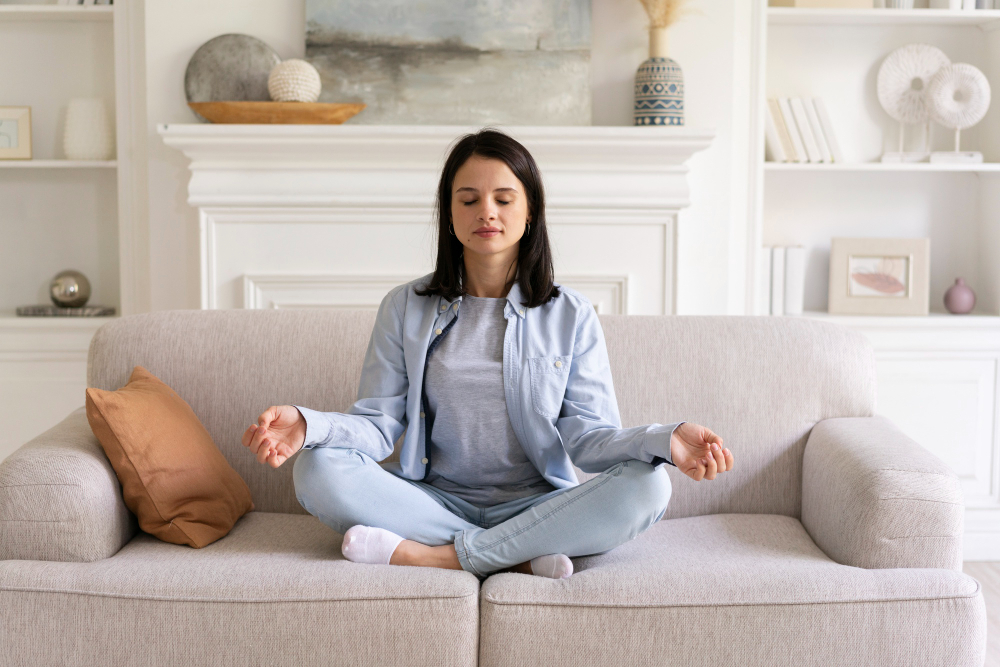
Beginning your mindfulness journey can be incredibly simple, requiring no special equipment or extensive time commitments. A foundational practice is mindful breathing: find a quiet moment, close your eyes if comfortable, and simply observe the sensation of your breath entering and leaving your body. Notice the rise and fall of your abdomen or chest, the temperature of the air. When your mind wanders, gently bring it back to your breath. Even five minutes of this practice can significantly ground you and improve your focus for the day ahead.
The Power of Mindful Movement
Mindful movement, such as walking or gentle stretching, offers another accessible path to present moment awareness. When walking, pay attention to the sensation of your feet touching the ground, the rhythm of your steps, and the sights and sounds around you without judgment. Similarly, during stretching, notice the feeling in your muscles, the stretch, and any areas of tension, breathing into them. This practice helps connect you with your body, releasing physical and mental tension, and fostering a sense of calm and embodied presence, enhancing overall mental wellness in 2026.
Another powerful yet simple practice is the body scan. Lie down or sit comfortably and bring your attention sequentially to different parts of your body, from your toes to the crown of your head. Notice any sensations – warmth, coolness, tingling, tension – without trying to change them. This helps to cultivate a deeper connection with your physical self and can reveal areas where you hold stress, allowing you to release it. Integrating these short bursts of awareness throughout your day can profoundly impact your overall sense of peace and mental clarity.
Overcoming Common Challenges
It’s completely normal for your mind to wander during mindfulness practice, especially when you’re just starting out. The goal isn’t to stop thoughts from arising, but to notice them and gently guide your attention back to your chosen anchor, whether it’s your breath or a specific sensation. Don’t judge yourself for a busy mind; every time you notice you’ve drifted and return to the present, you’re strengthening your mindfulness muscle. Consistency, even for short durations, is far more impactful than infrequent, lengthy sessions. The American Psychological Association offers further insights on effective meditation practices.
Another challenge can be finding the “time” in a busy schedule. Remember, mindfulness isn’t another item on your to-do list; it’s a way of being that can be woven into existing activities. Mindful eating during a meal, mindful walking to your car, or even a minute of mindful breathing before an important meeting can make a significant difference. Start small, perhaps just two minutes a day, and gradually increase as it feels natural. The key is integration, not addition, ensuring mindfulness becomes a sustainable part of your daily routine for mental well-being.
Integrating Mindfulness into Your Routine
Making mindfulness a consistent part of your daily life involves intentionality and creativity. Consider “anchor points” throughout your day where you can pause and practice. This could be your morning coffee, waiting in line, or during your commute. Use these moments to bring your attention to your senses: the taste of your coffee, the sounds around you, or the feeling of the seat beneath you. These micro-moments of awareness accumulate, building a stronger foundation for presence and reducing autopilot living.
Establishing a specific time for a short formal practice can also be immensely beneficial. Many find success by dedicating 5-10 minutes each morning to mindful breathing or a body scan, setting a positive tone for the day. You might also consider using guided meditations, readily available through apps or online resources, which can be particularly helpful for beginners. By consistently engaging with these mindfulness practices, you actively cultivate a state of mental wellness that carries over into all aspects of your life, making 2026 a year of profound personal growth and inner peace.
Key Takeaways
- Mindfulness is about present moment awareness, not an empty mind, and significantly reduces stress.
- Consistent daily practice, even for short durations, profoundly improves emotional regulation and focus.
- Simple practices like mindful breathing, body scans, and mindful movement are accessible to everyone.
- Don’t be discouraged by a wandering mind; gently redirecting attention is part of the practice.
Frequently Asked Questions
How quickly can I expect to see benefits from daily mindfulness?
Many individuals report feeling calmer and more focused after just a few days or weeks of consistent daily mindfulness practice. However, the deeper, more transformative benefits like improved emotional regulation and reduced chronic anxiety often unfold gradually over several months of dedicated engagement, becoming more pronounced with time.
Do I need to sit in a specific posture to practice mindfulness?
While a comfortable, upright posture is often recommended for formal meditation to promote alertness, mindfulness can be practiced in any position. You can be lying down, standing, or walking. The most important aspect is to be present and aware, regardless of your physical stance, making it highly adaptable to your daily life.
Can mindfulness help with severe anxiety or depression?
Mindfulness is a powerful complementary tool for managing symptoms of anxiety and depression, and numerous studies support its efficacy. However, it should not replace professional medical or psychological treatment for severe conditions. Always consult with a healthcare professional to determine the most appropriate treatment plan for your specific needs.
What if I find it hard to focus during mindfulness practice?
It’s entirely normal for your mind to wander; in fact, that’s precisely what mindfulness helps train. The practice isn’t about clearing your mind, but noticing when it wanders and gently bringing your attention back to your anchor (like your breath or body sensations). Each time you do this, you’re building your capacity for focus and present moment awareness.
Conclusion
Embarking on a journey of mindfulness practices for mental wellness daily is one of the most empowering steps you can take for your well-being. It’s not about perfection, but about consistent, gentle effort to return to the present moment. By integrating these simple yet profound practices into your routine, you’re actively cultivating a more resilient, peaceful, and joyful life. How will you begin your mindful journey today?
