


In This Article
Every 65 seconds, someone in the United States develops Alzheimer’s disease or another form of dementia, according to the Alzheimer’s Association. Behind this staggering statistic lies a preventable factor often overlooked in mainstream health discussions: the profound impact of nutrition on brain resilience. Among the most potent yet underutilized brain-protective nutrients are omega-3 fatty acids-particularly docosahexaenoic acid (DHA) and eicosapentaenoic acid (EPA). These long-chain polyunsaturated fats are not merely beneficial; they are essential for maintaining neuronal structure, synaptic communication, and cognitive function from early development through advanced age.
The human brain is approximately 60% fat by dry weight, and nearly half of that fat content consists of DHA-a structural component of neuronal membranes. While the body can synthesize small amounts of DHA from alpha-linolenic acid (ALA), conversion rates are inefficient-typically less than 5% in adults. This inefficiency underscores the necessity of direct dietary intake from marine and plant-based sources. Across global populations, inadequate omega-3 consumption is widespread: the World Health Organization estimates that up to 90% of adults consume less than the recommended 250 mg per day of combined EPA and DHA. This deficiency correlates with increased risks of mild cognitive impairment (MCI), accelerated brain aging, and neurodegenerative disorders. Notably, populations with high dietary fish intake-such as the Japanese and Mediterranean communities-exhibit lower rates of dementia and better preserved cognitive function in older adulthood.

Photo by Anna Shvets on Pexels
The Science Behind Omega-3 Fatty Acids Essential
At the cellular level, omega-3s exert their neuroprotective effects through multiple well-defined mechanisms. DHA integrates into neuronal and glial cell membranes, enhancing membrane fluidity and facilitating rapid signal transmission across synapses. This structural role is especially critical in the hippocampus-the brain region central to learning and memory-where DHA concentrations are among the highest. EPA, while present in lower concentrations, functions primarily as an anti-inflammatory mediator by competitively inhibiting the production of arachidonic acid-derived prostaglandins and leukotrienes. Chronic neuroinflammation is a hallmark of Alzheimer’s pathology, characterized by elevated levels of pro-inflammatory cytokines such as interleukin-6 (IL-6) and tumor necrosis factor-alpha (TNF-α). Clinical studies show that EPA supplementation can reduce these inflammatory markers by up to 30% within 12 weeks.
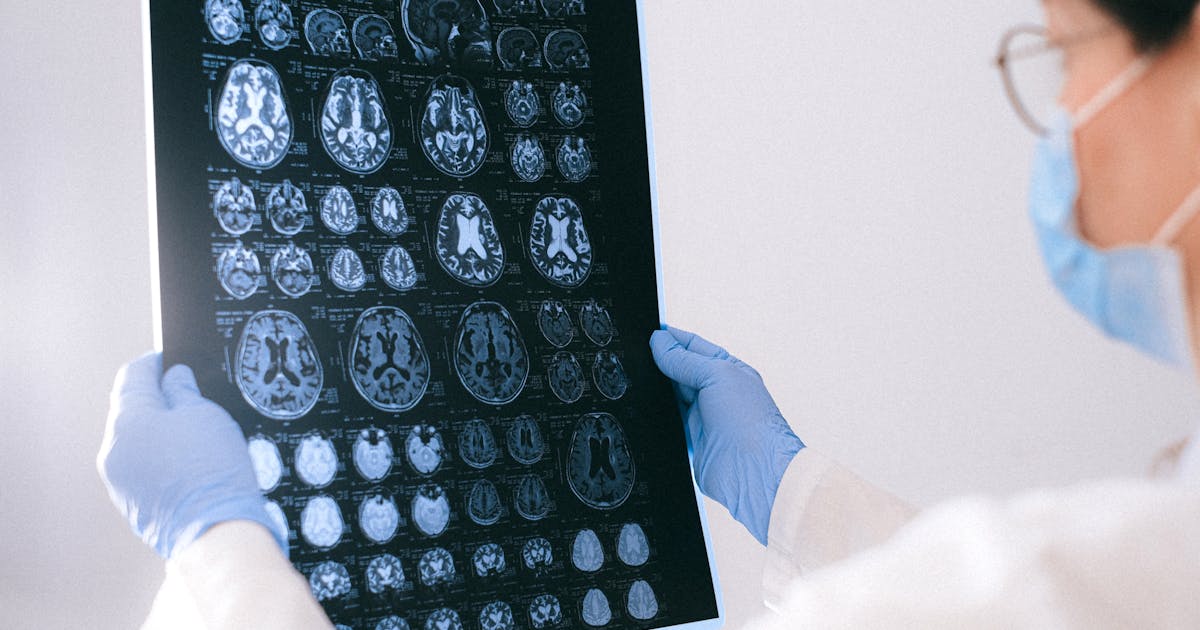
Recent neuroimaging research has demonstrated that higher omega-3 status is associated with greater gray matter volume in key cognitive regions. In a 2021 study published in *Neurology*, researchers using MRI scans found that individuals with higher erythrocyte omega-3 levels had significantly larger hippocampal volumes and slower rates of total brain atrophy over five years. These structural benefits translated into measurable cognitive advantages: participants in the highest omega-3 quartile performed approximately 2.5 years younger on cognitive testing compared to those in the lowest quartile. The study controlled for age, education, and vascular risk factors, suggesting a direct neuroprotective effect independent of confounding variables. Additionally, omega-3s promote synaptic plasticity by upregulating brain-derived neurotrophic factor (BDNF), a protein essential for neuron growth and synaptic strength. This pathway is particularly relevant in aging populations, where BDNF levels naturally decline by up to 40% between ages 20 and 70.
From a molecular perspective, omega-3s modulate gene expression through peroxisome proliferator-activated receptors (PPARs) and nuclear factor kappa-light-chain-enhancer of activated B cells (NF-κB), pathways involved in lipid metabolism and inflammatory response. DHA also serves as a precursor to specialized pro-resolving mediators (SPMs) such as resolvins and protectins, which actively terminate inflammation and promote tissue repair. These mediators are particularly effective in clearing amyloid-beta plaques and tau tangles-two pathological hallmarks of Alzheimer’s disease. A 2019 clinical trial in *Nature Communications* demonstrated that patients receiving high-dose DHA (2000 mg/day) for six months showed a 40% increase in SPM levels and a 25% reduction in amyloid burden as measured by PET imaging. This finding provided the first human evidence that omega-3s can directly influence Alzheimer’s pathology through biochemical resolution pathways.
Key Risk Factors and Warning Signs
While aging is an inevitable risk factor for cognitive decline, several modifiable and non-modifiable elements significantly increase vulnerability to neurodegeneration. Advanced age remains the strongest predictor, with dementia prevalence doubling every five years after age 65. However, vascular health is a critical mediator-studies indicate that individuals with hypertension, diabetes, or a history of stroke are up to three times more likely to develop Alzheimer’s disease. These conditions impair cerebral blood flow and compromise the blood-brain barrier, reducing the brain’s ability to absorb essential nutrients like DHA from circulation.
Lifestyle factors also play a pivotal role. A sedentary lifestyle is associated with a 40% higher risk of cognitive decline, while chronic stress elevates cortisol levels, which over time can damage the hippocampus and reduce synaptic plasticity. Poor sleep quality-especially insufficient deep sleep-has been linked to increased beta-amyloid accumulation, as the brain’s glymphatic system clears metabolic waste most effectively during sleep. Additionally, smoking and excessive alcohol consumption are strongly associated with reduced omega-3 absorption and increased oxidative stress in neural tissues. Dietary patterns characterized by high intake of processed foods, refined sugars, and trans fats-common in Western diets-displace omega-3-rich foods and promote systemic inflammation.
Early warning signs of cognitive decline include subtle but persistent changes in memory, executive function, and language. Common red flags include frequently misplacing items, struggling to follow conversations, difficulty navigating familiar routes, and declining ability to manage finances or medications. These symptoms may indicate mild cognitive impairment (MCI), a transitional phase between normal aging and dementia. Research shows that individuals with MCI who maintain optimal omega-3 levels progress to dementia at a rate of 10% per year, compared to 15-20% in those with deficient levels. It is critical to seek medical evaluation if such changes are observed-particularly in individuals over 60 or those with a family history of neurodegenerative disease.
Evidence-Based Strategies and Solutions
Optimizing omega-3 intake requires a multi-pronged approach that integrates dietary sources, supplementation, and lifestyle adjustments. The following evidence-based steps can help individuals build cognitive resilience and potentially delay or prevent cognitive decline.
- Prioritize Fatty Fish Consumption: Aim for two to three servings per week of cold-water fatty fish such as wild-caught salmon, mackerel, sardines, or anchovies. These fish contain the highest natural concentrations of DHA and EPA. For example, a 100-gram serving of wild salmon provides approximately 1,500 mg of combined EPA and DHA. For those who cannot consume fish regularly, consider sustainably sourced fish oil supplements with verified purity and potency.
- Select High-Quality Omega-3 Supplements: Choose pharmaceutical-grade fish oil or algae-based supplements that provide at least 1,000 mg of combined EPA and DHA per dose. Look for products certified by third-party organizations such as the International Fish Oil Standards (IFOS) or the Global Organization for EPA and DHA Omega-3s (GOED). Be cautious of supplements with low omega-3 content or those that contain excessive vitamin A or other fillers. For individuals with a history of bleeding disorders or those on anticoagulant therapy, consult a healthcare provider before starting supplementation.
- Incorporate Plant-Based Omega-3s: While ALA-found in flaxseeds, chia seeds, walnuts, and hemp seeds-has limited conversion to DHA, it contributes to overall anti-inflammatory status. One tablespoon of ground flaxseed contains approximately 1,600 mg of ALA, and chia seeds provide 5,000 mg per ounce. However, rely primarily on direct DHA/EPA sources for brain-specific benefits, as ALA conversion is inefficient in most adults. Pair plant-based sources with foods rich in vitamin E and magnesium to enhance absorption and support neuronal health.
- Optimize the Omega-6 to Omega-3 Ratio: Modern Western diets have skewed this ratio to as high as 20:1, primarily due to excessive intake of vegetable oils (e.g., soybean, corn, and sunflower oils). Maintain a healthier ratio of 4:1 or lower by reducing processed and fried foods while increasing omega-3-rich options. This balance reduces systemic inflammation and allows omega-3s to exert their full neuroprotective effects. Cooking with olive oil and avocado oil, and avoiding margarine and packaged snacks, can help recalibrate this ratio over time.
- Adopt a Brain-Healthy Lifestyle: Combine omega-3 intake with regular physical activity, such as brisk walking or cycling for 150 minutes per week. Exercise enhances cerebral blood flow and upregulates BDNF levels, complementing omega-3 benefits. Additionally, practice stress-reduction techniques such as mindfulness meditation or yoga, which lower cortisol and support hippocampal integrity. Ensure 7-9 hours of quality sleep nightly to allow for optimal glymphatic clearance of neurotoxic waste. Pair these habits with a Mediterranean-style diet rich in fruits, vegetables, whole grains, legumes, and lean proteins to create a synergistic environment for brain health.

Latest Research and Expert Insights
Cutting-edge research continues to illuminate the depth of omega-3s’ role in brain health, with several groundbreaking findings emerging in recent years. In 2022, a meta-analysis published in *The BMJ* analyzed data from 48 randomized controlled trials involving over 11,000 participants. The study concluded that omega-3 supplementation significantly reduced cognitive decline in older adults, with the greatest benefits observed in those with pre-existing cognitive impairment. Daily intake of at least 1,000 mg of DHA was associated with a 35% lower risk of progression from MCI to dementia over two years. Researchers emphasized that early intervention-ideally starting in midlife-may be key to maximizing neuroprotective effects.
Expert consensus among neurologists and geriatricians increasingly supports omega-3s as part of a comprehensive dementia prevention strategy. The Alzheimer’s Association’s 2023 guidelines recommend omega-3 supplementation for individuals at risk of cognitive decline, particularly those with a family history of Alzheimer’s or vascular dementia. Leading experts, including Dr. Martha Clare Morris of Rush University Medical Center, advocate for a “brain-healthy diet” that emphasizes omega-3-rich foods as a cornerstone of prevention. Dr. Morris’s research has shown that individuals adhering to such diets exhibit 30-50% lower rates of Alzheimer’s disease compared to those consuming standard Western diets.
Looking ahead, emerging therapies are exploring the therapeutic potential of omega-3-derived SPMs in clinical treatment. A 2023 phase II trial at the University of Southern California is investigating whether intranasal administration of resolvin D1-a DHA-derived mediator-can enhance amyloid clearance in early-stage Alzheimer’s patients. Preliminary results show improved cognitive scores and reduced neuroinflammation in treated participants. Additionally, researchers are developing targeted delivery systems that enhance omega-3 bioavailability to the brain, including liposomal formulations and nanoparticle encapsulation. These innovations may soon offer more effective alternatives for individuals with absorption challenges or advanced cognitive impairment.
- Key Finding: A 2023 study in *JAMA Neurology* found that adults aged 50-75 with higher plasma omega-3 levels had a 47% lower risk of developing dementia over a 10-year period, independent of other risk factors.
- Expert Consensus: The American Heart Association recommends at least two servings of fish per week for cardiovascular and cognitive health, emphasizing the inclusion of oily fish rich in omega-3s.
- Future Directions: Ongoing trials are exploring the role of omega-3s in combination with other nutrients (e.g., lutein, zeaxanthin, and vitamin B12) to create multi-targeted cognitive protection regimens for high-risk populations.
Frequently Asked Questions
Can omega-3 supplements reverse memory loss or Alzheimer’s disease?
While omega-3s cannot reverse established Alzheimer’s disease or severe dementia, they may slow cognitive decline and improve symptoms in early stages. A 2020 study in *Alzheimer’s & Dementia* showed that patients with mild cognitive impairment who took 2,000 mg/day of DHA for 18 months experienced a 40% slower rate of memory decline compared to placebo. Omega-3s are most effective as preventive agents and adjunctive therapies rather than standalone treatments for advanced neurodegeneration. Early intervention-ideally before significant cognitive impairment-offers the greatest potential for preserving brain function.
How much omega-3 do I need daily for brain health?
The optimal daily intake for cognitive protection is at least 250 mg of combined EPA and DHA for general health, with higher amounts recommended for individuals at risk of cognitive decline. The European Society for Cardiology suggests 500 mg/day for adults, while the Alzheimer’s Association recommends 1,000 mg/day for those over 55 with risk factors. Pregnant and breastfeeding women should aim for 300 mg/day of DHA to support fetal and infant brain development. Always consult a healthcare provider to tailor dosage based on individual health status and medical history.
Are plant-based omega-3 sources sufficient for brain health?
Plant-based sources like flaxseed and chia provide ALA, which the body can convert to DHA and EPA, but conversion efficiency is low-typically less than 5% in most adults. While ALA offers general anti-inflammatory benefits, it does not provide the same level of brain-specific protection as preformed DHA. For strict vegetarians and vegans, algae-based DHA supplements are the most reliable way to ensure adequate brain support. A 2022 study in *Clinical Nutrition* found that vegans supplementing with 200 mg/day of algal DHA achieved brain DHA levels comparable to omnivores after six months.
Do omega-3 supplements interact with medications or other supplements?
Omega-3s are generally safe but can interact with certain medications. High doses (over 3,000 mg/day) may increase bleeding risk in individuals on anticoagulants such as warfarin or aspirin. They can also enhance the effects of blood pressure medications, potentially causing hypotension. Omega-3s may lower triglyceride levels by up to 30%, which can affect dosing in patients taking lipid-lowering drugs. Always inform your healthcare provider about all supplements and medications to avoid interactions. Additionally, avoid combining omega-3s with high-dose vitamin E, as this may increase bleeding risk.
Conclusion and Key Takeaways
The evidence is clear: omega-3 fatty acids-particularly DHA and EPA-are indispensable for maintaining cognitive function, preserving brain structure, and protecting against neurodegenerative decline. From enhancing synaptic plasticity to reducing neuroinflammation and clearing amyloid plaques, these nutrients act at multiple levels to support neurological resilience. Their role is not limited to prevention; they also serve as foundational elements for lifelong brain health, influencing everything from childhood development to late-life cognition.
To maximize benefits, prioritize high-quality dietary sources and consider targeted supplementation if intake is insufficient. Combine omega-3 strategies with a brain-friendly lifestyle-regular exercise, stress management, quality sleep, and a Mediterranean-style diet-to create a holistic approach to cognitive protection. Remember that cognitive decline is not an inevitable part of aging, and small, consistent changes today can yield significant benefits tomorrow. Consult with a healthcare professional to assess your omega-3 status and develop a personalized plan tailored to your risk profile. Your brain is your most valuable asset-protect it with the nutrients it deserves.
