


🩺 In This Medical Guide
In 2019, antimicrobial-resistant infections directly caused 1.27 million deaths worldwide-more than HIV/AIDS or malaria. By 2050, if no action is taken, this silent pandemic could claim 10 million lives annually and push 24 million people into extreme poverty. The rise of superbugs is no longer a distant threat: it is a global health emergency unfolding in real time. Yet, a coordinated response led by the World Health Organization (WHO) is now reshaping the fight against antimicrobial resistance (AMR), aiming to curb antibiotic misuse, accelerate new treatments, and restore the power of modern medicine.
This isn’t just about saving lives-it’s about preserving the very foundation of healthcare. From routine surgeries to cancer treatments, antibiotics underpin nearly every medical intervention. Without urgent action, a simple cut or urinary tract infection could once again become a death sentence. The WHO’s updated Global Action Plan on AMR, unveiled in 2023, signals a critical turning point: nations are being called to act decisively, before resistance spreads faster than solutions.

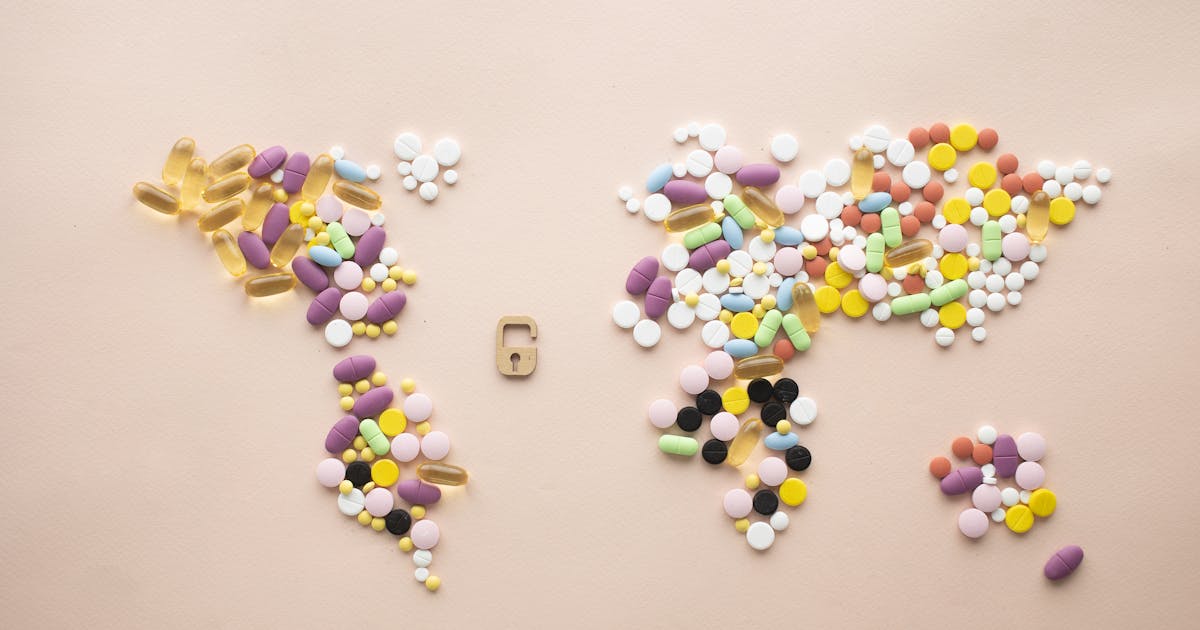
📷 Photo by Maria Lourdes Peyregne on Pexels
The Background and Significance of This Health Topic
Antimicrobial resistance occurs when bacteria, viruses, fungi, or parasites evolve to survive medicines that once killed them. This natural phenomenon is accelerated by misuse-such as prescribing antibiotics for viral infections like colds or flu-and overuse in agriculture, where nearly 80% of antibiotics are used in livestock. The result is a narrowing window of effective treatments, as once-reliable drugs fail against resistant strains like methicillin-resistant Staphylococcus aureus (MRSA) or carbapenem-resistant Enterobacterales (CRE).
The problem is global but uneven. High-income countries report rising resistance rates in hospitals, while low- and middle-income nations face both imported superbugs and local outbreaks due to weak surveillance and limited access to newer antibiotics. According to a 2023 study in The Lancet, resistant infections in sub-Saharan Africa and South Asia now account for 73% of global AMR-related deaths. Meanwhile, the pipeline of new antibiotics has dwindled: only 43 new antimicrobials are in clinical development as of 2024, down from over 100 in the 2000s. The imbalance between rising resistance and shrinking innovation has created a “silent pandemic” that threatens to unravel decades of medical progress.
Understanding the Medical Science
At its core, AMR is driven by evolutionary pressure. When antibiotics are used-whether appropriately or not-bacteria with random genetic mutations that confer resistance survive and multiply. These resistant strains can then spread through person-to-person contact, contaminated food or water, or healthcare settings. Over time, the most dangerous pathogens develop resistance to multiple drug classes, becoming “superbugs” that require last-resort treatments.
One of the most alarming examples is the rise of extensively drug-resistant Mycobacterium tuberculosis (XDR-TB), which is resistant to at least four of the six core drugs used in first-line treatment. According to WHO data, XDR-TB has a treatment success rate of just 59%, compared to 86% for drug-susceptible TB. Another critical threat is Neisseria gonorrhoeae, the bacteria causing gonorrhea, which has developed resistance to ceftriaxone, the last remaining effective therapy. In 2021, the CDC reported that nearly 30% of gonorrhea cases in the U.S. were resistant to at least one antibiotic. These examples underscore a harsh truth: without new drugs, we are entering a post-antibiotic era where infections once considered trivial become life-threatening.
The science behind combating AMR is twofold: reducing unnecessary antibiotic use and developing innovative therapies. Rapid diagnostics, such as point-of-care tests that distinguish bacterial from viral infections in minutes, are essential to guide appropriate prescribing. Meanwhile, researchers are exploring alternatives like phage therapy (using viruses to kill bacteria), CRISPR-based antimicrobials, and monoclonal antibodies that can neutralize bacterial toxins. However, these solutions face significant hurdles-high development costs, regulatory challenges, and the need for global access.
Key Factors and Symptoms (or Key Components)
Several interconnected factors fuel the spread of AMR. First is the misuse of antibiotics in human medicine: studies show that up to 50% of antibiotic prescriptions in outpatient settings are unnecessary. Second is agricultural overuse, where antibiotics are routinely given to healthy livestock to promote growth-despite bans in the EU and growing restrictions elsewhere. Third is global travel and trade, which allow resistant bacteria to hitchhike across continents in hours. Finally, weak infection prevention and control (IPC) in healthcare systems-especially in low-resource settings-enable hospital-acquired superbugs like MRSA and CRE to thrive.
Symptoms of resistant infections vary by type. Common signs include persistent fever despite antibiotic treatment, prolonged illness, or infections that keep recurring. For example, a urinary tract infection caused by a resistant Escherichia coli strain may not improve after a standard course of nitrofurantoin, requiring alternative, more toxic drugs like colistin. In severe cases, resistant infections can lead to sepsis, organ failure, and death. It’s essential to recognize these red flags early-especially in vulnerable populations such as the elderly, immunocompromised, or those with chronic diseases.
Another critical factor is global surveillance. Many countries lack the laboratory capacity to detect resistant strains, leading to underreporting and delayed responses. The WHO’s Global Antimicrobial Resistance Surveillance System (GLASS) tracks resistance patterns in 68 countries, but participation remains inconsistent. Meanwhile, the private sector’s role is also crucial: pharmaceutical companies have largely abandoned antibiotic development due to poor return on investment, making public-private partnerships and incentives like the WHO’s “Pandemic Treaty” proposals vital to reviving the pipeline.
Actionable Advice and Prevention Strategies
Combating AMR requires both individual and systemic action. While governments and scientists work on long-term solutions, every person can play a role in slowing resistance. Here are four practical steps to help reduce the spread of superbugs and protect your health.
- Step 1: Practice Antibiotic Stewardship at Home: Never take antibiotics unless prescribed by a licensed healthcare provider, and always complete the full course-even if symptoms improve early. Avoid demanding antibiotics for viral infections like colds or the flu, which are unaffected by these drugs. Use over-the-counter symptom relievers and rest instead. If your doctor refuses antibiotics, ask for a diagnostic test to confirm the need. Studies show that patients who understand the risks of unnecessary antibiotic use are 40% less likely to request them inappropriately.
- Step 2: Support Antibiotic-Free Food Choices: Choose meat, dairy, and eggs labeled “raised without antibiotics.” While regulations vary by country, brands that voluntarily restrict antibiotic use are often identified through third-party certifications like USDA Organic or EU Organic. If you don’t have access to certified products, consider reducing meat consumption or opting for plant-based alternatives. Livestock raised without routine antibiotics have been shown to carry significantly lower levels of resistant bacteria, protecting both human and environmental health.
- Step 3: Prioritize Hand Hygiene and Infection Control: Wash your hands frequently with soap and water for at least 20 seconds, especially after using the bathroom, before eating, and after touching surfaces in public places. Use alcohol-based hand sanitizer when soap isn’t available. At home, regularly clean high-touch surfaces like doorknobs, phones, and kitchen counters with disinfectants. In healthcare settings, insist on proper hand hygiene from providers-it’s one of the most effective ways to prevent the spread of resistant infections.
- Step 4: Advocate for Systemic Change: Support policies that strengthen antibiotic stewardship programs, fund research into new treatments, and improve global surveillance. Join or donate to organizations like the Center for Disease Dynamics, Economics & Policy (CDDEP) or the WHO’s AMR program. Encourage your local hospitals to adopt antibiotic stewardship committees, which have been shown to reduce inappropriate prescribing by up to 50%. Systemic change begins with collective action-your voice matters.
Expert Insights and Latest Research
Current research is illuminating both the scale of the AMR crisis and promising pathways to solutions. A groundbreaking 2023 study published in Nature Microbiology used machine learning to predict resistance patterns in Klebsiella pneumoniae-a major cause of hospital-acquired infections. Researchers trained the model on thousands of bacterial genomes and identified novel resistance genes years before they became clinically significant. This early warning system could allow clinicians to tailor treatments and public health responses with unprecedented precision.
- Recent Findings: A 2024 multi-country study in BMJ Global Health found that integrating rapid diagnostic tests into primary care reduced antibiotic prescriptions by 31% without compromising patient recovery. The tests, which detect bacterial infections in under 30 minutes, are now being piloted in 12 low- and middle-income countries as part of a WHO-led initiative to curb misuse in resource-limited settings.
- Clinical Perspectives: Dr. Sarah Ahmed, an infectious disease specialist at Johns Hopkins Hospital, emphasizes the urgency of infection control in hospitals: “We’re seeing patients with infections that no longer respond to any available antibiotics. The return to basics-meticulous hand hygiene, sterile procedures, and isolation protocols-is just as critical as developing new drugs. Without these, even the best new therapies will fail.”
- Future Outlook: The WHO’s 2023 Global AMR Research and Development Hub has prioritized 10 high-need pathogens, including Pseudomonas aeruginosa and Acinetobacter baumannii. Funding is being directed toward novel approaches like bacterial cell wall inhibitors, microbiome-based therapies, and immunotherapies. Meanwhile, the first “post-antibiotic” drug-cefiderocol, approved for complicated urinary tract infections-offers a glimpse of what’s possible when innovation aligns with clinical need.
Frequently Asked Questions
What are the most dangerous antibiotic-resistant bacteria today?
The WHO’s 2024 list of priority pathogens includes carbapenem-resistant Acinetobacter baumannii (ranked “Critical”), which causes severe pneumonia and bloodstream infections in ICU patients, and third-generation cephalosporin-resistant Neisseria gonorrhoeae (ranked “High”), which is spreading rapidly due to sexual transmission. Other top threats include MRSA, vancomycin-resistant Enterococcus (VRE), and drug-resistant Mycobacterium tuberculosis. These pathogens are responsible for the majority of AMR-related deaths globally and are driving the urgency for new treatments.
Can I safely stop taking antibiotics once I feel better?
No. Always complete the full prescribed course, even if symptoms resolve early. Stopping antibiotics prematurely allows surviving bacteria-including resistant strains-to multiply, potentially leading to a relapse or the development of resistance. If you experience side effects, consult your doctor before adjusting your dose. Some treatments require tapering or switching medications, which should be guided by clinical evaluation.
How can I protect my family from superbugs in daily life?
Start with hand hygiene: wash hands often and teach children the same habit. Ensure vaccinations are up to date-vaccines like those for pneumonia, flu, and HPV reduce the need for antibiotics by preventing infections in the first place. Practice safe food handling: cook meat thoroughly, avoid cross-contamination, and choose antibiotic-free products when possible. At home, use disinfectants on high-touch surfaces and wash towels, bedding, and kitchen cloths regularly in hot water.
Is it true that probiotics can help prevent antibiotic-related diarrhea and resistance?
Some evidence supports the use of probiotics-particularly Saccharomyces boulardii or Lactobacillus rhamnosus GG-to reduce the risk of Clostridioides difficile infection, a common complication of antibiotic use. However, probiotics do not directly prevent resistance or treat established infections. Their role is supportive, not curative. Always discuss probiotic use with your healthcare provider, especially if you have a weakened immune system.
Final Thoughts
The battle against antimicrobial resistance is one of the defining health challenges of our time. It demands urgent, coordinated action from governments, healthcare systems, researchers, and individuals alike. The WHO’s 2023 Global Action Plan provides a roadmap-but success hinges on implementation. Every unnecessary antibiotic prescription, every lapse in hygiene, every unregulated use of drugs in agriculture pushes us closer to a world where infections once easily cured become deadly.
Yet, there is hope. From rapid diagnostics to phage therapy and global surveillance networks, science is fighting back with innovative tools. But these advances will only matter if we use them wisely and equitably. The choices we make today-whether in a clinic, a farm, or our own homes-will determine whether we preserve the power of antibiotics for generations to come. Stay informed, follow stewardship guidelines, and demand action from your leaders. The time to act is now.
