


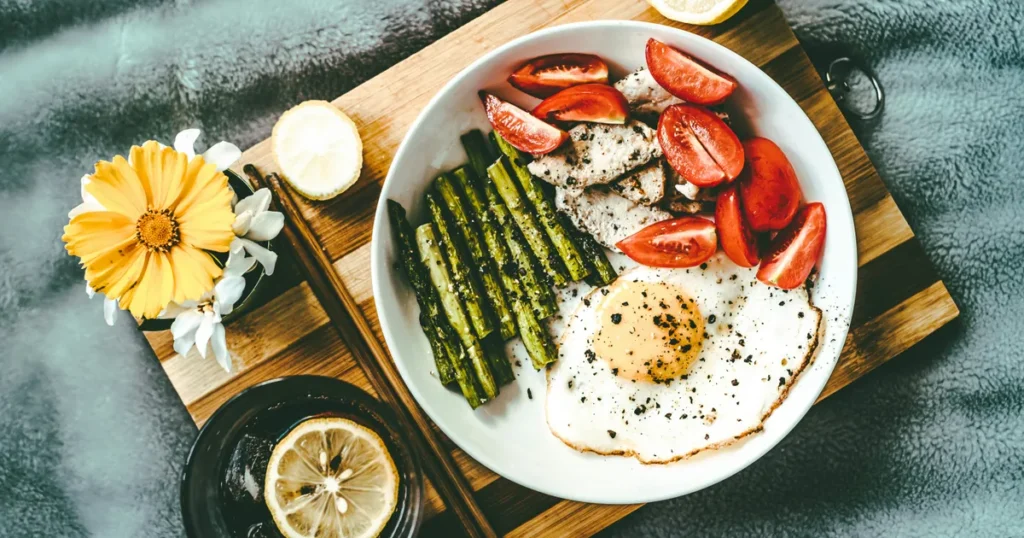
Did you know that increasing your protein intake can boost your metabolism by 15-30%? If you’re looking for a practical, effective strategy to transform your health, build muscle, or manage your weight, then understanding a high protein diet plan for beginners guide is crucial. Many people underestimate the power of protein, often focusing solely on carbs or fats. This comprehensive guide will demystify the process, providing actionable steps and expert insights to help you seamlessly integrate more protein into your daily routine, setting you up for success in 2026 and beyond.
Quick Answer: A high protein diet for beginners emphasizes increasing protein intake to support muscle growth, enhance satiety, and aid weight management, typically targeting 0.7-1 gram of protein per pound of body weight daily, sourced from lean meats, fish, eggs, dairy, and plant-based options, distributed evenly across meals.
Why Protein is Your Best Ally
Protein is far more than just a muscle-building nutrient; it’s a foundational pillar for overall health and well-being, especially for newcomers to dietary changes. It plays a critical role in repairing tissues, producing enzymes and hormones, and supporting a robust immune system. For beginners, a sufficient protein intake can significantly reduce cravings and feelings of hunger, making adherence to a new eating plan much easier and more sustainable in the long run. This satiety factor is a game-changer for anyone aiming for fat loss without feeling deprived or constantly battling hunger pangs.
Beyond its satiating effects, protein is crucial for metabolic health and body composition. When you consume protein, your body expends more energy to digest and metabolize it compared to fats or carbohydrates, a phenomenon known as the thermic effect of food (TEF). This metabolic boost, combined with protein’s ability to preserve muscle mass during weight loss, ensures that you’re losing fat, not valuable muscle tissue. Building and maintaining muscle is vital because muscle tissue burns more calories at rest than fat, contributing to a higher resting metabolic rate and making weight management simpler.
How Much Protein Do You Need?
Determining the optimal protein intake can feel complex, but for beginners, it boils down to some straightforward guidelines. A commonly recommended starting point for active individuals or those looking to lose weight and build muscle is around 0.7 to 1 gram of protein per pound of body weight (1.6-2.2 grams per kilogram). For example, if you weigh 150 pounds, you’d aim for 105 to 150 grams of protein daily. It’s important to distribute this intake across your meals and snacks rather than consuming it all at once, maximizing absorption and muscle protein synthesis throughout the day.
While these figures serve as an excellent benchmark, individual needs can vary based on activity level, age, and specific health goals. Sedentary individuals might need slightly less, while highly active athletes could benefit from the higher end of the spectrum. Consulting a healthcare professional or a registered dietitian can provide personalized recommendations, ensuring your protein intake aligns perfectly with your unique physiological requirements. Remember, consistency is key, so focus on gradually increasing your protein consumption if you’re not currently meeting these targets.
Best Protein Sources for Beginners
Choosing the right protein sources is fundamental to a successful high protein diet plan for beginners guide. Prioritize whole, unprocessed foods that offer a complete amino acid profile and additional essential nutrients. Lean meats like chicken breast, turkey, and lean beef are excellent choices, providing high-quality protein with minimal saturated fat. Fish, especially fatty fish like salmon, mackerel, and sardines, not only delivers protein but also beneficial omega-3 fatty acids, which are crucial for heart and brain health. Eggs are another fantastic and versatile option, offering complete protein and a range of vitamins and minerals. Dairy products like Greek yogurt, cottage cheese, and milk are also superb sources, often providing probiotics and calcium.
Plant-Based Protein Options
For those following a vegetarian or vegan diet, or simply looking to diversify their protein intake, a wealth of plant-based sources can easily meet your needs. Legumes such as lentils, chickpeas, and black beans are packed with protein and fiber, promoting digestive health and satiety. Tofu, tempeh, and edamame, derived from soybeans, are complete proteins and incredibly versatile for cooking. Quinoa, though often considered a grain, is unique for being a complete protein. Nuts and seeds (like almonds, chia seeds, and flaxseeds) contribute protein along with healthy fats and fiber. Combining different plant protein sources throughout the day, such as rice and beans, ensures you receive all essential amino acids, making a plant-focused high-protein diet both achievable and delicious. For more detailed nutritional information on these foods, resources like the USDA FoodData Central can be incredibly helpful.
Crafting Your High-Protein Meal Plan
Designing a high-protein meal plan doesn’t have to be complicated; it’s about smart choices and consistent execution. Start by integrating a significant protein source into every meal. For breakfast, consider Greek yogurt with berries, scrambled eggs with spinach, or a protein smoothie. Lunch can feature a large salad with grilled chicken or chickpeas, or a hearty lentil soup. Dinner might include baked salmon with roasted vegetables, lean steak with quinoa, or a tofu stir-fry. Don’t forget snacks; options like cottage cheese, a handful of almonds, or a hard-boiled egg can keep your protein intake steady between meals, preventing energy dips and overeating.
Meal preparation, or “meal prep,” is a beginner’s secret weapon for sustaining a high-protein diet. Dedicate a few hours one day a week to cook larger batches of protein sources like chicken, turkey, or lentils, along with staple grains and vegetables. Portion these into containers for easy grab-and-go meals throughout the week. This strategy not only saves time but also reduces the temptation to opt for less healthy, low-protein convenience foods when hunger strikes. By planning ahead, you ensure you always have nutritious, protein-rich options readily available, making your dietary goals much more attainable in 2026.
Common Mistakes and How to Avoid Them
Embarking on a high-protein diet can be highly beneficial, but beginners often fall into common pitfalls that can hinder progress or lead to discomfort. One frequent mistake is neglecting other macronutrients, particularly healthy fats and complex carbohydrates. While protein is crucial, a balanced diet requires adequate intake of all macros to provide energy, absorb fat-soluble vitamins, and support overall bodily functions. Ensure your plates still feature plenty of vegetables, whole grains, and sources of healthy fats like avocado, nuts, and olive oil to maintain nutritional completeness and avoid potential deficiencies.
Another common error is inadequate hydration. Increasing protein intake can place a greater demand on your kidneys, so drinking sufficient water is paramount. Aim for at least 8-10 glasses of water daily, and even more if you’re highly active. Additionally, some beginners might exclusively rely on protein supplements without prioritizing whole food sources. While supplements can be convenient, they should complement, not replace, nutrient-dense whole foods. Focusing on a variety of protein sources from your diet ensures you’re getting a broad spectrum of vitamins, minerals, and other beneficial compounds that supplements alone cannot provide. For more on balanced nutrition, the Harvard T.H. Chan School of Public Health offers excellent resources.
Key Takeaways
- Prioritize protein for satiety, muscle preservation, and metabolic boost.
- Aim for 0.7-1 gram of protein per pound of body weight, distributed evenly.
- Focus on whole, varied protein sources, including lean meats, fish, eggs, and diverse plant-based options.
- Utilize meal prep to ensure consistent, convenient, and healthy high-protein meals.
- Maintain balance with other macronutrients and stay well-hydrated to avoid common pitfalls.
Frequently Asked Questions
Is a high protein diet safe for everyone?
For most healthy individuals, a high protein diet is safe and beneficial. However, individuals with pre-existing kidney conditions should consult their doctor before significantly increasing protein intake, as excessive protein can sometimes strain compromised kidneys. It’s always best to speak with a healthcare provider before making major dietary changes.
How quickly will I see results on a high-protein diet?
Results vary depending on individual goals, consistency, and starting point. Many beginners report increased satiety and improved energy levels within the first few weeks. Visible changes in body composition, such as muscle growth or fat loss, typically become noticeable within 4-8 weeks when combined with an appropriate exercise regimen.
Do I need protein supplements as a beginner?
No, protein supplements are not strictly necessary for beginners. You can meet your protein requirements entirely through whole food sources. Supplements like protein powder can be a convenient option for busy individuals or to easily boost protein intake if whole foods aren’t readily available, but they should complement, not replace, a balanced diet.
Can a high-protein diet help with weight loss?
Absolutely. A high-protein diet is highly effective for weight loss because protein enhances satiety, reducing overall calorie intake. It also boosts metabolism and helps preserve lean muscle mass during a calorie deficit, which is crucial for maintaining a healthy metabolic rate and preventing weight regain. This makes it an excellent long-term strategy for weight management.
Conclusion
Embarking on a high protein diet plan for beginners guide is a powerful step towards achieving better health, managing weight, and building a stronger physique. By understanding the ‘why’ behind protein’s importance, knowing how much you need, and choosing the right sources, you’re well-equipped for success. Remember, consistency and balance are your greatest allies on this journey. Embrace these principles, and you’ll be well on your way to a healthier, more vibrant you in 2026 and beyond. What’s one high-protein meal you’re excited to try?
