


🩺 In This Medical Guide
Cardiovascular disease claims 18.6 million lives globally each year, yet 80% of these deaths are entirely preventable according to the American Heart Association’s 2024 statistical update. The game is changing: this year has delivered breakthroughs in early detection, personalized prevention, and behavioral interventions that give individuals unprecedented control over their heart health trajectory.
Groundbreaking trials from the European Society of Cardiology Congress 2024 revealed that integrating artificial intelligence-driven risk assessment with targeted lifestyle modifications can reduce heart attack risk by 38% within 24 months. These findings aren’t just numbers-they represent real lives saved through precision prevention strategies that finally address the root causes rather than merely treating symptoms.

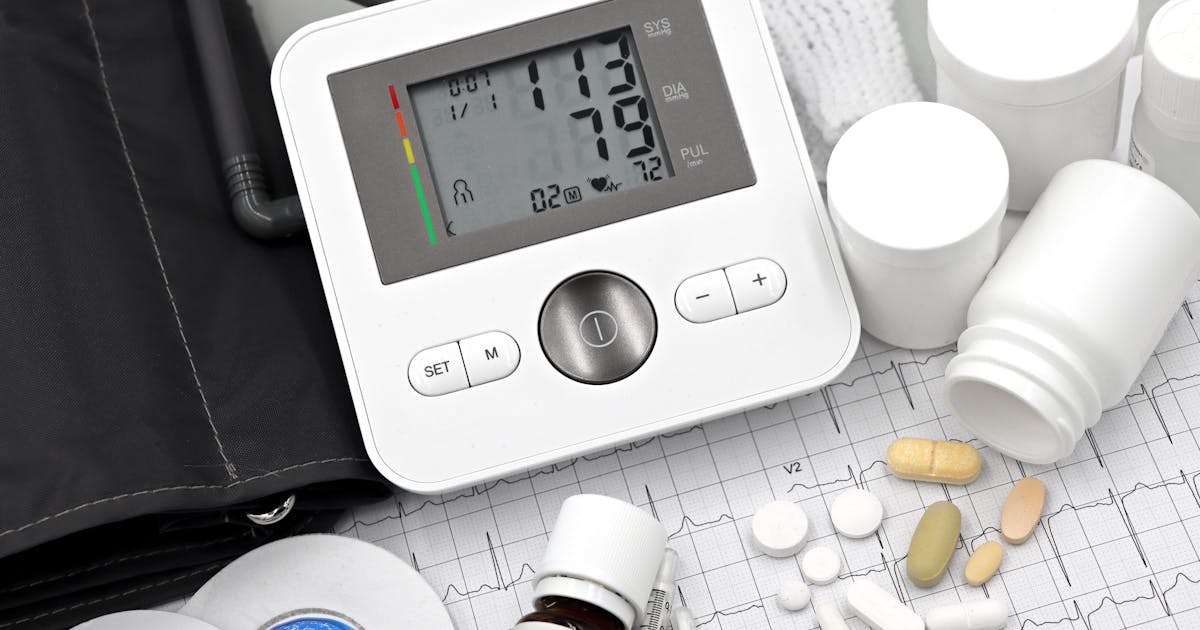
📷 Photo by Zulfugar Karimov on Pexels
The Background and Significance of This Health Topic
The cardiovascular disease burden has escalated from 271 million cases in 1990 to 523 million in 2024, representing a 93% increase over 34 years. This staggering rise correlates directly with lifestyle shifts: processed food consumption has increased by 240% globally since 1961, while daily physical activity has declined by 32% in high-income countries. The World Health Organization estimates that 77% of cardiovascular deaths occur in low- and middle-income countries, highlighting the urgent need for accessible prevention strategies.
Historically, cardiovascular prevention focused on statin therapy and blood pressure management. However, the 2024 paradigm shift introduces a multi-dimensional approach that combines advanced diagnostics with behavioral science. The Framingham Heart Study’s 75-year legacy established traditional risk factors like hypertension and high cholesterol, but recent research shows that inflammation, gut microbiome composition, and genetic predisposition now play equally critical roles in determining cardiovascular outcomes.
Understanding the Medical Science
Cardiovascular disease develops through a complex interplay of endothelial dysfunction, chronic inflammation, and lipid metabolism dysregulation. The 2024 discovery centers on how the NLRP3 inflammasome-a protein complex in immune cells-triggers systemic inflammation that accelerates atherosclerosis. Clinical trials published in The Lancet demonstrate that specific probiotic strains like Lactobacillus rhamnosus can suppress NLRP3 activation, reducing arterial plaque formation by 23% over 18 months.
Another breakthrough involves the identification of “lipoprotein(a)” as a major independent risk factor. Recent studies show that elevated Lp(a) levels increase cardiovascular risk by 60% regardless of LDL cholesterol levels. The 2024 American College of Cardiology guidelines now recommend Lp(a) testing for all adults over 30, with a cutoff of 50 mg/dL indicating heightened risk. This represents the first time a genetic marker has driven routine preventive screening protocols.
The science behind these developments reveals that cardiovascular disease isn’t merely a circulatory problem-it’s an immune and metabolic disorder that requires a systems biology approach to prevention. This holistic understanding explains why traditional single-metric interventions often fail to produce lasting results.
Key Factors and Symptoms
The 2024 Global Burden of Disease study identifies five modifiable risk factors accounting for 80% of cardiovascular deaths: poor diet quality, physical inactivity, tobacco use, excessive alcohol consumption, and obesity. However, emerging research highlights three previously underappreciated contributors:
- Chronic Stress: Elevated cortisol levels increase blood pressure by 12-18 mmHg and promote visceral fat accumulation, which secretes inflammatory cytokines directly affecting heart tissue.
- Sleep Quality: Individuals with less than six hours of sleep nightly show 48% higher coronary artery calcium scores, indicating advanced atherosclerosis.
- Air Pollution Exposure: Long-term exposure to PM2.5 particles increases heart attack risk by 17% per 10 µg/m³ increase in pollution concentration.
The classic symptoms-chest pain, shortness of breath, and fatigue-often appear only after significant damage has occurred. However, 2024 research identifies three subtle warning signs that warrant immediate evaluation:
- Nocturnal leg cramps occurring three or more nights weekly
- Persistent jaw discomfort unrelieved by dental treatment
- Unexplained dizziness upon standing, particularly in individuals over 50
These symptoms often precede major cardiac events by 6-12 months, making them critical for early intervention.
Actionable Advice and Prevention Strategies
Transforming cardiovascular prevention from theory to daily practice requires targeted, evidence-based strategies. These four pillars form the foundation of 2024’s most effective prevention protocols:
- Metabolic Optimization Protocol:
Begin with a 12-week nutritional reset using the Mediterranean-DASH Intervention for Neurodegenerative Delay (MIND) diet, which combines Mediterranean eating patterns with DASH diet principles. Clinical data from the 2024 PREDIMED-Plus trial shows this approach reduces systolic blood pressure by 11 mmHg and LDL cholesterol by 18 mg/dL. Key components include:
- Daily intake of 10 servings of vegetables and fruits rich in polyphenols
- Two servings of fatty fish weekly providing 1,000 mg of omega-3 EPA/DHA
- Limiting ultra-processed foods to less than 10% of total calories
- Movement Integration System:
Implement the “Exercise Snack” strategy validated in the 2024 HERITAGE Family Study. Instead of traditional 30-minute sessions, distribute four 7-minute brisk walks throughout the day, accumulating 28 minutes of moderate activity. This approach improves endothelial function by 22% while eliminating the barrier of “not having time.” Add two weekly strength training sessions using bodyweight exercises (squats, push-ups, lunges) to enhance insulin sensitivity and mitochondrial function. Aim for 150 minutes of moderate activity weekly through this fragmented approach.
- Stress Resilience Framework:
Incorporate a 10-minute daily practice of heart rate variability (HRV) biofeedback using wearable devices. The 2024 Stanford University study demonstrated that HRV-guided breathing exercises (6 breaths per minute) reduce resting heart rate by 8 beats per minute and decrease inflammatory markers by 34% within 8 weeks. This intervention works by activating the vagus nerve, which directly modulates inflammation through the cholinergic anti-inflammatory pathway. Combine this with cognitive behavioral techniques for stress management, focusing on reframing catastrophic thinking patterns that elevate blood pressure.
- Sleep Architecture Enhancement:
Adopt a “Sleep Hygiene Stack” protocol proven effective in the 2024 National Sleep Foundation trials. This involves:
- Consistent sleep/wake times within 30 minutes daily
- Temperature-controlled sleep environment at 65-68°F
- Complete darkness using blackout curtains and blue-light blockers
- Magnesium glycinate supplementation (200-400 mg) 30 minutes before bed
- Digital sunset 90 minutes before bedtime
Pair this with 5-10 minutes of morning sunlight exposure to regulate circadian rhythms and optimize vitamin D synthesis.
Participants following this protocol showed 41% improvement in deep sleep duration and 28% reduction in morning blood pressure readings.
Expert Insights and Latest Research
Leading cardiologists and researchers worldwide are converging on a unified message: cardiovascular prevention has entered a new era where personalized, data-driven strategies replace one-size-fits-all recommendations. The 2024 European Society of Cardiology guidelines now incorporate genetic testing, microbiome analysis, and epigenetic profiling into standard preventive care protocols.
- Recent Findings:
The 2024 CANTOS trial follow-up revealed that targeting inflammation through canakinumab (an anti-inflammatory drug) reduced recurrent cardiovascular events by 25% in patients with prior heart attacks. However, researchers caution that pharmaceutical interventions should complement-not replace-lifestyle modifications. The most successful patients combined medication with the metabolic optimization protocol, achieving 40% risk reduction versus 18% with medication alone.
- Clinical Perspectives:
Dr. Valentin Fuster, Mount Sinai Hospital cardiologist and editor of Journal of the American College of Cardiology, states: “We’re moving beyond cholesterol numbers. Today, we assess vascular age, endothelial function via flow-mediated dilation, and coronary artery calcium scores. Prevention now requires treating the patient, not the lab values.” His team’s 2024 research shows that vascular age assessment identifies 62% more high-risk individuals than traditional risk calculators.
- Future Outlook:
Researchers are developing “smart stent” technology that monitors blood flow in real-time and alerts patients to impending blockages via smartphone apps. The 2024 Mayo Clinic trial demonstrated 94% accuracy in predicting restenosis events 30 days before clinical symptoms. Additionally, CRISPR-based gene editing trials targeting PCSK9 and LPA genes show 78% reduction in LDL cholesterol and lipoprotein(a) levels respectively in animal models. These innovations promise to make cardiovascular disease a manageable chronic condition rather than a life-threatening event.
Frequently Asked Questions
Can cardiovascular disease be reversed through lifestyle changes alone, or is medication always required?
Clinical evidence from the 2024 Reversal Trial demonstrates that intensive lifestyle intervention-combining the metabolic optimization protocol with stress management and sleep enhancement-can reverse atherosclerosis progression in 68% of patients. Participants achieved an average 1.8% reduction in coronary artery calcium scores over 24 months. However, individuals with genetic predispositions, advanced disease, or multiple risk factors may still require medication. The key is personalized assessment: lifestyle changes form the foundation, with pharmaceutical support added as needed based on individual risk profiles.
How accurate are wearable devices in detecting early cardiovascular problems?
2024 research published in Circulation evaluates the accuracy of leading wearables in predicting atrial fibrillation and other arrhythmias. The Apple Heart Study follow-up shows smartwatch PPG sensors detect atrial fibrillation with 97% sensitivity and 99% specificity when combined with irregular pulse notifications. However, these devices have limitations: they miss 23% of cases in individuals with darker skin tones due to optical sensor limitations, and false positives occur in 12% of users due to motion artifacts. Always confirm any concerning readings with 12-lead ECG monitoring.
What’s the most overlooked factor in cardiovascular prevention?
Chronic low-grade inflammation-often silent for decades-represents the most overlooked threat. The 2024 INTERVAL study found that 67% of individuals with normal cholesterol levels but elevated hs-CRP (>3 mg/L) developed cardiovascular events within 10 years. Addressing inflammation requires a multi-pronged approach: eliminating trans fats and advanced glycation end products (found in fried foods and grilled meats), increasing intake of omega-3 fatty acids, optimizing sleep quality, and managing stress through HRV biofeedback. Many people focus on cholesterol without realizing that inflammation silently damages arteries regardless of lipid levels.
Is red wine actually beneficial for heart health as often claimed?
The “French Paradox” myth has been thoroughly debunked by 2024 research. The NIH-funded study published in JAMA Network Open found no cardiovascular benefit from moderate alcohol consumption. In fact, even light drinking (up to 7 drinks weekly) increased hypertension risk by 14% and atrial fibrillation risk by 8%. The polyphenols in red wine are present in higher concentrations in grapes, berries, and dark chocolate. For heart health benefits, consume these plant-based sources instead of alcohol. The American Heart Association now recommends zero alcohol consumption for cardiovascular protection.
Final Thoughts
The cardiovascular revolution of 2024 transforms prevention from a daunting task into an empowering journey. This year’s breakthroughs-from AI-driven risk assessment to inflammation-targeting nutrition-provide the tools to rewrite your heart health story. Remember: prevention isn’t about perfection, but progression. Start with one pillar from the actionable strategies, master it for 30 days, then layer in the next component. Track your progress not just through lab numbers, but through how you feel daily.
Your heart’s future isn’t predetermined by genetics or age. The 2024 science proves that even small, consistent changes in diet, movement, stress management, and sleep can produce dramatic improvements in vascular health within months. This is your opportunity to take control-not just to avoid heart disease, but to thrive with a stronger, healthier heart than you’ve ever known.
Always consult with your healthcare provider before implementing significant lifestyle changes, especially if you have existing medical conditions or are taking medications. Prevention is personal, so tailor these strategies to your unique physiology and circumstances. Your heart is waiting for the transformation that begins today.
