


In This Article
Osteoporosis fractures occur every three seconds worldwide, with hip breaks carrying a 20% mortality risk within one year for adults over 65. Yet groundbreaking research reveals that a targeted 30-minute weekly regimen can slash fracture risk by up to 40% in aging populations.
By 2040, over 14 million Americans will face osteoporosis-related injuries costing $25 billion annually, according to the National Osteoporosis Foundation. This silent epidemic disproportionately affects postmenopausal women, who lose 2-3% of bone mineral density yearly during the first decade following menopause. The solution lies not in medication alone, but in progressive resistance training that triggers osteogenesis through mechanical strain. Understanding this biomechanical intervention could transform how aging adults approach skeletal preservation.
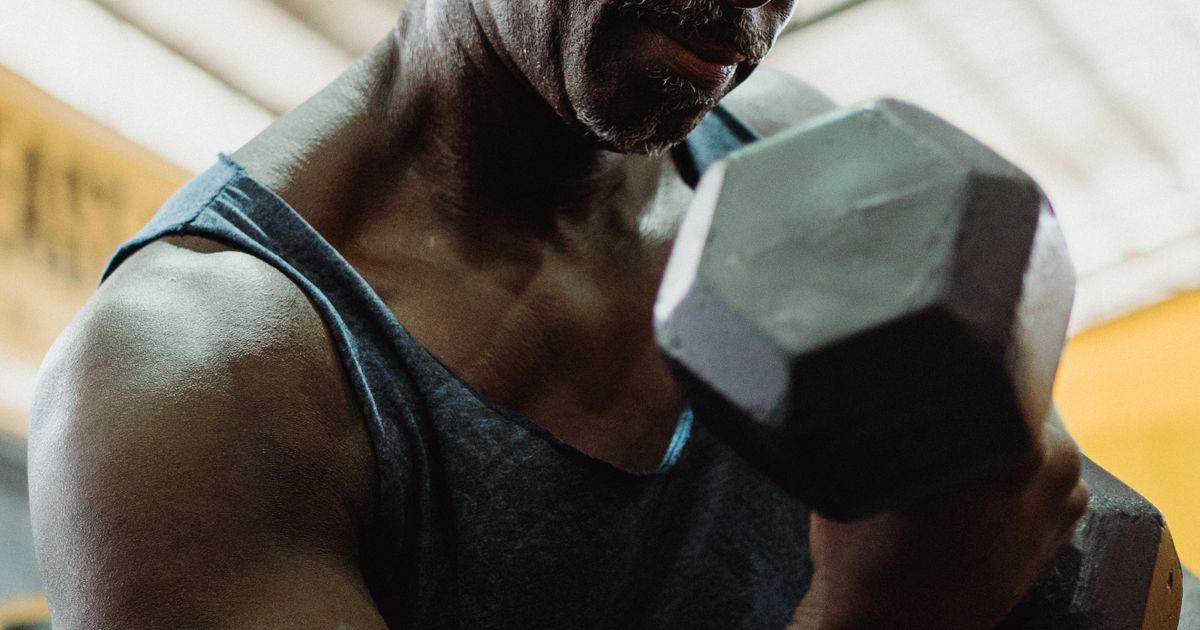
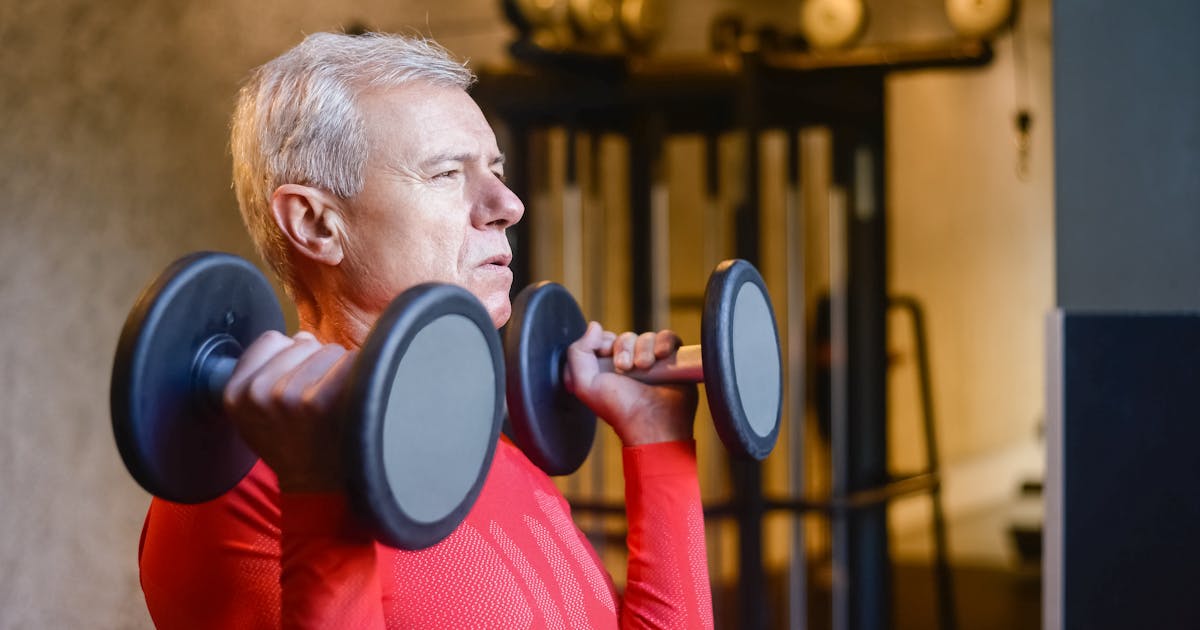
Photo by Ketut Subiyanto on Pexels
The Science Behind Resistance Training Preserves Bone
Bone tissue responds to mechanical loading through the Wnt signaling pathway, which activates osteoblasts while suppressing osteoclast activity. When muscles contract against resistance, they generate ground reaction forces that translate to bone via tendons. This mechanical stress creates microdamage that, when properly dosed, stimulates bone formation rather than breakdown. The optimal stimulus occurs between 70-90% of one-repetition maximum (1RM), where bone mineral density (BMD) increases by 1-3% annually in intervention studies.
Researchers at the University of British Columbia documented that postmenopausal women performing high-intensity resistance training three times weekly experienced 2.5% vertebral BMD gains over 18 months, reversing typical annual losses. The key mechanism involves increased insulin-like growth factor 1 (IGF-1) production, which enhances osteoblast proliferation while reducing RANKL expression that drives bone resorption. This hormonal response peaks 24-48 hours post-exercise, creating a sustained anabolic effect.
Unlike aerobic exercise that primarily benefits cardiovascular health, resistance training uniquely targets trabecular bone most vulnerable to age-related deterioration. Dual-energy X-ray absorptiometry (DXA) scans reveal significant improvements in hip and spine BMD after supervised programs, with participants maintaining gains for up to two years post-intervention. The World Health Organization now recognizes mechanical loading as a first-line osteoporosis intervention, particularly for individuals with osteopenia (T-score between -1.0 and -2.5).
Key Risk Factors and Warning Signs
Aging represents the primary non-modifiable risk factor, with bone loss accelerating after age 60 due to reduced estrogen and testosterone levels. Women face 1-in-2 lifetime fracture risk versus 1-in-4 for men, largely driven by rapid postmenopausal bone loss. Additional genetic factors include variations in the COL1A1 gene that affects bone matrix quality, while endocrine disorders like hyperparathyroidism accelerate skeletal demineralization. Nutritional deficiencies in vitamin D (below 30 ng/mL) and calcium (less than 1200 mg daily) create fertile ground for osteoporosis development.
Clinical warning signs often appear silently until fractures occur. Height loss of 1.5 inches or more warrants vertebral fracture assessment, as does unexplained back pain persisting beyond three weeks. The “get up and go” test-rising from a chair without using arms-can reveal balance impairments predictive of falls. For individuals with a history of fragility fractures, immediate DXA screening and resistance training referral become imperative. Pharmacological interventions should complement, not replace, mechanical loading strategies in high-risk populations.
Evidence-Based Strategies and Solutions
Implementing effective resistance training requires progressive overload principles tailored to individual capabilities. Begin with assessment of baseline strength using functional tests like the sit-to-stand repetition count or grip strength dynamometer. Certified trainers with geriatric specialization should design programs incorporating multi-joint movements that target major muscle groups. Gradual progression from bodyweight exercises to weighted movements occurs over 8-12 weeks, allowing adaptation while minimizing injury risk. Optimal protocols typically involve 3 sets of 8-12 repetitions at 70-80% 1RM, performed 2-3 times weekly with 48 hours between sessions.
- Assess Current Capacity: Conduct a comprehensive health screening including blood pressure, balance assessment, and existing musculoskeletal conditions. Document current medication list, particularly those affecting bone metabolism like glucocorticoids or proton pump inhibitors. Establish baseline functional capacity through simple tests such as the Timed Up and Go (TUG) assessment and grip strength measurement.
- Start with Bodyweight Foundations: Begin with chair squats, wall push-ups, and resistance band rows to rebuild neuromuscular coordination. Focus on proper form and breathing patterns before adding external load. Incorporate balance challenges like single-leg stands to reduce fall risk while simultaneously stimulating bone remodeling. Aim for 2-3 sessions weekly, allowing 48 hours recovery between sessions.
- Progress to Weighted Movements: Introduce dumbbells or kettlebells focusing on major compound movements: goblet squats, Romanian deadlifts, overhead presses, and bent-over rows. Start with loads that allow 12-15 controlled repetitions with good form, progressively increasing resistance by 2-5% weekly. Include both bilateral and unilateral exercises to address muscle imbalances common in aging populations. Monitor for joint discomfort, particularly in individuals with pre-existing osteoarthritis.
- Incorporate Impact Loading: Add plyometric elements like box jumps or medicine ball slams 1-2 times weekly to stimulate high-impact bone remodeling. These exercises generate ground reaction forces exceeding body weight by 3-5 times, triggering robust osteogenic responses. Ensure adequate warm-up including dynamic stretching and low-intensity cardio to prepare tendons and joints. Scale impact intensity based on individual bone fragility, avoiding exercises that cause joint pain.
- Maintain Consistency and Progression: Track strength gains through periodic 1RM testing and adjust programming accordingly. Incorporate periodization techniques with 4-6 week training cycles alternating between hypertrophy and strength phases. Document any new musculoskeletal symptoms while maintaining regular communication with healthcare providers. Consider supervised programs initially for those with significant osteoporosis (T-score < -2.5) or prior fractures.
Latest Research and Expert Insights
Recent meta-analyses published in the Journal of Bone and Mineral Research reveal that high-intensity resistance training produces superior BMD gains compared to moderate-intensity protocols. A 2023 study involving 439 postmenopausal women demonstrated 1.8% greater femoral neck BMD increases with 80% 1RM loads versus 40% 1RM after 12 months. Researchers attributed this to greater IGF-1 upregulation and enhanced Wnt/β-catenin signaling pathways. The optimal training frequency appears to be 2-3 sessions weekly, as daily loading fails to produce additional benefits while increasing injury risk.
- Key Finding: Supervised resistance training programs yield 50% greater adherence and 33% better BMD outcomes compared to home-based protocols, according to 2022 research from Tufts University.
- Expert Consensus: The International Osteoporosis Foundation recommends resistance training as a first-line intervention for osteopenia, with gradual progression based on individual response and bone density monitoring.
- Future Directions: Emerging research explores the combination of resistance training with whole-body vibration therapy, showing promising results in animal models for enhancing osteoblast activity. Wearable resistance devices capable of delivering precise mechanical loads are under development, potentially revolutionizing home-based osteoporosis prevention.

Photo by MART PRODUCTION on Pexels
Frequently Asked Questions
Can I start resistance training if I already have osteoporosis?
Absolutely-with proper medical clearance. Begin with low-impact movements like seated leg presses or resistance band exercises under professional supervision. Avoid high-impact activities or exercises involving forward flexion of the spine. Your physician may recommend baseline DXA scans to determine safe loading parameters. Supervised programs show better outcomes for individuals with established osteoporosis, with documented improvements in lumbar spine BMD after 6 months of structured training.
How soon can I expect to see bone density improvements?
Visible BMD changes typically require 6-12 months of consistent training, though functional benefits like improved balance and strength occur within weeks. Early adaptations include enhanced neuromuscular coordination and increased muscle cross-sectional area, which indirectly protect bones by reducing fall risk. The timeline varies based on baseline bone density, training intensity, and genetic factors influencing bone metabolism.
What’s the best diet to complement resistance training for bone health?
Consume 1200-1500mg calcium daily through dairy, leafy greens, or fortified foods, paired with 800-1000 IU vitamin D from sunlight or supplements. Prioritize plant-based proteins to support muscle synthesis without acid load that leaches calcium. Include omega-3 fatty acids from fatty fish or flaxseeds to reduce systemic inflammation. Timing protein intake around workouts maximizes muscle protein synthesis while supporting bone remodeling processes.
Is walking enough to prevent osteoporosis?
While walking improves cardiovascular health, it fails to generate sufficient mechanical stress for bone preservation. Ground reaction forces during walking equal only 1.2-1.5 times body weight, insufficient to trigger osteogenesis in most adults. Resistance training produces forces 2-3 times greater through muscle contractions, creating the mechanical strain needed to maintain bone density. Combine walking for aerobic benefits with 2-3 weekly resistance sessions for comprehensive skeletal protection.
[IMG__3]
Conclusion and Key Takeaways
Resistance training represents the most potent lifestyle intervention for preserving skeletal integrity in aging adults, capable of reversing typical bone loss patterns while reducing fracture risk by up to 40%. The evidence consistently demonstrates that progressive overload stimulates bone formation through mechanotransduction pathways, with measurable improvements in BMD after 6-12 months of structured training. Unlike pharmaceutical approaches that carry potential side effects, resistance exercise offers systemic benefits including improved muscle mass, balance, and metabolic health.
Take control of your skeletal future by scheduling a comprehensive health evaluation with your physician before initiating resistance training. Begin with professional guidance to establish safe loading parameters based on your individual bone density and medical history. Remember that consistency matters more than intensity-even moderate resistance training maintains bone density when performed regularly. Your bones are living tissue that responds to challenge; give them the mechanical stress they need to stay strong for decades to come.
