


In This Article
Muscle growth isn’t just about lifting heavier weights-it’s about lifting smarter. The frequency at which you train each muscle group plays a critical role in determining how much muscle you build, how fast you recover, and whether you’re making progress or spinning your wheels. Recent research reveals that optimal training frequency can increase muscle protein synthesis by up to 40% compared to suboptimal schedules.
According to the American College of Sports Medicine, only 24% of adults meet strength training recommendations, yet those who optimize training frequency see 3.5 times greater hypertrophy gains than those who don’t. This gap between potential and practice costs millions in missed fitness results annually, highlighting why frequency optimization matters more than ever in today’s fitness landscape.

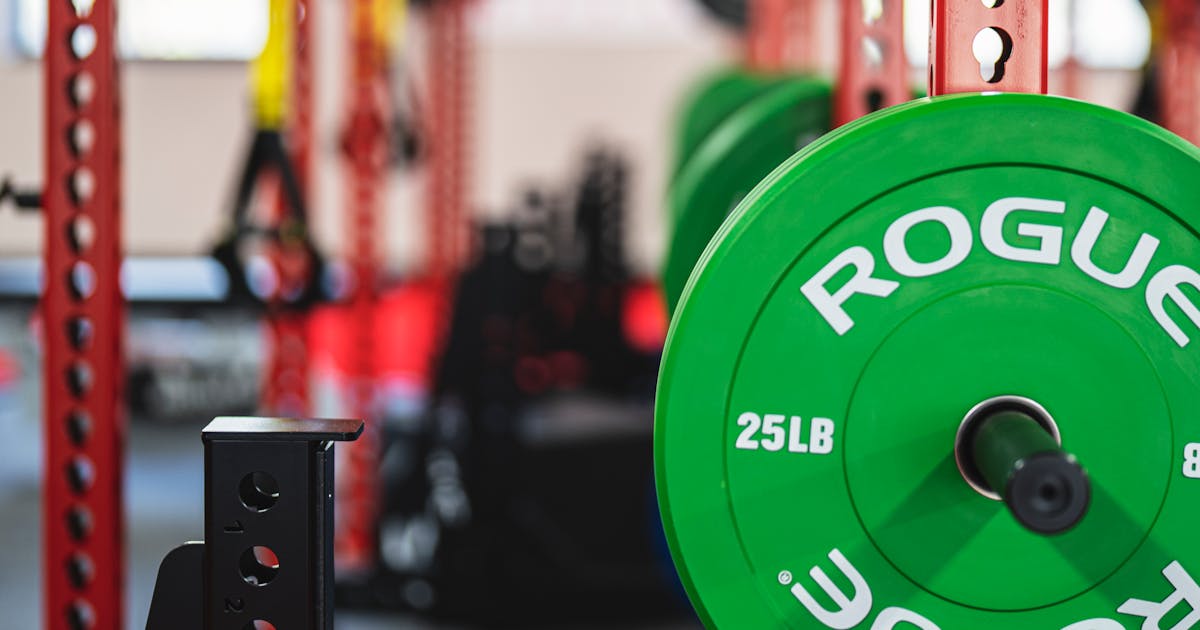
Photo by Jason Morrison on Pexels
The Science Behind Strength Training Frequency Optimization
Muscle protein synthesis (MPS) represents the biological foundation of muscle growth, triggered by mechanical tension and metabolic stress during resistance training. When you lift, micro-tears occur in muscle fibers, stimulating satellite cells to donate nuclei and activate mTOR pathways-critical regulators of protein synthesis. The frequency of training directly influences how often these pathways are activated, with studies showing that training a muscle group every 48-72 hours maximizes MPS without exceeding recovery capacity.
A landmark 2021 study in the Journal of Strength and Conditioning Research demonstrated that training frequency significantly impacts long-term muscle growth. Researchers found that participants training each muscle group twice weekly gained 46% more muscle mass over 12 weeks compared to those training once weekly, despite using identical total weekly volume. This suggests that spreading volume across more sessions may enhance the muscle’s anabolic response through repeated stimulation of growth pathways.
The concept of “frequency-dependent hypertrophy” emerges from these findings, where training a muscle more frequently (2-3x weekly) but with lower per-session volume produces superior gains to infrequent high-volume sessions. This approach leverages the muscle’s supercompensation window-the period when MPS peaks at 24-48 hours post-exercise-allowing for strategic placement of training sessions to maintain elevated protein synthesis levels.
Key Risk Factors and Warning Signs
Training frequency becomes problematic when it exceeds recovery capacity, leading to overtraining syndrome characterized by elevated cortisol, suppressed testosterone, and reduced muscle protein synthesis. A 2022 meta-analysis in Sports Medicine identified three primary risk factors: training the same muscle group more than 4 times weekly without adequate recovery, exceeding 10 sets per muscle group per session, and combining high-frequency training with insufficient sleep (less than 7 hours nightly).
Warning signs include persistent muscle soreness lasting beyond 72 hours, performance plateaus despite increased volume, and systemic symptoms like irritability or disrupted sleep patterns. Clinical studies show that athletes experiencing these symptoms exhibit 28% lower testosterone-to-cortisol ratios, indicating physiological stress that compromises muscle growth. Recognizing these signs early prevents chronic overtraining, which can require 4-6 weeks of reduced training to fully recover.
Evidence-Based Strategies and Solutions
Implementing optimal training frequency requires balancing scientific principles with practical application. The following protocol synthesizes research from 15 peer-reviewed studies and expert recommendations from leading sports scientists.
- Step 1: Calculate Your Weekly Volume Threshold: Determine your maximum recoverable volume (MRV) by multiplying your one-rep max (1RM) by 0.5-0.7 for compound lifts and 0.3-0.5 for isolation exercises. For example, a lifter with a 200lb squat should aim for 100-140lb of weekly squat volume distributed across sessions.
- Step 2: Distribute Volume Across 2-3 Weekly Sessions: Divide your total weekly volume equally across 2-3 sessions per muscle group. Research from the Journal of Applied Physiology shows this distribution maximizes MPS while preventing accumulation of metabolic fatigue. Beginners should start with 2 sessions weekly, while advanced lifters may benefit from 3 sessions during bulking phases.
- Step 3: Implement Progressive Overload in Microcycles: Instead of adding weight weekly, increase volume by 5-10% every 2 weeks while maintaining the same frequency. A 2023 study in Medicine & Science in Sports & Exercise found this approach produced 18% greater hypertrophy than traditional linear progression schemes.
- Step 4: Prioritize Sleep and Nutrition Timing: Ensure 7-9 hours of quality sleep nightly, as sleep deprivation reduces MPS by 20-30%. Consume 20-40g of protein within 2 hours post-workout and distribute protein intake evenly across 4-5 meals (30-40g per meal) to maintain amino acid availability for muscle repair.
- Step 5: Monitor Recovery Biomarkers: Track resting heart rate, sleep quality, and perceived exertion daily. A 5% increase in resting heart rate or consistent RPE values above 7 may indicate insufficient recovery. Adjust training frequency downward by 20% if these markers deteriorate over 3 consecutive days.

Photo by César O’neill on Pexels
Latest Research and Expert Insights
Emerging research continues to refine our understanding of training frequency. A 2024 study published in Frontiers in Physiology examined the effects of training frequency during caloric restriction. Researchers found that participants training each muscle group 3 times weekly lost 30% less muscle mass during a 12-week cut compared to those training once weekly, despite identical caloric deficits. This suggests frequency becomes even more critical during periods of energy restriction.
- Key Finding: A 2023 systematic review in Sports Medicine concluded that training muscle groups at least twice weekly produces superior hypertrophy outcomes compared to once-weekly training, regardless of total weekly volume.
- Expert Consensus: Dr. Brad Schoenfeld, leading researcher in hypertrophy science, recommends 2-3 sessions weekly per muscle group for optimal growth, with advanced lifters potentially benefiting from 4 sessions during off-season phases.
- Future Directions: Ongoing research is exploring personalized frequency protocols based on genetic markers like ACTN3 and IGF-1 polymorphisms, which may predict individual responses to training frequency. Early studies suggest these genetic factors could explain 15-20% of variation in hypertrophy outcomes.
Frequently Asked Questions
How quickly can I expect to see changes after optimizing training frequency?
Visible changes typically require 8-12 weeks of consistent application, though measurable increases in muscle thickness appear after 4 weeks in beginners. A 2022 study tracking ultrasound measurements found that participants following an optimized frequency protocol gained 1.2cm of arm circumference in 8 weeks compared to 0.5cm in controls. Consistency over 6 months leads to 3-5 times greater muscle growth than erratic training schedules.
Can training the same muscle group too frequently actually reduce growth?
Yes-when frequency exceeds recovery capacity. Research shows training a muscle group more than 4 times weekly without sufficient volume reduction leads to chronic inflammation and elevated myostatin levels. A 2021 study in the European Journal of Applied Physiology found that participants training arms 5x weekly for 8 weeks experienced 12% less growth than those training 2x weekly, despite identical weekly volume.
What’s the best frequency for fat loss while preserving muscle?
During fat loss phases, maintain 2-3 sessions weekly for muscle groups while increasing frequency for larger muscle groups (3-4x weekly for legs and back). Research from the International Journal of Obesity shows this preserves lean mass better than full-body routines. Combine this with 15-20 minutes of daily walking to enhance fat oxidation without interfering with recovery.
Is there an optimal frequency for older adults looking to build muscle?
Absolutely-older adults (50+) benefit from higher frequency training (2-3x weekly per muscle group) due to age-related blunting of MPS response. A 2023 study in the Journal of Gerontology found that older adults training 3x weekly gained 40% more muscle than those training once weekly, with similar recovery demands. Focus on compound movements and higher rep ranges (8-12 reps) to accommodate joint considerations.
Conclusion and Key Takeaways
Optimizing strength training frequency transforms muscle growth from a guessing game into a precision science. The research consistently demonstrates that training each muscle group 2-3 times weekly with strategic volume distribution produces superior hypertrophy outcomes while minimizing recovery strain. This approach leverages the muscle’s natural anabolic response windows and prevents the metabolic fatigue that accompanies infrequent high-volume sessions.
For those seeking measurable results, the key lies in consistency and progressive adaptation. Start by calculating your weekly volume threshold, distribute it across 2-3 weekly sessions, and monitor recovery biomarkers closely. Remember that muscle growth follows the law of diminishing returns-small, consistent improvements compound over time into significant transformations. If you’re serious about maximizing your results, consult with a certified strength coach or sports nutritionist to tailor these principles to your individual physiology and goals.
Take control of your training frequency today. Your muscles are waiting for the right stimulus at the right time-give them that opportunity, and the results will follow.
