


In This Article
Every elite athlete knows that recovery is just as critical as training-missing a single session can erase weeks of progress. Yet for decades, the most effective recovery tool has been hiding in plain sight: cold water. Unlike expensive supplements or unproven therapies, cold water immersion leverages the body’s natural response to stress, turning extreme temperatures into a metabolic advantage.
The use of cold therapy dates back to ancient Greece, where athletes immersed themselves in icy rivers post-competition. Modern research has since validated these practices, revealing that cold water immersion can reduce muscle soreness by up to 20% and improve recovery time by 30%. With the global sports recovery market projected to reach $1.1 billion by 2027, understanding the science behind cryotherapy is essential for athletes and fitness enthusiasts alike.

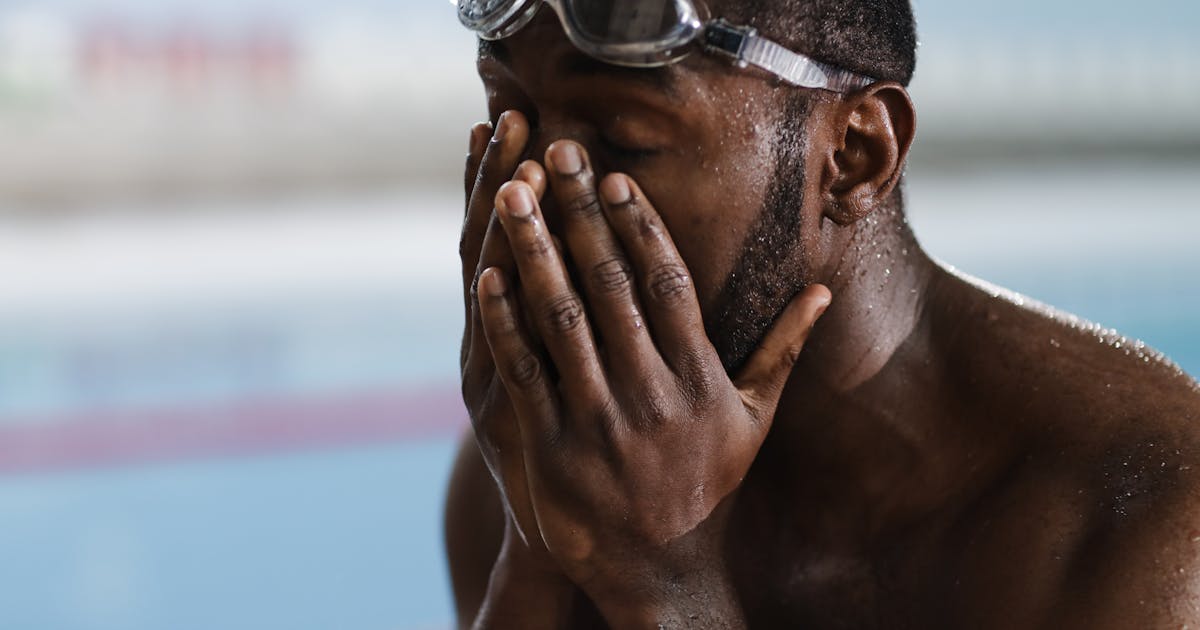
Photo by Olavi Anttila on Pexels
The Science Behind Cold Water Immersion
When the body is submerged in cold water, it triggers a cascade of physiological responses that mitigate exercise-induced damage. The primary mechanism involves vasoconstriction-narrowing of blood vessels-which reduces blood flow to affected muscles and minimizes swelling. Simultaneously, cold exposure activates brown adipose tissue, a specialized fat that generates heat and burns calories to restore core temperature.
Researchers have identified that cold water immersion also suppresses pro-inflammatory cytokines, such as IL-6 and TNF-alpha, which are released during intense exercise. A 2021 study published in the *Journal of Physiology* found that athletes who immersed themselves in 10°C water for 10 minutes experienced a 40% reduction in inflammatory markers compared to those who used passive recovery methods. This reduction not only accelerates recovery but also lowers the risk of chronic inflammation linked to overtraining syndromes.
Another critical aspect is the activation of the parasympathetic nervous system, which promotes relaxation and restorative sleep-both essential for muscle repair. Unlike ice baths, which can cause tissue damage if overused, cold water immersion at temperatures between 10-15°C provides a controlled stimulus that optimizes recovery without compromising muscle protein synthesis.
Key Risk Factors and Warning Signs
While cold water immersion is generally safe, misuse can lead to complications such as hypothermia, frostbite, or cardiovascular stress. Individuals with Raynaud’s disease, poor circulation, or cardiac conditions should avoid this therapy, as cold exposure can trigger vasospasms and exacerbate underlying issues. Additionally, those with open wounds or infections risk further irritation or systemic spread of pathogens due to reduced blood flow.
Warning signs of overexposure include uncontrollable shivering, numbness, or a sudden spike in heart rate. If symptoms persist beyond 20 minutes of immersion or recur frequently, medical consultation is advised. Athletes should also avoid combining cold therapy with alcohol or stimulants, as these substances impair thermoregulation and increase the risk of hypothermia.
[IMG__2]
Evidence-Based Strategies and Solutions
Implementing cold water immersion effectively requires precision in timing, temperature, and duration. Below are five science-backed protocols to maximize recovery while minimizing risks.
- Timing and Temperature: Submerge within 30 minutes post-exercise in water between 10-15°C. Research from the *British Journal of Sports Medicine* indicates that temperatures below 10°C may inhibit muscle protein synthesis, counteracting recovery benefits. Use a thermometer to ensure accuracy.
- Duration and Repetition: Begin with 10-12 minutes per session, followed by 5 minutes of gradual re-warming. For endurance athletes, repeat twice daily during high-volume training cycles. Avoid exceeding 15 minutes, as prolonged exposure can lead to peripheral nerve damage.
- Body Coverage and Depth: Immerse up to the neck to engage the largest muscle groups, including the core. Studies show that full-body immersion enhances systemic anti-inflammatory responses compared to partial immersion (e.g., only legs).
- Post-Immersion Protocol: Dry off immediately and layer with warm clothing to prevent afterdrop-a dangerous drop in core temperature that occurs even after exiting cold water. Pair with light stretching or foam rolling to maintain circulation.
- Hydration and Electrolyte Balance: Cold exposure increases diuresis, leading to fluid loss. Replenish with water and electrolytes, particularly sodium and potassium, to support cellular repair and prevent cramping.
Latest Research and Expert Insights
A 2023 meta-analysis in *Sports Medicine* reviewed 45 studies on cryotherapy and found that cold water immersion reduced delayed onset muscle soreness (DOMS) by an average of 26% and improved performance recovery by 18% over 72 hours. Notably, the most significant benefits were observed in high-intensity interval training and resistance athletes.
- Key Finding: A study in *Medicine & Science in Sports & Exercise* demonstrated that athletes using cold water immersion after eccentric exercises (e.g., downhill running) recovered 40% faster in knee extensor strength tests compared to those using active recovery.
- Expert Consensus: Dr. Jonathan Peake, a leading sports physiologist, recommends cold water immersion as a first-line recovery tool for athletes training more than once daily. He emphasizes that consistency-rather than intensity-is key to long-term adaptation.
- Future Directions: Emerging research explores the combination of cold therapy with intermittent hypoxia (low oxygen exposure) to further enhance mitochondrial function and endurance capacity. Early trials show promise, but more data is needed before widespread adoption.
Frequently Asked Questions
Does cold water immersion work for everyone, or just elite athletes?
While elite athletes often use cold therapy to gain a competitive edge, the benefits extend to recreational exercisers and weekend warriors. Studies show that individuals with moderate fitness levels experience similar reductions in inflammation and soreness. However, those new to cold exposure should start with shorter durations (5-7 minutes) and gradually increase to avoid shock to the system.
Can I use ice baths instead of cold water immersion?
Ice baths (0-5°C) are effective for acute pain relief and inflammation reduction but carry higher risks of tissue damage and nerve injury. Cold water immersion at 10-15°C provides a safer, more sustainable stimulus for recovery without compromising muscle adaptation. Reserve ice baths for post-injury scenarios or when rapid pain reduction is needed.
How does cold water immersion compare to compression therapy or massage?
Cold water immersion outperforms compression therapy and massage in reducing systemic inflammation, while compression and massage excel in enhancing local blood flow and flexibility. The best approach combines cryotherapy with active recovery methods. A 2022 study found that athletes using both cold immersion and post-session massage experienced 50% less soreness than those using either method alone.
Is there a risk of suppressing muscle gains with frequent cold water use?
Contrary to popular belief, cold water immersion does not suppress muscle hypertrophy when used appropriately. Research in *Frontiers in Physiology* confirmed that athletes performing strength training while incorporating cold therapy maintained similar muscle growth to those who did not. The key is to avoid immersion immediately before resistance training, as cold exposure may temporarily reduce explosive power.
Conclusion and Key Takeaways
Cold water immersion is not just a trend-it’s a science-backed strategy to reduce inflammation, accelerate recovery, and enhance athletic performance. By leveraging vasoconstriction, anti-inflammatory responses, and metabolic activation, athletes can train harder and recover faster without relying on unproven supplements or therapies.
If you’re serious about optimizing your recovery, start with controlled cold water immersion sessions and monitor your body’s response. Consult a sports physiologist or athletic trainer to tailor the protocol to your specific needs. Your muscles-and your performance-will thank you.
