


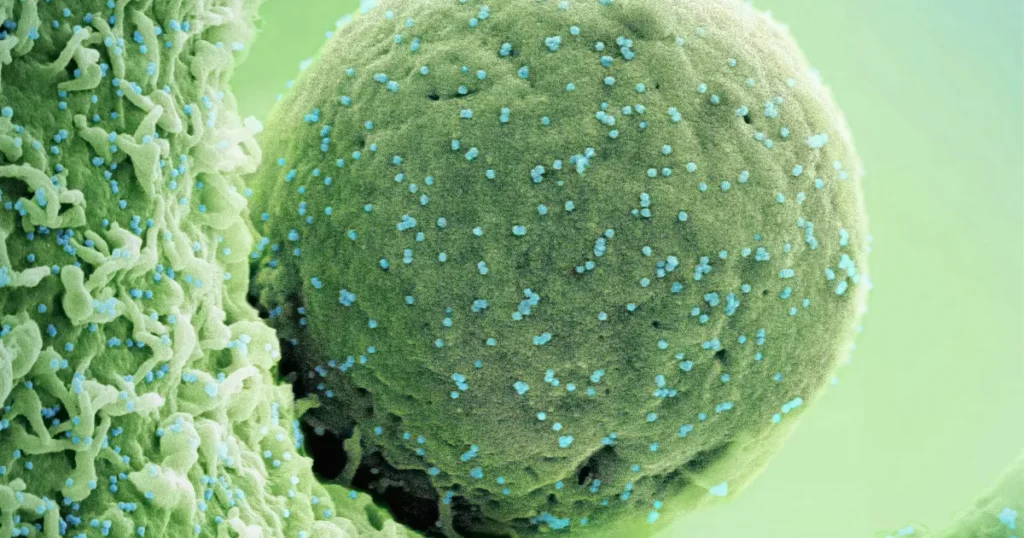
Did you know that infections are responsible for over 13 million deaths worldwide each year? Understanding common infection symptoms and prevention tips isn’t just about avoiding a minor illness; it’s about safeguarding your health and contributing to community well-being. From the sniffles of a common cold to more severe bacterial invaders, our bodies are constantly navigating a world full of microbes. This article will equip you with essential knowledge, helping you recognize early warning signs and implement effective strategies to stay healthy and resilient, especially as we move further into 2026.
Quick Answer: Common infection symptoms often include fever, fatigue, body aches, and localized pain or swelling. Effective prevention hinges on robust hand hygiene, timely vaccinations, maintaining a healthy lifestyle, and avoiding close contact with sick individuals to reduce transmission risks.
Understanding Different Infection Types
Infections manifest in various forms, primarily categorized by the type of pathogen causing them. Viral infections, like the common cold, flu, or COVID-19, are caused by viruses that hijack host cells to replicate. They often present with respiratory symptoms, fever, and general malaise. Antibiotics are ineffective against viruses, meaning treatment usually focuses on managing symptoms and allowing the body’s immune system to fight off the invader naturally. Understanding these distinctions is crucial for appropriate self-care and knowing when to seek professional medical advice.
Bacterial infections, conversely, are caused by bacteria and can range from mild conditions like strep throat to serious illnesses such as pneumonia or urinary tract infections. Unlike viruses, bacteria are single-celled organisms that can reproduce independently. They can often be effectively treated with antibiotics, which work by killing the bacteria or inhibiting their growth. Fungal infections, like athlete’s foot or yeast infections, and parasitic infections, though less common in developed nations, also represent distinct categories, each requiring specific diagnostic and treatment approaches to ensure recovery.
Recognizing General Infection Symptoms
While specific infections have unique indicators, several general symptoms frequently signal that your body is fighting off an invader. Fever, characterized by an elevated body temperature, is a primary defense mechanism, indicating the immune system is actively engaged. Fatigue and generalized body aches are also common, as your body diverts energy to combat the infection. These non-specific symptoms can make early diagnosis challenging but serve as important cues to pay closer attention to your body’s signals and consider potential exposure to pathogens.
Other widespread signs include chills, sweats, headache, and a general feeling of being unwell, often referred to as malaise. Inflammation, which might present as redness, swelling, warmth, or pain in a specific area, is another common response to infection. For example, a sore throat indicates inflammation in the pharynx, while a swollen joint could signify a localized infection. Paying attention to the onset, duration, and severity of these symptoms can provide valuable clues about the nature and progression of a potential infection, guiding subsequent actions.
Spotting Respiratory Infection Signs
Respiratory infections, which affect the airways and lungs, are among the most prevalent types. Common symptoms include coughing, sneezing, sore throat, and nasal congestion or a runny nose. These can range from mild, as seen with the common cold, to severe, as with influenza or bronchitis, potentially leading to shortness of breath or chest pain. Recognizing these specific signs early allows for prompt action, such as self-isolation and symptom management, to prevent further spread and alleviate discomfort.
More severe respiratory infections might present with a high fever, persistent cough producing mucus, and difficulty breathing. These advanced symptoms warrant immediate medical attention. Understanding the distinction between a minor irritation and a potentially serious respiratory illness is vital for effective health management in 2026. Simple measures like wearing a mask in crowded indoor spaces and practicing good cough etiquette can significantly reduce the transmission of these airborne pathogens.
Proactive Prevention Strategies
The cornerstone of preventing infections is maintaining excellent personal hygiene. Regular and thorough handwashing with soap and water for at least 20 seconds, especially after coughing, sneezing, using the restroom, and before eating, significantly reduces the spread of germs. If soap and water are unavailable, an alcohol-based hand sanitizer with at least 60% alcohol can be an effective alternative. This simple yet powerful habit interrupts the transmission chain for many common pathogens, protecting both yourself and those around you.
Vaccinations represent another critical line of defense against numerous infectious diseases. Staying up-to-date with recommended immunizations for diseases like influenza, measles, tetanus, and COVID-19 can significantly reduce your risk of contracting severe illnesses and spreading them to vulnerable populations. Beyond hygiene and vaccines, a healthy lifestyle strengthens your immune system. This includes eating a balanced diet rich in fruits and vegetables, getting adequate sleep, engaging in regular physical activity, and managing stress effectively. These combined efforts create a robust internal defense against potential threats. For more detailed information on recommended vaccines, consider consulting resources from the Centers for Disease Control and Prevention (CDC).
When to Seek Medical Attention
While many infections resolve on their own with rest and home care, knowing when to seek professional medical attention is crucial. Persistent high fever (above 103°F or 39.4°C), severe pain that doesn’t improve, difficulty breathing, sudden dizziness, confusion, or a stiff neck are all red flags that warrant immediate medical evaluation. These symptoms could indicate a serious infection requiring prompt diagnosis and treatment, potentially preventing severe complications or even life-threatening conditions. Do not delay in contacting a healthcare provider if you experience any of these concerning signs.
Additionally, if your symptoms worsen significantly, do not improve after several days of self-care, or if you belong to a high-risk group (e.g., infants, elderly, immunocompromised individuals, or those with chronic conditions), it’s always prudent to consult a doctor. Early detection and intervention can make a substantial difference in recovery outcomes. Trust your instincts; if something feels seriously wrong, it’s better to be cautious and seek expert advice. For reliable health information, you can always refer to reputable sources like the World Health Organization (WHO).
Key Takeaways
- Recognize common symptoms like fever and fatigue as early indicators of infection.
- Practice diligent hand hygiene and stay current with vaccinations to prevent spread.
- Maintain a healthy lifestyle, including diet, sleep, and exercise, to boost immunity.
- Seek medical advice promptly for severe, worsening, or persistent symptoms, especially if high-risk.
Frequently Asked Questions
What are the most common ways infections spread?
Infections primarily spread through direct contact (touching an infected person), indirect contact (touching contaminated surfaces), airborne transmission (breathing in droplets from coughs or sneezes), and vector-borne transmission (through insects or animals). Good hygiene and avoiding sick individuals are key to breaking these chains of transmission.
How can I boost my immune system naturally?
To naturally boost your immune system, prioritize a balanced diet rich in fruits, vegetables, and whole grains, ensure you get 7-9 hours of quality sleep nightly, engage in regular moderate exercise, manage stress effectively, and stay adequately hydrated. Avoiding smoking and excessive alcohol consumption also plays a vital role.
When should I worry about a fever?
You should generally worry about a fever if it’s over 103°F (39.4°C), if it’s accompanied by severe symptoms like confusion, difficulty breathing, or a stiff neck, or if it persists for more than 48-72 hours without improvement. For infants under three months, any fever warrants immediate medical attention.
Are antibiotics effective against all types of infections?
No, antibiotics are only effective against bacterial infections. They do not work against viral infections like the common cold, flu, or COVID-19. Misusing antibiotics for viral infections can lead to antibiotic resistance, making future bacterial infections harder to treat. Always consult a healthcare professional for proper diagnosis and treatment.
Conclusion
Navigating the landscape of common infection symptoms and prevention tips is an ongoing journey that empowers us to live healthier lives. By staying informed, practicing proactive hygiene, embracing vaccinations, and understanding when to seek professional help, we can significantly reduce our risk of illness and contribute to a healthier community. Remember, your vigilance is a powerful tool against disease, ensuring a more resilient and vibrant 2026 for everyone. What steps will you take today to fortify your health?
