


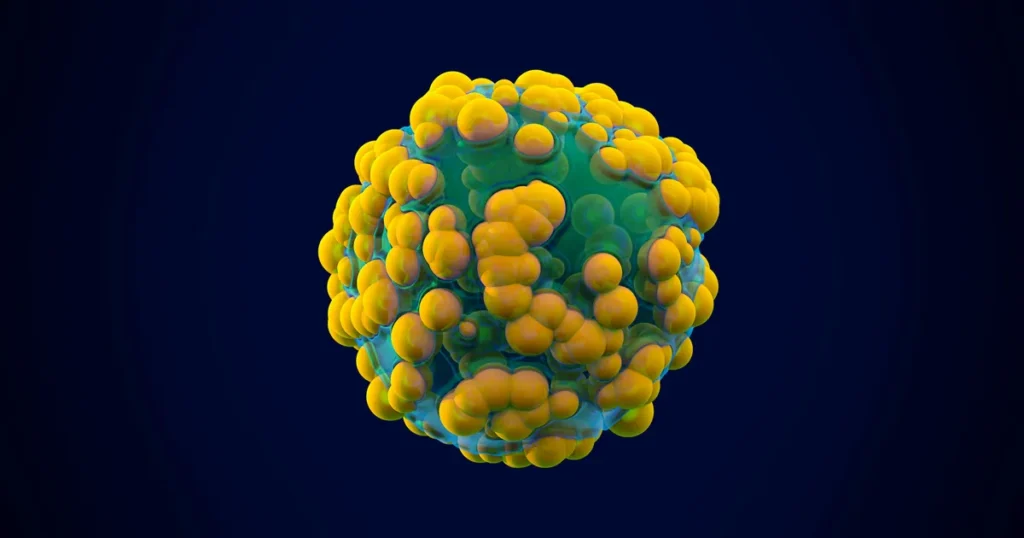
Imagine a world where a diagnosis of a rare disease no longer spells a lifelong struggle with limited options, but rather ignites hope for a targeted, personalized cure. This transformative vision is rapidly becoming a reality thanks to advanced immunotherapy research breakthroughs for rare diseases, a field I’ve followed with profound interest and personal investment for years. It’s truly astonishing how our understanding of the immune system, once a mysterious black box, is now unlocking therapies that can reprogram the body’s own defenses to combat conditions previously deemed untreatable. This isn’t just incremental progress; it’s a paradigm shift, offering a beacon of light to millions suffering from conditions that affect only a small fraction of the population globally.
The Immune System: Our Inner Healer Unleashed
For decades, treating rare diseases often meant managing symptoms, slowing progression, or simply providing palliative care. The underlying mechanisms were frequently too complex or too unique to develop broad-spectrum drugs. However, immunotherapy has flipped this script entirely by leveraging the body’s innate ability to fight disease. Instead of introducing foreign substances, we’re now learning to fine-tune and empower immune cells, turning them into highly specific agents capable of identifying and eliminating aberrant cells or correcting dysfunctional pathways unique to a patient’s condition. This approach promises not just treatment, but the potential for genuine, long-lasting remission or even cure, a concept that was once unimaginable for many rare disorders.
The beauty of immunotherapy lies in its inherent specificity and adaptability. Our immune system is designed to distinguish between self and non-self, and with advanced engineering, we can teach it to recognize the subtle markers of rare diseases. This could involve training T-cells to target specific mutated proteins or using antibodies to block disease-driving pathways. It’s a highly personalized form of medicine, moving away from a one-size-fits-all approach and towards therapies tailored to an individual’s unique genetic and immunological profile. This level of precision is crucial when dealing with the heterogeneous nature of rare diseases, where even within the same diagnosis, patient responses can vary dramatically.
CAR T-Cell Therapy: A New Horizon for Genetic Ills
One of the most exciting advanced immunotherapy research breakthroughs for rare diseases is the evolution of Chimeric Antigen Receptor (CAR) T-cell therapy. Initially making waves in certain blood cancers, this revolutionary approach involves extracting a patient’s own T-cells, genetically modifying them in a lab to express a CAR that targets specific antigens on diseased cells, and then reinfusing them back into the patient. For rare diseases, particularly those with a clear genetic component leading to aberrant protein expression, CAR T-cells offer an unprecedented level of targeted destruction. The potential to engineer T-cells to seek out and eradicate cells expressing problematic proteins, or even those involved in autoimmune rare conditions, is nothing short of breathtaking.
While the initial focus of CAR T-cell therapy has been on oncology, its application in rare, non-cancerous diseases is rapidly expanding. Researchers are exploring its use in conditions like systemic lupus erythematosus, a severe autoimmune disease, by targeting B-cells that produce harmful autoantibodies. Furthermore, for rare genetic disorders where specific cell types are dysfunctional, CAR T-cells could potentially be engineered to eliminate those cells, paving the way for replacement therapies or allowing healthier cells to thrive. This technology is still in its early stages for many rare diseases, but the progress we’re seeing in clinical trials suggests a very promising future, perhaps even by 2026, for a subset of these challenging conditions.
Gene Editing and Immunomodulation: Rewriting the Code
Beyond CAR T-cells, the convergence of gene editing technologies like CRISPR-Cas9 with immunomodulation is opening entirely new avenues. Imagine not just teaching the immune system to fight a disease, but actually correcting the genetic defect that causes it, or fine-tuning the immune response to prevent pathology. This dual approach offers profound possibilities for rare genetic disorders and autoimmune conditions. We’re talking about direct edits to the DNA within immune cells themselves, or within other somatic cells that interact with the immune system, to restore normal function or prevent disease onset. The precision of CRISPR allows for incredibly targeted interventions, making it a powerful tool in the rare disease arsenal.
CRISPR’s Role in Immune Reprogramming
CRISPR’s ability to precisely cut and edit DNA has immense implications for immunotherapies. For rare diseases, this could mean correcting a faulty gene in hematopoietic stem cells to prevent an immunodeficiency, or engineering T-cells to be more persistent and effective against a specific rare cancer. The technology also allows for the insertion of new genes that could produce therapeutic proteins or modify the immune cell’s surface receptors to enhance its disease-fighting capabilities. This level of genetic control over immune function is revolutionary, promising to unlock new treatments for conditions like severe combined immunodeficiency (SCID) or even certain forms of inherited metabolic disorders. The journey is complex, but the scientific community is making remarkable strides, as detailed by institutions like the National Institutes of Health.
Navigating the Hurdles of Rare Disease Immunotherapy
Despite the incredible promise, the path for advanced immunotherapy research breakthroughs for rare diseases is not without significant challenges. One major hurdle is the sheer rarity of these conditions. Small patient populations make it difficult to conduct large-scale clinical trials, which are essential for robust data and regulatory approval. The high cost of developing and manufacturing these highly personalized therapies is another substantial barrier, often making them inaccessible to many who need them. Furthermore, the delivery mechanisms for gene-edited therapies or CAR T-cells need to be refined to ensure safety and efficacy across diverse patient demographics and disease presentations.
Another critical consideration is the potential for off-target effects and immune-related adverse events. While immunotherapies are designed to be specific, the immune system is incredibly complex, and unintended responses can occur. Ensuring long-term safety and understanding the full spectrum of potential side effects is paramount, especially for treatments intended to be curative. The unique biology of each rare disease also demands bespoke research, meaning that a breakthrough for one condition doesn’t automatically translate to another. Each rare disease represents its own scientific frontier, requiring dedicated funding, collaborative research efforts, and a deep understanding of its specific pathogenesis.
The Future Landscape: Precision and Accessibility
Looking ahead, the future of advanced immunotherapy for rare diseases is undoubtedly bright, focusing heavily on precision and accessibility. We’re moving towards an era of highly personalized medicine where a patient’s genetic blueprint will guide therapeutic choices, potentially enabling us to preemptively treat or even prevent disease. Advances in artificial intelligence and machine learning are poised to accelerate drug discovery and optimize treatment protocols, identifying ideal candidates for specific immunotherapies and predicting responses with greater accuracy. This will be crucial in expanding the reach of these therapies beyond well-resourced centers.
Collaboration between academic institutions, pharmaceutical companies, and patient advocacy groups will be essential to overcome the remaining challenges. Efforts to reduce manufacturing costs, streamline regulatory pathways for orphan drugs, and develop more accessible administration methods are ongoing. By 2026, I anticipate we’ll see several more immunotherapies gain approval for specific rare diseases, significantly improving outcomes for patients who currently have few, if any, options. The global scientific community is working tirelessly to ensure that these life-changing breakthroughs reach those who need them most, making rare disease treatment a story of hope and innovation, as highlighted by organizations like the National Organization for Rare Disorders (NORD).
Key Takeaways
- Immunotherapy is Revolutionizing Rare Disease Treatment: By harnessing and reprogramming the body’s own immune system, these advanced therapies offer unprecedented potential for targeted treatment, long-term remission, and even cures for conditions previously considered untreatable.
- CAR T-Cell Therapy Shows Broad Promise: Originally successful in oncology, genetically modified CAR T-cells are being adapted to target specific antigens in various rare genetic and autoimmune diseases, offering a highly personalized and potent therapeutic approach.
- Gene Editing Enhances Immunomodulation: Technologies like CRISPR-Cas9 are enabling precise genetic corrections within immune cells or other somatic cells, allowing for fundamental changes that can prevent disease or restore normal function, significantly expanding the scope of immunotherapy.
- Challenges Remain but Progress is Relentless: Hurdles such as small patient populations, high development costs, manufacturing complexities, and managing potential adverse effects are being actively addressed, with ongoing research and collaboration driving continuous breakthroughs and improved accessibility.
Frequently Asked Questions
How do immunotherapies differ from traditional rare disease treatments?
Traditional treatments for rare diseases often focus on managing symptoms or slowing disease progression with broad-acting drugs. Immunotherapies, however, work by specifically engaging or modifying the patient’s own immune system to target the root cause of the disease, leading to more precise, potentially curative outcomes rather than just symptom management.
Are these advanced immunotherapies safe for rare disease patients?
Safety is a paramount concern in all clinical trials. While immunotherapies can have side effects, including immune-related adverse events, researchers are continuously working to improve their safety profiles. Each therapy undergoes rigorous testing, and patient monitoring is intensive, ensuring that the benefits outweigh the risks for these often life-threatening conditions. Long-term safety data is also being meticulously collected.
When can we expect these breakthroughs to be widely available?
The timeline for widespread availability varies significantly by specific disease and therapy. Some immunotherapies are already approved for certain rare conditions, particularly cancers. For others, they are in various stages of clinical trials. Given the rapid pace of research, we anticipate more approvals and broader access for a greater number of rare diseases within the next five to ten years, with significant advancements expected by 2026.
What rare diseases are currently benefiting most from immunotherapy research?
Currently, rare blood cancers like certain leukemias and lymphomas have seen significant success with CAR T-cell therapies. Research is also highly promising for rare genetic immunodeficiencies, specific autoimmune diseases, and some inherited metabolic disorders. The field is expanding rapidly, with ongoing trials exploring applications across a diverse range of rare conditions, offering hope where little existed before.
Conclusion
The journey through advanced immunotherapy research breakthroughs for rare diseases is one of relentless innovation and profound hope. It’s a testament to human ingenuity and our unwavering commitment to alleviating suffering. As we continue to unravel the complexities of the immune system and refine our genetic tools, the prospect of personalized, curative treatments for even the most obscure conditions moves closer to reality. For those affected by rare diseases, this isn’t just science; it’s the promise of a future where their unique challenges are met with equally unique, powerful solutions. The future of medicine is here, and it’s driven by our own incredible biology.
