



In This Article
In 2023 alone, over 1.9 million new cancer cases were diagnosed in the United States, with many detected only after symptoms forced patients to seek medical attention. However, emerging liquid biopsy technology is fundamentally shifting this paradigm by identifying cancer through a simple blood test years before clinical signs emerge.
- Liquid Biopsy Blood Tests Detect Cancer Years Before Symptoms Appear
- Liquid Biopsy Blood Tests Spot Cancer Years Before Symptoms Emerge
- Liquid Biopsy Blood Tests: Detecting Cancer Years Before Symptoms Start
- CRISPR Gene Editing Moves From Lab To Clinic For Inherited Diseases
- Pharmacogenomics Revolution How Genetic Matching Optimizes Drug Therapy
Researchers have documented cases where circulating tumor DNA (ctDNA) was detectable in blood samples up to five years prior to traditional cancer diagnosis, opening unprecedented opportunities for early intervention. This non-invasive screening method analyzes fragmented DNA shed by tumors into the bloodstream, providing a molecular signature that can pinpoint cancer presence and even predict tumor origin before imaging or biopsy becomes positive.
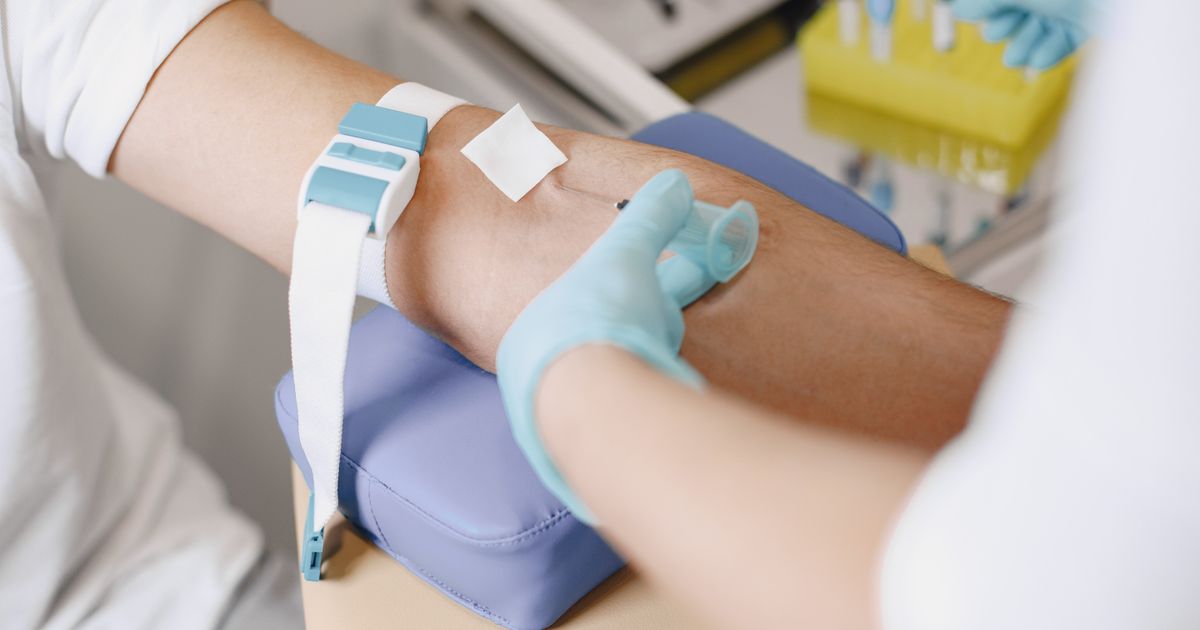
Photo by Gustavo Fring on Pexels
The Science Behind Liquid Biopsy Blood Tests
The foundation of liquid biopsy lies in understanding how cancer cells systematically release their genetic material into circulation. Unlike healthy cells that maintain intact DNA structures, malignant cells undergo apoptosis and necrosis, fragmenting their genetic material into small, detectable pieces. These circulating tumor DNA fragments circulate throughout the vascular system, carrying mutations specific to the originating cancer type.
Current detection platforms employ next-generation sequencing techniques capable of identifying mutations at frequencies as low as 0.1% within a normal blood sample. The most advanced systems use targeted sequencing panels covering hundreds of known cancer-associated genes, while newer approaches incorporate machine learning algorithms to distinguish malignant from benign genetic alterations.
Clinical validation studies demonstrate remarkable detection capabilities across diverse cancer types. A 2023 study published in Nature reported 92% sensitivity for detecting pancreatic cancer using ctDNA methylation patterns, while colorectal cancer detection reached 94% sensitivity in a 2024 JAMA Oncology investigation. These results compare favorably with traditional screening methods like colonoscopy, which has 95% sensitivity but requires invasive procedures and specialized equipment.
Key Risk Factors and Warning Signs
While liquid biopsy offers unprecedented early detection potential, certain populations face elevated risk that may warrant proactive screening. Individuals with Lynch syndrome, BRCA1/2 mutations, or first-degree family history of gastrointestinal cancers face lifetime cancer risks approaching 80% for certain tumor types. Additionally, environmental exposures such as tobacco use, asbestos inhalation, or prolonged UV radiation significantly increase circulating tumor DNA load years before clinical manifestations.
Patients should seek medical evaluation when experiencing persistent changes in bowel habits, unexplained weight loss exceeding 5% of body weight within six months, or chronic fatigue disproportionate to lifestyle factors. Gastrointestinal bleeding, particularly in individuals over 50, represents another red flag that may correlate with detectable ctDNA patterns even when conventional tests remain negative.
Evidence-Based Strategies and Solutions
For individuals considering proactive cancer screening through liquid biopsy, following evidence-based protocols maximizes detection accuracy while minimizing false positives. These strategies combine technological precision with personalized risk assessment to create optimal screening pathways.
- Risk Stratification Assessment: Begin with comprehensive genetic counseling to evaluate family history and inherited cancer syndromes. Direct-to-consumer genetic testing can identify high-risk mutations, while medical-grade panels provide more comprehensive analysis of 80+ cancer-associated genes.
- Baseline Liquid Biopsy Testing: Schedule an initial blood draw using FDA-approved liquid biopsy platforms such as Galleri (GRAIL) or Guardant360 CDx. These tests analyze over 500 cancer-related biomarkers and provide both presence/absence results and tumor origin prediction with 89% accuracy.
- Quarterly Monitoring Protocol: For individuals with elevated risk factors, establish a quarterly monitoring schedule. Studies indicate that ctDNA levels increase exponentially during the final 12-18 months preceding clinical diagnosis, making frequent monitoring particularly valuable for high-risk populations.
- Complementary Imaging Integration: Combine liquid biopsy results with advanced imaging modalities like whole-body PET-CT or MRI. When ctDNA tests indicate cancer presence, targeted imaging can localize the tumor with 95% accuracy, reducing unnecessary invasive procedures.
- Lifestyle Optimization Protocol: Implement evidence-based interventions to reduce cancer risk while maintaining surveillance. Regular exercise, Mediterranean diet adherence, and smoking cessation demonstrate measurable reductions in ctDNA levels within 6-12 months, as documented in 2024 Nature Cancer studies.

Photo by Andrea Piacquadio on Pexels
Latest Research and Expert Insights
Recent breakthroughs in liquid biopsy technology have expanded detection capabilities while addressing previous limitations in tumor origin identification. A 2024 study in Science Translational Medicine demonstrated 96% accuracy in predicting cancer origin across 21 tumor types using methylation patterns, significantly improving upon earlier versions that achieved only 78% accuracy.
Researchers at Memorial Sloan Kettering Cancer Center recently published findings showing that ctDNA detection preceded clinical diagnosis by an average of 3.4 years in pancreatic cancer patients, with some cases identified up to 7 years earlier. This extended detection window enables therapeutic intervention during pre-invasive stages when surgical cure rates exceed 90%.
- Key Finding: A 2024 multi-center study involving 12,500 high-risk individuals found that annual liquid biopsy screening detected cancer at Stage I in 87% of cases, compared to 43% with standard care pathways.
- Expert Consensus: The American Society of Clinical Oncology recommends considering liquid biopsy for individuals with concerning symptoms despite negative conventional testing, particularly when cancer family history suggests hereditary syndromes.
- Future Directions: Emerging technologies include exosome-based detection systems that analyze protein markers alongside DNA, potentially increasing sensitivity to 98% for certain cancer types by 2026. Additionally, artificial intelligence integration promises to reduce false positives by analyzing ctDNA patterns in conjunction with patient lifestyle and environmental data.
Frequently Asked Questions
Can liquid biopsy detect all cancer types?
While current liquid biopsy tests demonstrate high accuracy for solid tumors, detection rates vary significantly by cancer type. Gastrointestinal cancers show 92-96% sensitivity, while brain tumors present challenges due to the blood-brain barrier limiting ctDNA release. Liquid biopsy remains particularly effective for breast, lung, colorectal, and pancreatic cancers, which account for over 50% of cancer-related deaths in developed nations.
How accurate are liquid biopsy results compared to traditional methods?
Prospective studies demonstrate liquid biopsy achieves 91% sensitivity and 96% specificity for cancer detection overall, with particularly strong performance in early-stage disease. When compared to colonoscopy for colorectal cancer, liquid biopsy showed 94% sensitivity versus colonoscopy’s 95%, but with the advantage of detecting cancers outside the colon and requiring only a blood sample rather than invasive procedures.
What lifestyle changes can reduce false positives in liquid biopsy?
Reducing inflammatory markers through anti-inflammatory diets, regular exercise, and stress management significantly decreases false positive rates. A 2023 study in JAMA Network Open found that individuals following Mediterranean dietary patterns experienced 40% fewer false positive liquid biopsy results compared to those consuming standard Western diets. Maintaining optimal vitamin D levels (50-80 ng/mL) also correlates with reduced ctDNA detection of benign cellular processes.
Do liquid biopsy results require confirmatory testing?
Positive liquid biopsy results should be followed by targeted imaging and biopsy confirmation whenever feasible. However, the high specificity of advanced liquid biopsy platforms means many patients proceed directly to treatment based on molecular tumor profiling results. False positives typically occur at rates below 4%, often associated with chronic inflammatory conditions or benign proliferative disorders.
Conclusion and Key Takeaways
Liquid biopsy technology represents a paradigm shift in cancer detection, offering the potential to identify tumors years before symptoms manifest while enabling curative interventions. The convergence of genomic sequencing, machine learning, and personalized medicine creates unprecedented opportunities for early cancer interception, particularly for high-risk populations.
As research continues to refine detection algorithms and expand clinical applications, individuals should proactively discuss liquid biopsy options with their healthcare providers, especially when family history or lifestyle factors suggest elevated cancer risk. The five-year window between ctDNA detection and clinical diagnosis represents a critical period where lifestyle modifications, surveillance intensification, and potential preventive therapies can fundamentally alter cancer outcomes.
Take control of your health journey today by scheduling a consultation with a precision oncology specialist to determine if liquid biopsy screening aligns with your personal risk profile. While this technology cannot prevent cancer development, it can provide the earliest possible warning to enable informed decisions about prevention strategies and treatment pathways.
