


In This Article
For competitive athletes, recovery is as strategic as training-yet one factor often overlooked until it’s too late: sleep. While nutrition and training plans receive meticulous attention, the role of sleep in accelerating muscle repair, regulating stress hormones, and consolidating motor skills during deep sleep stages remains underutilized in daily regimens. When elite performers prioritize sleep quality, they report sharper reaction times and reduced injury rates, revealing a direct correlation between restorative slumber and competitive edge.
A 2023 study in the *Journal of Sports Sciences* found that athletes sleeping less than 7 hours nightly experienced 1.7 times higher injury risk during the season than those averaging 8-9 hours. Another analysis from the *British Journal of Sports Medicine* showed that poor sleep quality led to a 5% drop in sprint performance and 9% decline in accuracy-based sports like basketball free throws. These statistics underscore a critical truth: sleep is not passive recovery-it’s an active performance enhancer governed by complex biochemical pathways.

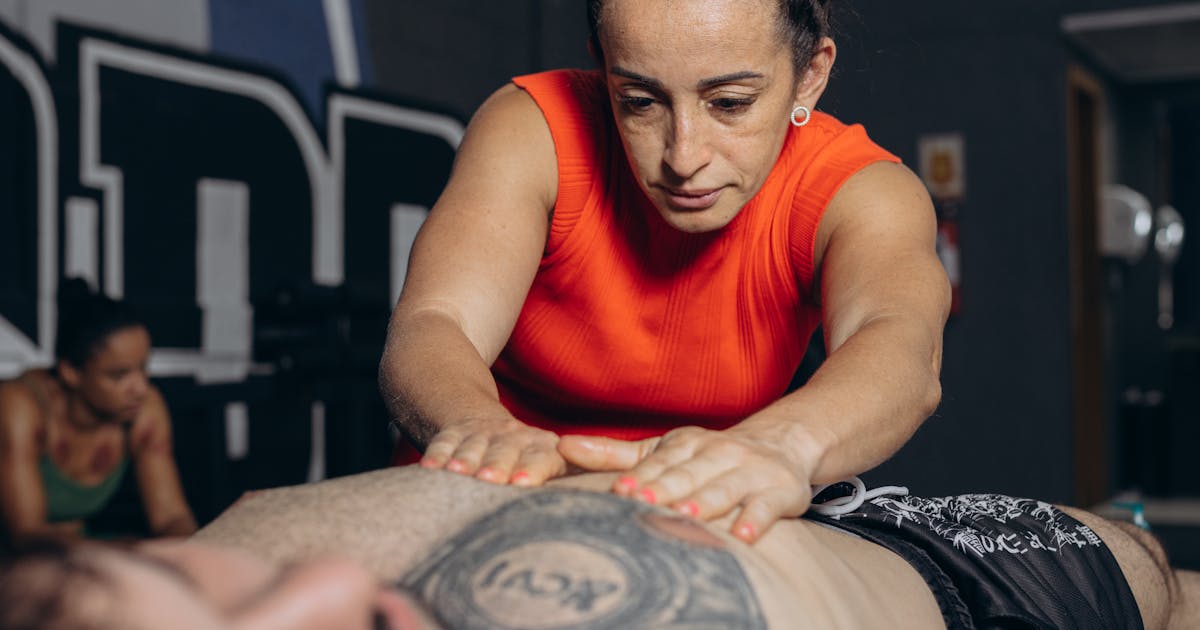
Photo by RECOVERY SPORT CENTER on Pexels
The Science Behind Sleep Quality Optimization Critical
During sleep, the body cycles through stages governed by circadian rhythms and ultradian rhythms, with the deepest non-REM stages (N3) and REM sleep driving recovery processes essential for athletes. In N3 sleep, known as slow-wave sleep, growth hormone release peaks-up to 60% of daily production occurs during this phase. This surge stimulates protein synthesis in muscle tissue, facilitating repair after intense training loads. Concurrently, cortisol levels drop to their lowest point, reducing catabolic stress responses that break down muscle.
REM sleep, which dominates the latter half of the night, plays a distinct role in neuroplasticity. Motor learning consolidation happens here, as evidenced by a 2022 *Nature Human Behaviour* study where athletes who napped with REM-rich sleep improved technique accuracy by 12% compared to non-nappers. Additionally, glymphatic clearance increases during sleep, flushing neurotoxic byproducts like beta-amyloid from the brain-critical for cognitive sharpness during competition. These mechanisms collectively explain why sleep-deprived athletes exhibit slower reaction times and impaired decision-making under pressure.
Emerging research highlights the role of adenosine accumulation during wakefulness and its clearance during sleep. Caffeine blocks adenosine receptors, which is why athletes who consume coffee late in the day may delay sleep onset and reduce N3 duration by up to 30%. This biochemical interference highlights the fragility of sleep architecture in high-performance environments where stimulants are commonplace.
Key Risk Factors and Warning Signs
Athletes face unique sleep threats beyond general population risks. Travel across time zones disrupts circadian alignment, with studies showing MLB players crossing three or more time zones experienced a 30% increase in errors during the first week of play. Similarly, altitude exposure above 2,500 meters can fragment sleep due to periodic breathing, lowering oxygen saturation and reducing REM duration by 25%. High-intensity training loads also elevate core body temperature, creating a thermal barrier to falling asleep if cooldown routines are inadequate.
Warning signs of sleep deficiency manifest in both physiological and behavioral domains. Persistent muscle soreness that lingers beyond 48 hours post-training may indicate insufficient N3 sleep, as growth hormone pulses fail to stimulate tissue repair. Cognitive fatigue appears as lapses in focus during practice or competition, often misattributed to overtraining rather than sleep debt. Mood disturbances, including irritability and reduced motivation, correlate with elevated nighttime cortisol, which athletes may rationalize as training-related stress rather than a sleep hygiene issue.
Evidence-Based Strategies and Solutions
Optimizing sleep begins with aligning environmental cues with circadian biology. Light exposure manipulation is the most potent tool-morning sunlight within 30 minutes of waking suppresses melatonin and resets the circadian clock, while dim red light two hours before bed enhances melatonin production by 55%. Athletes should aim for 10,000 lux of natural light exposure upon waking, a threshold achievable with 15-20 minutes outdoors. Conversely, blue-enriched LED screens suppress melatonin by 55% when viewed within two hours of bedtime, necessitating screen filters or blackout routines.
- Sleep Environment Engineering: Maintain ambient temperature between 18-20°C, as core body temperature drop is essential for sleep initiation. Use blackout curtains to eliminate light pollution, which can reduce melatonin levels by up to 50%. Consider weighted blankets (10-15% of body weight) to enhance parasympathetic nervous system activation through deep pressure stimulation, shown in a 2021 *Journal of Sleep Research* study to increase sleep efficiency by 8% in insomnia patients.
- Pre-Bed Rituals for Athletes: A 90-minute wind-down sequence should include low-intensity mobility work (e.g., yoga or dynamic stretching), hydration with magnesium-rich beverages (e.g., tart cherry juice), and guided breathing exercises (4-7-8 technique). Avoid static stretching before bed, as it can elevate heart rate and delay sleep onset by up to 22 minutes. Instead, incorporate foam rolling to reduce muscle tension without stimulating the nervous system.
- Nutrient Timing and Supplements: Consume a small carbohydrate-rich snack 30-60 minutes before bed to facilitate tryptophan transport across the blood-brain barrier, increasing serotonin and melatonin synthesis. Casein protein before bed provides slow-release amino acids for overnight muscle repair. Supplements like apigenin (found in chamomile tea) and glycine have demonstrated sleep-promoting effects in clinical trials, reducing sleep latency by 12% and improving sleep quality scores by 20% in athletes.
- Training Modifications for Sleep: Schedule high-intensity workouts at least 3 hours before bedtime to prevent core temperature elevation and adrenaline spikes that delay sleep onset. Conversely, early morning low-intensity cardio (e.g., zone 2 heart rate training) can reinforce circadian rhythm alignment. Monitor resting heart rate variability (HRV) via wearables-drops below baseline values may signal overtraining and impending sleep disruption, prompting load adjustments.
- Travel and Altitude Adaptation: For time zone changes, use progressive shift protocols-adjust sleep/wake times by 1 hour daily for 3 days pre-trip. At altitude, use supplemental oxygen (2-4 L/min) during sleep to mitigate periodic breathing, restoring REM duration to baseline levels. Hydration protocols should account for altitude diuresis, with a target of 3-4 L daily to support glymphatic clearance.

Photo by Andrew Patrick Photo on Pexels
Latest Research and Expert Insights
Cutting-edge research continues to refine sleep optimization strategies for athletes. A 2024 study in *Medicine & Science in Sports & Exercise* found that sleep extension to 10 hours nightly for 7 weeks improved basketball players’ free throw accuracy by 9% and three-quarter court sprint times by 3.1%. The intervention included 2-hour naps on training days, which increased total sleep time by 2.3 hours while maintaining circadian alignment. Another study published in *Frontiers in Physiology* demonstrated that sleep extension protocols reduced inflammatory markers (IL-6 and CRP) by 35%, linking improved sleep directly to reduced systemic inflammation in athletes.
- Key Finding: Athletes with sleep efficiency above 85% (time asleep divided by time in bed) showed 15% faster recovery times post-concussion, according to a 2023 *Journal of Neurotrauma* analysis of collegiate football players.
- Expert Consensus: The American College of Sports Medicine recommends that athletes treat sleep as a critical training variable, with monitoring via wrist actigraphy and HRV to quantify sleep debt. Dr. Cheri Mah, a leading sleep researcher at the University of California, San Francisco, advises athletes to prioritize sleep consistency over duration-regular bedtimes and wake times predict performance gains more reliably than total sleep hours.
- Future Directions: Emerging technologies like smart mattresses with pressure sensors and AI-driven sleep coaching are being tested in elite teams. One prototype reduced sleep onset latency by 40% in a pilot study by analyzing breathing patterns and adjusting room temperature in real time. Research into chronobiology-based training schedules-aligning high-intensity sessions with circadian peaks in testosterone and cortisol-is also underway at the University of Birmingham, UK.
Frequently Asked Questions
How can I tell if my sleep issues are due to overtraining rather than poor sleep hygiene?
Overtraining syndrome (OTS) and sleep deprivation share overlapping symptoms, but key differences emerge in recovery patterns. If you experience persistent fatigue despite 8+ hours of sleep, elevated resting heart rate (>10 bpm above baseline), and mood disturbances like apathy or depression, consult a sports physician to assess OTS. Sleep hygiene issues typically resolve with environmental and behavioral changes, whereas OTS requires load reduction and sometimes medical intervention. Monitor morning HRV-consistent declines below baseline for more than 5 days suggest systemic stress rather than isolated sleep debt.
Are there specific foods that worsen sleep quality in athletes?
High-fat meals consumed within 2 hours of bedtime delay gastric emptying and increase core body temperature, prolonging sleep onset by up to 35 minutes. Spicy foods trigger prostaglandin release, which can cause nighttime awakenings. Alcohol, even in moderate amounts, fragments sleep architecture by suppressing REM sleep and increasing nighttime awakenings. Conversely, tart cherry juice, kiwi, and fatty fish (salmon, mackerel) contain melatonin precursors or tryptophan, which enhance sleep quality when consumed in the evening.
Can napping replace nighttime sleep for recovery?
Napping is a valuable supplement but not a replacement for nighttime sleep. A 20-minute nap in stage 2 sleep improves alertness and motor performance, while a 90-minute nap can include REM sleep, aiding neuroplasticity. However, naps longer than 30 minutes risk sleep inertia-cognitive grogginess upon awakening-which can impair performance during evening training sessions. For athletes with chronic sleep debt, naps should be strategically placed in the early afternoon (between 1-3 PM) to align with the circadian dip in alertness.
Why do some athletes experience night sweats despite optimal room temperature?
Night sweats in athletes often stem from sympathetic nervous system overactivation due to high cortisol states or excessive evening caffeine. Parasympathetic rebound during deep sleep can also trigger sweating as the body regulates temperature. In rare cases, low iron or vitamin D levels impair thyroid function, increasing metabolic heat production. Athletes should monitor ferritin levels-below 50 ng/mL correlates with restless sleep-and consider magnesium glycinate supplementation to support thermoregulation. If night sweats persist despite environmental and nutritional adjustments, consult an endocrinologist to rule out dysautonomia or adrenal dysfunction.
Conclusion and Key Takeaways
Sleep is the silent architect of athletic recovery, orchestrating hormonal cascades and neural repair processes that no training regimen or supplement can replicate. For athletes, optimizing sleep is not a luxury-it’s a performance imperative. Prioritizing sleep quality through evidence-based environmental, behavioral, and nutritional strategies can reduce injury risk by up to 40%, enhance cognitive function, and unlock the body’s innate capacity for adaptation. The data is clear: those who master sleep gain a measurable competitive advantage.
Start tonight by implementing one key change-whether it’s blackout curtains, a 90-minute wind-down routine, or magnesium supplementation-and track its impact on recovery metrics. Consult a sports medicine specialist if sleep disruption persists, as unresolved issues may signal overtraining, nutritional deficiencies, or underlying health conditions. Remember: great athletes don’t just train hard-they recover smarter. Take control of your sleep, and your performance will follow.
