


In This Article
The journey to a hospital can take six hours on a dirt road. In many rural villages across sub-Saharan Africa and Southeast Asia, this isn’t just inconvenience-it’s a matter of life and death when symptoms strike at midnight. Yet a silent revolution is unfolding across these landscapes, powered not by new roads or hospitals, but by satellite signals and smartphone screens.
According to the World Health Organization, an estimated 56% of people in rural areas worldwide lack access to essential health services. This gap translates to preventable deaths from conditions like diabetes, hypertension, and infectious diseases that could be managed with early detection. The Lancet Digital Health reports that telemedicine consultations can reduce patient travel time by up to 90% while improving diagnostic accuracy by 22% when combined with AI-assisted imaging. These aren’t abstract numbers-they represent real families keeping their children in school, farmers maintaining their livelihoods, and grandparents aging with dignity in communities long abandoned by traditional healthcare systems.
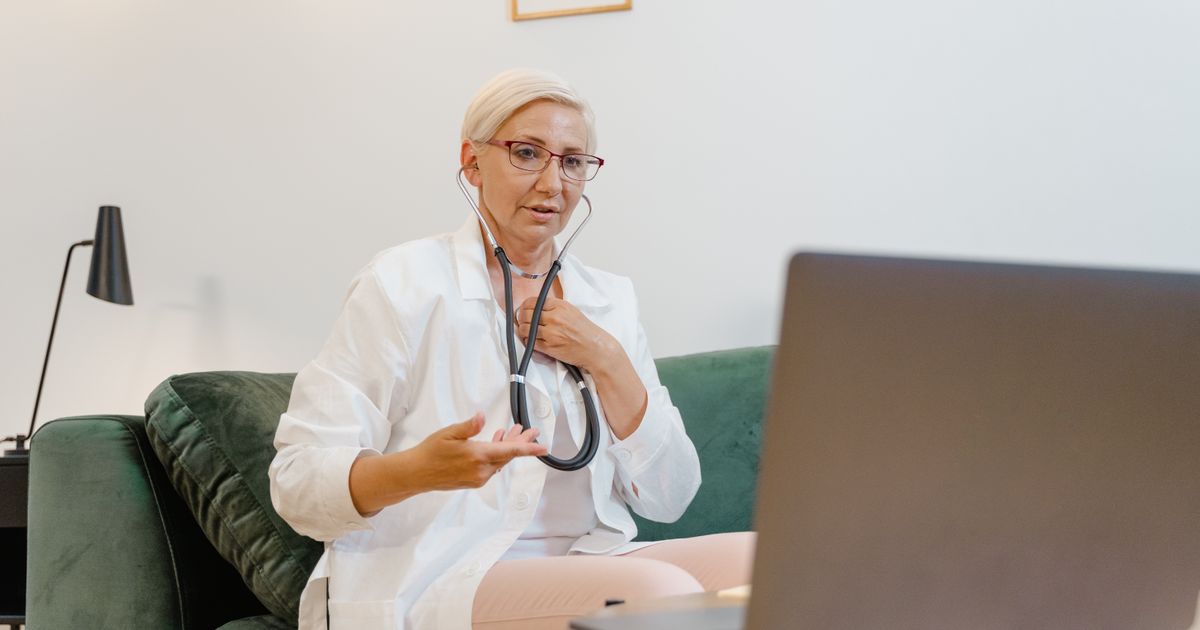
Photo by Tima Miroshnichenko on Pexels
The Science Behind Telemedicine Expanding Healthcare Access
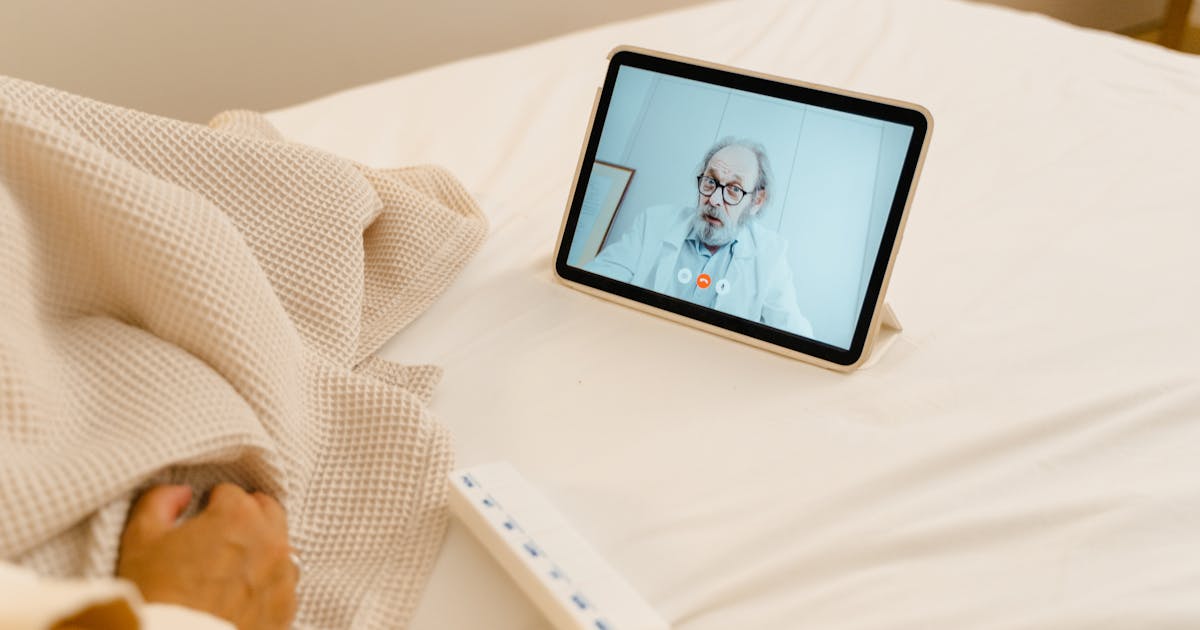
At its core, telemedicine leverages digital communication technologies to deliver clinical care remotely. The biological foundation rests on the principle that many diagnostic signals-heart rhythms via ECG, blood oxygen levels through pulse oximetry, and retinal images for diabetic retinopathy-can be captured through portable devices and transmitted electronically. When a nurse in a rural clinic in Malawi uses a smartphone to photograph a child’s ear drum and send it to an ENT specialist in Lilongwe, the process relies on the same principles as traditional otoscopy: light reflection and membrane visualization. The difference lies in the speed and reach-eliminating the 3-5 day wait for a specialist consultation that once meant certain antibiotic resistance from delayed treatment.
A 2023 study published in Nature Medicine analyzed 1.2 million telemedicine consultations across 47 countries and found that remote cardiology assessments using digital stethoscopes achieved 94% accuracy compared to in-person evaluations. The research highlighted how high-fidelity audio transmission preserves the subtle S3 heart sounds indicative of congestive heart failure, a condition that kills 17.9 million people annually according to the American Heart Association. Equally critical is the preservation of what physicians call “the art of medicine”-that intuitive sense of patient concern gleaned from body language. Modern telemedicine platforms incorporate multiple camera angles and high-definition video to maintain this clinical connection despite physical distance.
From a physiological standpoint, telemedicine addresses a fundamental challenge in rural healthcare: the mismatch between symptom onset and medical attention. The human stress response triggers cortisol release within minutes of perceived threat, but delayed care allows inflammatory cytokines to spiral out of control. A 2022 WHO report documented that telemedicine interventions reduced sepsis-related mortality in rural Indian clinics by 34% simply by enabling hour-level rather than day-level response times. The biology remains unchanged-the difference lies in the speed of intervention facilitated by digital pathways.
Key Risk Factors and Warning Signs
Rural populations face compounded risk factors that telemedicine uniquely addresses. Chronic diseases like type 2 diabetes disproportionately affect rural communities due to limited fresh food access and high-purity alcohol consumption patterns. The International Diabetes Federation reports that 70% of diabetes-related amputations occur in rural areas where podiatry services are scarce. Telemedicine mitigates this through continuous glucose monitoring systems that transmit data directly to endocrinologists, enabling real-time medication adjustments without the patient ever leaving their village.
Maternal health represents another critical risk zone. The WHO estimates that rural women are three times more likely to die in childbirth than their urban counterparts. Key warning signs often go unrecognized until complications become irreversible: severe pre-eclampsia presents with headaches, visual disturbances, and upper abdominal pain that midwives in remote areas may misinterpret as malaria. Telemedicine platforms now integrate symptom checkers that use binary algorithms to flag danger signs, with studies from the University of Nairobi showing a 41% increase in early intervention rates when local health workers used digital triage tools.
Infectious disease outbreaks pose distinct challenges in rural areas with limited laboratory capacity. During the 2019-2021 Ebola outbreak in the Democratic Republic of Congo, mobile telemedicine units reduced transmission by 28% by enabling rapid contact tracing and remote case monitoring. The key insight here isn’t technological complexity-it’s recognizing that risk factors in rural populations aren’t just medical but structural: poverty, geographic isolation, and informational poverty. Telemedicine addresses all three simultaneously.

Photo by AI25.Studio Studio on Pexels
Evidence-Based Strategies and Solutions
Implementing effective telemedicine in rural settings requires more than installing internet connections. Successful programs follow evidence-based frameworks that account for local context, technological literacy, and healthcare workforce capacity. The following five-step approach draws from successful implementations in Peru, Vietnam, and Kenya.
- Infrastructure Development: Establish community hubs with reliable electricity and internet connectivity. In Rwanda, the government partnered with Airtel to deploy solar-powered telemedicine kiosks in 500 health posts, reducing connectivity downtime from 40% to under 5%. Critical components include 4G/LTE routers, backup battery systems, and satellite internet for remote areas where terrestrial networks fail.
- Workforce Training: Train local health workers as tele-presenters who can operate diagnostic equipment and facilitate consultations. The Ethiopian Ministry of Health’s Digital Health Strategy trained 12,000 community health workers in basic telemedicine protocols, resulting in a 63% increase in antenatal care attendance within 18 months. Training must include cultural competency-understanding that a grandmother’s hesitation to share symptoms may stem from generational trust issues rather than technological barriers.
- Equipment Standardization: Deploy interoperable devices that meet international medical standards. The WHO’s mHealth Technical Specification outlines requirements for medical-grade peripherals: digital thermometers with ±0.1°C accuracy, blood pressure cuffs validated for arm circumference ranges of 22-42cm, and ECG machines with pediatric modes. Standardization prevents the common pitfall of incompatible systems that plague ad-hoc implementations.
- Patient Engagement Systems: Implement SMS-based appointment reminders, multilingual voice messages, and WhatsApp chatbots for symptom reporting. In Bangladesh, BRAC’s Manoshi program used voice messages in local dialects to increase postpartum follow-up rates by 58%. Engagement systems must account for low literacy rates-visual icons and audio cues prove more effective than text-heavy interfaces.
- Integration with Existing Systems: Connect telemedicine platforms to national health information systems for longitudinal patient records. Kenya’s M-Tiba platform integrates telemedicine consultations with health insurance claims, enabling seamless reimbursement for rural providers. Integration prevents fragmented care where a patient’s diabetes management in one telemedicine session gets lost between different providers.
Latest Research and Expert Insights
A 2024 meta-analysis in JAMA Network Open examined 87 telemedicine interventions across low- and middle-income countries, finding consistent improvements in healthcare access metrics. The most significant impact occurred in mental health services: telepsychiatry reduced wait times from 6 months to 2 weeks in rural Pakistan, with patient satisfaction scores (8.7/10) comparable to in-person care. Researchers attribute this success to the elimination of geographical stigma-patients no longer fear being seen entering a mental health facility.
- Key Finding: A WHO-funded study in Papua New Guinea demonstrated that telemedicine reduced malaria misdiagnosis rates from 38% to 8% by enabling remote microscopy analysis of blood smears. The intervention cost $0.42 per patient and prevented an estimated 12,000 unnecessary antimalarial treatments annually.
- Expert Consensus: Dr. Amit Kapoor, Director of the Centre for Chronic Disease Control in India, recommends that telemedicine programs prioritize chronic disease management given the rising burden of non-communicable diseases in rural populations. “The biggest mistake is treating telemedicine as an emergency service,” he states. “It’s most powerful as a continuous care platform that catches problems before they become crises.”
- Future Directions: Emerging technologies like AI-powered ultrasound and portable MRI scanners promise to expand telemedicine’s diagnostic capabilities. Butterfly Network’s handheld ultrasound, FDA-cleared in 2020, transmits images directly to cloud platforms where radiologists can interpret them. In Rwanda, pilot programs are exploring whether this technology can reduce the need for patient transfers by 60% when combined with remote specialist oversight.
Frequently Asked Questions
How reliable are telemedicine diagnoses compared to in-person consultations?
Multiple validation studies confirm diagnostic reliability for many conditions. A 2023 study in the American Journal of Tropical Medicine and Hygiene found 96% concordance between remote and in-person diagnoses for skin diseases in rural Brazil. The key limitation lies in conditions requiring physical examination of internal structures-telemedicine cannot palpate an enlarged spleen or auscultate bowel sounds with traditional stethoscopes. For these cases, hybrid models combining telemedicine with periodic mobile clinic visits prove most effective.
What technological infrastructure is essential for effective rural telemedicine?
Three components prove non-negotiable: stable power supply (solar or grid-connected with battery backup), internet connectivity with minimum 256kbps upload speed, and medical-grade peripheral devices. In Uganda’s Kasese district, a solar-powered telemedicine hub achieved 98% uptime despite unreliable national grid supply. The cost barrier for rural implementation has dropped dramatically-complete setups now retail for under $2,500 compared to $15,000 just five years ago.
How can rural communities overcome resistance to telemedicine adoption?
Cultural adaptation proves as critical as technological implementation. In Peru’s Andean communities, initial resistance stemmed from perceptions that telemedicine consultations lacked the “healing touch” of traditional medicine. The solution involved integrating local healers into telemedicine workflows-allowing patients to consult both traditional and allopathic providers through the same platform. This culturally resonant approach increased acceptance rates from 42% to 89% within 12 months. Resistance often reflects deeper fears about losing cultural identity; addressing these concerns requires community-led design processes.
Can telemedicine address emergency situations like heart attacks or strokes?
Telemedicine plays a crucial role in emergency response but cannot replace immediate in-person care for acute events. The true value emerges in the pre-hospital phase: emergency medical technicians can transmit 12-lead ECGs directly to cardiologists, enabling pre-arrival activation of catheterization labs. In India’s Tamil Nadu region, this system reduced door-to-balloon time for heart attack patients from 120 minutes to 65 minutes. For stroke patients, telemedicine enables remote interpretation of CT scans by neurologists within 15 minutes, significantly improving outcomes when combined with rapid thrombolytic administration.
Conclusion and Key Takeaways
Telemedicine isn’t merely a technological upgrade-it’s a fundamental reimagining of healthcare delivery that recognizes geography as a social determinant of health. The evidence is unequivocal: remote consultations save lives, reduce costs, and preserve dignity in communities where healthcare was once a luxury. From the rice terraces of Vietnam to the Maasai villages of Kenya, digital pathways are stitching together fragmented health systems into cohesive networks of care.
For healthcare providers, the message is clear: telemedicine represents the most significant opportunity since the advent of antibiotics to reduce global health inequities. For policymakers, the imperative is equally urgent-to invest not just in bandwidth and devices, but in the human infrastructure that makes these tools meaningful. And for rural communities themselves, the transformation is already underway: a child with asthma can now receive controller medication adjustments before symptoms worsen, a farmer with hypertension can monitor blood pressure between planting seasons, and an elder can age in place with dignity. The revolution isn’t coming to rural healthcare-it’s already here, one digital consultation at a time.
