


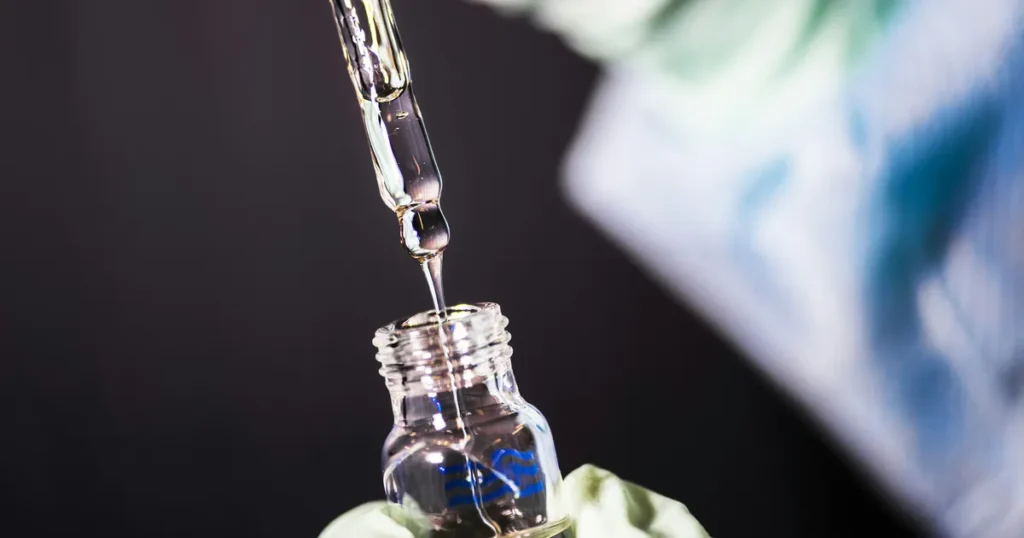
I still remember the palpable sense of hope, mixed with a healthy dose of trepidation, when my own grandmother enrolled in a clinical trial for a novel cancer therapy years ago. It was a stark reminder that behind every statistic and scientific paper are real people, desperately seeking new solutions. Today, the landscape of medicine is evolving at an unprecedented pace, with clinical trials new treatment breakthroughs updates offering glimmers of hope that were unimaginable just a decade ago. We’re witnessing a paradigm shift, moving beyond conventional approaches to embrace precision, personalization, and truly transformative therapies.
Oncology’s Rapid Evolution: Immunotherapy and Targeted Drugs
The fight against cancer has been fundamentally reshaped by advancements in immunotherapy and targeted therapies. Immunotherapy, in particular, has revolutionized treatment for various malignancies, from melanoma to certain lung cancers, by harnessing the body’s own immune system to identify and destroy cancer cells. This approach, often involving checkpoint inhibitors, has delivered durable responses for patients who previously had limited options, shifting the focus from merely managing disease to achieving long-term remission, and in some cases, even cures. It’s a field I’ve followed closely, witnessing its incredible impact.
Beyond immunotherapy, targeted therapies continue to refine our ability to attack cancer at its genetic roots. These drugs are designed to interfere with specific molecules involved in tumor growth and progression, often based on the unique genetic mutations found in a patient’s cancer. This precision medicine approach minimizes harm to healthy cells, leading to fewer side effects and more effective treatments. The ongoing development of new biomarkers and diagnostic tools ensures that by 2026, even more patients will benefit from highly individualized treatment plans, tailored to their specific tumor profile.
Neurological Horizons: Tackling Brain Disorders
For too long, neurological disorders like Alzheimer’s, Parkinson’s, and ALS have presented formidable challenges, with limited effective treatments. However, clinical trials are now pushing the boundaries, exploring novel mechanisms and therapeutic targets. Recent breakthroughs include promising developments in amyloid-beta and tau-targeting therapies for Alzheimer’s, which aim to slow disease progression rather than just manage symptoms. While not without their complexities and ongoing debate, these represent significant steps forward in understanding and combating neurodegeneration.
The future of neurological treatment is also being shaped by gene therapies and advanced neuromodulation techniques. Researchers are investigating ways to deliver therapeutic genes directly into the brain to correct genetic defects or enhance protective pathways, offering potential long-term solutions for conditions like Huntington’s disease. Moreover, devices that stimulate specific brain regions are showing promise in managing symptoms of Parkinson’s and severe depression, providing new avenues for symptom control and improved quality of life. The collaborative efforts across global research institutions are genuinely inspiring.
Gene Therapy and CRISPR: Rewriting the Code of Life
Perhaps no area of medicine has generated as much excitement and ethical discussion as gene therapy and gene editing technologies like CRISPR. These groundbreaking approaches aim to correct the underlying genetic defects responsible for a vast array of inherited diseases. We’ve already seen success stories in conditions such as spinal muscular atrophy and certain forms of inherited blindness, where a single dose of gene therapy can dramatically alter a patient’s life trajectory, sometimes reversing the disease entirely. It’s truly like rewriting the code of life itself.
The continued refinement of CRISPR-Cas9 and next-generation gene editing tools promises even more precise and safer interventions. Scientists are actively exploring their potential for treating conditions like sickle cell disease, cystic fibrosis, and even certain cancers. The ability to “cut and paste” specific DNA sequences with such accuracy opens up a world of possibilities, though careful consideration of long-term effects and accessibility remains paramount. By 2026, we anticipate several more gene-editing therapies to move closer to widespread clinical availability, offering profound hope.
The Promise of Base Editing and Prime Editing
Beyond traditional CRISPR, newer gene-editing techniques like base editing and prime editing are emerging, offering even finer control over genetic modifications. Base editing allows for precise single-letter changes in the DNA code without cutting the double helix, potentially reducing off-target effects. Prime editing takes this a step further, enabling targeted insertions, deletions, and all 12 possible base changes. These innovations are expanding the therapeutic scope of gene editing, allowing researchers to address a wider range of genetic mutations with greater safety and efficiency, moving us closer to truly personalized medicine. You can learn more about these fascinating advancements at the National Human Genome Research Institute.
Rare Diseases: From Neglected to Noteworthy
Historically, rare diseases, often affecting small patient populations, have been overlooked by pharmaceutical development due to perceived economic viability. However, there’s been a significant shift, largely driven by regulatory incentives and scientific breakthroughs, leading to a surge in clinical trials for these conditions. The development of “orphan drugs” specifically designed for rare diseases is providing hope where none existed before, transforming lives for families who once faced insurmountable odds. It’s a testament to perseverance and focused research.
Many of these new treatments leverage advanced biotechnologies, including gene therapies, enzyme replacement therapies, and RNA-based therapies, which are particularly effective in addressing the specific genetic or biochemical defects underlying many rare conditions. The global collaborative nature of rare disease research means that knowledge and resources are pooled, accelerating discovery and development. This focus ensures that patients with conditions like Duchenne muscular dystrophy or lysosomal storage disorders are no longer left behind, but are at the forefront of innovative medical science. For more information, the FDA’s Orphan Products Development initiative is a great resource.
AI and Big Data: Accelerating Drug Discovery
The sheer complexity of drug development, traditionally a lengthy and expensive process, is being revolutionized by artificial intelligence (AI) and big data analytics. AI algorithms can rapidly sift through vast datasets of biological information, identify potential drug candidates, predict their efficacy, and even design novel molecules. This dramatically shortens the discovery phase, allowing researchers to focus on the most promising compounds, saving both time and resources. I believe this is where some of the biggest efficiencies will come from in the coming years.
Furthermore, AI is enhancing the efficiency of clinical trials themselves, from patient recruitment and selection to data analysis and monitoring. Predictive models can identify patients most likely to respond to a particular treatment, and machine learning can uncover subtle patterns in trial data that might be missed by human analysis. These technological leaps are not just about speed; they’re about making drug development smarter, more targeted, and ultimately, more successful. The synergy between human expertise and AI will define the next era of medical innovation, certainly by 2026.
Key Takeaways
- Precision Medicine is Paramount: Future treatments increasingly focus on individualized therapies, leveraging genetic and molecular insights to tailor interventions for specific patients, improving efficacy and reducing side effects across oncology and rare diseases.
- Gene Editing Technologies are Transformative: CRISPR, base editing, and prime editing are not just scientific curiosities but are actively moving into clinical application, offering the potential to correct genetic defects at their source for a growing number of inherited conditions.
- AI and Big Data are Accelerating Innovation: Artificial intelligence is fundamentally changing how drugs are discovered, developed, and tested, making the process faster, more cost-effective, and more targeted, leading to quicker patient access to new therapies.
- Hope for Previously Untreatable Conditions: Significant progress is being made in challenging areas like neurological disorders and rare diseases, with new research avenues and regulatory support bringing promising treatments to patient populations that once had few options.
Frequently Asked Questions
What is the biggest challenge in bringing new treatments to patients?
The biggest challenge often lies in the rigorous and lengthy process of clinical trials, which require significant funding, time, and patient participation to prove a treatment’s safety and efficacy. Regulatory hurdles and the complexity of scaling up production also contribute to delays, despite promising early results.
How can I participate in a clinical trial?
If you’re interested in participating, the best first step is to discuss it with your doctor, who can assess if a trial is appropriate for your condition. You can also search online databases like ClinicalTrials.gov, which list ongoing studies and their eligibility criteria, connecting patients with research opportunities.
Are new treatments always better than existing ones?
Not necessarily. While new treatments often offer advantages or address unmet needs, they also come with their own set of risks and side effects, and their long-term efficacy may still be under investigation. It’s crucial to weigh the potential benefits against the known risks, ideally in consultation with a healthcare professional, to make an informed decision.
What role does patient advocacy play in clinical trials?
Patient advocacy groups play a vital role in clinical trials by raising awareness, funding research, and advocating for patient needs and perspectives throughout the drug development process. They often help connect patients with trials, provide support, and ensure that the patient voice is heard by researchers and regulatory bodies.
Conclusion
The landscape of medical innovation, driven by ceaseless dedication in clinical trials, is undoubtedly exhilarating. These new treatment breakthroughs updates are not just incremental improvements; they represent fundamental shifts in how we approach disease, offering unprecedented hope for patients and families worldwide. As we look towards 2026 and beyond, the convergence of advanced biotechnologies, artificial intelligence, and a deep human commitment promises a future where more conditions are treatable, and the quality of life for millions is profoundly enhanced. It’s a journey I’m incredibly passionate about following, and I believe we’re just scratching the surface of what’s possible.
